
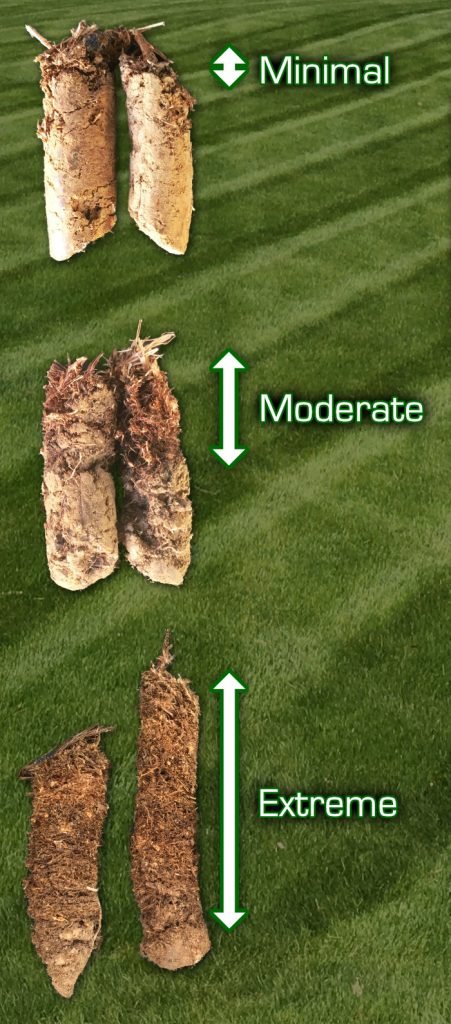
If you want a healthy, green lawn, you’ve probably heard about aeration and dethatching. But do you know what makes these two lawn care techniques different?
Understanding the difference can save you time, money, and effort while giving your grass the care it truly needs. You’ll discover exactly what aeration and dethatching do, when you should use each one, and how they work to keep your lawn thriving.
Keep reading—you’re about to unlock the secret to a lawn that stands out in your neighborhood.
Aeration Basics
Aeration helps improve lawn health by allowing air, water, and nutrients to reach the soil. It reduces soil compaction and promotes stronger grass roots.
This process is different from dethatching but also important for a thick, green lawn. Understanding aeration can help you decide when and how to do it properly.
How Aeration Works
Aeration uses small tools to pull out plugs of soil from the lawn. These holes let air, water, and nutrients enter the soil more easily.
The process reduces compacted soil and helps grass roots grow deeper. This makes the lawn stronger and more resistant to drought and stress.
Benefits Of Aeration
- Improves air flow to roots
- Enhances water absorption
- Boosts nutrient uptake
- Reduces soil compaction
- Promotes deeper root growth
- Helps control thatch build-up
- Increases lawn resilience
When To Aerate Your Lawn
| Season | Best Time | Reason |
| Spring | Early Spring | Lawn is starting to grow |
| Fall | Early Fall | Grass recovers well before winter |
| Summer | Not Recommended | Heat stress can harm lawn |
| Winter | Not Recommended | Grass is dormant |

Credit: www.reddit.com
Dethatching Essentials
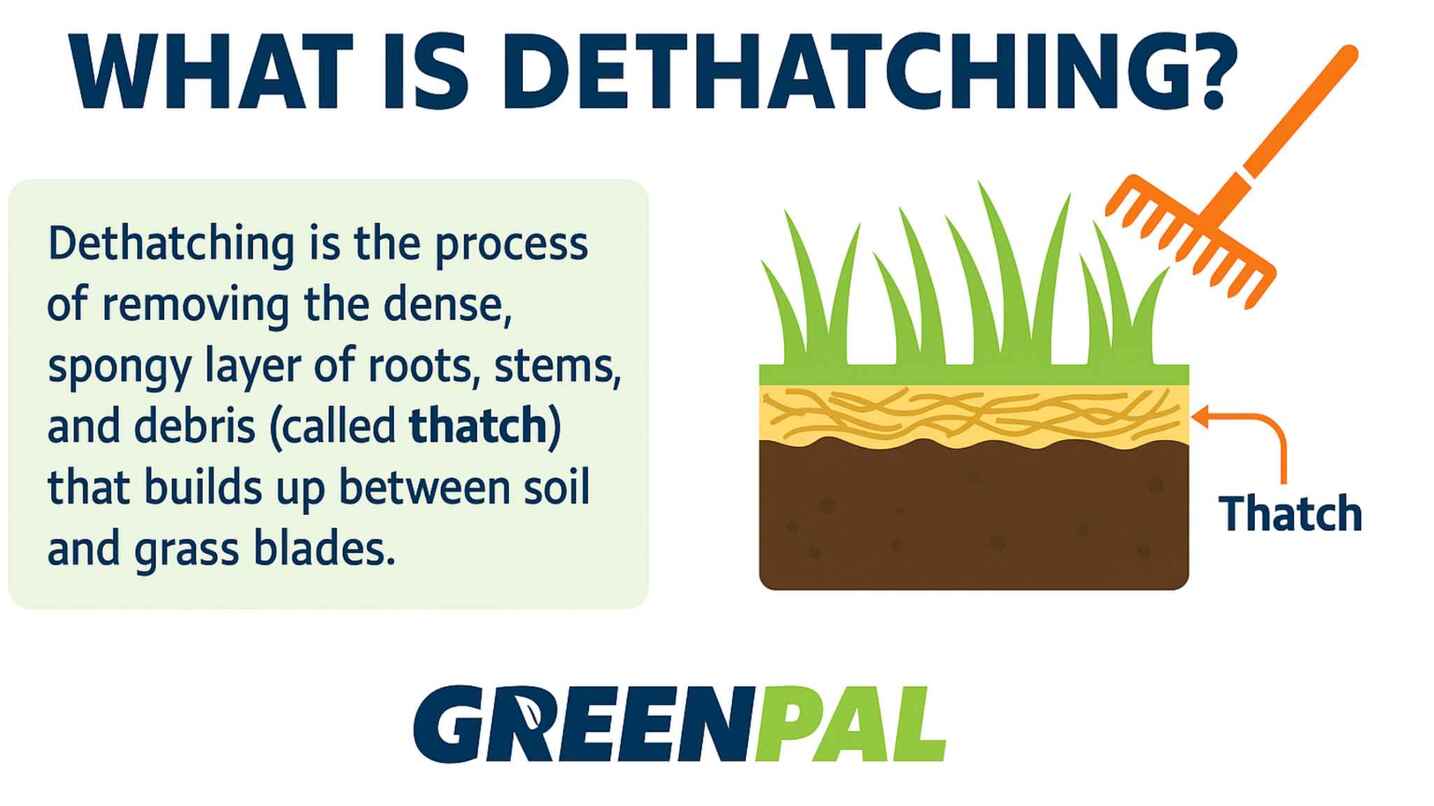
Dethatching helps keep your lawn healthy by removing thick layers of dead grass. It improves air, water, and nutrient flow to the soil.
Understanding thatch and how to remove it can save your lawn from damage and promote strong grass growth.
What Causes Thatch
Thatch builds up when dead grass, roots, and stems do not break down quickly. This layer can block water and air from reaching the soil.
- Poor soil biology that slows decomposition
- Over-fertilizing with nitrogen
- Improper watering habits
- Use of certain grass types that produce more thatch
- Heavy foot traffic compacting the soil
Benefits Of Dethatching
Dethatching removes the thick layer of dead material. This helps the lawn breathe and grow stronger.
| Benefit | Effect on Lawn |
| Improved air flow | Enhances root health |
| Better water absorption | Reduces runoff and dry spots |
| Increased nutrient access | Promotes greener, thicker grass |
| Reduced pest problems | Limits hiding places for insects |
| Enhanced soil temperature | Supports seed germination |
Best Time For Dethatching
The best time to dethatch depends on your grass type. Doing it at the right time helps the lawn recover faster.
- For cool-season grasses, dethatch in early spring or early fall.
- For warm-season grasses, dethatch in late spring or early summer.
- Avoid dethatching during drought or extreme heat.
- Water the lawn a day before dethatching for easier removal.
Aeration Vs Dethatching
Aeration and dethatching are two lawn care methods. Both help improve the health of your grass. They are often confused but serve different purposes.
Understanding the difference can help you choose the best method for your lawn’s needs. This guide explains key differences, effects on lawn health, and how to select the right method.
Key Differences
| Aspect | Aeration | Dethatching |
| Purpose | Reduce soil compaction and improve air flow | Remove thick layer of dead grass and roots |
| Process | Remove small plugs of soil | Rake or pull up thatch layer |
| Equipment | Core aerator or spike aerator | Thatching rake or power dethatcher |
| Timing | Best in growing seasons | Done before heavy growth periods |
Impact On Lawn Health
Aeration improves root growth by allowing air, water, and nutrients to reach the soil easily. It helps soil breathe and reduces compaction.
Dethatching removes excess dead material that blocks sunlight and water. This prevents diseases and helps new grass grow better.
- Aeration increases oxygen to roots
- Dethatching clears dead grass and debris
- Aeration helps with soil drainage
- Dethatching reduces pests and fungi
Choosing The Right Method
Choose aeration if your soil is hard or compacted. It is best for lawns with heavy foot traffic or clay soil.
Choose dethatching if your lawn has a thick layer of dead grass over ½ inch deep. This layer stops water and nutrients from reaching roots.
Quick tips to decide:
- Check soil hardness with a screwdriver or similar tool.
- Measure thatch layer by digging a small section.
- If soil is hard, aerate.
- If thatch is thick, dethatch.
Credit: www.lawnstarter.com
Tools And Techniques
Aeration and dethatching are two lawn care methods that improve soil and grass health. Each uses different tools and techniques. Understanding these helps you pick the right method for your lawn.
This guide explains the tools used in aeration and dethatching. It also compares DIY options with professional services for both tasks.
Aeration Tools
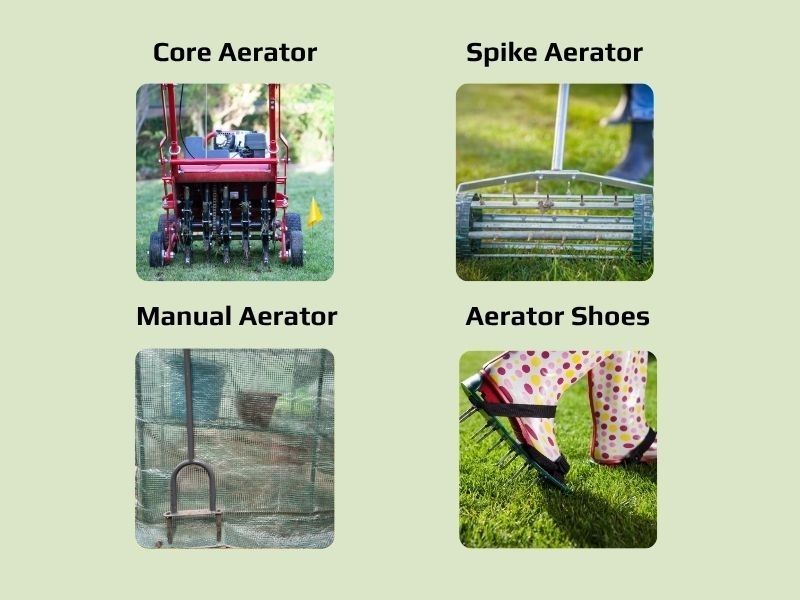
Aeration tools create holes in the soil to let air, water, and nutrients reach grass roots. There are manual and machine options.
- Spike Aerators:Use solid tines to poke holes in the soil.
- Core Aerators:Remove small plugs of soil for better air flow.
- Manual Aerators:Handheld tools for small areas or spot aeration.
- Powered Aerators:Gas or electric machines for large lawns.
Dethatching Equipment
Dethatching removes thick layers of dead grass and roots. This helps new grass grow. Equipment varies by lawn size and dethatching depth needed.
| Tool | Description | Best For |
| Rake Dethatcher | Hand tool with sharp blades or tines. | Small lawns and spot dethatching. |
| Power Dethatcher | Machine with rotating blades or tines. | Medium to large lawns. |
| Vertical Mower | Machine that cuts deep into thatch and soil. | Lawns with heavy thatch buildup. |
Diy Vs Professional Services
Both aeration and dethatching can be done by homeowners or pros. Choice depends on lawn size, tool cost, and skill level.
- DIY:Uses rented or owned tools. Good for small lawns. Saves money but requires effort.
- Professional:Experts with specialized machines. Faster and thorough. Best for large or difficult lawns.
- Cost:DIY costs less but may need multiple tries. Professionals charge more but deliver consistent results.
- Skill:Professionals know when and how to aerate or dethatch. DIYers risk harming grass if done wrong.
Lawn Care Tips
Aeration and dethatching are two lawn care methods that improve grass health. Both help the lawn breathe and grow better. Understanding their differences helps you keep a green, healthy yard.
Aeration loosens compacted soil by making holes. Dethatching removes thick layers of dead grass and roots on the soil surface. Each method targets different lawn problems.
Maintaining Soil Health
Aeration helps soil stay loose and lets air, water, and nutrients reach roots. Dethatching cleans the lawn surface so new grass can grow. Both improve soil health but in different ways.
- Aeration reduces soil compaction and improves root growth.
- Dethatching removes thick dead grass layers blocking sunlight and water.
- Use aeration if your soil is hard or compacted.
- Use dethatching if there is a lot of thatch buildup.
Watering And Fertilizing After Treatment
After aeration or dethatching, watering is important. It helps the lawn recover and grow. Fertilizing supplies needed nutrients for strong grass.
| Care Task | After Aeration | After Dethatching |
| Watering | Water deeply to reach roots | Water lightly to avoid mold |
| Fertilizing | Apply slow-release fertilizer | Use balanced fertilizer for recovery |
| Timing | Within 24-48 hours after aeration | Right after dethatching |
Seasonal Lawn Care Strategies
Choose aeration or dethatching based on the season and lawn needs. Different seasons require different approaches for best results.
- Spring: Dethatch to clear winter debris and prepare for growth.
- Late spring or early fall: Aerate to relieve soil compaction.
- Summer: Avoid dethatching during hot, dry weather.
- Fall: Aerate to help roots grow before winter.
Credit: www.yourgreenpal.com
Frequently Asked Questions
What Is The Main Purpose Of Aeration In Lawns?
Aeration improves soil airflow and water absorption. It reduces soil compaction, helping roots grow deeper and healthier. This process enhances nutrient uptake, promoting a lush and strong lawn.
How Does Dethatching Benefit Lawn Health?
Dethatching removes the layer of dead grass and roots on the soil surface. This layer blocks water, air, and nutrients from reaching the soil. Removing thatch promotes better growth and reduces lawn diseases.
When Should I Aerate My Lawn?
The best time to aerate is during active grass growth, typically in spring or fall. Aerating then helps the lawn recover quickly and makes the process most effective.
How Often Should Dethatching Be Done?
Dethatching is usually needed once a year or every two years. Frequency depends on grass type and thatch buildup. Over-dethatching can harm your lawn, so monitor thatch thickness first.
Conclusion
Aeration and dethatching both help your lawn grow better. Aeration opens the soil so air and water can reach roots. Dethatching removes the dead grass layer that blocks nutrients. Use aeration if your soil feels hard or compacted. Choose dethatching if your lawn has thick, dead grass buildup.
Both improve lawn health but serve different purposes. Understanding these differences helps you care for your grass well. Keep your lawn green and strong by using the right method at the right time. Simple steps make a big difference.
