
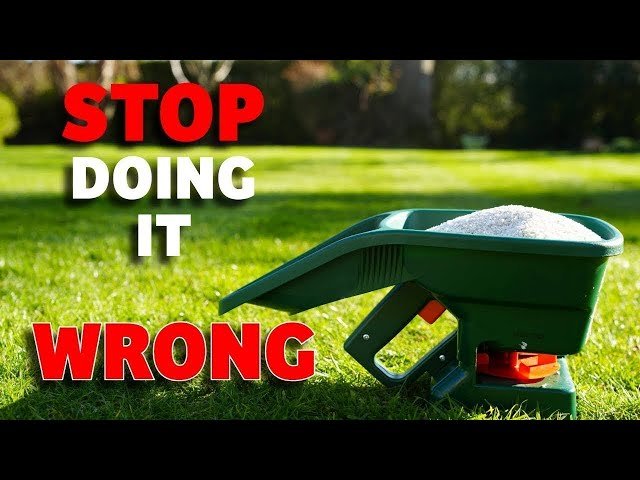
Are you using a spreader to keep your lawn or garden healthy? It’s a great tool, but a few common mistakes can ruin your results—and waste your time and money.
If you want to get the most out of your spreader, you need to know what to avoid. Keep reading to discover the key errors that could be holding you back and learn simple tips to use your spreader like a pro.
Your lawn will thank you!

Credit: www.youtube.com
Common Spreader Mistakes
Using a spreader incorrectly can waste materials and damage your lawn. Many people make simple mistakes that reduce spreader efficiency. Knowing what to avoid helps get the best results.
This guide covers common errors made with spreaders. Fixing these can save time and money while improving the spread quality.
Overloading The Spreader
Putting too much material in the spreader causes uneven spreading. It can also strain the machine parts, leading to breaks. Fill the spreader only to the recommended level for best performance.
Ignoring Calibration
Calibration sets the right amount of material to release per area. Skipping this step causes too much or too little spread. Always test and adjust the spreader before use.
Using Wrong Spreader Settings
Each material needs specific spreader settings. Using wrong settings leads to patchy or wasted application. Check the product instructions and adjust your spreader accordingly.
- Set the spreader dial to match the material type
- Adjust for particle size and weight
- Test on a small area first
- Readjust if spread looks uneven
Neglecting Maintenance
Poor maintenance causes rust, clogging, and mechanical failure. Clean the spreader after every use. Lubricate moving parts and check for damage regularly.
| Maintenance Task | Frequency |
|---|---|
| Clean hopper and spreader plate | After each use |
| Lubricate gears and wheels | Monthly |
| Check calibration settings | Before each use |
| Inspect for rust or damage | Monthly |
Poor Timing And Weather Choices
Applying materials in bad weather reduces effectiveness. Wind can blow materials away. Rain can wash them off before they work. Choose calm, dry days for spreading.
Choosing The Right Spreader
Picking the right spreader makes spreading materials easier and more effective.
Knowing the types, materials, and terrain helps avoid common mistakes.
Types Of Spreaders
There are several types of spreaders. Each works better for certain tasks.
- Broadcast spreaders: good for large areas and light materials.
- Drop spreaders: release material in a straight line for precise spreading.
- Handheld spreaders: best for small jobs and tight spaces.
- Tow-behind spreaders: attach to lawn tractors for very large areas.
Matching Spreader To Material
Different materials need different spreaders to work well and avoid waste.
| Material | Recommended Spreader Type | Reason |
| Grass seed | Drop spreader | Delivers evenly without damage |
| Fertilizer | Broadcast spreader | Covers large areas quickly |
| Salt or ice melt | Handheld or broadcast | Controls the amount on paths |
| Sand | Tow-behind spreader | Handles heavy material well |
Considering Terrain And Area Size
Spreader choice depends on the land shape and size.
- Flat, open areas work well with broadcast or tow-behind spreaders.
- Small or uneven terrain suits handheld or drop spreaders.
- Slopes need a spreader that controls flow to prevent waste.
- Large yards benefit from spreaders with bigger capacity.
Proper Calibration Techniques
Calibrating your spreader is important for even material spread. Proper calibration saves time and reduces waste.
Using correct techniques helps you avoid common mistakes. It also improves your work quality and efficiency.
Step-by-step Calibration Process
Start by setting your spreader on a flat surface. Check the settings and adjust them carefully.
Measure the material spread over a set distance. Compare it to the recommended amount for accuracy.
- Fill the spreader with material
- Mark a measured area on the ground
- Spread the material over the area
- Collect and weigh the spread material
- Adjust settings if the weight differs
- Repeat until the spread matches the target
Tools Needed For Calibration
Having the right tools makes calibration easier and more accurate. Prepare these before starting.
- Measuring tape or ruler to mark distances
- A scale to weigh the material
- Containers to collect spread material
- Notepad and pen to record results
- Protective gloves for safety
Signs Of Incorrect Calibration
Watch for uneven spreading or too much material in one spot. These show calibration problems.
Other signs include running out of material too fast or slow coverage of the area.
- Patchy or thin coverage on the surface
- Material clumping or piling in areas
- Using more material than needed
- Uneven distribution across the spread area
- Constant need to adjust settings during work

Credit: www.landscapemanagement.net
Spreader Maintenance Tips
Maintaining your spreader ensures it works efficiently and lasts longer. Regular care prevents rust and malfunction.
Following these tips will help keep your spreader in top condition. Avoid common mistakes to save time and money.
Cleaning After Use
Cleaning your spreader after each use is important. It prevents buildup of materials that can cause damage.
- Rinse the spreader with water immediately after use.
- Dry all parts thoroughly to prevent rust.
- Use a brush to remove stubborn debris.
Lubrication And Parts Check
Lubricating moving parts reduces friction and wear. Regular checks help spot potential issues early.
| Part | Action |
| Wheels | Apply oil monthly |
| Gears | Check for wear every 3 months |
| Handles | Tighten screws if loose |
Storing The Spreader Properly
Proper storage prevents damage during off-seasons. It also ensures your spreader is ready when needed.
Effective Spreading Strategies
Using a spreader correctly helps you apply materials evenly. This improves results and saves resources.
Avoid common mistakes to make spreading easier and more effective. Focus on patterns, speed, and coverage.
Optimal Spreading Patterns
Choose a pattern that covers the area without gaps or excess overlap. Straight lines or a grid pattern work well.
Plan your path before starting. This helps keep the spread even and reduces waste.
- Use straight, parallel lines
- Overlap edges slightly for full coverage
- Cover the entire area systematically
Adjusting Speed For Even Coverage
Move at a steady speed to spread material evenly. Too fast or too slow causes uneven layers.
Check the spreader settings and adjust speed based on the material and area size.
- Keep a consistent walking or driving pace
- Test spread on a small area first
- Adjust speed to control flow rate
Avoiding Overlapping And Missed Spots
Overlap slightly to avoid gaps but do not spread too much in one area. This prevents waste and uneven coverage.
Watch for missed spots at the edges and corners. Cover these areas carefully to ensure full coverage.
- Use visual markers to track progress
- Overlap previous passes by 10-15%
- Slow down near edges and turns
- Inspect the area after spreading
Safety Precautions
Using a spreader safely protects you and others around you. It also helps you avoid accidents and damage.
Follow basic safety rules every time you use your spreader. This keeps the job safe and efficient.
Protective Gear Recommendations
Wearing the right protective gear reduces injury risks. Always prepare before handling a spreader.
Use gloves to protect your hands from chemicals or rough materials. Wear goggles to shield your eyes.
- Wear sturdy gloves
- Use safety goggles or glasses
- Wear long sleeves and pants
- Use a dust mask if spreading powders
Safe Handling Of Materials
Handle spreader materials carefully. Avoid spills and direct contact with skin.
Keep materials away from children and pets. Use only the amount needed to prevent waste.
- Read material labels before use
- Do not overfill the spreader
- Keep spreader stable while filling
- Clean spreader after each use
Preventing Environmental Damage
Spread materials carefully to avoid harming plants, animals, and water sources. Use only approved substances.
Avoid spreading near water or storm drains. Follow local rules for material use and disposal.
- Do not spread near lakes or streams
- Use correct material amounts
- Store materials in sealed containers
- Dispose of leftover materials properly

Credit: www.countryliving.com
Frequently Asked Questions
What Common Mistakes Should I Avoid With A Spreader?
Avoid overloading the spreader, uneven spreading, and neglecting calibration. These errors reduce efficiency and cause patchy results. Proper maintenance and correct usage ensure optimal performance and even coverage.
How Does Improper Calibration Affect Spreader Use?
Improper calibration leads to uneven material distribution, wasting product and money. It can cause over-application or under-application, harming your lawn or garden. Regularly adjust settings based on the material and area size.
Why Is Spreading On Wet Ground A Bad Idea?
Spreading on wet ground causes clumping and uneven coverage. Moisture makes materials stick, reducing their effectiveness. Wait for dry conditions to ensure even spreading and better absorption.
How Often Should I Clean My Spreader?
Clean your spreader after every use to prevent rust and clogging. Remove leftover material and wash all parts thoroughly. Regular cleaning extends the spreader’s lifespan and maintains performance.
Conclusion
Avoiding common mistakes with your spreader helps ensure great results. Check settings carefully before use. Spread evenly for the best coverage. Clean the spreader after each job to keep it working well. Store it in a dry place to prevent damage.
Simple steps save time and money later. Use your spreader with care and attention. This keeps your lawn healthy and looking neat. Small errors can cause big problems, so stay mindful. Following these tips will make spreading easier and more effective.
