
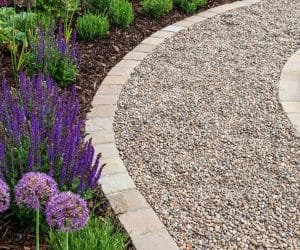
If you want your garden paths to look smooth and neat, learning how to roll near them is key. Rolling the soil or lawn correctly can prevent uneven surfaces and keep your garden paths clean and inviting.
But it’s easy to make mistakes that can damage your hard work or create bumps that spoil the look. You’ll discover simple, practical tips to roll near your garden paths like a pro. By the end, you’ll feel confident to tackle this task and make your garden paths stand out beautifully.
Keep reading to find out how!
Benefits Of Rolling Near Garden Paths
Rolling near garden paths helps keep the lawn smooth and healthy. It presses down soil and grass for a neat look.
This simple task supports the garden path and nearby plants. It also stops problems like soil moving away.
Improving Lawn Appearance
Rolling the lawn near garden paths makes grass even and tidy. It flattens bumps and helps grass grow better.
- Creates a smooth surface for walking
- Prevents uneven grass patches near paths
- Makes the lawn look well cared for
Preventing Soil Erosion
Soil near paths can wash away during rain. Rolling presses soil down and keeps it in place.
| Benefit | Effect |
| Compacted Soil | Reduces soil loss |
| Grass Roots | Hold soil firmly |
| Even Ground | Stops water runoff |
Enhancing Pathway Stability
Rolling near paths helps keep stones and bricks steady. It supports the edge and stops sinking or shifting.
- Prevents path edges from cracking
- Keeps walking surface level and safe
- Reduces repairs and maintenance needs
Credit: www.vevor.com
Choosing The Right Equipment
Rolling near garden paths helps keep your lawn smooth and even. Choosing the right equipment makes the job easier and safer.
Different lawn rollers work better for different yard sizes and soil types. Picking the right one saves time and effort.
Types Of Lawn Rollers
Lawn rollers come in several types. Some are filled with water or sand to add weight. Others are solid metal or plastic.
- Water-filled rollers are lighter when empty and easy to move.
- Sand-filled rollers are heavier and provide more pressure.
- Steel rollers are very heavy and work well on large lawns.
- Plastic rollers are lightweight but less durable.
Manual Vs. Motorized Options
Manual rollers need you to push or pull them. Motorized rollers have engines and move on their own.
Manual rollers are cheaper and good for small areas. Motorized rollers work best for big lawns or tough soil.
- Manual rollers are light and easy to store.
- Motorized rollers reduce physical effort.
- Motorized options cost more but save time.
- Choose based on your lawn size and budget.
Safety Features To Consider
Safety is important when using lawn rollers near paths. Look for features that protect you and your garden.
Check for secure handles, good grip, and stable wheels. These help prevent accidents and damage.
- Non-slip handles to keep a strong grip.
- Locking wheels to stop rolling on slopes.
- Weight controls to avoid too much pressure.
- Easy filling and emptying valves for water or sand.
Preparing Your Lawn And Path Edges
Rolling your lawn near garden paths helps keep the grass smooth and even. Proper preparation makes rolling easier and more effective.
Focus on clearing debris, checking moisture, and trimming grass before you start rolling. These steps protect your lawn and equipment.
Clearing Debris And Obstacles
Remove leaves, sticks, stones, and other debris from the lawn near your garden paths. These objects can block the roller and damage the grass.
- Rake the area thoroughly before rolling.
- Pick up any large stones or sticks by hand.
- Check for hidden obstacles like garden tools or toys.
- Clear edges where grass meets the path carefully.
Moisture Levels For Rolling
Check the soil moisture before rolling your lawn. The ground should be damp, not wet or dry.
| Soil Condition | Rolling Effectiveness | Risk to Lawn |
| Dry | Poor | Grass may break or tear |
| Damp | Good | Safe for grass and soil |
| Wet | Too heavy | Soil compaction and damage |
Trimming Grass Near Paths
Cut grass along the garden paths before rolling. Neatly trimmed edges prevent damage to the roller and improve lawn appearance.
- Use a string trimmer or edging tool along the path.
- Keep grass length even for a smooth roll.
- Remove any loose clippings before rolling.

Credit: www.amazon.com
Techniques For Rolling Near Garden Paths
Rolling your lawn near garden paths requires careful attention. Proper techniques help keep the grass even and the plants safe.
Use the right patterns and pressure to avoid damage. Follow these tips for a neat and healthy lawn edge.
Rolling Direction And Patterns
Rolling direction affects how smooth and even your lawn looks. Use consistent patterns to cover every area without missing spots.
- Roll parallel to the garden path for clean edges.
- Overlap passes slightly to avoid stripes.
- Change direction on each roll to prevent soil compaction.
- Use circular patterns in small areas near curves.
Managing Pressure Near Edges
Pressure control is key near garden edges to avoid soil damage. Reduce weight on the roller when close to plants and borders.
| Location | Pressure Level | Tip |
| Near Path Edge | Light | Lift roller slightly if possible |
| Middle Lawn | Medium | Apply normal pressure for smooth surface |
| Close to Plants | Very Light | Roll slowly to avoid soil disturbance |
Avoiding Damage To Plants And Borders
Protect your plants and borders by staying clear of them with your roller. Use tools and techniques to keep the roller on the grass only.
- Place wooden boards or edging strips to guide the roller.
- Roll slowly near flower beds to maintain control.
- Trim grass close to borders before rolling.
- Inspect the area after rolling for any signs of damage.
Timing And Frequency Of Rolling
Rolling near garden paths helps keep your lawn smooth and even. Knowing the right time and frequency to roll is important.
Rolling too often can damage the grass. Understanding when and how often to roll is key for a healthy lawn.
Best Seasons For Rolling
The best seasons for rolling are spring and fall. During these times, the soil is moist and soft.
Rolling in these seasons helps flatten the lawn without harming the grass. Avoid rolling in summer when the ground is hard.
- Spring: Soil is moist from melting snow
- Fall: Rain makes soil soft
- Avoid summer: Hard soil can hurt grass
Signs Your Lawn Needs Rolling
Look for uneven patches or bumps in your lawn. These are signs it might need rolling.
If your lawn feels bumpy when you walk, it may need attention. Rolling can help make it smooth again.
- Uneven patches or bumps
- Grass feels bumpy underfoot
- Puddles form after rain
Avoiding Over-rolling
Over-rolling can compact the soil too much. This makes it hard for roots to grow.
Roll only when necessary. Check the soil’s condition before deciding to roll.
- Check soil condition first
- Roll only when bumps appear
- Use light equipment to prevent damage
Post-rolling Lawn Care Tips
Rolling your lawn near garden paths helps create a smooth surface. After rolling, proper care keeps the grass healthy and paths intact.
These tips guide you on watering, fixing damage, and protecting your garden paths after rolling.
Watering And Fertilizing
Water your lawn gently after rolling. Keep the soil moist but not soaked to help grass roots grow strong.
Fertilize your lawn about two weeks after rolling. Use a balanced fertilizer to provide nutrients for new grass growth.
- Water early in the morning or late in the evening
- Avoid heavy watering to prevent soil compaction
- Apply fertilizer evenly across the lawn
- Follow fertilizer instructions for best results
Repairing Any Lawn Damage
Check your lawn for any damage after rolling. Look for bare spots or soil that is too compacted.
Fill bare spots with quality topsoil and reseed. Lightly roll the area again to keep it even.
- Remove debris from damaged areas
- Use grass seed suited for your climate
- Water repaired spots carefully to help seed grow
- Avoid walking on repaired areas until grass is strong
Maintaining Garden Path Integrity
Keep garden paths clear of soil and grass clippings after rolling. This prevents slipping and keeps paths looking neat.
Check edges of the lawn near paths. Trim grass and fix any soil that spills onto the paths to avoid damage.
- Sweep or blow off garden paths regularly
- Edge lawn borders to prevent grass overgrowth
- Repair any cracks or damage on the paths quickly
- Use mulch or stones to separate lawn and path areas
Common Mistakes To Avoid
Rolling near garden paths can improve the look of your garden. But, many people make mistakes that can harm their lawns.
Here are some common mistakes to watch out for when rolling your lawn.
Rolling On Dry Or Wet Soil
Rolling soil at the wrong moisture level is a common mistake. Rolling dry soil can compact it too much, making it hard for grass to grow.
On the other hand, rolling wet soil can lead to uneven surfaces. It might also damage the soil structure.
- Roll when soil is slightly moist
- Avoid rolling right after heavy rain
- Test soil by squeezing; it should crumble, not stick
Ignoring Slope And Drainage
Ignoring slope and drainage can cause water to collect in low areas. This can harm the grass and lead to patches.
Proper drainage is key to a healthy lawn. It prevents water from pooling and damaging your grass.
- Check for any slopes before rolling
- Ensure water flows away from paths
- Avoid rolling on steep slopes
Neglecting Lawn Health
Many people roll without thinking about lawn health. A healthy lawn requires regular care and attention.
Ignoring the health of your lawn can lead to poor growth. Ensure your lawn is well-fed and free of weeds before rolling.
- Fertilize your lawn before rolling
- Remove weeds regularly
- Check for pests that may damage grass

Credit: www.amazon.com
Frequently Asked Questions
How Do I Roll A Lawn Near Garden Paths?
Start by trimming grass edges near paths. Use a lawn roller in light passes to avoid damage. Roll in different directions for even compression. Avoid rolling when soil is too wet or dry to protect the turf.
What Type Of Roller Is Best Near Garden Paths?
A lightweight, water-filled lawn roller is ideal near garden paths. It offers enough pressure without harming delicate edges. Avoid heavy metal rollers that can damage soil and grass near paths. Choose a roller size suitable for your garden area.
When Is The Best Time To Roll Lawns By Paths?
Roll lawns near garden paths during early spring or fall. Soil moisture should be moderate, not too wet or dry. Rolling during these times helps improve soil contact and lawn health without stressing grass roots.
How Often Should I Roll The Lawn Near Paths?
Roll the lawn near paths once or twice a year. Over-rolling can compact soil and harm roots. Monitor lawn condition and roll only when you see uneven surfaces or after seeding for best results.
Conclusion
Rolling near garden paths helps keep your lawn smooth and healthy. Take time to roll gently and avoid damaging plants. Consistent care improves soil and grass growth over time. Use the right tools and follow safe steps for best results.
Small efforts lead to a neat and even garden space. Try these tips regularly to enjoy a beautiful, well-maintained yard. Simple actions make a big difference in garden health. Keep your paths clear and your lawn looking its best.
