
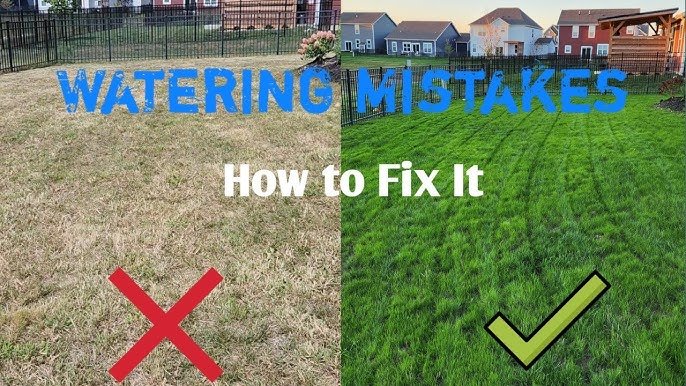
You’ve just finished aerating your lawn, and now you’re wondering how to water it properly. Getting this step right is crucial for your grass to recover quickly and grow strong.
If you water too little or too much, you could end up damaging all the hard work you’ve done. You’ll learn exactly when, how much, and how often to water your lawn after aeration. Follow these simple tips, and watch your lawn transform into the lush, green space you’ve been dreaming of.
Keep reading to make sure your lawn gets the best care it deserves!

Credit: lawnchick.com
Benefits Of Lawn Aeration
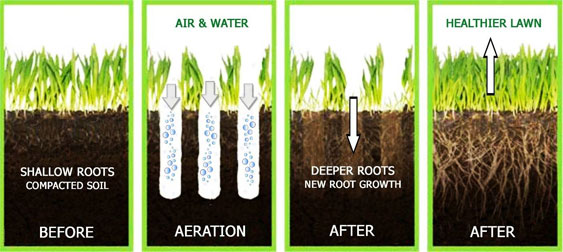
Lawn aeration helps your grass grow strong and healthy. It creates small holes in the soil to let air, water, and nutrients reach the roots.
This process improves soil conditions and helps your lawn recover from stress. It is a key step to keep your lawn green and thick.
Improved Soil Health
Aeration reduces soil compaction by loosening the ground. This allows roots to spread and grow deeper. Good soil health means your lawn can resist drought and pests better.
Enhanced Nutrient Absorption
Aeration helps fertilizers and nutrients reach the grass roots more easily. This leads to greener and stronger grass. Without aeration, nutrients stay on the surface and do not benefit the lawn fully.
- Fertilizers enter the soil faster
- Grass uses nutrients more efficiently
- Reduces waste of lawn products
Better Water Penetration
Aeration improves how water moves through the soil. Water reaches the roots instead of running off the surface. This saves water and helps grass survive dry periods.
| Before Aeration | After Aeration |
| Water pools on soil surface | Water soaks into soil quickly |
| Shallow root growth | Deep root growth |
| More dry spots | Less dry spots |
Credit: elementslawn.com
When To Water After Aeration
Watering your lawn after aeration helps the soil and grass recover. Proper watering ensures nutrients reach deep roots.
Knowing the right time to water prevents damage and promotes healthy growth. Timing depends on soil and weather conditions.
Timing For Immediate Watering
Water your lawn immediately after aeration. This helps settle the soil plugs back into the holes.
Immediate watering reduces stress on grass roots. It also helps nutrients soak deep into the soil.
- Start watering within 30 minutes after aeration
- Apply enough water to moisten the soil 4 to 6 inches deep
- Avoid overwatering to prevent waterlogging
Ideal Weather Conditions
Choose a cool, cloudy day to water after aeration. This reduces water loss from evaporation.
Avoid watering during hot, sunny, or windy days. These conditions dry out the soil quickly and stress the grass.
- Water early in the morning or late in the evening
- Ensure the soil stays moist but not soaked
- Check the weather forecast to avoid rain soon after watering
How Much Water To Use
Watering your lawn after aeration helps grass grow strong roots. Using the right amount of water is important for healthy soil.
Too little water will dry out the lawn. Too much water can cause problems like mold or shallow roots.
Determining The Right Amount
After aeration, water the lawn deeply but gently. Aim to soak the soil about 6 inches deep. This helps roots get enough moisture.
Use a rain gauge or small containers to measure how much water you apply. Usually, 0.5 to 1 inch of water is enough after aeration.
- Water early in the morning for best results
- Check soil moisture by digging a small hole
- Water slowly to prevent runoff and puddles
Avoiding Overwatering
Too much water can fill the holes made by aeration and block air flow. It can also cause roots to rot. Avoid watering your lawn every day.
Let the soil dry slightly between watering sessions. This keeps the lawn healthy and prevents fungus growth.
- Water only when the soil feels dry 1 to 2 inches below
- Stop watering if water pools on the lawn surface
- Adjust watering after rain to avoid excess moisture

Credit: landzie.com
Watering Techniques Post-aeration
Watering your lawn after aeration helps grass recover and grow strong roots.
Proper watering keeps soil moist and supports nutrient absorption in aeration holes.
Using Sprinklers Effectively
Sprinklers cover large areas evenly, making them ideal after aeration.
- Run sprinklers 2 to 3 times a day for 10 to 15 minutes each.
- Water early in the morning or late in the evening to reduce evaporation.
- Adjust sprinkler heads to avoid watering sidewalks or driveways.
- Ensure water penetrates at least 4 to 6 inches deep into the soil.
- Check sprinkler coverage regularly to prevent dry spots.
Hand Watering Tips
Hand watering is good for small lawns or hard-to-reach spots after aeration.
| Tip | Details |
| Use a watering can or hose with a spray nozzle | Control water flow and avoid overwatering. |
| Water slowly and evenly | Allow water to soak into the holes without runoff. |
| Focus on dry or compacted areas | Help these spots recover faster by adding extra moisture. |
| Water daily for the first week | Keep soil moist but not soggy to support root growth. |
| Check soil moisture with a finger test | Stop watering if soil feels damp a few inches down. |
Frequency Of Watering
Watering your lawn after aeration is important for healthy grass growth. The right frequency helps the roots grow deep and strong.
Knowing how often to water depends on many things. This guide will explain daily versus weekly watering and how grass type affects watering needs.
Daily Vs. Weekly Watering
After aeration, watering daily helps keep the soil moist. This supports seed germination and root growth.
Weekly watering means giving the lawn a deep soak once or twice a week. It encourages roots to grow deeper into the soil.
- Daily watering keeps the topsoil moist but may cause shallow roots.
- Weekly watering promotes stronger roots but needs more water each time.
- Newly aerated lawns often need daily watering for the first week.
- After the first week, switch to weekly deep watering for best results.
Adjusting Based On Grass Type
Different grass types need different watering schedules. Cool-season grasses and warm-season grasses react differently after aeration.
Cool-season grasses like Kentucky bluegrass need more frequent watering. Warm-season grasses like Bermuda grass can handle less frequent watering.
- Cool-season grass: Water daily for 7-10 days, then weekly deeply.
- Warm-season grass: Water daily for 3-5 days, then weekly deeply.
- Adjust watering if weather is very hot or dry.
- Watch the lawn for signs of overwatering or drought stress.
Signs Of Proper Hydration
After aerating your lawn, watering is crucial. Proper hydration helps grass grow strong. Look for signs to know if your lawn is well-watered.
Observing grass and soil conditions will guide you. These signs ensure your lawn receives enough water.
Grass Color And Texture
Healthy grass is a vibrant green. It should look lush and feel soft. If grass is dull or yellow, it needs more water.
Texture is also important. Well-watered grass feels smooth. Crunchy or dry grass indicates a lack of moisture.
- Bright green means enough water
- Yellow hints at dryness
- Soft texture shows hydration
- Crunchy texture means it’s too dry
Soil Moisture Levels
Check soil moisture to ensure proper hydration. Stick your finger into the soil. It should feel damp, not soggy or dry.
Moist soil supports root growth. Dry soil can harm grass roots. Overly wet soil can lead to diseases.
| Moisture Level | Condition |
| Damp | Ideal |
| Dry | Needs water |
| Soggy | Too much water |
Common Mistakes To Avoid
Aeration helps your lawn breathe and grow better. But watering right is crucial after aeration. Avoiding common mistakes can keep your lawn healthy.
Here’s how to water your lawn correctly after aeration, and what pitfalls to steer clear of.
Watering Too Soon Or Late
Timing is key when watering after aeration. Watering too soon can wash away the soil and seeds. This can prevent the lawn from growing well.
Watering too late can dry out the soil. This makes it hard for grass to take root. It’s best to water within a day after aeration.
- Water within 24 hours of aeration
- Avoid watering immediately after aeration
- Keep soil moist but not soggy
Ignoring Weather Changes
Weather plays a big role in lawn care. Ignoring weather changes can harm your lawn. If it rains, you might not need to water at all.
Hot and dry weather means you need to water more. Pay attention to the forecast to adjust your watering schedule.
- Check the weather before watering
- Reduce watering if rain is expected
- Increase watering during hot, dry spells
Additional Care Tips After Aeration
Aeration helps your lawn breathe and grow better roots. After aeration, proper care is very important.
These tips will help you keep your lawn healthy and green after aeration.
Fertilizing Strategies
Fertilizing after aeration gives your lawn the nutrients it needs. It helps grass grow strong and thick.
- Use a slow-release fertilizer for steady feeding.
- Apply fertilizer when the soil is moist to reduce burning risk.
- Follow the recommended amount on the fertilizer label.
- Water the lawn lightly after fertilizing to help nutrients soak in.
Mowing Recommendations
Proper mowing after aeration keeps your lawn healthy and neat. Avoid cutting too short to prevent stress.
| Time After Aeration | Mowing Height | Tips |
|---|---|---|
| First 2 weeks | Higher than usual (3-4 inches) | Avoid heavy mowing; let grass recover |
| After 2 weeks | Normal height (2.5-3 inches) | Mow regularly but don’t remove more than one-third of blade |
| Ongoing | Consistent height | Keep mower blades sharp for clean cuts |
Frequently Asked Questions
How Soon Should I Water Lawn After Aeration?
Water your lawn within 24 hours after aeration to help soil settle. This promotes better nutrient absorption and faster recovery.
How Much Water Does Lawn Need Post-aeration?
Apply about 1 inch of water per week after aeration. This keeps soil moist but avoids overwatering, encouraging healthy root growth.
Can I Overwater My Lawn After Aeration?
Yes, overwatering can cause soil compaction and root rot. Water moderately to maintain balanced moisture and promote lawn health.
Should I Adjust Watering Schedule After Lawn Aeration?
Yes, reduce watering frequency initially as aeration improves soil moisture retention. Gradually return to normal watering as grass recovers.
Conclusion
Watering your lawn right after aeration helps grass grow strong. Keep the soil moist but not soaked. Water deeply to reach roots and fill holes. Avoid watering too much to prevent disease. Regular watering supports healthy, green grass all season.
Follow these steps for a lush lawn after aeration. Your lawn will thank you with better growth and color. Simple care makes a big difference in lawn health.
