
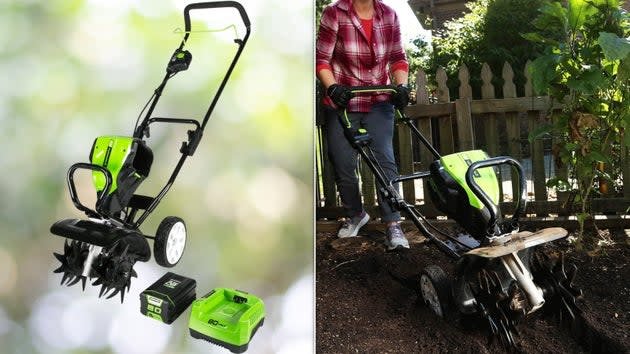
Are you struggling to decide between a garden tiller and a cultivator for your outdoor space? Choosing the right tool can make a huge difference in how easy and enjoyable your gardening becomes.
Whether you want to prepare new soil, maintain your flower beds, or keep your vegetable patch healthy, understanding which machine suits your needs is key. Keep reading, and you’ll discover which tool will save you time, effort, and help your garden thrive like never before.
Credit: gardening.org
Garden Tillers Explained
Garden tillers are tools used to prepare soil for planting. They break up hard ground and mix in nutrients.
Using a tiller can save time and effort compared to manual digging. They help create a good seedbed for plants.
Types Of Garden Tillers
There are different types of garden tillers to suit various needs. Choosing the right one depends on your garden size and soil type.
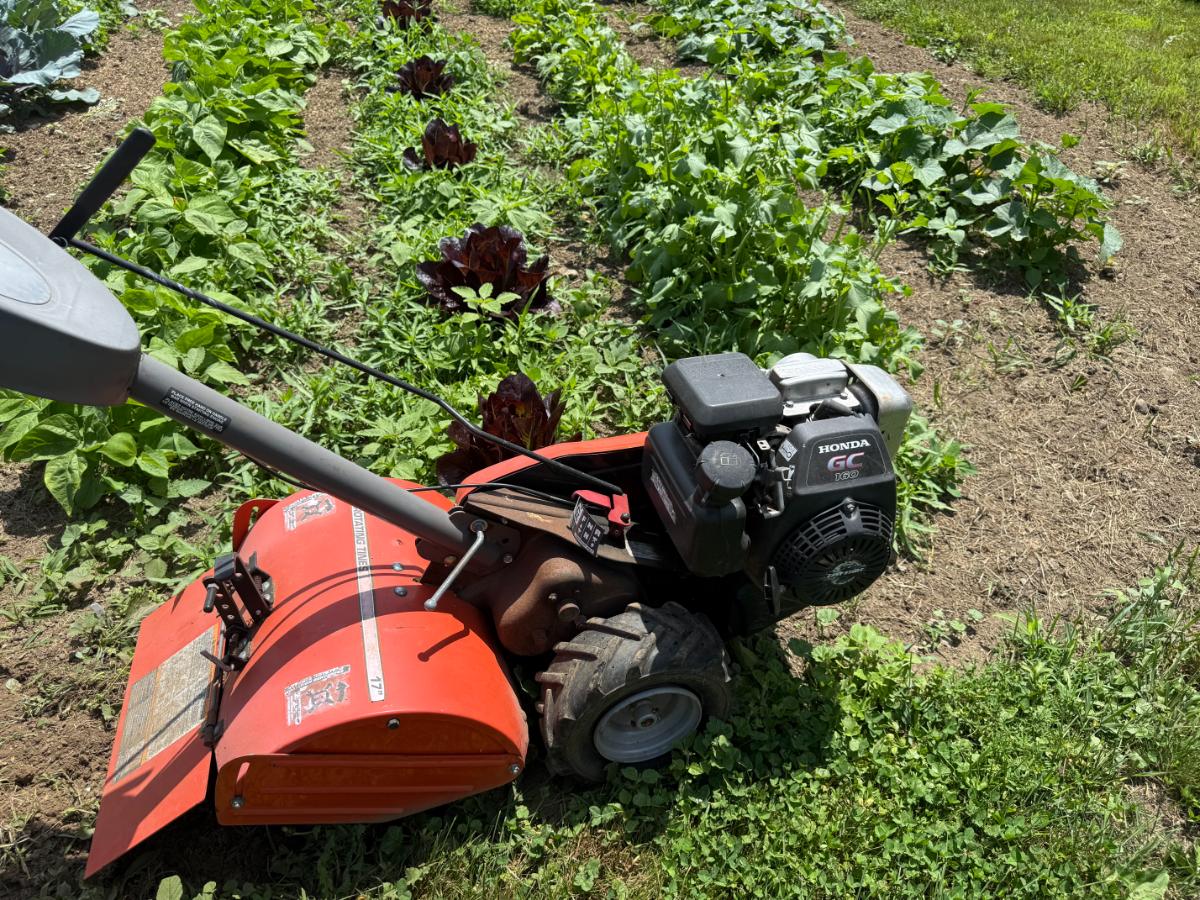
- Front-tine tillers:Tines are in front of the wheels. Good for light soil and small gardens.
- Rear-tine tillers:Tines are behind the wheels. Best for heavy soil and large areas.
- Cordless electric tillers:Lightweight and easy to use. Ideal for small gardens and raised beds.
- Gas-powered tillers:Powerful and good for tough soil. Suitable for big gardens and heavy work.
How Tillers Work
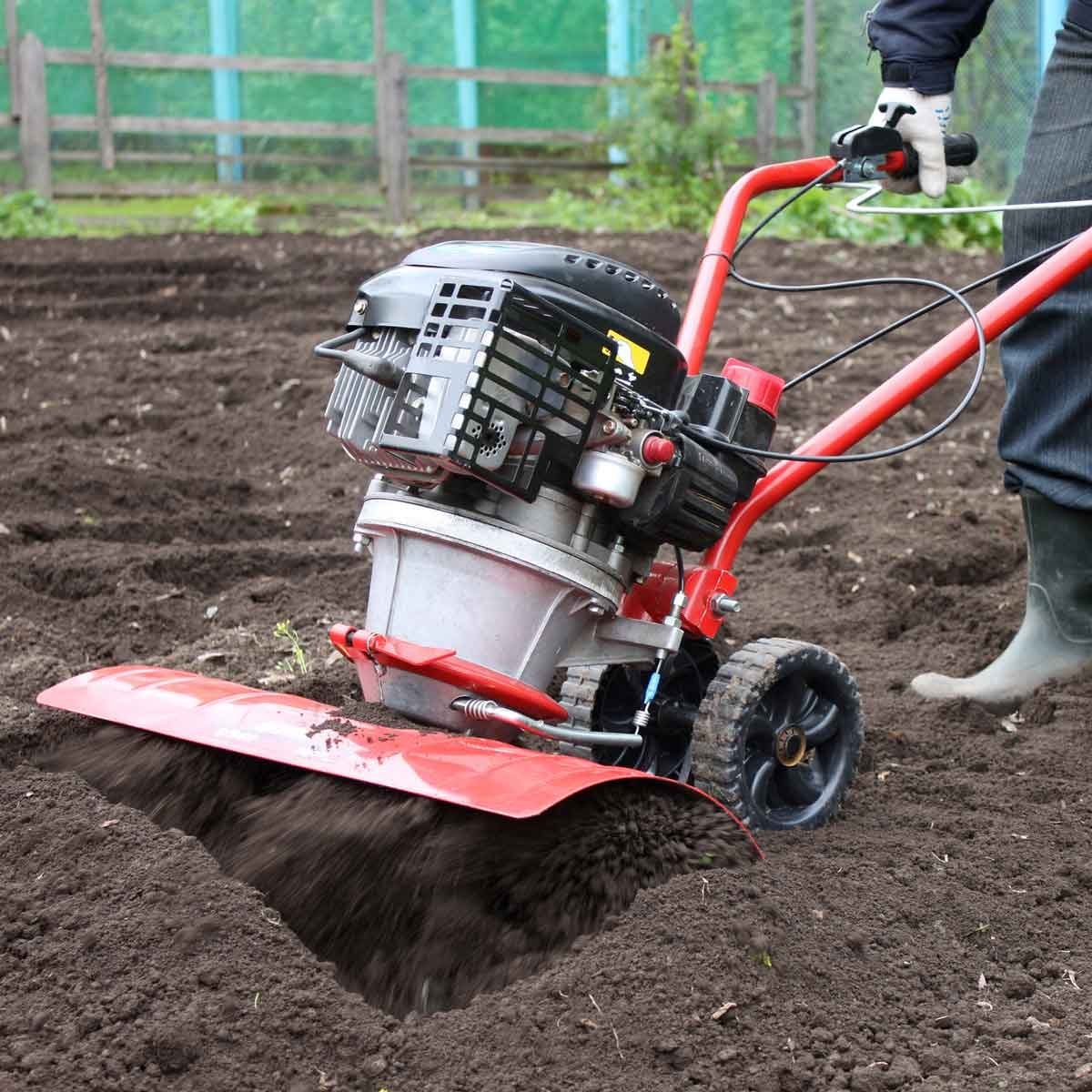
Tillers use rotating blades called tines to dig into the soil. They turn over the ground to break it into smaller pieces.
The tines spin and move the soil while the wheels help push the machine forward. This action loosens the soil and mixes in organic matter.
Common Uses For Tillers
Tillers are useful for many gardening tasks. They help prepare soil before planting and keep it healthy during the growing season.
- Breaking new ground for garden beds
- Mixing compost or fertilizer into the soil
- Loosening compacted soil to improve drainage
- Weed control by turning under small plants
- Refreshing old garden beds for new planting
Credit: www.patelagroindustries.com
Cultivators In Detail
Cultivators are tools used to prepare soil for planting. They help break up hard soil and remove weeds.
These machines are smaller and lighter than garden tillers. They offer good control for garden care.
Different Cultivator Varieties
Cultivators come in many types. Each type fits different gardening needs and soil types.
- Handheld cultivators: Small, easy to use by hand for light soil work.
- Electric cultivators: Powered by electricity, good for small to medium gardens.
- Gas-powered cultivators: Stronger machines for larger gardens and tougher soil.
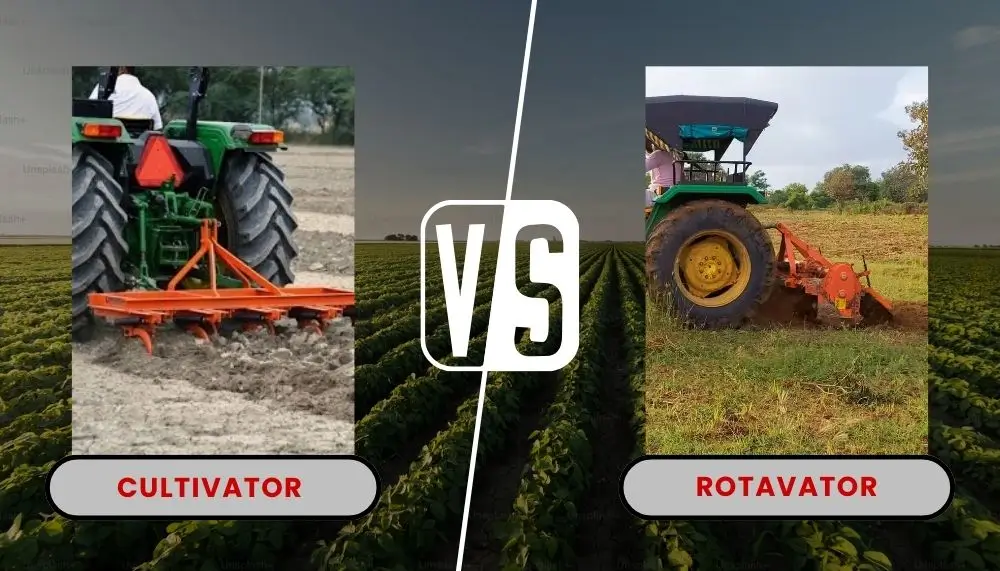
- Tow-behind cultivators: Attach to tractors, used for large farm fields.
Functionality Of Cultivators
Cultivators loosen soil by turning it gently. This helps air and water reach plant roots.
They also mix fertilizer and remove weeds without harming crops. Their blades work close to plants.
- Breaking up compacted soil
- Weeding between rows of plants
- Mixing soil amendments like compost or fertilizer
- Preparing seed beds for planting
Typical Applications
Home gardeners use cultivators for small to medium gardens. They keep soil healthy and ready.
Farmers use larger cultivators for crop fields. They help control weeds and improve soil quality.
- Preparing garden beds before planting
- Weeding around growing plants
- Mixing soil with compost or fertilizer
- Maintaining soil in vegetable or flower gardens
Key Differences Between Tillers And Cultivators
Tillers and cultivators are tools used for working the soil in gardens. They help prepare the ground for planting. Both tools look similar but serve different purposes.
Understanding their differences helps you choose the right tool for your garden needs. This guide explains how they vary in design, soil work, power, and size.
Design And Build
Tillers are built with large, strong tines that dig deep into the soil. They usually have wide wheels to support heavy use. This design lets them break hard soil and mix in organic matter.
Cultivators have smaller, lighter tines. They are made for shallow work like stirring soil around plants. Their design focuses on easy maneuvering in tight spaces.
- Tillers have deep digging tines
- Cultivators have shallow stirring tines
- Tillers are heavier and wider
- Cultivators are lighter and smaller
Soil Preparation Capabilities
Tillers break up hard soil and prepare large areas for planting. They turn the soil deeply to improve airflow and water flow. This helps plants grow strong roots.
Cultivators are good for loosening soil near plants. They remove weeds and mix soil without disturbing roots. Cultivators work best for small garden beds and rows.
- Tillers dig deep to prepare new garden beds
- Cultivators loosen soil around growing plants
- Tillers mix in compost and nutrients well
- Cultivators control weeds in small spaces
Power And Size Comparison
Tillers use more power because they work deeply and cover large areas. They come in gas and electric models with strong engines. Their size suits bigger gardens and farms.
Cultivators have smaller engines or motors. They need less power since they work on soft soil near plants. Their compact size fits small gardens and pots.
| Tool | Power | Size | Best For |
|---|---|---|---|
| Tiller | High power engines | Large and heavy | Big gardens, new beds |
| Cultivator | Lower power motors | Small and light | Small gardens, close to plants |
Credit: www.familyhandyman.com
Performance In Various Soil Types
Garden tillers and cultivators both work to prepare soil for planting. They perform differently depending on the soil type. Understanding their strengths helps choose the right tool.
This section looks at how each tool handles hard soil, loose soil, and rocky or root-filled soil.
Handling Hard Soil
Hard soil is compact and tough to break. A garden tiller usually works better here. It digs deeper and breaks up tough ground.
Cultivators are less powerful and may struggle to penetrate hard soil. They work best for light digging after the soil is loose.
Working With Loose Soil
Loose soil is easier to work with. Cultivators perform well in this soil type. They mix and aerate soil without overworking it.
Tillers can also work in loose soil but may disturb the soil too much. Cultivators give better control for fine soil preparation.
Managing Rocky Or Root-filled Soil
Rocky or root-filled soil can damage tools. Cultivators handle these conditions better. They are lighter and easier to lift over obstacles.
Tillers can get stuck or damaged by rocks and roots. Use tillers carefully in such soil to avoid problems.
- Cultivators are safer with rocks and roots
- Tillers dig deeper but need caution
- Clear large rocks before tilling if possible
Ease Of Use And Maneuverability
Garden tillers and cultivators help prepare soil for planting. Each has unique features that affect ease of use and maneuverability.
Understanding these differences helps gardeners choose the right tool for their needs. Let’s explore how weight, handling, controls, and safety differ between them.
Weight And Handling
Garden tillers are usually heavier than cultivators. This weight helps them dig deeper into the soil but can make them harder to handle.
Cultivators are lighter and easier to move. They work best for small gardens and light soil tasks.
- Tillers: Heavy, deep digging
- Cultivators: Light, easy to move
Control Features
Tillers often have more control features, like adjustable depth settings. These features help in handling different soil types.
Cultivators usually have simpler controls. This simplicity makes them easier for beginners to use.
- Tillers: Advanced control features
- Cultivators: Simple, easy controls
Safety Considerations
Using a tiller requires caution due to its power and size. Users must follow safety guidelines to prevent accidents.
Cultivators are generally safer due to their smaller size and less power. They are a good choice for novice gardeners.
- Tillers: Follow safety guidelines
- Cultivators: Safer for beginners
Maintenance And Durability
Garden tillers and cultivators help prepare soil for planting. Both need care to last long and work well.
Understanding how to maintain these tools and their durability helps you choose the right one.
Routine Maintenance Tips
Keep your garden tiller or cultivator clean after every use. Remove dirt and debris to stop rust.
Check the oil and fuel levels if your tool has an engine. Change oil as needed to protect the motor.
- Clean tines and blades after use
- Inspect and tighten loose bolts
- Sharpen blades regularly
- Store tools in a dry place
- Lubricate moving parts
Common Wear And Tear Issues
Tines and blades wear out from hitting rocks and hard soil. This reduces their cutting power.
Engines can overheat or stall if not maintained. Fuel lines and filters may clog over time.
- Worn or bent tines
- Loose or damaged belts
- Engine starting problems
- Rust on metal parts
- Cracked or broken handles
Longevity Of Each Tool
Garden tillers usually last longer because they have stronger engines and parts. They handle tough soil well.
Cultivators are lighter and less durable. They work best in soft soil and small gardens.
| Tool | Average Lifespan | Durability Notes |
|---|---|---|
| Garden Tiller | 8-15 years | Built for heavy work and tough soil |
| Cultivator | 4-8 years | Better for light soil and small areas |
Cost And Value Comparison
Choosing between a garden tiller and a cultivator depends on costs and value. Both tools help with soil work but differ in price and use.
Understanding the costs helps you decide which tool fits your budget and gardening needs best.
Initial Investment
Garden tillers usually cost more than cultivators at the start. Tillers have bigger engines and stronger parts.
Cultivators are smaller and simpler, so they have a lower purchase price.
- Garden tiller price range: $300 to $1000
- Cultivator price range: $150 to $600
- Tillers fit larger gardens and tougher soil
- Cultivators suit small gardens and lighter tasks
Operating Costs
Operating costs include fuel, maintenance, and repairs. Tillers often use more fuel due to bigger engines.
Cultivators use less fuel and cost less to maintain. Their smaller parts are cheaper to replace.
- Tiller fuel consumption is higher
- Cultivators need less fuel and oil
- Maintenance costs for tillers are usually higher
- Cultivators have fewer parts to fix
Long-term Value
Garden tillers offer strong performance for big jobs, making them good for long-term use. They last well with proper care.
Cultivators work well for small gardens but may not last as long under heavy use. They are easier to store and handle.
- Tillers suit heavy, regular garden work
- Cultivators are best for light, occasional use
- Both need cleaning and oil changes to last
- Choose based on garden size and work needed
Choosing The Right Tool For Your Garden
Picking the right tool for gardening can be tricky. You need to know your garden’s needs.
Garden tillers and cultivators are both great. But which one is best for you?
Garden Size And Soil Conditions
Think about the size of your garden. Also, consider the type of soil you have.
- For large gardens, a tiller is useful.
- For small gardens, a cultivator may be enough.
- Sandy soil is easy to work with a cultivator.
- Hard soil might need a strong tiller.
Type Of Gardening Tasks
Different tasks need different tools. Know what tasks you will do often.
| Task | Best Tool |
| Breaking new ground | Tiller |
| Mixing soil and fertilizer | Cultivator |
| Weeding | Cultivator |
Budget And Personal Preferences
Think about how much you want to spend. Also, think about what you like to use.
- Electric tools are quiet but need a power source.
- Gas tools are strong but can be noisy and heavy.
- Manual tools are cheap but need more effort.
Frequently Asked Questions
What Is The Main Difference Between A Tiller And Cultivator?
A garden tiller breaks up hard soil deeply, preparing new ground. A cultivator mixes and aerates soil in existing beds. Tillers are stronger and used for initial soil prep. Cultivators are lighter, ideal for maintenance and weed control.
Which Tool Is Better For Breaking New Ground?
A garden tiller is better for breaking new ground. It penetrates deeply and loosens compacted soil efficiently. Cultivators are not designed for hard or untouched soil. Use tillers for initial garden preparation.
Can A Cultivator Handle Large Garden Areas?
Cultivators are best for small to medium garden areas. They are lightweight and easy to maneuver. For large or tough soil, a tiller is more efficient and faster.
Are Garden Tillers More Expensive Than Cultivators?
Generally, garden tillers cost more due to their power and size. Cultivators are smaller and less costly. Choose based on your garden size and budget.
Conclusion
Choosing between a garden tiller and a cultivator depends on your needs. Tillers dig deeper and break tough soil well. Cultivators work best for light soil and weed control. Both tools help prepare your garden for planting. Think about your garden size and soil type.
Use the right tool to save time and effort. Your garden will thank you with better growth and health. Simple tools, smart use. That’s the key to a happy garden.
