
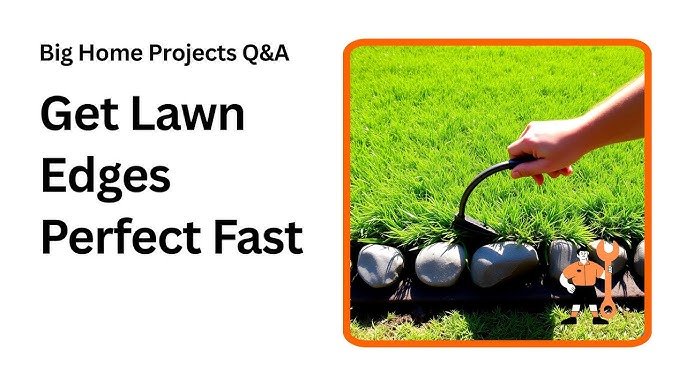
Are you tired of your lawn looking messy, even after all the hard work you put into it? One simple step that many homeowners overlook is proper lawn edging.
But beware—there are common mistakes that can ruin the clean, sharp look you want. If you’ve ever wondered why your lawn edges don’t stay neat or why weeds keep creeping in, you’re about to discover the surprising errors that might be holding you back.
Keep reading to learn how to avoid these pitfalls and make your lawn the envy of the neighborhood.

Credit: www.familyhandyman.com
Choosing The Wrong Material
Picking the right material for lawn edging is important. The wrong choice can cause problems later.
Materials differ in strength, look, and how long they last. Knowing the options helps you avoid mistakes.
Plastic Vs Metal Edging
Plastic edging is easy to install and usually cheaper. It bends easily but may break in cold weather.
Metal edging is stronger and holds shape well. It is harder to install and can rust if not cared for.
- Plastic is flexible but less durable
- Metal is sturdy but harder to work with
- Plastic may fade or crack in sun
- Metal can rust without protection
Durability Concerns
Some materials wear out quickly. This means you may replace them often, costing more time and money.
Metal usually lasts longer but may need rust protection. Plastic can break from lawn tools or cold weather.
- Plastic may crack or warp over time
- Metal can rust if not coated
- Both need proper installation to last
- Check product reviews for durability info
Aesthetic Impact
Material choice affects how your lawn looks. Plastic may look cheap or fade quickly in sun.
Metal edging gives a clean, sharp look. It suits modern or formal garden styles better than plastic.
- Plastic often comes in dark or green colors
- Metal can be painted or left natural
- Metal edges look thinner and neater
- Consider your garden style when choosing

Credit: www.youtube.com
Improper Installation Techniques
Lawn edging adds a neat border between your lawn and garden beds. Installing it the right way keeps your yard looking tidy. Many homeowners make mistakes that hurt the edging’s look and function.
Learning common installation errors helps you avoid them. This guide covers three key mistakes and how they affect your lawn edging.
Incorrect Depth Placement
Setting lawn edging too shallow or too deep causes problems. If it is too shallow, it can easily move or get damaged. Too deep, and it may block grass growth or water flow.
- Shallow placement risks shifting during mowing.
- Deep placement can trap water and harm roots.
- Proper depth keeps edging stable and healthy.
Uneven Edging Lines
Uneven lawn edging lines look messy and unprofessional. They can also cause tripping hazards or lawn mower damage. Careful measuring and steady placement prevent this problem.
| Problem | Effect |
| Wavy lines | Lawn looks untidy |
| Gaps between edges | Grass grows over edging |
| Uneven height | Tripping risk and mower damage |
Ignoring Soil Preparation
Skipping soil prep leads to poor edging hold and shifting. Soft or rocky soil makes installation harder. Proper soil work ensures the edging stays firm and straight.
- Clear grass and debris from the area.
- Loosen soil to create a smooth trench.
- Remove rocks and roots that block placement.
- Compact soil after placing edging for stability.
Neglecting Maintenance
Many homeowners install lawn edging but forget to care for it. Neglecting maintenance leads to problems that hurt your lawn’s look.
Regular attention keeps edging neat and protects your yard from damage. Skipping this causes avoidable issues over time.
Weed Growth Along Edges
Weeds grow fast near lawn edges if you do not keep the area clear. They spoil the clean lines and compete with grass for nutrients.
- Pull weeds by hand regularly
- Use mulch to block weed seeds
- Apply weed control products carefully
- Trim edges to prevent weed spread
Damaged Or Shifted Edging
Edging materials can move or break if not checked often. This causes uneven borders and can let grass or soil spill over.
| Common Damage | Effect |
| Cracked plastic or metal | Uneven edges, sharp parts |
| Shifted stones or bricks | Gaps and soil erosion |
| Loose stakes or pins | Edging moves out of place |
Seasonal Care Tips
Each season needs special care to protect lawn edging. Ignoring seasonal tasks can shorten edging life and spoil your yard’s look.
Seasonal maintenance includes:
- Spring: Clean debris and check for winter damage
- Summer: Water edges and control weeds
- Fall: Remove leaves and prepare for frost
- Winter: Protect edging from heavy snow or ice

Credit: appllc.org
Overlooking Lawn Design
Many homeowners make mistakes by ignoring their lawn design when edging. Lawn edging needs to match the overall look of the yard. Without this, the lawn may look unbalanced or awkward.
Planning lawn edging involves more than just placing borders. It requires thinking about style, plant growth, and future changes.
Mismatch With Landscape Style
Choosing edging that does not fit the landscape style can ruin the yard’s appearance. A modern yard needs clean, simple edges. A natural garden looks better with curved, soft borders.
Matching edging with style helps create a smooth, attractive flow. It ties together plants, paths, and lawn areas.
Ignoring Plant Growth Patterns
Plants grow in different ways. Some spread wide, others grow tall. Ignoring these patterns causes plants to push past the edging or crowd the space.
Consider how each plant will grow when placing edging. This keeps the lawn neat and prevents damage.
- Allow space for plants that spread out
- Use taller edging for plants that grow high
- Keep edging clear of root zones to avoid damage
Failing To Plan For Expansion
Lawns and gardens often change over time. Adding new plants or features is common. Without planning for growth, edging may need to be removed or rebuilt.
Plan edging with future changes in mind. Leave room to expand beds or add new areas without ruining the design.
- Design flexible edging shapes
- Use materials that are easy to move
- Mark boundaries clearly for future reference
Using Edging As A Barrier For Roots
Many homeowners use lawn edging to keep roots away from certain areas. They think it helps stop root growth under sidewalks or patios. This is a common mistake that can harm plants and soil health.
Using edging as a root barrier can cause problems with trees and shrubs. It can also stop roots from growing naturally. Understanding these effects helps you care for your lawn better.
Impact On Tree And Shrub Health
Roots need space to grow and find water and nutrients. When edging blocks roots, trees and shrubs may suffer. They might get weak or stop growing well.
Restricted roots can cause plants to become stressed. Stress makes plants more open to disease and pests. This reduces the life and beauty of your garden.
Root Growth Restrictions
Edging materials often create a hard barrier underground. Roots cannot pass through this barrier easily. This limits root spread and growth under the surface.
Roots may grow in unhealthy directions or become crowded. This can lead to poor soil stability and less water absorption. Plants may not get enough nutrients to thrive.
- Roots stop growing past edging barriers
- Roots may circle and strangle plants
- Soil can become compacted near edges
- Water and nutrients may not reach roots
Alternatives To Root Barriers
You can protect your lawn without blocking roots. Use natural methods that let roots grow freely. This keeps plants healthy and soil strong.
- Plant root-friendly shrubs and ground covers
- Use mulch to control weeds and moisture
- Install flexible edging that does not block roots
- Choose plants suited for your soil and space
Frequently Asked Questions
What Are Common Lawn Edging Mistakes Homeowners Make?
Common mistakes include improper edging depth, using wrong tools, neglecting maintenance, and ignoring design flow. These errors cause uneven borders and damage grass. Correct techniques ensure clean, lasting edges and enhance lawn appearance.
How Deep Should Lawn Edging Be Installed?
Lawn edging should be installed 4 to 6 inches deep. This depth prevents grass roots from crossing and keeps edging stable. Proper depth ensures neat, defined borders that last through seasons and lawn care routines.
Can Improper Lawn Edging Harm My Grass?
Yes, improper edging can damage grass roots and cause brown patches. Cutting too deep or using heavy tools can stress turf. Correct edging protects grass health while maintaining clean lawn boundaries.
How Often Should I Maintain My Lawn Edging?
Maintain lawn edging every 4 to 6 weeks during the growing season. Regular trimming and cleaning prevent overgrowth and soil buildup. Consistent care keeps edges sharp and lawn looking tidy.
Conclusion
Avoiding common lawn edging mistakes helps keep your yard neat and healthy. Clear lines and proper tools make a big difference. Take your time and plan before you start cutting. Small errors can cause extra work later. A well-edged lawn boosts your home’s look and feel.
Remember, patience and care lead to the best results. Keep your edges sharp, and your grass will thank you. Simple steps can save you from frustration and extra costs. Start fresh, work smart, and enjoy your beautiful lawn every day.
