

Have you ever noticed your lawn looking tired, patchy, or just not as green as it should be? The secret to a healthy, vibrant yard might be simpler than you think—proper aeration.
But how often should you aerate your yard to keep it thriving? Getting this right can save you time, money, and frustration while transforming your lawn into the lush space you deserve. Keep reading to discover exactly when and why you should aerate, so your yard stays strong all year round.
Benefits Of Yard Aeration
Aerating your yard means making small holes in the soil. This helps air, water, and nutrients reach grass roots.
Regular aeration improves the overall health of your lawn. It helps grass grow strong and green.
Improved Soil Health
Aeration breaks up compacted soil. This lets roots grow deeper and stronger.
It also increases the activity of helpful soil organisms. These organisms keep soil healthy and rich.
Enhanced Nutrient Absorption
When soil is loose, nutrients can reach roots easier. Aeration helps the grass get more food.
Better nutrient absorption means grass grows thicker and stays green longer.
Better Water Penetration
Aeration allows water to soak into the soil faster. This reduces water runoff and puddles.
Improved water penetration helps grass survive dry spells and stay healthy all year.
Signs Your Lawn Needs Aeration
Aerating your yard helps keep grass healthy. It lets air, water, and nutrients reach the roots better.
Knowing when to aerate can be tricky. Watch for clear signs that your lawn needs it.
Compacted Soil Symptoms
Compacted soil is hard and dense. It stops roots from growing deep and strong.
You may notice the ground feels firm when you walk on it. Grass may look weak or thin.
- Soil feels hard to dig or poke
- Grass roots are shallow
- Grass looks dull or stunted
Water Pooling Issues
Water pooling means water stays on top of the soil after rain or watering. It shows poor drainage.
Pooling water can kill grass and cause weeds. Aeration helps water soak into the soil better.
- Visible puddles after rain
- Soil stays wet for a long time
- Grass turns yellow or brown in spots
Thinning Grass Patches
Thinning grass means some areas have fewer or no grass blades. The lawn looks patchy and uneven.
Thin patches often happen because roots don’t get enough air and nutrients. Aeration can fix this.
- Grass grows unevenly
- Brown or bare spots appear
- Grass feels weak or fragile
Ideal Aeration Frequency
Aerating your yard helps grass roots get air, water, and nutrients. It reduces soil compaction and improves lawn health. Knowing how often to aerate is important for best results.
The right frequency depends on the season, grass type, and soil type. This guide explains each factor to help you plan aeration properly.
Seasonal Recommendations
Aerate your lawn during the growing season to help recovery. For cool-season grasses, early fall or spring is best. Warm-season grasses do well with late spring or early summer aeration.
- Cool-season grasses: Aerate once or twice a year in fall or spring.
- Warm-season grasses: Aerate once a year in late spring or early summer.
- Avoid aerating during extreme heat or drought.
Grass Type Considerations
Different grass types have different aeration needs. Cool-season grasses grow mostly in cooler months. Warm-season grasses grow in hot months. Each type reacts to aeration differently.
| Grass Type | Aeration Frequency | Best Time to Aerate |
| Kentucky Bluegrass | Once or twice a year | Early Fall or Spring |
| Fescue | Once or twice a year | Early Fall or Spring |
| Bermuda Grass | Once a year | Late Spring or Early Summer |
| Zoysia Grass | Once a year | Late Spring or Early Summer |
Soil Type Impact
Soil type affects how often you should aerate. Clay soils get compacted easily and need more frequent aeration. Sandy soils drain well and need less aeration.
Here is a simple guide to aeration frequency by soil type:
- Clay Soil:Aerate 2 times a year to reduce compaction.
- Loamy Soil:Aerate once a year for balanced conditions.
- Sandy Soil:Aerate once every 1-2 years as needed.

Credit: www.youtube.com
Choosing The Right Aeration Method
Aerating your yard helps grass grow strong and healthy. Choosing the right method depends on your lawn’s needs and your budget.
This guide explains the differences between core aerators and spike aerators. It also covers whether to do it yourself or hire a professional.
Core Aerators Vs Spike Aerators
Core aerators remove small plugs of soil from your yard. This helps air, water, and nutrients reach the roots better.
Spike aerators use solid spikes to poke holes in the soil. They do not remove soil but create small openings for air and water.
| Feature | Core Aerators | Spike Aerators |
| Soil Removal | Yes, removes plugs of soil | No, just pokes holes |
| Best For | Compacted or thick soil | Lightly compacted soil |
| Effectiveness | More effective at improving soil health | Less effective, may compact soil more |
| Cost | Usually higher | Usually lower |
Diy Vs Professional Services
You can aerate your yard yourself or hire a professional. Each choice has benefits and drawbacks.
- DIY Aeration:Saves money. Requires renting or buying equipment. Needs physical effort.
- Professional Services:Experts use proper tools. Saves time and effort. Costs more money.
Consider your budget, time, and lawn size before deciding. Professionals can advise on the best method for your yard.
Best Practices For Aerating Your Yard
Aerating your yard helps grass roots get air, water, and nutrients. This keeps your lawn healthy and green.
Knowing how and when to aerate can improve your soil and lawn condition. Follow these best practices for good results.
Timing Aeration Correctly
The best time to aerate depends on your grass type. Cool-season grasses do well in early spring or fall. Warm-season grasses should be aerated in late spring or early summer.
- Aerate during the growing season for your grass.
- Do not aerate during drought or extreme heat.
- Wait to aerate after heavy rain, so soil is moist but not soggy.
Preparing Your Lawn
Before aerating, mow your lawn to a short height. Remove any debris like sticks or leaves. Water your lawn lightly one day before aeration to soften the soil.
| Task | Reason |
|---|---|
| Mow lawn short | Allows aerator to reach soil easily |
| Clear debris | Prevents blockages in aerator |
| Water lawn lightly | Soil softens for better aeration |
Post-aeration Care
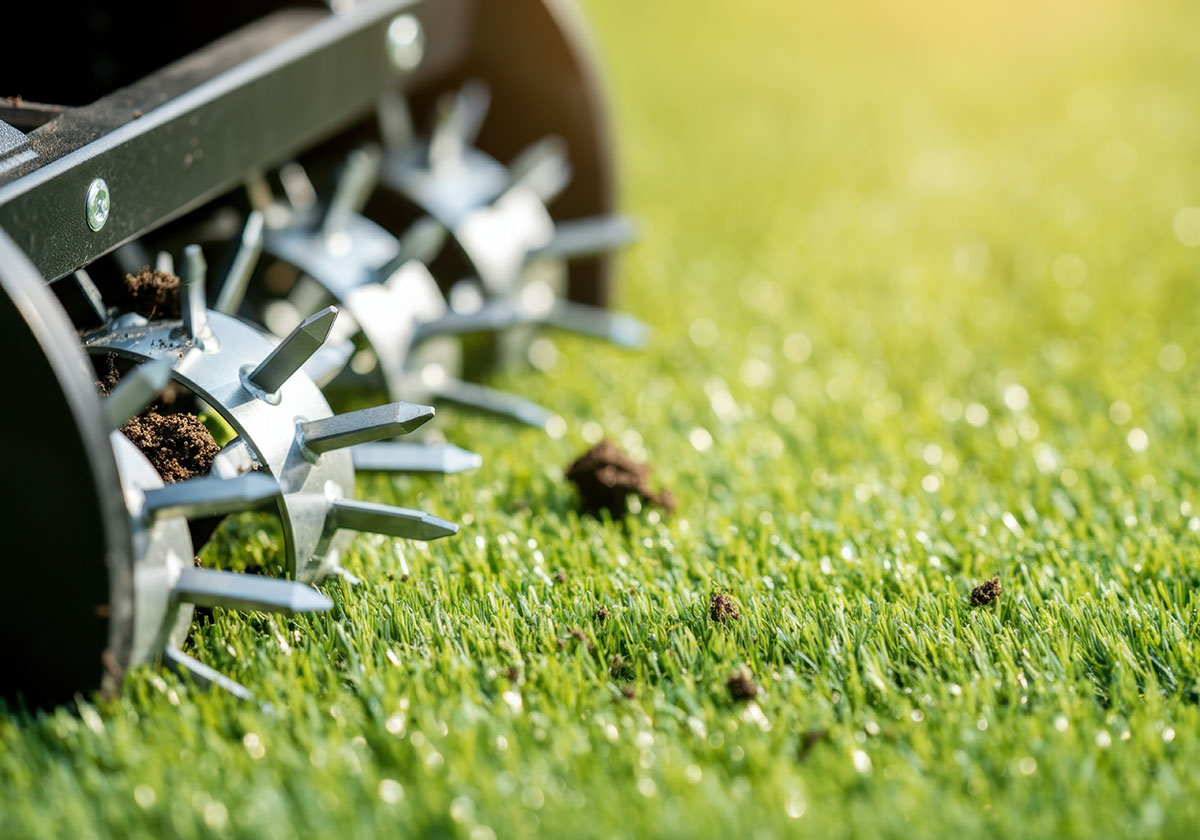
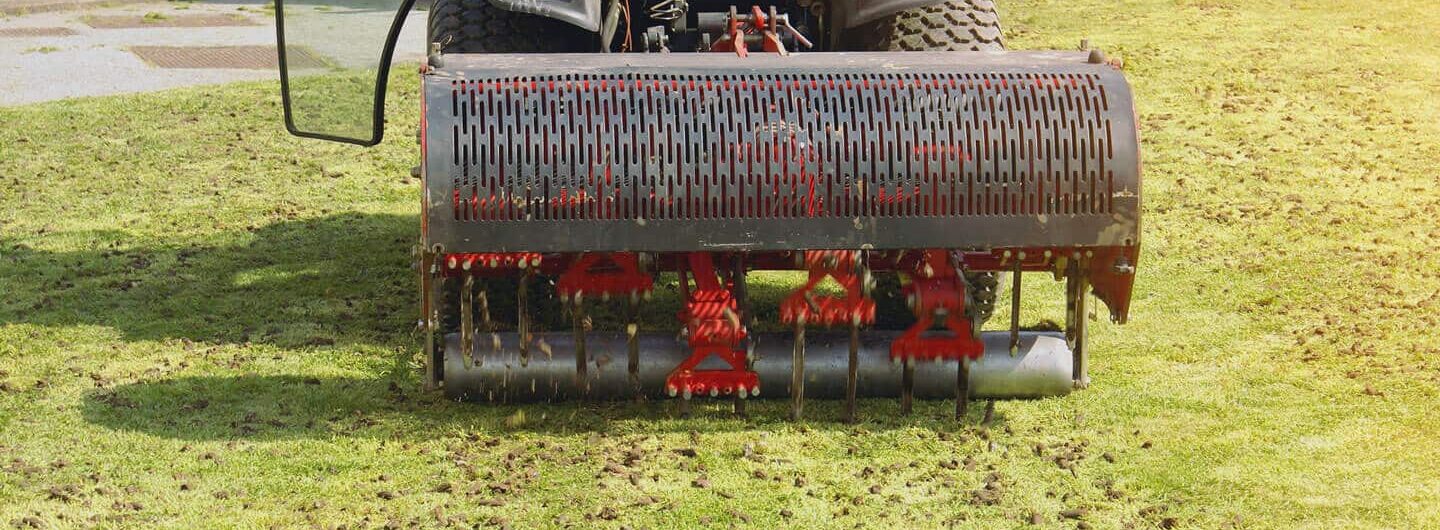
After aerating, leave the soil plugs on the lawn to break down naturally. Water your lawn deeply to help recovery. Apply fertilizer to support new root growth.
- Do not mow immediately after aeration.
- Keep foot traffic to a minimum for a few days.
- Rake any large leftover plugs if needed.
Credit: www.lawnstarter.com
Common Mistakes To Avoid
Aerating your yard is important for healthy grass growth. But mistakes are common. Knowing what to avoid can save you time and effort.
Let’s explore common mistakes and how to prevent them for a lush lawn.
Aerating Too Often Or Too Rarely
Aerating too much can damage your lawn. Too little aeration stops air from reaching roots. Find a balance for best results.
Most yards need aeration once a year. Heavy traffic areas might need more. Observe your lawn’s condition to decide.
- Watch for signs like compacted soil
- Adjust frequency based on grass type
- Consider climate and weather patterns
Ignoring Soil Testing
Soil testing tells you about your yard’s health. Many ignore this step. Without testing, you might miss key nutrients.
Test your soil every few years. It helps you choose the right fertilizer and treatments for your lawn.
- Check pH levels for proper balance
- Identify nutrient deficiencies
- Plan treatments based on test results
Neglecting Aftercare
After aerating, your lawn needs care to recover. Neglecting aftercare can lead to poor results. Ensure your yard gets the attention it needs.
Water your lawn well after aeration. This helps roots absorb nutrients and grow strong.
- Water deeply and regularly
- Apply fertilizer if needed
- Avoid heavy foot traffic on the lawn
Credit: naturesseed.com
Frequently Asked Questions
How Often Should I Aerate My Yard Annually?
Aerate your yard once or twice a year for optimal lawn health. Spring and fall are the best seasons to aerate. This helps relieve soil compaction and improves water and nutrient absorption. Lawns with heavy clay soil may need more frequent aeration.
What Signs Show My Yard Needs Aeration?
Look for water pooling, thin grass, or hard soil to know if aeration is needed. Compacted soil prevents roots from growing deeply. If your lawn feels spongy or has bare patches, it’s time to aerate for better soil health.
Can I Aerate My Yard Too Often?
Yes, aerating too often can stress your lawn and damage roots. Once or twice per year is usually enough. Over-aeration disrupts soil structure and slows grass growth. Follow recommended timing for best results.
Does Aeration Improve Lawn Drainage?
Aeration significantly improves lawn drainage by creating holes for water to penetrate. This reduces runoff and pooling on the surface. Better drainage promotes healthier grass roots and prevents soil erosion.
Conclusion
Aerating your yard helps grass grow strong and healthy. Most yards need aeration once or twice a year. Timing depends on your grass type and soil condition. Avoid compacted soil to let air, water, and nutrients reach roots. Regular aeration keeps your lawn green and vibrant.
Remember, healthy soil means a happy yard. Keep an eye on your lawn’s needs and aerate as needed. Simple care brings great results.
