
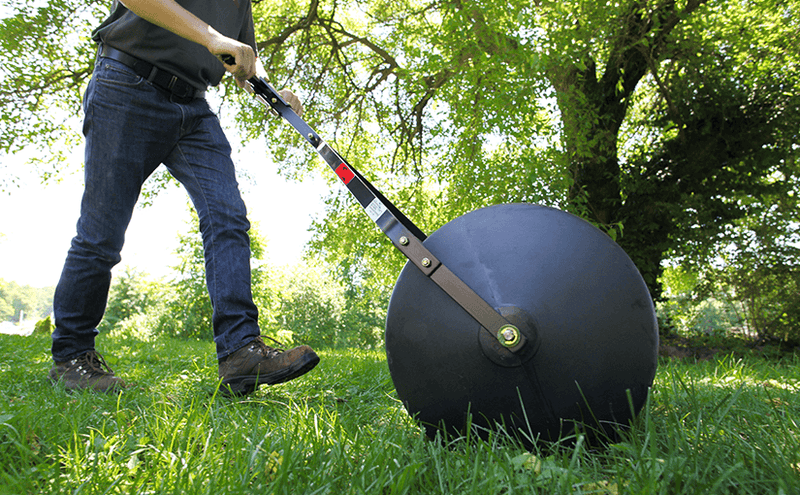
If you want a smooth, even lawn, choosing the right lawn roller is key. But with so many types out there, how do you know which one fits your yard best?
Whether you’re fixing uneven patches, preparing soil for new grass, or just aiming for that perfect finish, the right roller can make all the difference. You’ll discover which type of lawn roller suits your needs, so your yard looks its absolute best—effortlessly.
Ready to transform your lawn? Let’s find the perfect roller for you.
Types Of Lawn Rollers
Lawn rollers help create a smooth and even yard surface. They press down soil and grass for better growth.
Choosing the right lawn roller depends on your yard size and soil type. Different types offer various benefits.
Water-filled Rollers
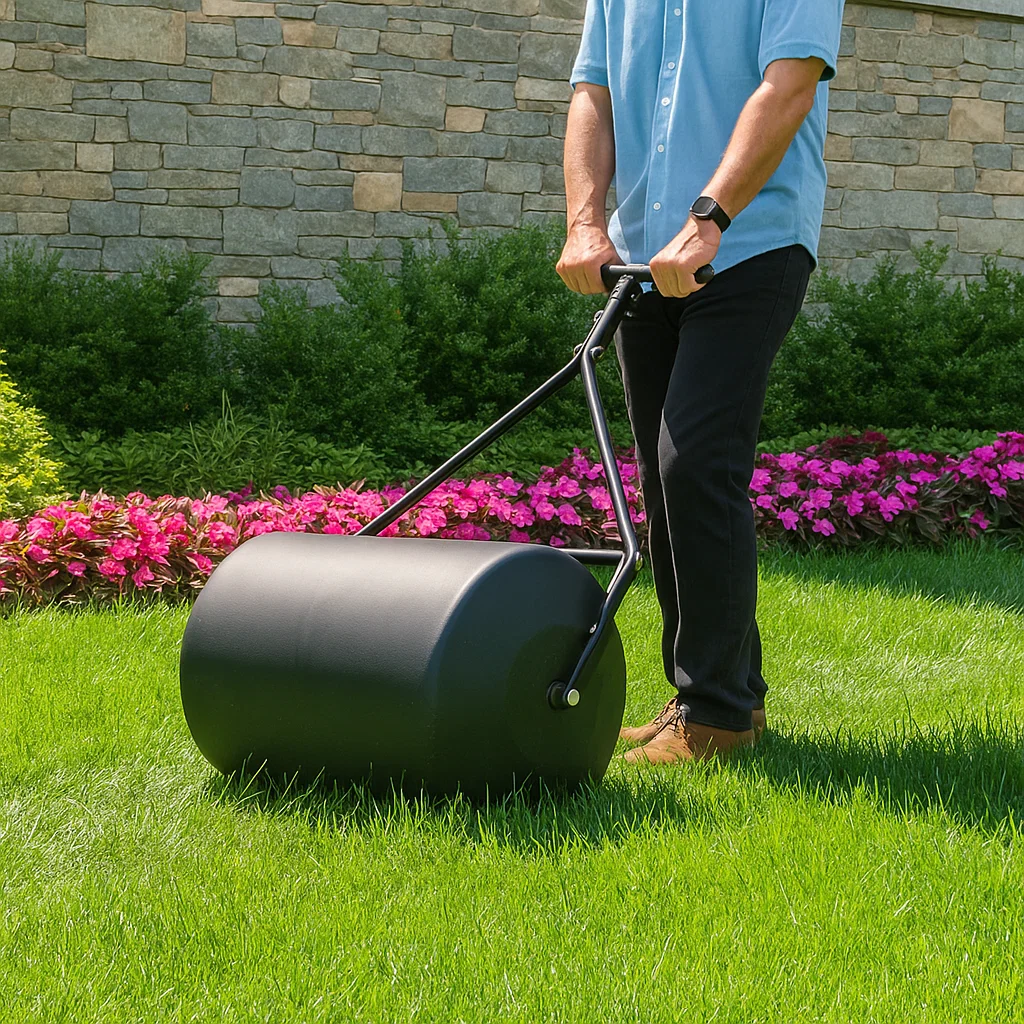
Water-filled rollers are hollow and can be filled with water to add weight. You can empty them for easy storage.
These rollers are great for small to medium yards. They are lighter when empty and heavier when filled, giving you control over pressure.
Steel Rollers
Steel rollers are very heavy and durable. They are best for large lawns or professional use.
Because of their weight, steel rollers can flatten soil and remove bumps effectively. They can be hard to move without a tractor or strong lawn tractor.
Plastic Rollers
Plastic rollers are light and easy to handle. They usually fill with water or sand to add weight.
- Good for small yards and gardens
- Easy to store and transport
- Less durable than steel but rust-free
Manual Vs. Tow-behind Rollers
| Type | Best For | Ease of Use | Weight |
| Manual Roller | Small yards and gardens | Easy to push by hand | Light to medium |
| Tow-Behind Roller | Large lawns and fields | Needs a tractor or riding mower | Heavy |

Credit: www.ebay.ca
Factors To Consider
Choosing the right lawn roller helps keep your yard smooth and healthy. Different rollers work best for different needs.
Look at key factors before buying a lawn roller. These will guide you to the best choice for your yard.
Yard Size And Terrain
Yard size affects the type of roller you need. Large yards need bigger rollers to cover more ground fast. Small yards work well with smaller rollers.
Terrain matters too. Flat lawns need less weight. Uneven or bumpy areas may need heavier rollers to smooth the surface.
Weight And Maneuverability
Weight affects how well the roller packs the soil. Heavy rollers press firmly but may be hard to move. Light rollers are easier to handle but may need more passes.
- Heavy rollers work best for tough soil
- Light rollers suit soft or sandy soil
- Check how easy it is to push or pull the roller
- Look for wheels or handles that help with movement
Durability And Material
| Material | Durability | Maintenance |
| Steel | High | Needs rust protection |
| Plastic | Moderate | Low maintenance |
| Polyethylene | High | Resistant to cracking |
Choose a lawn roller made from strong materials. Steel rollers last long but need care to avoid rust. Plastic rollers are lighter but may break easier.
Ease Of Use
Look for features that make the roller easy to use:
- Comfortable handles
- Light enough to move easily
- Simple to fill and empty water or sand
- Compact design for storage
Benefits Of Using A Lawn Roller
A lawn roller is a useful tool for yard care. It helps make your lawn smooth and healthy.
Using a lawn roller can improve your soil and make it easier to grow grass evenly.
Improving Soil Contact
A lawn roller presses seeds and soil together. This contact helps seeds get water and nutrients better. It also reduces air pockets under the soil.
Smoothing Uneven Ground
After digging or heavy rain, your yard can have bumps and holes. A lawn roller flattens these spots. This makes your yard look neat and safe to walk on.
Enhancing Seed Germination
- Presses seeds firmly into the soil
- Prevents seeds from washing away
- Helps keep moisture close to seeds
- Creates a good environment for growth
These effects help seeds sprout faster and stronger.
Preventing Lawn Damage
| Type of Damage | How Lawn Roller Helps |
| Foot Traffic | Creates firm ground to reduce ruts |
| Heavy Equipment | Distributes weight evenly to avoid deep marks |
| Animal Activity | Flattens holes and uneven spots |

Credit: www.ebay.ca
When To Use A Lawn Roller
A lawn roller helps flatten and smooth your yard. It presses soil and seeds to improve lawn growth. Using a lawn roller at the right time can make your lawn healthier.
This tool is best used after seeding, post-sod installation, and during seasonal lawn maintenance. Each time has a different goal for rolling your lawn.
After Seeding
Roll the lawn after spreading new grass seed. This pushes seeds into the soil for better contact. It also helps keep seeds from washing away.
- Roll right after planting seeds
- Use a light roller to avoid crushing seeds
- Water gently after rolling
Post-sod Installation
Rolling after laying sod helps the roots touch the soil. It removes air pockets and improves root growth. Do not roll too hard to avoid damage.
| Rolling Time | Pressure Level | Purpose |
| Immediately after sod | Medium | Press sod into soil |
| After first watering | Light | Remove air pockets |
| Do not roll after roots grow | None | Avoid root damage |
Seasonal Lawn Maintenance
Use a lawn roller in spring or fall to fix uneven ground. Rolling helps repair damage from frost or heavy rain. It keeps your lawn smooth and safe to walk on.
- Roll when soil is moist, not wet
- Avoid rolling during dry, hard soil
- Use heavier rollers for large bumps
- Roll slowly and evenly across the yard
Maintenance Tips For Lawn Rollers
Proper maintenance helps your lawn roller last longer and work better. Regular care keeps it safe and efficient for yard use.
Follow simple steps to clean, check, and adjust your lawn roller. These tips make sure your lawn looks great every time.
Cleaning And Storage
After each use, clean your lawn roller to remove dirt and grass. Dry it well to stop rust from forming.
- Use a brush or cloth to clean the surface.
- Rinse with water if needed but dry completely.
- Store in a dry place away from rain and sun.
- Keep it off the ground using blocks or shelves.
Checking For Damage
Look over your lawn roller before and after use. Check for cracks, dents, or leaks that could cause problems.
| Part | What to Check | Action |
| Drum | Cracks or rust spots | Repair or replace if needed |
| Handles | Loose bolts or bends | Tighten bolts or straighten handles |
| Wheels (if any) | Wear or wobbling | Lubricate or replace wheels |
Refilling And Weight Adjustments
Many lawn rollers use water or sand for weight. Check the level and refill to keep the right pressure on your lawn.
- Open the filler cap carefully to avoid spills.
- Use clean water or dry sand as recommended.
- Do not overfill; follow the manufacturer’s weight limit.
- Adjust weight based on lawn type and soil condition.
Credit: www.aosom.com
Top Lawn Roller Picks For 2025
Lawn rollers are essential for maintaining a smooth and even lawn. Choosing the right type can make yard maintenance easier and more effective.
Here are the top lawn roller picks for 2025, catering to different needs and yard sizes.
Best Overall
The best overall lawn roller combines durability, ease of use, and effective performance. This roller works well on various terrains and is suitable for most yard sizes.
Best Budget Option
For those looking for a cost-effective solution, the best budget option offers quality performance without breaking the bank. It is lightweight and easy to maneuver.
- Affordable price point
- Easy to store
- Suitable for small to medium yards
Best For Large Yards
Large yards require a more robust roller. The best option for large yards is designed to cover more ground quickly and efficiently.
| Feature | Details |
| Width | 36 inches |
| Capacity | 50 gallons |
| Material | Steel |
Best Lightweight Model
The best lightweight model is perfect for those who prefer an easy-to-handle roller. It offers convenience and requires less effort to operate.
Frequently Asked Questions
What Are The Main Types Of Lawn Rollers?
Lawn rollers come in three main types: water-filled, tow-behind, and manual. Each type suits different yard sizes and tasks. Water-filled rollers are lightweight when empty and heavy when filled. Tow-behind rollers attach to mowers for large areas. Manual rollers are best for small patches.
Which Lawn Roller Is Best For New Sod?
Water-filled lawn rollers are ideal for new sod. They provide even pressure to settle soil and roots. Their adjustable weight helps avoid damaging young grass. This type ensures proper soil contact, promoting healthy growth and a smooth lawn surface.
How Heavy Should A Lawn Roller Be?
The ideal lawn roller weight ranges between 30 to 100 pounds. Heavier rollers are better for compacting soil but may damage grass if too heavy. Lighter rollers are safer for delicate lawns. Choose weight based on yard size and soil condition.
Can A Lawn Roller Fix Uneven Ground?
Yes, lawn rollers can help smooth minor uneven ground. They compress bumps and help settle soil after seeding or aeration. However, severe unevenness may require additional grading before rolling. Rolling improves lawn appearance and promotes even grass growth.
Conclusion
Choosing the right lawn roller depends on your yard’s size and soil type. Light rollers suit small, soft lawns, while heavy ones fit larger, tougher grounds. Water-filled rollers offer easy handling and adjustable weight. Always consider your lawn’s needs before buying.
Proper use helps keep grass even and healthy. A good lawn roller makes yard work easier and better. Take your time to pick the best fit. Your lawn will thank you with a smooth, neat look.
