
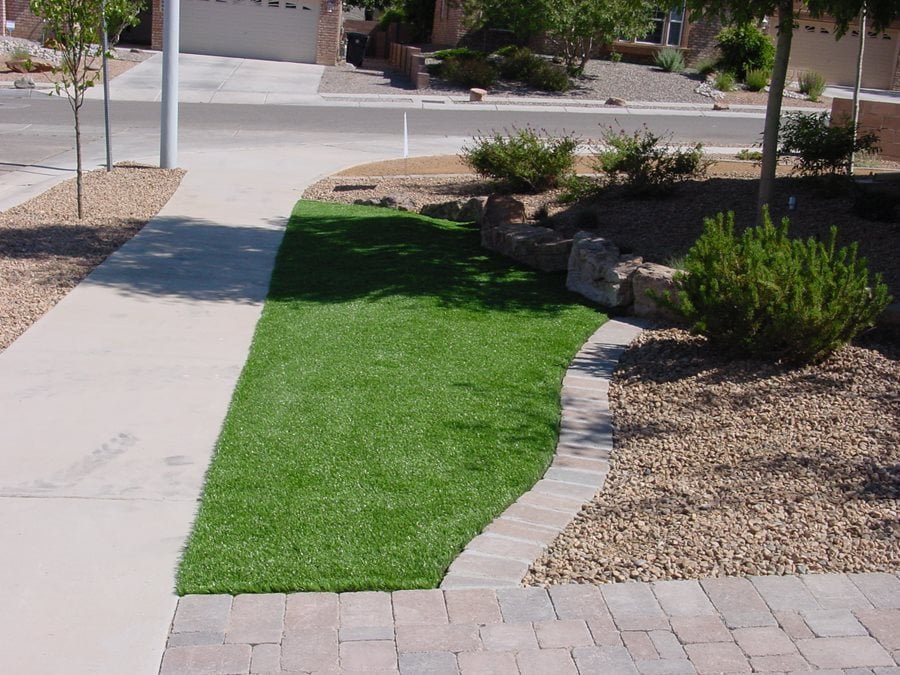
Imagine stepping out into your yard and seeing a perfectly manicured lawn with crisp, clean edges that define its boundaries. It’s not just about aesthetics; it’s about creating a space that feels inviting and well-kept.
When you edge your lawn, you’re not just trimming grass. You’re enhancing the overall look of your home, boosting curb appeal, and even increasing property value. But that’s not all. A well-edged lawn can also make mowing easier, help prevent invasive weeds, and keep your garden beds pristine.
Do you want to know why edging is the secret weapon for achieving that picture-perfect lawn? Let’s dive into the reasons why you should edge your lawn and discover the benefits you might be missing out on.
Benefits Of Lawn Edging
Lawn edging helps define the borders of your grass and garden areas. It creates a neat, tidy look for your yard.
Using lawn edging makes lawn care easier and improves the overall appearance of your outdoor space.
Enhances Curb Appeal
Lawn edging adds a sharp and clean boundary between your lawn and other outdoor areas. This clear division makes your yard look well cared for.
Well-defined edges give your home a polished look that can impress visitors and passersby.
Prevents Grass Overgrowth
Grass can quickly spread into flower beds and walkways without proper edging. Edging stops grass from growing where it is not wanted.
- Reduces the need for extra trimming along borders
- Keeps garden beds clear of grass and weeds
- Makes lawn maintenance faster and easier
Creates Clean Lawn Lines
Clean lawn lines give your yard a structured and organized feel. Straight or curved edges add style and character to your landscape.
| Edge Type | Appearance | Maintenance |
| Metal Edging | Sharp and modern | Low |
| Plastic Edging | Flexible and simple | Medium |
| Brick or Stone | Classic and sturdy | High |

Credit: www.reddit.com
Types Of Lawn Edging
Lawn edging keeps your yard neat and tidy. It separates grass from flower beds and walkways.
There are many types of lawn edging materials. Each type has its own look and benefits.
Plastic And Metal Edging
Plastic and metal edging are popular for their easy installation. They bend to shape curves in your yard.
Plastic is lightweight and affordable. Metal is stronger and lasts longer but can be more costly.
- Plastic edging is flexible and resists rust
- Metal edging gives a clean, sharp border
- Both types help stop grass from spreading
Natural Stone And Brick
Natural stone and brick add a classic, elegant look to your lawn. They create a solid barrier for plants.
These materials are heavy and need more work to set up. They last a long time and fit many garden styles.
- Stone and brick are durable and weather-resistant
- They provide a strong edge that stays in place
- They can add value to your home’s landscape
Concrete And Pavers
Concrete and pavers give a modern, clean look to your lawn. They can form straight or curved edges.
These materials require more effort to install. They are very strong and last many years with little care.
- Concrete edges are solid and can be shaped
- Pavers come in many colors and patterns
- Both are good for heavy foot traffic areas
Tools For Edging Your Lawn
Edging your lawn keeps it looking neat and well-kept. It separates grass from flower beds, driveways, and walkways. Using the right tools makes edging easier and more effective.
There are several tools to help you edge your lawn. Each type fits different needs and budgets. Choose the one that works best for your yard size and shape.
Manual Edgers
Manual edgers are simple tools that cut grass edges by hand. They usually have a sharp blade and a long handle. You step down on the tool to slice the grass.
These tools are quiet and do not need fuel or electricity. They work well for small lawns or light edging jobs. Manual edgers require physical effort but give good control.
- Affordable and easy to use
- No noise or fumes
- Best for small or thin edges
- Needs physical strength
Powered Trimmers
Powered trimmers use gas or electricity to cut grass edges quickly. They have spinning blades or nylon strings that trim edges cleanly. These tools save time and effort.
They work well for medium to large lawns with many edges. Powered trimmers can also trim grass in hard-to-reach spots. Some models come with adjustable heads for better control.
- Fast and efficient
- Good for large areas
- Requires fuel or charging
- Can be noisy
Specialty Edging Tools
Specialty edging tools include machines designed only for edging tasks. Some use rotating blades on a small wheel to cut precise edges. Others have unique designs for curved or tricky areas.
These tools give a clean, professional look to your lawn edges. They are helpful for large properties or detailed landscaping. Specialty tools usually cost more but offer better results.
- Designed for perfect edges
- Good for complex shapes
- Usually more expensive
- Best for detailed work

Credit: fencearmor.com
Step-by-step Lawn Edging Guide
Edging your lawn creates a clean and neat look. It separates the grass from walkways and flower beds.
Follow these steps to edge your lawn properly. This helps maintain a tidy yard all year round.
Marking The Edge Line
Start by deciding where the lawn edge will be. Use a string or garden hose to mark a straight line.
This line guides your cutting and keeps edges even. Make sure the line follows your garden design.
Cutting The Edges
Use an edging tool or spade to cut along the marked line. Cut deep enough to separate grass roots from soil.
Remove the cut grass and soil to create a clear border. Keep your tool sharp for clean cuts.
- Wear gloves for hand protection
- Work slowly for straight edges
- Clear debris after cutting
Maintaining The Edged Lawn
Check your lawn edges regularly. Trim any grass that grows over the border.
Water and fertilize your lawn properly. This keeps the grass healthy and edges sharp.
- Trim edges every two weeks
- Remove weeds near edges
- Use mulch to protect flower bed borders
Common Lawn Edging Mistakes
Lawn edging makes your yard look neat and clean. Doing it wrong can harm your grass or soil.
Learn about common mistakes so you can edge your lawn the right way and keep it healthy.
Cutting Too Deep
Cutting too deep can damage grass roots and kill parts of your lawn. It may also create ugly holes.
Keep your cuts shallow and clean. Cut just enough to separate the lawn from paths or flower beds.
Ignoring Soil Conditions
Soil type affects how well you can edge your lawn. Hard or rocky soil needs different care than soft soil.
- Test your soil before edging.
- Use tools made for your soil type.
- Water the area if soil is too dry.
- Add sand or compost to improve soil if needed.
Skipping Regular Maintenance
Edging your lawn once is not enough. Without regular care, edges grow messy and uneven.
| Maintenance Task | Frequency | Why It Matters |
|---|---|---|
| Edge trimming | Every 2 weeks | Keeps edges sharp and clean |
| Weed removal | Weekly | Prevents weeds from spreading |
| Soil checking | Monthly | Ensures good soil for healthy grass |

Credit: www.reddit.com
Lawn Edging And Landscape Design
Edging your lawn is an important part of landscape design. It helps create clear lines and neat spaces in your yard.
Using lawn edging makes your garden look tidy and well cared for. It also protects plants and walkways.
Defining Garden Beds
Lawn edging clearly marks the edges of garden beds. This keeps mulch and soil inside the bed.
It stops grass from growing into flower beds. This makes garden beds easier to maintain.
- Prevents grass from invading flower beds
- Keeps mulch and soil in place
- Creates neat, defined garden shapes
Separating Lawn From Walkways
Edging creates a clear line between your lawn and walkways. This helps prevent grass from spreading onto paths.
It also keeps walkways clean and easier to walk on. Lawn edging adds safety by showing where the grass ends.
- Stops grass from growing on walkways
- Keeps paths clean and safe
- Defines walking areas clearly
Highlighting Features
Lawn edging draws attention to special parts of your yard. It frames trees, statues, and flower displays.
Edging adds contrast between green grass and other features. This makes your landscape more attractive.
- Frames trees and plants
- Shows off garden decorations
- Adds contrast and style
Seasonal Lawn Edging Tips
Edging your lawn keeps it neat and healthy. It creates a clear line between grass and other areas.
Different seasons need different edging care. Follow these tips to keep your lawn sharp all year.
Spring Preparation
Spring is the time to get your lawn ready for growth. Edging helps remove winter debris and old grass.
Clear the edges to allow fresh grass to grow evenly. This also improves the look of your lawn.
- Use a sharp edging tool to cut old grass.
- Remove leaves and sticks from edges.
- Define clear borders between lawn and flower beds.
- Consider adding fresh mulch along edges.
Summer Maintenance
Summer heat can dry out edges quickly. Keep them trimmed to prevent grass from spreading into walkways.
Edging in summer keeps your lawn tidy and helps water reach roots more effectively.
- Trim edges every two weeks to control grass growth.
- Water edges deeply but less often to save water.
- Check for weeds and remove them promptly.
- Avoid edging in very hot midday to protect grass.
Fall Cleanup
Fall is perfect for preparing your lawn edges for winter. Clean edges stop grass from invading flower beds.
Edging in fall helps your lawn look neat and ready for the next spring.
- Cut back overgrown edges before the first frost.
- Remove fallen leaves and dead plants from edges.
- Apply a thin layer of mulch to protect edges in winter.
- Check edges for damage and repair if needed.
Frequently Asked Questions
What Are The Benefits Of Edging Your Lawn Regularly?
Edging your lawn creates clean boundaries, enhancing curb appeal. It prevents grass overgrowth onto sidewalks and flower beds. Edging also promotes healthier grass by reducing competition for nutrients. Regular edging keeps your yard looking neat and well-maintained, boosting overall property value.
How Does Lawn Edging Improve Garden Health?
Lawn edging separates grass from garden beds, reducing root competition. It limits weed invasion and soil erosion between areas. This separation helps retain moisture in flower beds. Edging also allows targeted fertilization, improving plant growth and garden vitality.
Can Edging Prevent Lawn Damage And Overgrowth?
Yes, edging controls grass spread and prevents it from invading sidewalks. It reduces lawn damage caused by foot traffic on uneven edges. Proper edging maintains lawn structure, minimizing the need for constant trimming. This keeps your lawn healthy and visually appealing.
How Often Should You Edge Your Lawn?
For best results, edge your lawn every 2-4 weeks during growing seasons. Frequent edging maintains clean lines and prevents grass overgrowth. Adjust frequency based on lawn growth rate and weather conditions. Consistent edging promotes a tidy and well-kept appearance.
Conclusion
Edging your lawn keeps it neat and clean. It stops grass from growing where it shouldn’t. This small step helps your yard look cared for. It also makes mowing easier and safer. Clear edges show you pay attention to detail.
A tidy lawn adds value to your home. Simple tools can do the job well. Regular edging keeps your outdoor space inviting. Give your lawn the finish it deserves. You will enjoy a sharper, healthier yard every day.
