
Your lawn is your pride and joy, the green canvas that frames your home and offers a serene escape from the hustle and bustle. But maintaining that lush expanse can sometimes feel like a puzzle, especially when it comes to using lawn spreaders.
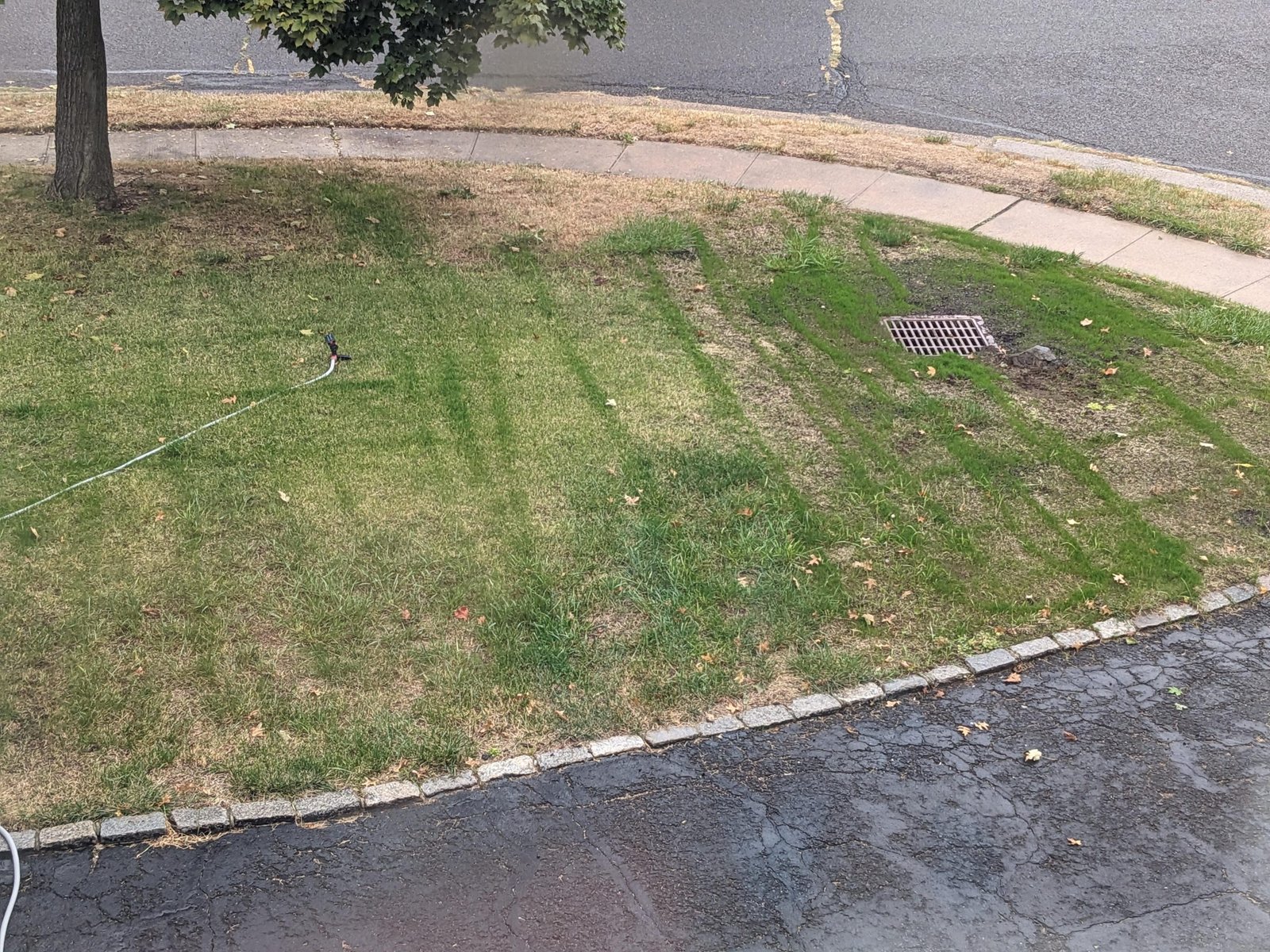
You might have wondered, “Can spreaders damage lawn? ” It’s a question many homeowners like you face, and getting the answer wrong could spell trouble for your beautiful greenery. Imagine this: You invest time and money into feeding your lawn, but instead of the vibrant green you envisioned, you end up with patchy spots or even damage.
It’s frustrating and disheartening. Understanding how spreaders can impact your lawn is crucial to avoiding this nightmare scenario. We’ll dive into the nitty-gritty of lawn spreaders, uncovering how they work, the potential risks, and most importantly, how you can use them effectively without harming your beloved lawn. Stay with us as we reveal the secrets to keeping your lawn in tip-top shape.
Credit: www.outdoorguide.com
Types Of Lawn Spreaders
Lawn spreaders help spread seeds, fertilizer, and other materials evenly. Choosing the right type can protect your lawn from damage. Each spreader works differently and suits different lawn sizes.
This guide explains three common types of lawn spreaders. Learn how they work and their effects on your grass.
Broadcast Spreaders
Broadcast spreaders throw material over a wide area. They cover large lawns quickly and work well on flat ground. The spread pattern looks like a fan shape.
- Good for big yards
- Can cause uneven spreading if not used carefully
- May damage grass if used too close or too fast
- Easy to use and adjust
Drop Spreaders
Drop spreaders drop material directly below the spreader. This gives precise control and reduces waste. They work best for small to medium lawns or areas near plants and walkways.
| Feature | Broadcast Spreader | Drop Spreader |
| Coverage Area | Wide | Narrow |
| Spreading Accuracy | Medium | High |
| Lawn Damage Risk | Medium | Low |
| Best Use | Large lawns | Small to medium lawns |
Handheld Spreaders
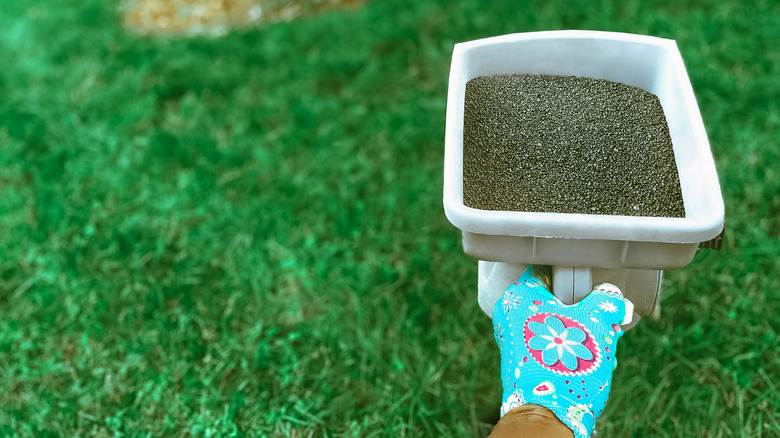
Handheld spreaders are small and portable. They work well for spot treatments or small patches of lawn. These spreaders require manual effort but give good control.
- Lightweight and easy to carry
- Ideal for tight spaces
- Less risk of lawn damage due to careful use
- Good for small jobs or touch-ups

Credit: www.countryliving.com
Common Lawn Spreader Issues
Lawn spreaders help plant seeds and apply fertilizer evenly. But they can cause problems if not used correctly. Knowing common issues can protect your lawn.
This guide covers uneven seed distribution, overapplication risks, and soil compaction concerns. Each can affect your lawn’s health and appearance.
Uneven Seed Distribution
Uneven seed spread leaves bare or crowded spots on your lawn. This happens when the spreader settings are wrong or the machine is moved too fast.
- Check spreader calibration before use.
- Keep a steady walking speed during spreading.
- Overlap passes slightly to avoid missed areas.
- Clean the spreader to prevent clogs or blockages.
Overapplication Risks
Applying too much seed or fertilizer damages grass and wastes resources. Overapplication can cause burning, pollution, and poor lawn growth.
| Risk | Effect on Lawn | Prevention |
| Seed Overload | Crowded grass, patchy growth | Use recommended seed amount |
| Fertilizer Burn | Yellowing or dead grass | Calibrate spreader properly |
| Runoff Pollution | Water contamination | Apply fertilizer evenly and carefully |
Soil Compaction Concerns
Heavy spreaders or repeated passes can compact soil. Compacted soil blocks air and water, harming roots and lawn health.
Tips to reduce soil compaction:
- Use lightweight spreaders where possible.
- Avoid working on wet soil.
- Limit passes over the same area.
- Consider aerating soil after spreading.
How Spreaders Can Harm Lawns
Spreaders are tools used to spread seeds, fertilizer, or other materials on lawns. They help cover large areas quickly.
Despite their usefulness, spreaders can sometimes damage lawns if not used carefully. Knowing how they harm lawns helps you avoid problems.
Damage From Heavy Traffic
Push or drop spreaders create heavy traffic on grass. Walking or rolling over the lawn many times can crush grass blades.
Repeated heavy traffic compacts soil and makes it hard for roots to grow. This weakens the lawn and causes bare spots.
- Crushed grass blades reduce photosynthesis
- Compacted soil limits air and water flow
- Roots struggle to spread and take up nutrients
- Thin grass becomes more prone to weeds and pests
Seed And Fertilizer Burn
Spreaders can apply too much fertilizer or seed in one spot. This causes burn damage to the grass.
Fertilizer burn happens when salt in fertilizer dries out grass roots. Seed burn occurs if seeds are spread unevenly and crowd each other.
- Too much fertilizer causes yellow or brown patches
- High salt content dries grass leaves and roots
- Overcrowded seeds compete for water and nutrients
- Burned areas take longer to recover
Impact On Soil Health
Using spreaders incorrectly can harm soil health under the grass. Soil health is important for a strong lawn.
Heavy spreader use can change soil structure and reduce beneficial microbes. It can also cause uneven nutrient distribution.
- Soil compaction reduces water absorption
- Uneven fertilizer spread leads to nutrient imbalances
- Fewer soil microbes hurt nutrient cycling
- Poor soil health weakens grass growth

Credit: www.youtube.com
Preventing Spreader Damage
Using a spreader can help feed your lawn evenly. But if it is not used right, it can harm the grass.
Learn how to avoid damage by setting up and caring for your spreader properly.
Proper Calibration Techniques
Calibrating your spreader means adjusting it to spread the right amount of material. Too much or too little can hurt the lawn.
- Check the instructions on the bag of fertilizer or seed for spreader settings.
- Fill the spreader with a small amount of material.
- Test it on a hard surface to see how much it spreads in a set time.
- Adjust the settings until the spread matches the recommended rate.
- Repeat calibration often, especially if you change materials.
Choosing The Right Spreader
Picking the correct spreader helps protect your lawn from damage. Different lawns and tasks need different spreaders.
| Spreader Type | Best For | Notes |
|---|---|---|
| Drop Spreader | Small areas, precise spreading | Less chance of over-application |
| Broadcast Spreader | Large lawns, fast coverage | Risk of uneven spreading if not careful |
| Handheld Spreader | Very small areas or spot treatments | Easy to control but slow |
Spreader Maintenance Tips
Keep your spreader in good shape to avoid lawn damage. Clean and check it often for problems.
- Wash the spreader after each use to remove fertilizer or seed.
- Check wheels and agitators for wear or clogs.
- Lubricate moving parts to keep them working smoothly.
- Store the spreader in a dry place to prevent rust.
- Fix any broken parts before using it again.
Alternatives To Traditional Spreaders
Traditional spreaders can sometimes harm your lawn. They may cause uneven coverage or soil compaction. Finding other methods helps protect grass and improves lawn health.
This guide covers simple ways to apply lawn care products without using spreaders. It also looks at services and new tools that offer better results.
Manual Application Methods
Manual application lets you control how much product touches the lawn. This method reduces the risk of damage from machines.
- Use hand-held spreaders for small areas
- Apply fertilizers and seeds by hand for better precision
- Water the lawn after spreading to help products settle
- Wear gloves to protect your skin during application
Professional Lawn Services
Lawn care experts use their skills and equipment to treat your lawn safely. They can spot problems early and adjust treatments as needed.
| Service Type | Benefits |
| Fertilization | Even spread and correct dosage |
| Weed Control | Targeted treatment without lawn damage |
| Seeding | Proper seed placement and soil contact |
| Lawn Aeration | Prevents soil compaction and improves growth |
Innovative Spreader Technologies
New spreader tools offer better control and less harm to lawns. These devices use smart designs to apply products evenly.
- Battery-powered spreaders with adjustable flow rates
- Spinners that reduce soil compaction
- Precision nozzles for liquid fertilizers
- App-connected devices for monitoring application
Frequently Asked Questions
Can Spreaders Cause Lawn Damage?
Yes, spreaders can damage lawns if overused or set incorrectly. Excess fertilizer or seeds may burn grass or cause uneven growth.
How To Prevent Lawn Damage From Spreaders?
Use the correct spreader settings and apply products evenly. Calibrate spreaders regularly and avoid over-application to protect your lawn.
What Types Of Spreaders Are Safest For Lawns?
Broadcast and drop spreaders are both safe when used properly. Drop spreaders offer more precision, reducing the risk of lawn damage.
Can Uneven Spreading Harm My Lawn’s Health?
Uneven spreading leads to patchy growth and weak spots. Proper calibration and technique ensure uniform coverage, promoting a healthy lawn.
Conclusion
Spreaders help spread seeds and fertilizer evenly on your lawn. Using them carefully keeps your grass healthy and green. Too much fertilizer or wrong spreading can hurt your lawn. Always check the settings before starting to avoid damage. Regular maintenance and proper use make a big difference.
A good lawn needs care and attention every season. With the right tools and habits, your lawn will thrive. Small steps lead to a strong, beautiful yard you can enjoy.
