
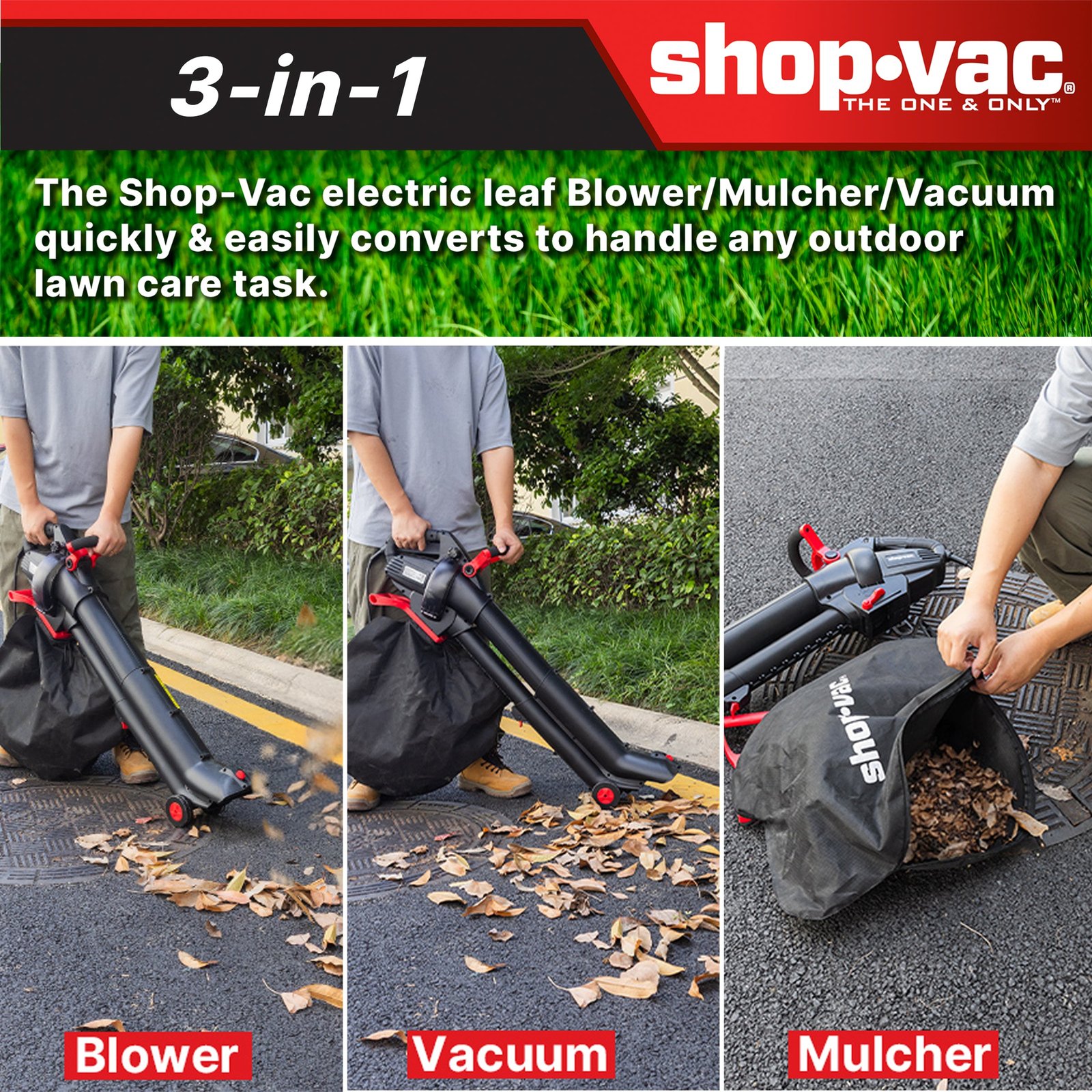
If you’re looking to keep your yard clean and tidy with minimal effort, an electric leaf vacuum might just be your new best friend. Imagine a crisp autumn day, where leaves blanket your lawn, turning it into a colorful, yet cluttered mess.
Instead of spending hours raking and bagging, you can quickly and effortlessly transform your outdoor space back to its pristine condition. In this guide, you’ll discover how to use an electric leaf vacuum efficiently, saving you time and energy. You’ll learn tips and tricks that make leaf cleanup not just easy, but almost enjoyable.
Dive in, and see how this tool can change your yard maintenance routine for the better!
Choosing The Right Vacuum
Choosing the right electric leaf vacuum makes yard work easier. You need to pick one that fits your needs and comfort.
Think about the type, power, battery life, weight, and design. These factors help you find the best vacuum for your yard.
Types Of Electric Leaf Vacuums
There are three main types of electric leaf vacuums: corded, cordless, and backpack. Each type works best in different situations.
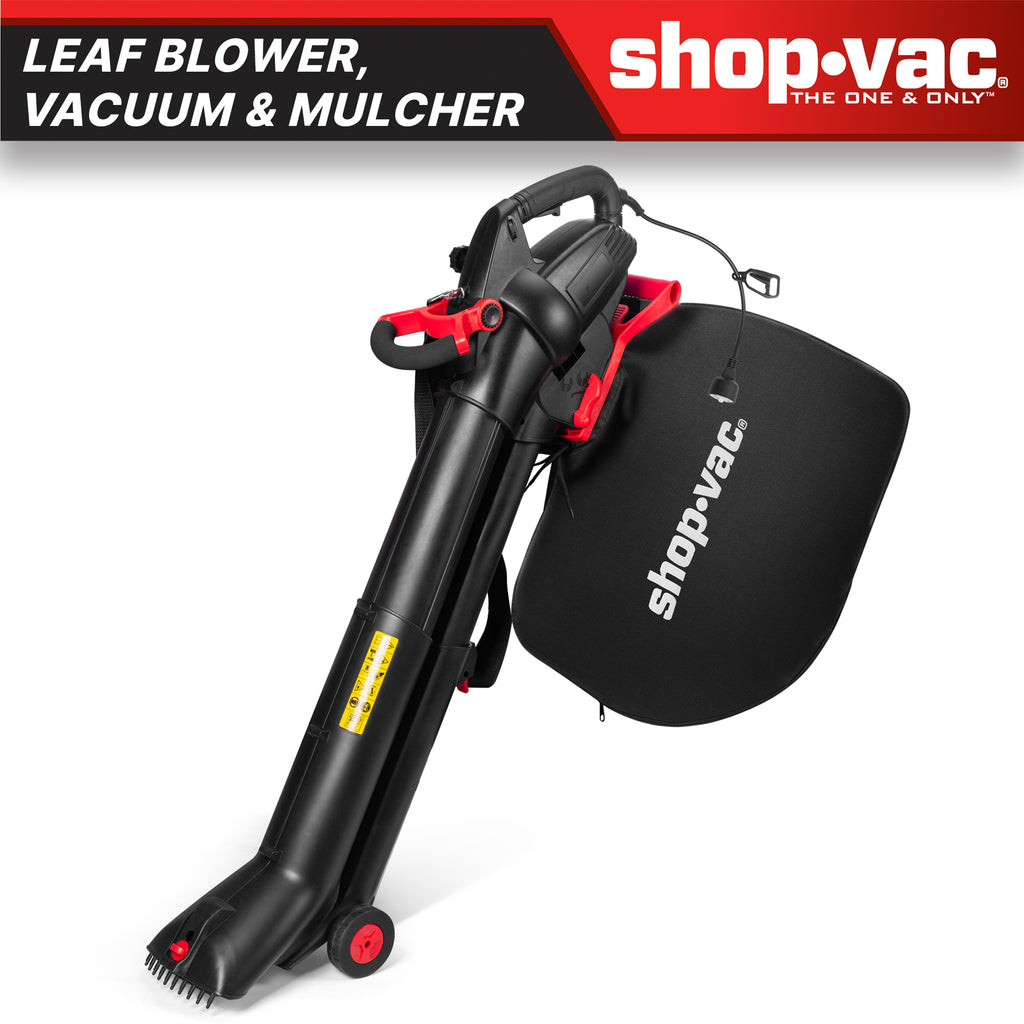
Corded vacuums offer constant power but limit movement. Cordless vacuums are easy to move but need charging. Backpack vacuums carry the weight on your back for longer use.
- Corded:Unlimited power, limited by cord length
- Cordless:Portable, battery-powered, limited run time
- Backpack:Comfortable for heavy use, more powerful
Power And Battery Life
Power affects how well the vacuum picks up leaves. Higher power means better suction but more energy use.
Battery life matters for cordless models. Longer battery life means you can work without stopping. Check how long the battery lasts before recharging.
- More power improves leaf collection
- Long battery life lets you work longer
- Some models have replaceable batteries
Weight And Ergonomics
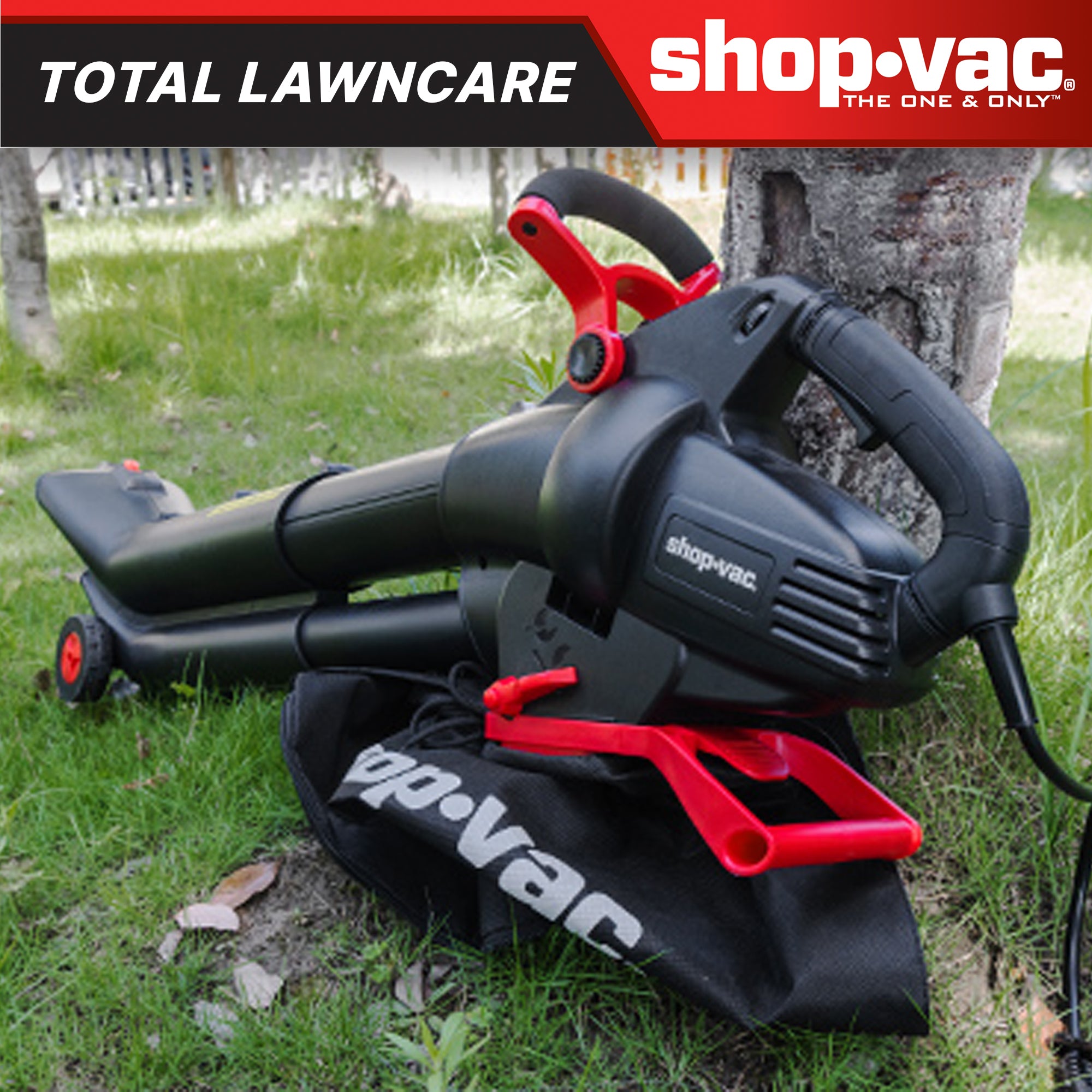
A light vacuum is easier to carry and use for a long time. Heavy vacuums can cause fatigue and slow you down.
Ergonomic design helps reduce strain on your hands and back. Look for padded handles and adjustable straps for comfort.
- Choose a vacuum weight you can carry easily
- Padded handles reduce hand fatigue
- Adjustable straps improve comfort for backpack models
Credit: www.shopvac.com
Preparing For Cleanup
Using an electric leaf vacuum makes yard cleanup faster. Before starting, it is important to prepare properly. This helps keep you safe and makes the work easier.
Prepare your equipment and the area where you will work. Checking everything beforehand can prevent problems.
Safety Gear Essentials
Wear the right safety gear to protect yourself from flying debris and noise. This reduces the risk of injury during cleanup.
- Safety glasses to protect your eyes
- Hearing protection like earplugs or earmuffs
- Gloves to protect your hands
- Long pants and closed-toe shoes for body protection
Clearing The Area
Remove large sticks, stones, and other objects from the cleanup area. These can damage the vacuum or cause accidents.
Here is a simple checklist to clear your yard before vacuuming:
- Pick up toys and garden tools
- Move outdoor furniture if possible
- Check for animal waste and remove it
- Look for wires or hoses on the ground
Checking Vacuum Components
Inspect the vacuum before use. Make sure all parts are clean and working. A well-maintained vacuum works better and lasts longer.
| Component | What to Check | Why It Matters |
|---|---|---|
| Power Cord or Battery | No cuts or damage, fully charged | Ensures safe and continuous power |
| Leaf Collection Bag | Empty and no tears | Prevents clogs and collects leaves efficiently |
| Vacuum Tube | Clear of blockages | Allows smooth leaf flow |
| Blades or Impellers | Sharp and secure | Improves vacuum performance |
Operating Your Leaf Vacuum
Using an electric leaf vacuum makes cleaning your yard easier. Knowing how to operate it safely helps you get the best results.
This guide explains how to start and stop the vacuum, the best speed to use, and how to handle different leaf types.
Starting And Stopping Techniques
Before starting, check that the vacuum is plugged in or charged. Hold the vacuum firmly with both hands. Press the power button or switch to start it. To stop, release the button or turn the switch off. Always wait for the blades to stop spinning before setting the vacuum down.
Optimal Vacuuming Speed
Moving at the right speed helps the vacuum pick up leaves efficiently. Too fast, and leaves may get stuck. Too slow, and you waste time.
- Walk at a steady, medium pace.
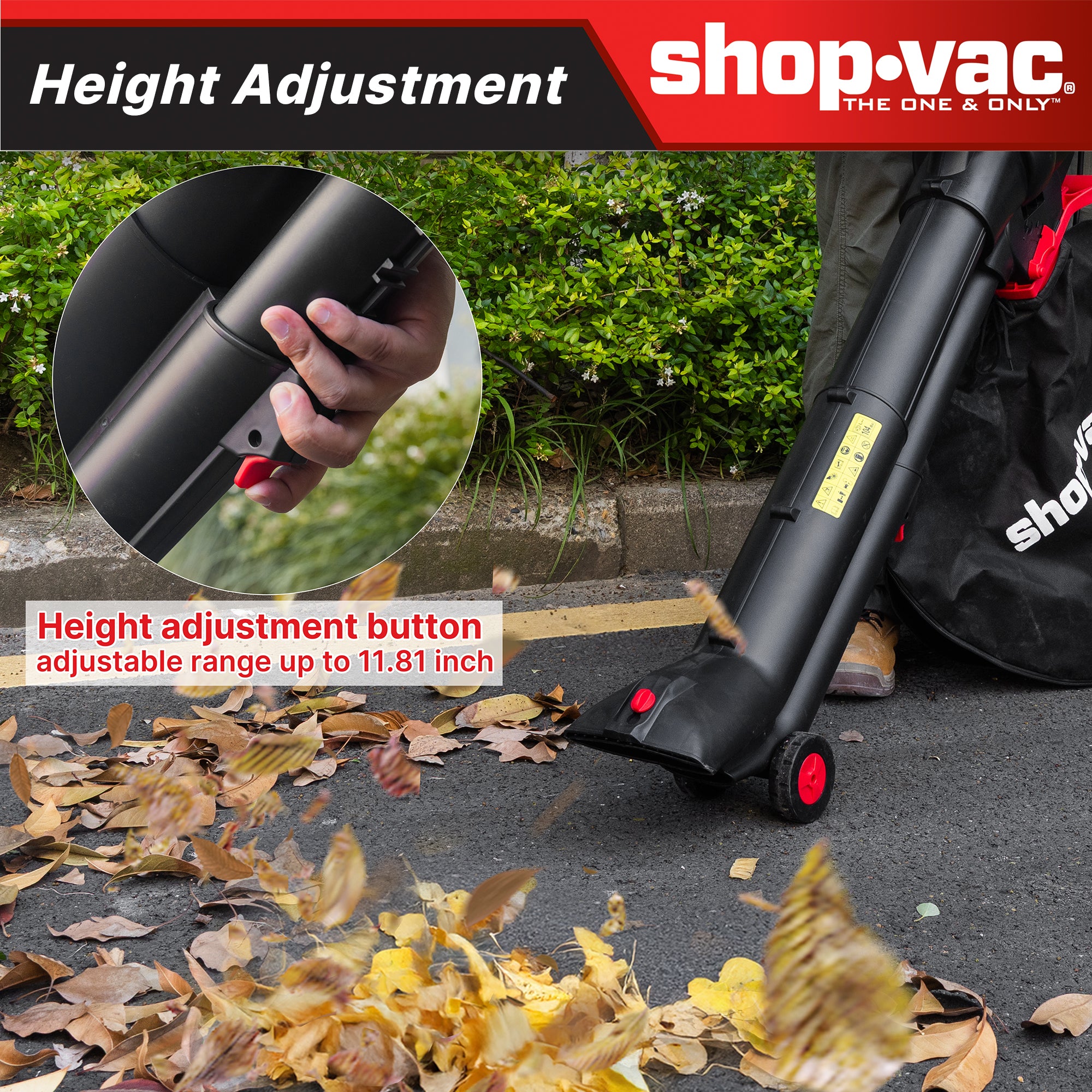
- Keep the vacuum nozzle close to the ground.
- Adjust your speed if leaves are dry or wet.
- Stop occasionally to clear any blockages.
Handling Different Leaf Types
Leaf size and dryness affect how you use the vacuum. Wet leaves can clog the machine. Large leaves may need extra effort.
| Leaf Type | Vacuum Tips | Common Issues |
|---|---|---|
| Dry, small leaves | Use normal speed, hold nozzle close | Usually no problems |
| Wet or sticky leaves | Slow down, clean nozzle often | Clogs and jams |
| Large leaves | Vacuum in sections, use low speed | Leaves may tear or block intake |
Credit: www.shopvac.com
Maintaining Your Vacuum
Keeping your electric leaf vacuum clean helps it work well for a long time. Regular care stops clogs and damage.
Follow simple steps to keep your vacuum in good shape and ready for use anytime.
Emptying The Collection Bag
Empty the collection bag after each use. A full bag lowers vacuum power and can cause damage.
Remove the bag carefully to avoid spilling leaves. Shake out the debris before reattaching it.
- Turn off and unplug the vacuum first
- Detach the collection bag from the vacuum
- Empty leaves into a compost bin or trash
- Check for tears or holes in the bag
- Reattach the bag securely before next use
Cleaning Filters And Nozzles
Filters catch dust and small debris. Clean them often to keep airflow strong.
Nozzles can get blocked by leaves or dirt. Clear them to avoid clogs and reduce wear.
- Remove the filter from the vacuum
- Brush off dust or rinse with water if washable
- Let the filter dry completely before reinstalling
- Check the nozzle for stuck leaves or dirt
- Use a stick or brush to clear any blockages
Regular Maintenance Tips
Doing small maintenance tasks keeps your vacuum running well. This saves money on repairs.
- Inspect the vacuum for loose screws or parts
- Check the power cord for cuts or damage
- Lubricate moving parts if the manual says so
- Store the vacuum in a dry place to avoid rust
- Follow the manufacturer’s maintenance schedule
Troubleshooting Common Issues
Electric leaf vacuums help keep your yard clean. Sometimes, they may not work well. This guide will help you fix common problems.
Check each part and follow simple steps to solve issues. This will save you time and effort.
Dealing With Clogs
Leaves and debris can block the vacuum tube or bag. This stops the vacuum from working properly.
- Turn off and unplug the vacuum before checking.
- Remove the vacuum bag carefully.
- Use a stick or brush to clear the tube and fan area.
- Empty the bag if it is full or heavy.
- Put everything back securely before use.
Battery And Power Problems
The vacuum may fail to start or stop suddenly if there are power issues. Check the battery and power source first.
| Issue | Possible Cause | Solution |
| Vacuum does not start | Battery is dead | Charge battery fully |
| Vacuum stops suddenly | Loose connection | Check and tighten battery contacts |
| Power cord damaged | Wear or cuts | Replace power cord |
| Battery overheats | Overuse or fault | Let battery cool, avoid long use |
Performance Optimization
Good performance keeps your yard clean and saves battery life. Follow these tips to improve your vacuum’s work.
- Empty the collection bag often to avoid weight and clogs.
- Use the vacuum on dry leaves for better suction.
- Clean the air filter regularly to keep airflow strong.
- Store the vacuum in a dry place to protect parts.
- Check screws and bolts to keep the vacuum tight and steady.
Credit: www.shopvac.com
Advanced Tips For Efficiency
Using an electric leaf vacuum saves time and effort during yard work. You can do more by applying some simple tips.
These tips help you get the best results and keep your tool working well for longer.
Combining Vacuum With Mulching
Many electric leaf vacuums also mulch the leaves as you vacuum. Mulching reduces the volume of leaves by chopping them into small pieces.
Mulched leaves are easier to compost or use as natural mulch for plants. Use the vacuum’s mulching feature to save space in your yard waste bin.
- Turn on the mulching function before vacuuming thick piles.
- Empty the mulch bag regularly to avoid clogging.
- Use mulched leaves to enrich garden soil.
Using Extensions And Attachments
Extensions and attachments help reach tight spaces or large areas without strain. Use the right attachment for the job.
Common attachments include longer tubes for high spots and wider nozzles for big leaf piles. Check if your vacuum model offers these options.
- Use a narrow nozzle for corners and edges.
- Attach an extension tube to reach under bushes or decks.
- Switch to a wide nozzle for faster vacuuming of open lawns.
Storage And Seasonal Care
Proper storage keeps your electric leaf vacuum working longer. Clean the machine after every use to remove leaves and dirt.
Store the vacuum in a dry place during the off-season. Check the battery or power cord before using it again in the next season.
- Empty and clean the collection bag after each use.
- Remove debris from the vacuum’s intake and mulching blades.
- Charge the battery fully before storing for winter.
- Keep the vacuum indoors or covered to avoid moisture damage.
Frequently Asked Questions
What Are The Main Benefits Of Using An Electric Leaf Vacuum?
Electric leaf vacuums save time by quickly collecting leaves. They reduce manual raking effort and improve garden cleanliness. These devices are eco-friendly, producing less noise and zero emissions compared to gas models. They also mulch leaves, reducing waste and making disposal easier.
How Do I Properly Maintain My Electric Leaf Vacuum?
Regularly clean the vacuum’s intake and bag to prevent clogging. Check and tighten all screws before use. Inspect the power cord for damage and store the vacuum in a dry place. Follow the manufacturer’s instructions for blade sharpening or replacement.
Can Electric Leaf Vacuums Handle Wet Leaves Effectively?
Electric leaf vacuums work best with dry leaves. Wet leaves can clog the vacuum and reduce performance. It’s advisable to wait until leaves dry after rain or dew to ensure optimal suction and mulching efficiency.
What Safety Precautions Should I Take When Using An Electric Leaf Vacuum?
Always wear protective gear like gloves and safety glasses. Avoid loose clothing that can get caught in the vacuum. Keep children and pets away while operating. Unplug the vacuum before cleaning or maintenance to prevent accidents.
Conclusion
Using an electric leaf vacuum makes yard cleanup easier and faster. It helps collect leaves without bending or raking too much. Regular use keeps your garden neat and tidy. Always follow safety steps to avoid accidents. Choose the right settings for different leaf types.
Remember to empty the vacuum bag often. With simple care, your tool will last longer. Enjoy a cleaner yard with less effort every season.

