
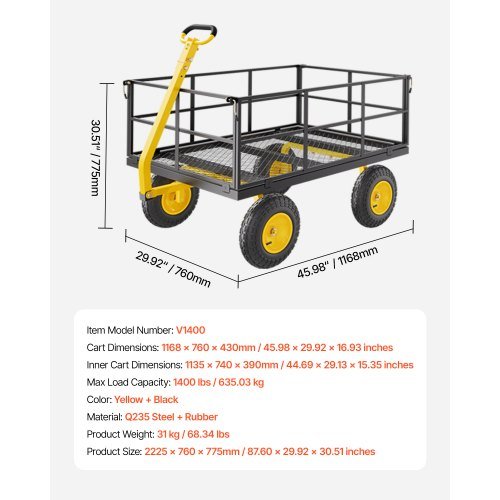
Are you tired of wrestling with a garden cart that’s either too flimsy or just not up to the task? You’re not alone.
Knowing the maximum weight a garden cart can handle is crucial for anyone who wants to make gardening easier and more efficient. Imagine effortlessly transporting your tools, soil, and plants without worrying about overloading your cart. This information will not only save you time and effort but will also extend the life of your trusty garden companion.
Stick around to discover the secrets behind choosing the right garden cart with the perfect weight capacity for your needs. You’ll learn how to avoid common pitfalls and make informed decisions that will transform your gardening experience. Ready to elevate your gardening game? Let’s dive in!
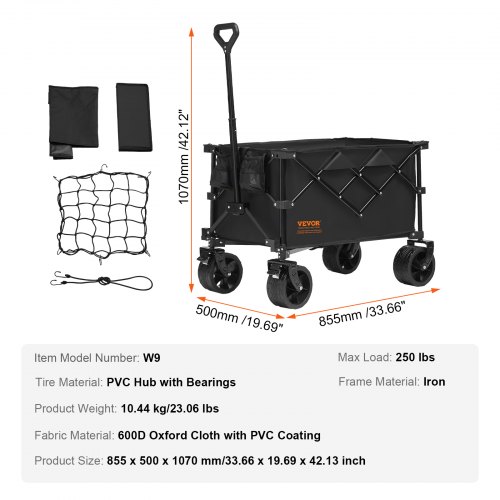
Credit: www.vevor.ca
Types Of Garden Carts
Garden carts help move heavy items easily in your yard. They come in different styles and weight limits. Choosing the right cart depends on your needs.
Here are the common types of garden carts and their weight capacities.
Traditional Wheelbarrows
Traditional wheelbarrows have one wheel at the front. They are easy to steer and good for uneven ground. Most hold between 100 and 150 pounds.
- Single wheel for better control
- Usually made of metal or plastic
- Best for small loads and tight spaces
Two-wheeled Carts
Two-wheeled carts offer more stability than wheelbarrows. They are easier to balance and carry heavier loads. Their weight limit is often 200 to 300 pounds.
| Feature | Details |
| Wheel Count | Two wheels |
| Weight Capacity | 200-300 pounds |
| Best Use | Medium to heavy garden tasks |
Four-wheeled Utility Carts
Four-wheeled utility carts carry the heaviest loads. They are stable and easy to push. These carts can hold between 400 and 600 pounds or more.
- High weight capacity
- Stable and balanced
- Good for large gardening projects
- Some models fold for storage
Factors Affecting Load Capacity
The maximum weight a garden cart can carry depends on many factors. These factors help decide how strong and durable the cart is.
Knowing these factors helps you choose the right cart for your gardening needs. It keeps your work safe and easy.
Material And Frame Strength
The material of the cart’s frame affects how much weight it can hold. Strong metals like steel carry more weight than plastic.
Thicker frames also add strength. Welded joints are stronger than bolts for holding the parts together.
- Steel frames hold heavy loads well
- Aluminum frames are lighter but less strong
- Plastic frames suit light loads only
- Strong welds improve overall frame strength
Wheel Design And Size
Wheels affect how easily a garden cart moves with weight. Bigger wheels handle rough ground better and carry more load.
Wheel material matters too. Pneumatic tires absorb shocks and support heavy loads well. Hard plastic wheels work best on smooth surfaces.
- Large wheels improve stability and load support
- Pneumatic tires add cushioning and weight capacity
- Plastic wheels are light but less durable
- Wheel axle strength also affects load limits
Handle Construction
The handle design affects how well you control the cart with heavy loads. Strong handles prevent bending or breaking under pressure.
Handles made of metal last longer than plastic ones. Some carts have padded grips for comfort and better control.
- Metal handles provide better strength
- Ergonomic grips help control heavy loads
- Secure handle attachment improves safety
- Foldable handles may reduce strength
Typical Weight Limits For Garden Carts
Garden carts come with different weight limits. These limits show how much load each cart can carry safely. Knowing the weight limit helps you choose the right cart for your tasks.
Weight limits depend on the cart type and build. Some carts hold light loads, while others carry heavy materials with ease.
Light-duty Carts
Light-duty carts carry small loads. They are good for light garden work like moving plants or small tools. Their weight limit is usually low.
These carts often hold between 100 to 200 pounds. They are easy to push and store. Light-duty carts work well for home gardens.
- Weight limit: 100–200 pounds
- Good for plants, pots, and tools
- Light and easy to handle
Medium-duty Carts
Medium-duty carts carry more weight than light-duty ones. They fit most garden jobs like moving soil, mulch, or bricks. Their weight capacity is higher.
These carts hold about 300 to 600 pounds. They have stronger wheels and frames. Medium-duty carts balance load capacity and ease of use.
- Weight limit: 300–600 pounds
- Good for soil, mulch, and building materials
- Strong frame and wheels
Heavy-duty Carts
Heavy-duty carts carry very heavy loads. They are used for tough garden work or construction. Their parts are made to handle large weights.
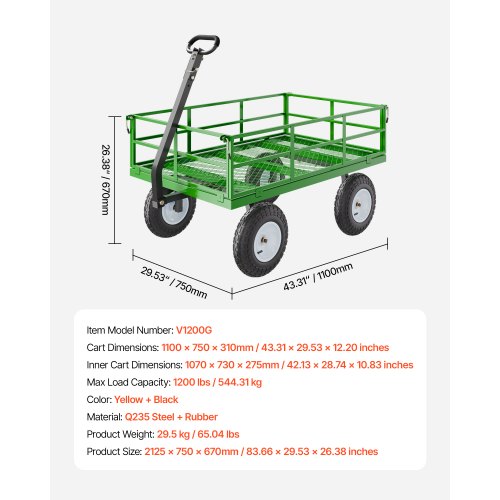
These carts hold between 800 to 1,200 pounds or more. They have thick steel frames and big wheels. Heavy-duty carts help move heavy stones or large amounts of soil.
- Weight limit: 800–1,200+ pounds
- Used for stones, heavy soil, and tools
- Built with steel and large wheels
Credit: www.vevor.ca
How To Determine Your Cart’s Load Capacity
Knowing the maximum weight your garden cart can hold is important. It helps you avoid damage and keep your cart safe.
There are two main ways to find out your cart’s load capacity. These are checking the manufacturer specifications and testing the load in practice.
Manufacturer Specifications
Manufacturers list the maximum weight a garden cart can carry. This number is often on a label or in the user manual.
This weight limit includes the cart’s total load, such as soil, plants, or tools. It is tested by the maker to ensure safety.
- Check the cart’s label or manual for weight limits
- Weight limits usually range from 200 to 600 pounds
- Do not exceed the listed maximum weight
Testing Load In Practice
You can test your cart’s load by adding weight gradually. Start with light loads and increase slowly to find a safe limit.
Observe how the cart handles the load. Watch for signs like difficulty pushing, wheel strain, or frame bending.
- Begin with light loads to avoid sudden damage
- Notice if the cart moves smoothly and wheels spin well
- Stop adding weight if the cart feels hard to push
- Use this test to find your cart’s practical load limit
Risks Of Overloading Garden Carts
Garden carts are useful tools to move heavy loads easily. Yet, putting too much weight can cause serious problems. Knowing the risks helps keep your cart safe and working well.
Overloading a garden cart can damage its parts and make it unsafe to use. It also makes the cart harder to control. Let’s look at the main risks of carrying too much weight.
Damage To Cart Components
Too much weight can break or wear out parts of your garden cart. The frame, wheels, and axles are at high risk. Damage may lead to costly repairs or replacing the cart.
- Frame bending or cracking:Heavy loads stress the metal or wood frame.
- Wheel damage:Tires may burst or axles may bend under excess weight.
- Loose or broken fasteners:Bolts and screws can loosen or snap.
- Handle strain:Handles may warp or break, making the cart hard to push.
Safety Hazards
Overloaded carts can cause accidents. They might tip over or lose control, hurting the user or others nearby. Carrying more than the limit also increases the chance of injury.
| Risk | Possible Outcome |
| Cart tipping | Spills load and can injure user |
| Wheel failure | Sudden stop causes falls or collisions |
| Handle breakage | Loss of control, possible injuries |
| Strain injuries | Muscle or back pain from pushing too hard |
Reduced Maneuverability
Heavy loads make it hard to steer and stop the garden cart. You may struggle to move the cart on rough or uneven ground. This reduces your work speed and increases the chance of accidents.
- Difficulty turning the cart
- Longer stopping distances
- Increased effort needed to push or pull
- Risk of losing control on slopes or uneven surfaces
Tips For Maximizing Load Efficiency
Knowing the maximum weight your garden cart can hold helps you use it safely. Loading it right keeps your work easier and avoids damage.
These tips will help you carry more without risking your cart or your safety.
Even Weight Distribution
Spread the load evenly across the cart bed. Uneven weight can make the cart tip or strain its frame.
Place heavy items in the center and lighter items around them to keep balance.
- Center heavy loads to lower the risk of tipping
- Avoid stacking all weight on one side
- Keep the load flat to prevent shifting during movement
Proper Loading Techniques
Load your garden cart carefully to protect it and yourself. Lift items properly and place them gently.
Stack items so they won’t fall off while moving. Use straps if needed to secure the load.
- Lift with your legs, not your back
- Place heavier items first for a stable base
- Fill gaps with smaller items to prevent shifting
- Use straps or ropes to tie down loose items
Regular Maintenance
Keep your garden cart in good shape to handle its maximum weight. Check tires, handles, and the cart bed often.
Fix or replace broken parts quickly. A well-maintained cart lasts longer and carries loads safely.
- Check tire pressure and inflate as needed
- Tighten loose bolts and screws
- Clean dirt and debris after use
- Inspect for cracks or rust regularly
Upgrading Or Reinforcing Your Garden Cart
Garden carts have weight limits that you should not ignore. Upgrading or reinforcing your cart helps carry heavier loads safely.
Improving wheels, frame, and load supports increases your cart’s strength. These upgrades extend its life and improve performance.
Adding Stronger Wheels
Wheels bear most of the cart’s weight. Stronger wheels reduce wear and help carry more weight.
- Choose wheels with thicker rubber for better durability.
- Use larger diameter wheels to roll over rough ground easily.
- Pick wheels with metal hubs to support heavy loads.
- Check for sealed bearings to reduce friction and last longer.
Reinforcing Frame Structures
The frame holds the cart together and supports the weight. Reinforcing it prevents bending or breaking.
| Material | Benefit | Common Use |
| Steel | Strong and durable | Heavy-duty carts |
| Aluminum | Lightweight and rust-resistant | Medium loads |
| Wood | Easy to repair | Light loads |
Adding metal braces or crossbars increases frame strength. Welding joints or using strong bolts helps secure parts firmly.
Using Load Supports
Load supports keep your cart steady and stop the weight from shifting. They help balance heavy loads safely.
- Side rails to hold items in place
- Load straps or bungee cords to secure cargo
- Flat boards or panels to spread weight evenly
- Reinforced bottom plates for heavy items

Credit: oypla.com
Frequently Asked Questions
What Is The Typical Maximum Weight For A Garden Cart?
Most garden carts handle between 300 to 600 pounds. The exact limit depends on materials and design. Heavy-duty models can support more weight for larger tasks.
How To Find A Garden Cart’s Weight Capacity?
Check the product label or manual for weight limits. Manufacturer websites often list maximum load specifications. This ensures safe and efficient use of the cart.
Can Overloading A Garden Cart Cause Damage?
Yes, exceeding weight limits can strain wheels and frame. Overloading reduces maneuverability and may cause breakage. Always follow the recommended weight capacity for safety.
Do Garden Cart Weight Limits Vary By Type?
Yes, plastic carts typically hold less weight than metal ones. Larger wheels and sturdy frames increase capacity. Choose a cart based on your gardening needs.
Conclusion
Choosing a garden cart with the right weight limit matters a lot. It keeps your work safe and easy. Don’t overload the cart, or it might break or become hard to move. Check the cart’s label to know the maximum weight it can hold.
A good cart makes gardening less tiring and more fun. Always pick one that fits your needs. That way, you get the best help for your garden tasks. Simple steps like these save time and effort every day.
