
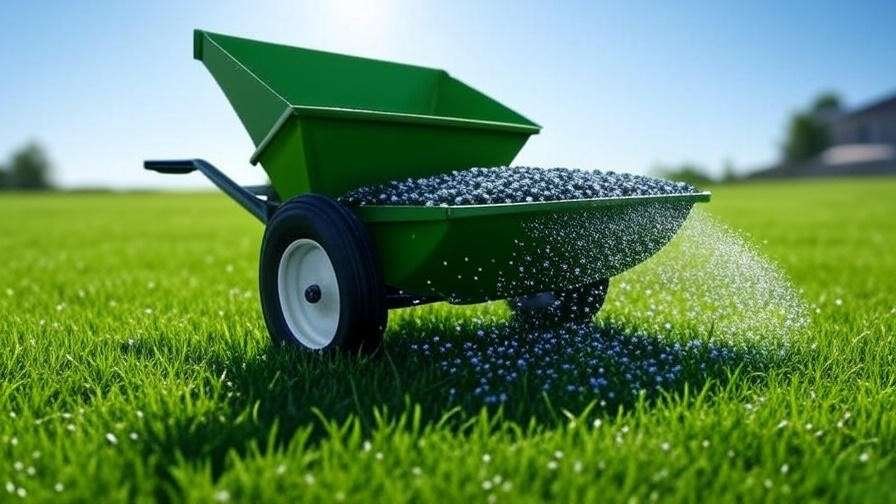
Are you thinking about using a broadcast spreader for your lawn or garden? Before you make a decision, it’s important to know both the good and the not-so-good sides of this tool.
Understanding the pros and cons will help you get the best results while saving time and money. You’ll discover how a broadcast spreader can make your work easier—and when it might cause more hassle than it’s worth. Keep reading to find out if this is the right choice for your outdoor needs.
Credit: treecarezone.com
Types Of Broadcast Spreaders
Broadcast spreaders help spread seeds, fertilizer, and other materials over large areas. They come in different types to fit various needs and budgets.
Choosing the right spreader makes your work easier and faster. Here are the main types of broadcast spreaders you can use.
Handheld Spreaders
Handheld spreaders are small and light. You hold them in one hand and walk to spread materials.
They work well for small yards or gardens. You can control the amount spread easily.
- Easy to carry and store
- Best for small jobs
- Limited capacity
- Requires walking and manual effort
Push Broadcast Spreaders
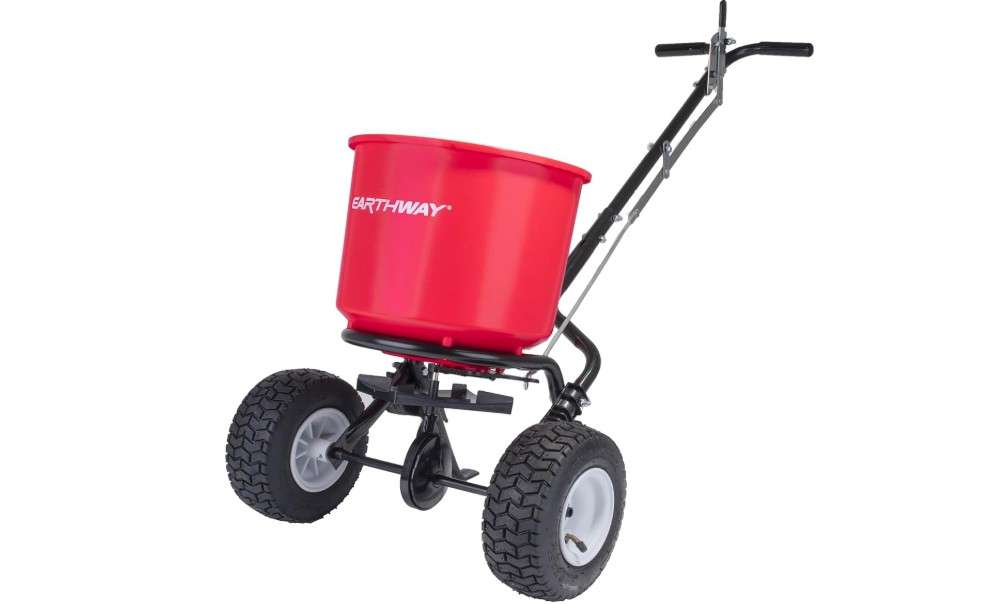
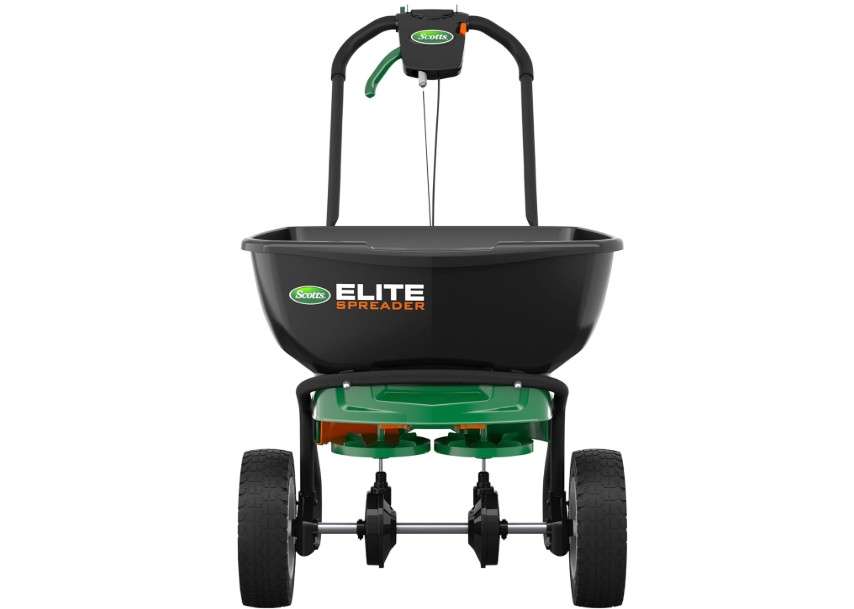
Push broadcast spreaders have wheels and a hopper. You push them while walking, and the spreader releases material evenly.
They cover more ground than handheld spreaders. They work well for medium-sized lawns.
- Larger capacity than handheld spreaders
- Easy to use by walking and pushing
- Good for medium lawn sizes
- Needs some physical effort
Tow-behind Spreaders
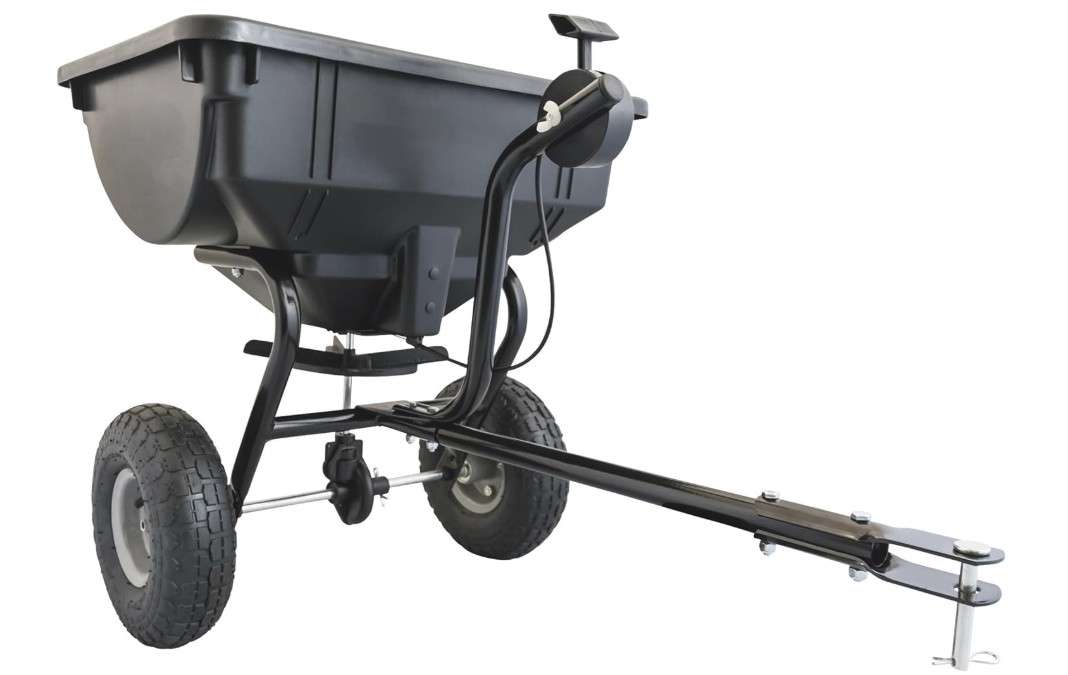
Tow-behind spreaders attach to lawn tractors or ATVs. They have large hoppers and cover big areas fast.
These are best for large lawns, farms, or fields. They reduce manual work by using a vehicle to pull them.
- Very large capacity
- Fast coverage of big areas
- Needs a tractor or ATV to pull
- More expensive and bulky
Benefits Of Broadcast Spreaders
Broadcast spreaders help spread materials over large areas quickly. They are useful for lawns, gardens, and farms.
This tool saves time and effort by covering wide spaces evenly. It works well with many types of materials.
Wide Coverage Area
Broadcast spreaders cover a broad area with each pass. This makes them efficient for large lawns or fields.
The spreader distributes materials in a fan shape, reaching places that are hard to access by hand.
Ease Of Use
Broadcast spreaders are simple to operate. Most models have easy controls to adjust the spread rate.
They reduce the need for bending or carrying heavy loads, making yard work less tiring.
Versatility With Materials
These spreaders work well with many materials. You can use them for seeds, fertilizers, and ice melt.
- Grass seeds
- Fertilizer pellets
- Herbicides
- Ice and snow melt
Drawbacks Of Broadcast Spreaders
Broadcast spreaders are popular for spreading seeds and fertilizer over large areas. They offer speed but come with some drawbacks. Understanding these issues helps users decide if this tool fits their needs.
This article discusses three main problems with broadcast spreaders. They include uneven distribution, wind drift, and material waste. Each problem can affect the quality of lawn or field care.
Potential For Uneven Distribution
Broadcast spreaders can scatter materials unevenly. The spinning mechanism may throw more material to one side. This causes some areas to get too much, while others get too little.
- Overlapping passes can cause buildup in some spots.
- Speed changes affect how much material is spread.
- Blockages or clogs in the spreader may stop flow.
- Incorrect settings lead to uneven coverage.
Wind Drift Issues
Wind can blow the spread material off course. This reduces accuracy and wastes products. It also risks spreading chemicals to unwanted areas, such as sidewalks or flower beds.
| Wind Speed | Effect on Spread Pattern |
| 0-5 mph | Minimal drift, mostly accurate |
| 6-10 mph | Noticeable drift, uneven coverage |
| Over 10 mph | Significant drift, poor results |
Material Waste Concerns
Broadcast spreaders can waste material if not used carefully. Excess spread means more cost and possible harm to the environment. Waste happens from spills, over-application, and spreading off-target areas.
Ways to reduce waste:
- Use correct spreader settings for your material.
- Spread only when winds are calm.
- Maintain your spreader to avoid leaks or clogs.
- Mark lawn edges to avoid spreading onto paths.
Credit: treecarezone.com
Comparing Broadcast And Drop Spreaders
Broadcast and drop spreaders are common tools for spreading seed, fertilizer, or lawn treatments. Each tool works differently and suits different needs.
Understanding their differences helps you pick the right spreader for your yard or garden.
Distribution Patterns
Broadcast spreaders throw material widely in a broad arc. This covers large areas quickly but can be less precise.
Drop spreaders release material straight down in a narrow path. This gives even coverage but takes more time.
- Broadcast spreaders cover wide areas fast.
- Drop spreaders provide precise, uniform coverage.
- Broadcast spreaders may cause waste near edges.
- Drop spreaders reduce overlap and waste.
Suitability For Different Tasks
Broadcast spreaders work well for large lawns and spreading products like fertilizer and grass seed.
Drop spreaders suit smaller areas, flower beds, or places needing careful application.
| Task | Broadcast Spreader | Drop Spreader |
| Large lawn fertilizing | Good | Slow |
| Seeding grass | Efficient | Precise |
| Flower beds | Not ideal | Best |
| Spot treatments | Poor | Excellent |
Cost And Maintenance
Broadcast spreaders usually cost more than drop spreaders. They have moving parts that need regular care.
Drop spreaders are simpler and cheaper. They require less maintenance but cover less area quickly.
- Clean spreaders after each use.
- Check wheels and agitators for wear.
- Store in a dry place to prevent rust.
- Adjust settings according to material type.
Choosing The Right Broadcast Spreader
Choosing the right broadcast spreader can make lawn care easier and more effective. It helps you spread seeds, fertilizer, or salt evenly over your lawn.
Different spreaders work better for different lawns and materials. Knowing what to look for can save time and money.
Considering Lawn Size
Big lawns need larger spreaders with wide coverage. Small lawns can use compact spreaders for better control.
- Large lawns: choose a spreader with a wide spread width
- Medium lawns: a mid-sized spreader works well
- Small lawns: use a handheld or small push spreader
Material Compatibility
Not all spreaders work with every material. Some are better for seeds, others for fertilizers or ice melt.
| Material | Best Spreader Type |
| Grass Seed | Drop or broadcast spreader with fine settings |
| Fertilizer | Broadcast spreader with adjustable flow |
| Ice Melt | Heavy-duty broadcast spreader |
Budget And Durability
Spreader prices vary. Cheaper models may wear out fast. Durable spreaders cost more but last longer.
- Set a budget before shopping.
- Look for sturdy materials like metal or high-quality plastic.
- Check user reviews for durability feedback.
- Consider warranty and replacement parts.
Maintenance Tips For Longevity
Broadcast spreaders need regular care to last long and work well. Proper maintenance saves money and keeps your equipment ready.
Simple steps after each use help avoid damage. Clean parts and store the spreader correctly to protect it from wear and tear.
Cleaning After Use
Always clean your broadcast spreader right after use. Leftover materials can cause rust and block moving parts.
- Empty all leftover fertilizer or seed from the hopper.
- Use a brush or cloth to remove dirt and debris.
- Rinse with water but avoid soaking electrical parts.
- Dry the spreader completely before storing it.
Storage Best Practices
Store the spreader in a dry, sheltered place to prevent rust and damage. Avoid leaving it outside in harsh weather.
| Storage Tip | Reason |
| Keep off the ground on a shelf or pallet | Prevents moisture damage |
| Cover with a tarp or plastic sheet | Keeps dust and dirt away |
| Store indoors during winter | Protects from freezing and cracking |
| Lock or secure the spreader | Prevents theft or accidents |
Regular Inspection
Check your broadcast spreader often for signs of wear or damage. Fix small problems early to avoid costly repairs.
- Look for rust or corrosion on metal parts.
- Test wheels and spreading mechanism for smooth motion.
- Check fasteners and tighten loose bolts.
- Replace worn or broken parts immediately.
- Lubricate moving parts as recommended by the manual.
Credit: treecarezone.com
Frequently Asked Questions
What Are The Main Benefits Of Broadcast Spreaders?
Broadcast spreaders cover large areas quickly and evenly. They reduce manual labor and save time. These spreaders are easy to use and adjust for different materials like seed, fertilizer, or salt.
Are Broadcast Spreaders Suitable For Small Lawns?
Broadcast spreaders can be less precise on small lawns. They may spread material beyond desired areas. For small lawns, drop spreaders might offer better control and reduce waste.
How Accurate Is Material Distribution With Broadcast Spreaders?
Broadcast spreaders provide moderate accuracy. Wind and speed can affect distribution. Proper calibration and consistent walking pace improve even spreading and reduce material waste.
What Maintenance Do Broadcast Spreaders Require?
Regular cleaning prevents clogging and rust. Check and lubricate moving parts frequently. Store in a dry place to extend the spreader’s lifespan and maintain optimal performance.
Conclusion
Choosing a broadcast spreader involves weighing its pros and cons. These tools offer efficiency in spreading seeds and fertilizers. They save time and reduce manual labor. But, they can sometimes be less precise. This may lead to uneven distribution. Consider your lawn size and needs.
Smaller areas might not require such equipment. Larger lawns can benefit from faster coverage. Always balance cost, convenience, and precision. Make an informed decision based on your specific requirements. Understanding the strengths and weaknesses helps you choose wisely. Make your lawn care tasks easier and more effective.
