
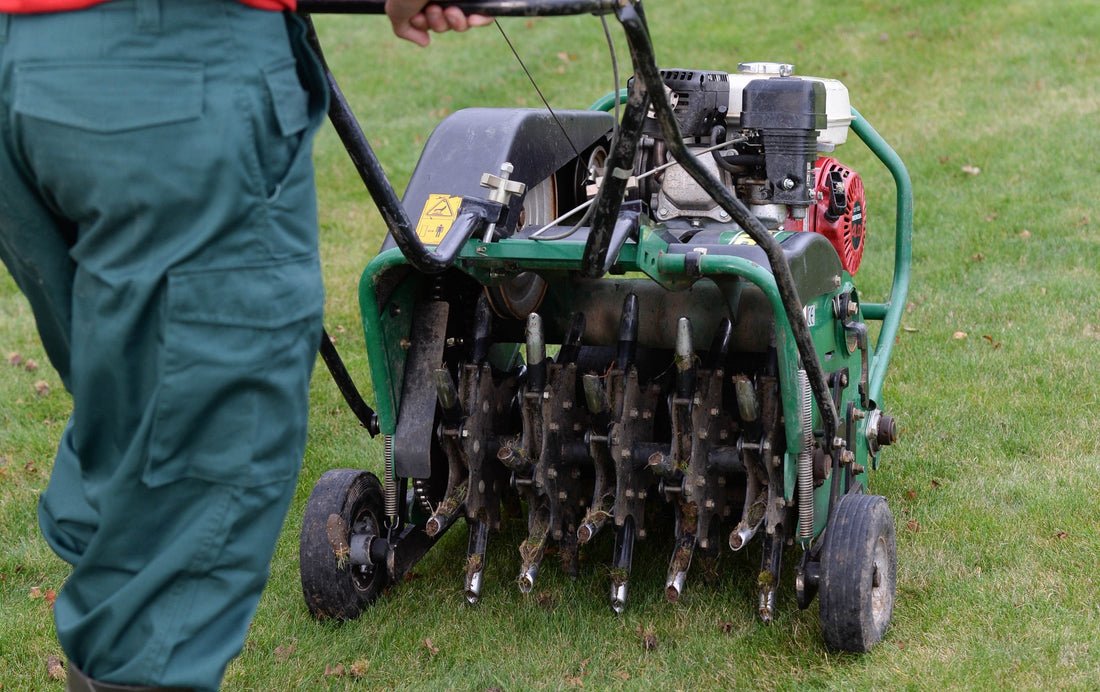
Are you wondering if lawn aeration is really worth the effort? You’ve probably heard that it can improve your grass’s health, but does it live up to the hype?
Your lawn is more than just a patch of green—it’s a place where memories are made, and first impressions are formed. Imagine having a lush, vibrant yard that stands out in your neighborhood without spending hours on constant upkeep. You’ll discover what lawn aeration does, why it might be exactly what your yard needs, and how it can save you time and money in the long run.
Keep reading to find out if aerating your lawn is the game-changer you’ve been searching for.
Why Lawn Aeration Matters
Lawn aeration helps keep your grass healthy and strong. It makes small holes in the soil to let air, water, and nutrients reach the roots.
This process is important for lawns that get heavy use or have clay soil. Aeration supports better growth and a greener lawn.
Soil Compaction And Its Effects
Soil compaction happens when the soil gets packed tightly. This stops air and water from reaching grass roots.
Compacted soil causes shallow roots and weak grass. It also makes the lawn dry and less able to fight pests.
- Water pools on the surface and does not soak in
- Roots cannot grow deep to find nutrients
- Grass becomes thin and patchy
- Weeds and pests can take over easily
How Aeration Improves Lawn Health
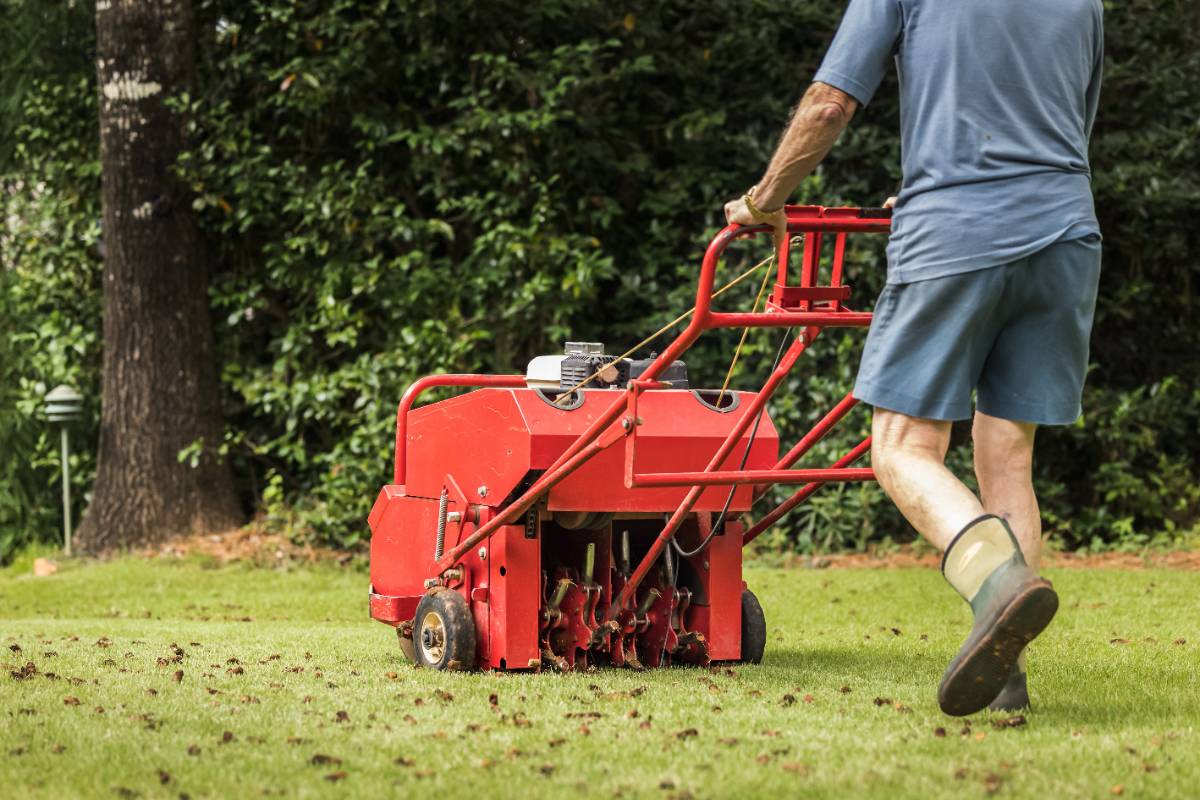
Aeration breaks up compacted soil by making small holes. This allows air, water, and nutrients to reach deep roots.
Better root growth means grass grows thicker and stronger. Aeration helps the lawn recover from stress and stay green.
- Improves water absorption
- Increases nutrient uptake
- Reduces soil compaction
- Promotes stronger root growth
- Helps grass resist heat and drought
Credit: www.lawnstarter.com
Key Benefits Of Aerating Your Lawn
Aerating your lawn means making small holes in the soil. This helps air, water, and nutrients reach the grass roots.
This process improves lawn health and makes grass grow stronger. Here are some key benefits of aeration.
Enhanced Nutrient Absorption
Aeration helps nutrients move deeper into the soil. This lets grass roots take in more food for growth.
Better nutrient absorption leads to greener and healthier grass. It also reduces the need for extra fertilizers.
Improved Water Penetration
Soil can become hard and compacted, stopping water from soaking in. Aeration creates space for water to enter.
This helps water reach the roots instead of running off the surface. It reduces water waste and keeps grass hydrated.
Stronger Root Development
By loosening the soil, aeration makes it easier for roots to grow deep. Strong roots support healthy grass growth.
Deep roots help grass survive droughts and stress. They also improve the lawn’s overall resilience.
Reduced Thatch Buildup
Thatch is a layer of dead grass and roots on the soil surface. Too much thatch blocks water and nutrients.
Aeration breaks up thatch and helps it decompose faster. This keeps the lawn clean and healthy.
When To Aerate Your Lawn
Aerating your lawn helps grass grow better by letting air, water, and nutrients reach the roots. Knowing the right time to aerate can make a big difference.
Timing depends on your grass type and local climate. Aerate when your lawn can heal quickly and grow strong.
Best Seasons For Aeration
The best seasons to aerate depend on your grass type. Cool-season grasses do well in early spring or fall. Warm-season grasses benefit most in late spring or early summer.
- Cool-season grasses: aerate in early spring or fall
- Warm-season grasses: aerate in late spring or early summer
- Avoid aerating during very hot or dry periods
- After aerating, water your lawn to help recovery
Signs Your Lawn Needs Aeration
Look for signs that show your lawn may need aeration. These signs help you know when to act for a healthier lawn.
- Water pools on the surface without soaking in
- Grass looks thin or patchy in some areas
- Soil feels hard and compacted when pressed
- Grass roots are shallow or weak
- Heavy foot traffic or lawn use causes damage
Different Aeration Methods
Lawn aeration helps grass grow strong by improving soil air and water flow. It reduces soil compaction and thatch buildup.
There are different ways to aerate your lawn. Each method has its own benefits and tools.
Core Aeration
Core aeration removes small plugs of soil from the lawn. This creates holes for air, water, and nutrients to reach roots.
This method reduces soil compaction and helps grass grow deeper roots. It is good for heavy clay soils.
Spike Aeration
Spike aeration pokes holes in the soil using solid tines or spikes. It does not remove soil plugs.
This method loosens the soil surface but may not improve deep soil aeration as well as core aeration.
Choosing The Right Tool
Choose tools based on your lawn size and soil type. Core aerators work well for large or compacted lawns.
Spike aerators fit small lawns or light compaction. Manual or powered tools are available for both types.
- Core aerators: remove soil plugs for deep aeration
- Spike aerators: create holes without removing soil
- Manual tools: best for small areas
- Powered tools: save time on large lawns
How To Prepare And Care For Your Lawn Post-aeration
Lawn aeration helps your grass grow better by letting air and water reach the roots. After aeration, your lawn needs special care to stay healthy.
Proper preparation and care can make the most of aeration. This guide explains how to water, fertilize, and overseed your lawn after aeration.
Watering Tips After Aeration
Water your lawn soon after aeration to help the soil settle. Moist soil lets roots take in oxygen and nutrients easier.
Keep the soil moist but not soaked for the first week. Too much water can drown roots and cause disease.
- Water deeply for 15 to 30 minutes per session
- Water once or twice daily during the first week
- Reduce watering frequency as grass grows
- Water early in the morning to reduce evaporation
Fertilizing To Maximize Results
Fertilize your lawn after aeration to feed the grass and boost growth. The holes allow nutrients to reach the roots faster.
Use a fertilizer with a balance of nitrogen, phosphorus, and potassium. This mix helps roots grow strong and green leaves develop.
- Apply fertilizer within 48 hours after aeration
- Follow package instructions for proper amounts
- Choose slow-release fertilizers for steady feeding
- Water lightly after fertilizing to help absorption
Overseeding Opportunities
Aeration creates perfect spots to plant new grass seed. Overseeding fills in thin or bare areas and improves lawn thickness.
Choose grass seed that matches your current lawn type. Spread the seed evenly for the best results.
- Seed right after aeration for good soil contact
- Rake lightly to cover seeds with soil
- Keep soil moist to help seeds germinate
- Avoid heavy foot traffic on seeded areas

Credit: www.countryliving.com
Common Myths About Lawn Aeration
Lawn aeration helps grass grow better by letting air, water, and nutrients reach the roots. Many people have wrong ideas about aeration. These myths can stop them from caring for their lawn properly.
Understanding the truth about aeration can help you keep a healthy lawn. Let’s look at some common myths and the facts behind them.
Aeration Harms The Lawn
Some people think aeration damages the lawn. They believe poking holes makes grass weak or sick. This is not true. Aeration actually helps grass grow stronger.
Aeration breaks up compacted soil. This gives roots more space to grow. It also improves water and nutrient flow. The small holes close up quickly and help the lawn stay healthy.
- Aeration reduces soil compaction
- It improves root growth
- It helps water and nutrients reach roots
- It does not harm grass if done properly
Aeration Is Only For Large Lawns
Many believe aeration is only for big lawns. This is false. Even small yards can benefit from aeration. Compact soil affects all lawn sizes.
Small lawns can get thicker and healthier with aeration. It helps grass roots get more air and nutrients. You do not need a large space to see good results.
- Small lawns often have compacted soil too
- Aeration helps grass grow better everywhere
- It improves water absorption in any lawn size
- Regular aeration keeps all lawns healthy
Cost Vs. Value: Is Aeration Worth It?
Lawn aeration helps your grass grow healthier by improving air, water, and nutrient flow. It can make your lawn greener and stronger.
Many people wonder if aeration is worth the cost. This depends on how much you pay and the benefits you get.
Diy Aeration Vs. Professional Services
Doing aeration yourself costs less but needs time and effort. You can rent or buy tools like a spike or plug aerator.
Professional services cost more but save you work. Experts use better machines and do the job faster and well.
- DIY is cheaper but takes more time and work
- Professionals cost more but give better results
- DIY tools may not cover large lawns easily
- Pros can spot other lawn problems during service
Long-term Lawn Savings
Aeration helps your lawn use water and fertilizer better. This lowers your lawn care costs over time.
A healthy lawn needs fewer chemicals and less watering. You save money on treatments and water bills in the long run.
- Less need for fertilizers and pesticides
- Reduced water use because soil absorbs moisture well
- Stronger grass resists weeds and pests naturally
- Fewer lawn repairs and reseeding costs

Credit: www.countryliving.com
Frequently Asked Questions
What Is Lawn Aeration?
Lawn aeration is the process of perforating the soil with small holes. This allows air, water, and nutrients to penetrate deep into the grass roots. It helps the roots grow deeply and produce a stronger, more vigorous lawn. Aeration alleviates soil compaction, which can hinder the growth of grass.
How Often Should You Aerate Your Lawn?
The frequency of aeration depends on the type of soil and lawn usage. Generally, lawns should be aerated once a year. If your lawn gets heavy use or has clay soil, consider aerating twice annually. Proper timing helps ensure the best results for your lawn’s health.
What Are The Benefits Of Lawn Aeration?
Lawn aeration improves the soil’s ability to retain water and nutrients. It reduces soil compaction and thatch buildup, promoting healthier root growth. Aeration also enhances the lawn’s resilience to drought and heat. Ultimately, it leads to a greener, thicker, and more attractive lawn.
Can You Aerate Your Lawn Yourself?
Yes, you can aerate your lawn yourself with the right tools. Manual aerators or rented mechanical aerators are effective options. Ensure you understand the process and choose the right time for aeration. Doing it yourself can be cost-effective and rewarding with the right approach.
Conclusion
Lawn aeration helps your grass grow strong and healthy. It lets air, water, and nutrients reach the roots better. This process reduces soil compaction and improves drainage. Your lawn looks greener and feels softer underfoot. Regular aeration can prevent patchy, thin grass areas.
It also helps fight lawn diseases naturally. The effort and cost are small compared to the benefits. A well-aerated lawn stays lush through dry and wet seasons. So, aeration is a smart step for lawn care. Worth the time for a beautiful yard?
Definitely.
