
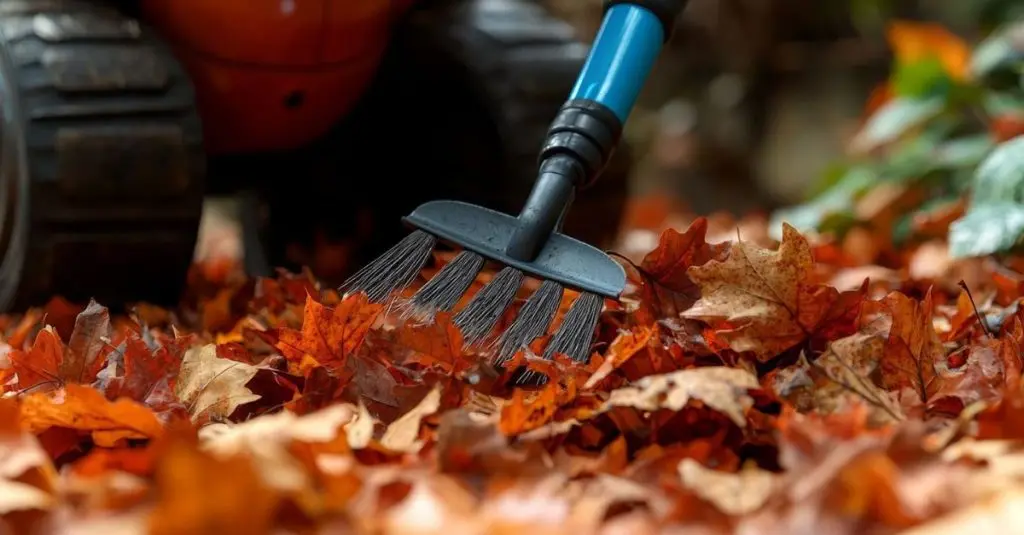
You’ve just finished using your lawn sweeper, and now it’s covered in leaves, grass clippings, and dirt. Leaving it dirty can cause damage and reduce its performance next time you need it.
But cleaning your lawn sweeper doesn’t have to be a hassle. In this post, you’ll discover simple, effective steps to get your lawn sweeper spotless and ready for the next job. Keep reading to learn how easy it can be to protect your investment and keep your lawn looking great!

Credit: www.youtube.com
Prepare For Cleaning
Cleaning your lawn sweeper after use keeps it in good shape. Proper preparation makes cleaning easier and safer.
Start by getting the right tools and placing the sweeper where you can work comfortably. This helps avoid damage and accidents.
Gather Necessary Tools
Having the right tools ready saves time and effort. These items will help you clean the sweeper thoroughly.
- Gloves to protect your hands
- Brush or broom to remove debris
- Garden hose or bucket of water
- Mild detergent for washing
- Rag or towel for drying
Position The Sweeper Properly
Place the lawn sweeper on a flat surface before you start cleaning. This makes it stable and easy to work on.
| Placement Tip | Reason |
| Flat driveway or patio | Keeps the sweeper steady |
| Near a water source | Makes rinsing quick and easy |
| Good lighting | Helps see dirt and debris clearly |
Remove Debris
Cleaning your lawn sweeper after use keeps it working well. Removing debris prevents damage and clogs.
Focus on emptying the collection bag and clearing brushes and rollers. These parts hold the most debris.
Empty The Collection Bag
Take off the collection bag carefully. Shake it to remove leaves and grass clippings.
Check for holes or tears. Replace the bag if it is damaged to keep debris contained.
Clear Brushes And Rollers
Turn the lawn sweeper upside down or on its side to access brushes and rollers. Remove stuck grass and twigs.
Use a stick or brush to clean hard-to-reach spots. Make sure brushes spin freely after cleaning.
Clean The Brushes
Cleaning the brushes of your lawn sweeper keeps it working well. Dirt and grass can get stuck in the bristles. Regular cleaning helps the brushes last longer.
After using the lawn sweeper, take time to clean the brushes properly. This will remove debris and improve performance for the next use.
Use A Brush Or Comb
Use a stiff brush or comb to clear dirt from the brushes. Gently pull out leaves, grass, and twigs tangled in the bristles. This prevents clogging and damage.
- Choose a wire brush or a fine-toothed comb
- Brush in the direction of the bristles
- Remove all stuck debris carefully
- Check for broken or bent bristles
- Clean the brush or comb after use
Handle Stubborn Dirt
Some dirt may stick tightly to the brushes. Use water and a mild detergent to loosen this dirt. Avoid soaking the whole lawn sweeper.
| Cleaning Tip | Action |
|---|---|
| Dry dirt | Use a stiff brush to remove |
| Sticky mud | Soak bristles briefly in soapy water |
| Hard debris | Use a plastic scraper carefully |
| Wet grass clumps | Rinse with a hose and brush |
After cleaning, dry the brushes fully to stop rust and wear. Store the lawn sweeper in a dry place.
Wash The Sweeper
Cleaning your lawn sweeper after use keeps it working well. Dirt and debris can build up on the parts. Washing the sweeper helps stop rust and damage.
Use water and a mild detergent to clean the machine carefully. Avoid harsh chemicals and rough scrubbing that can harm the sweeper.
Use Water And Mild Detergent
Start by rinsing the sweeper with a hose to remove loose dirt. Mix mild detergent with water in a bucket. Use a soft cloth or sponge to wash the sweeper’s surfaces. Pay attention to areas where grass clippings stick.
- Rinse with clean water first
- Use mild soap mixed with water
- Clean with soft cloth or sponge
- Rinse off all soap to avoid residue
- Dry with a towel or air dry
Avoid Sensitive Parts
Do not spray water directly on bearings or chains. These parts can rust or wear out if they get too wet. Use a dry brush or cloth to clean these areas instead. Keep electronics and moving parts dry to avoid damage.
| Part | Cleaning Method |
| Bearings | Brush or dry cloth only |
| Chains | Wipe with dry cloth, avoid water |
| Electronics | Keep dry, do not spray water |
| Plastic Parts | Wash with mild detergent |
Dry And Inspect
Cleaning your lawn sweeper after use helps it last longer. Drying and inspecting are key steps to keep it working well.
Taking time to check your sweeper prevents damage and keeps your lawn tidy every time you use it.
Air Dry The Sweeper
After cleaning, let your lawn sweeper air dry completely. This stops rust and mold from forming on metal parts.
- Place the sweeper in a dry, shaded area.
- Keep it off the ground to allow airflow underneath.
- Leave it open or unfolded if possible for faster drying.
- Wait at least a few hours or until all parts feel dry.
Check For Wear And Damage
Inspect your sweeper for worn or broken parts before storing it. This helps avoid bigger problems later.
| Part | What to Check | Action if Damaged |
|---|---|---|
| Brushes | Look for missing or bent bristles | Replace or straighten as needed |
| Wheels | Check for cracks or flat spots | Repair or swap out damaged wheels |
| Frame | Look for rust or bends | Clean rust and straighten frame |
| Hitch | Check for loose bolts or wear | Tighten bolts or replace parts |
Credit: www.vevor.com
Store Properly
Cleaning your lawn sweeper after use keeps it working well. Proper storage helps protect it from damage.
Storing the sweeper in the right way saves time and money. It also makes it ready for the next use.
Choose A Dry Location
Always store your lawn sweeper in a dry place. Moisture can cause rust and damage parts.
A dry garage or shed is best. Avoid places that get wet or have high humidity.
- Check for leaks or water problems in the storage area
- Keep the sweeper off the ground using pallets or shelves
- Ensure good air circulation to prevent dampness
Cover Or Protect The Sweeper
Cover the lawn sweeper to keep dust and dirt away. Use a tarp or a fitted cover made for equipment.
Protecting the sweeper prevents damage from sunlight and pests. It also keeps it clean and dry.
- Use a waterproof cover if stored outside
- Remove the cover occasionally to air out the sweeper
- Check the cover for tears or holes regularly
Credit: www.vevor.com
Frequently Asked Questions
How Often Should I Clean My Lawn Sweeper?
Clean your lawn sweeper after every use. Regular cleaning prevents debris buildup and maintains optimal performance. It also extends the sweeper’s lifespan and ensures efficient lawn care.
What Tools Do I Need To Clean A Lawn Sweeper?
You need a stiff brush, garden hose, mild detergent, and a screwdriver. These tools help remove debris, dirt, and stuck grass effectively from your lawn sweeper.
Can I Use A Pressure Washer On My Lawn Sweeper?
Avoid using a pressure washer as it can damage brushes and bearings. Instead, use a garden hose with moderate water pressure for safe cleaning.
How Do I Remove Stuck Grass And Debris?
Use a stiff brush or stick to dislodge debris from brushes and wheels. For stubborn dirt, apply mild detergent and rinse thoroughly to prevent clogging.
Conclusion
Cleaning a lawn sweeper regularly extends its life. It ensures efficient performance every time. After each use, remove debris and grass. Rinse thoroughly with water, removing stuck dirt. Dry the sweeper completely before storage. This prevents rust and damage. Regular maintenance saves time and money.
You keep your lawn sweeper ready for the next use. A clean sweeper makes lawn care easier. Follow these steps and enjoy a tidy, beautiful yard. Happy sweeping!
