
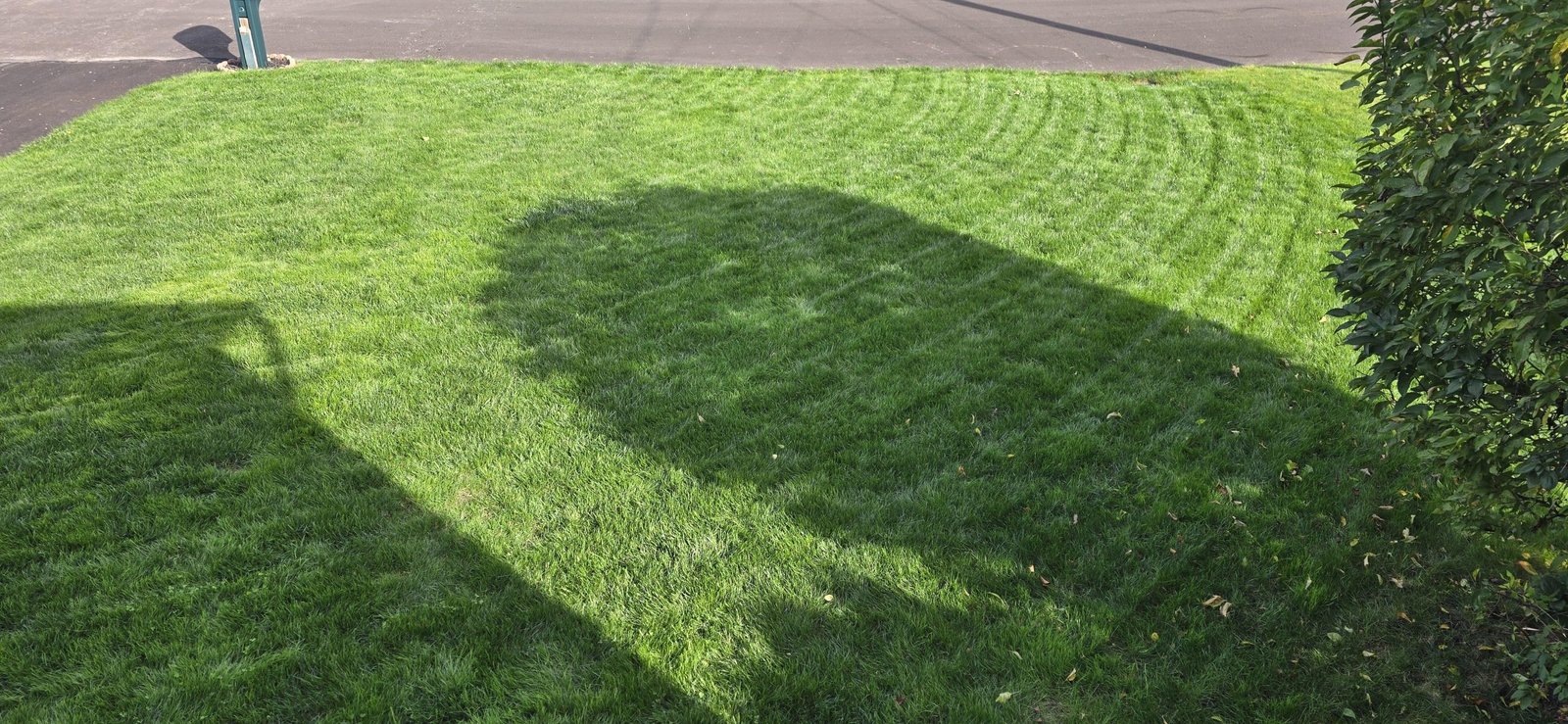
Are you wondering how long it takes to see results after dethatching your lawn? You’re not alone.
Dethatching can transform your yard, but the waiting game can be frustrating. Knowing what to expect and when you’ll start seeing a healthier, greener lawn can help you stay patient and motivated. You’ll discover the timeline for visible improvements and what factors can speed up or slow down the process.
Keep reading to learn exactly when your hard work will pay off and how to get the best results from dethatching.
Credit: www.yourgreenpal.com
What Is Dethatching
Dethatching is the process of removing a layer of dead grass and roots from your lawn. This layer is called thatch and it can stop water and nutrients from reaching the soil.
Removing thatch helps your lawn grow healthier and greener. It makes the grass stronger and stops problems like fungus and pests.
Causes Of Thatch Build-up
Thatch builds up when dead grass and roots do not break down quickly. This happens more in some lawns than others.
Thatch can grow fast if the soil is compacted or if you water too much. Using too much fertilizer also helps thatch grow.
- Soil compaction stops breakdown of dead material
- Overwatering creates moist conditions for thatch
- Excess fertilizer encourages thick grass and thatch
- Grass types like Bermuda and Kentucky bluegrass create more thatch
- Poor lawn care slows natural decay of dead grass
Benefits Of Removing Thatch
Removing thatch improves air, water, and nutrient flow in the soil. It helps roots grow deeper and stronger.
Dethatching also reduces lawn diseases and pests. It makes your lawn look neat and healthy.
- Better water absorption
- Improved nutrient uptake
- Stronger root development
- Reduced risk of disease and pests
- Cleaner, greener lawn appearance

Credit: www.reddit.com
Immediate Effects After Dethatching
Dethatching clears the layer of dead grass and debris on your lawn. This process helps air, water, and nutrients reach the soil.
Seeing results right after dethatching depends on several factors, including lawn type and weather. Here are the common immediate effects.
Visible Changes In Lawn Appearance
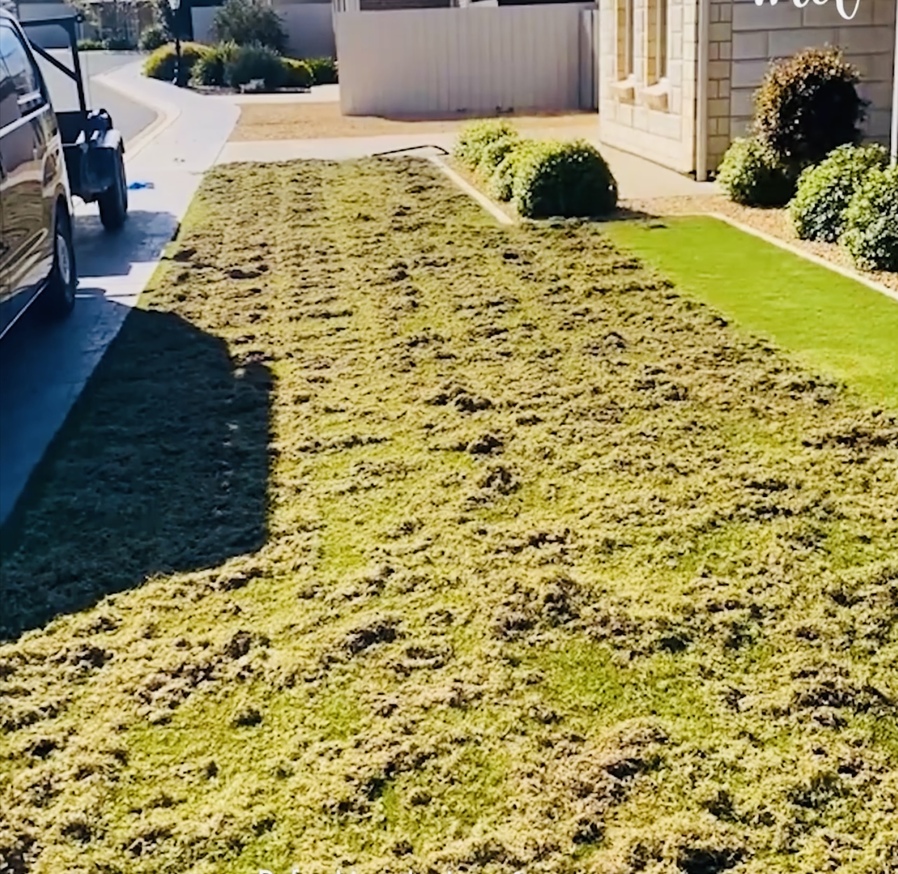
Right after dethatching, your lawn may look uneven or patchy. This is normal because the thatch layer is removed and some grass blades may be disturbed.
- The lawn surface feels rough or bumpy
- Grass blades may look shredded or torn
- Color might appear dull until grass recovers
- Some bare spots could be visible temporarily
Initial Stress On Grass
| Stress Factor | Effect on Grass | Time to Recover |
|---|---|---|
| Physical Damage | Grass blades and roots are cut or disturbed | 1 to 2 weeks |
| Reduced Water Retention | Soil may dry faster without thatch protection | Several days to 1 week |
| Increased Sun Exposure | Grass may get sunburned or wilt temporarily | Few days with proper watering |
Timeline For Lawn Recovery
Dethatching helps remove dead grass and debris from your lawn. This process allows your grass to grow better. Knowing how long it takes to see results can help you care for your lawn properly.
The recovery time depends on your grass type and weather conditions. Here is a simple timeline to guide you after dethatching.
First Week: Signs To Expect
Right after dethatching, your lawn may look rough. You will see small patches of bare soil. Grass blades might be shorter and thin. This is normal because the thatch layer is gone.
You should keep your lawn moist during this time. Avoid heavy foot traffic to prevent damage. Look for early signs of new grass shoots.
- Thinner grass coverage
- Visible soil patches
- Small new grass shoots may appear
- Soil feels loose and airy
Two To Four Weeks: Growth And Improvement
During weeks two to four, your lawn should start to grow back. Grass blades become greener and thicker. The soil settles and holds moisture better. You will notice fewer bare spots.
Fertilizing and watering regularly helps the lawn recover faster. Keep mowing carefully to avoid stressing new growth. This phase shows clear improvement in lawn health.
- Grass grows taller and thicker
- Color changes to a healthy green
- Fewer bare patches visible
- Soil structure improves
One To Two Months: Full Recovery
After one to two months, your lawn should be fully recovered. The grass forms a dense, green carpet. The soil is well aerated and nourished. Your lawn looks healthy and strong again.
At this stage, normal lawn care routines work best. Continue watering and mowing regularly. Avoid heavy use to keep the lawn in good shape.
- Thick, lush grass coverage
- Healthy green color throughout
- Strong root system
- Minimal bare soil visible

Credit: stripemasterslawns.com
Factors Influencing Recovery Speed
After dethatching your lawn, the time it takes to see results varies. Several factors affect how fast your grass recovers. Understanding these can help you care for your lawn better.
Some lawns bounce back quickly, while others need more time. The type of grass, weather, and aftercare all play roles in recovery speed.
Grass Type And Health
The kind of grass you have affects how fast it grows back. Healthy grass recovers faster than weak or damaged grass. Cool-season grasses like fescue and bluegrass often take longer to heal than warm-season grasses like Bermuda and zoysia.
- Warm-season grasses recover in 1 to 2 weeks.
- Cool-season grasses can take 3 to 4 weeks.
- Lawns in poor health may need extra care and time.
Season And Weather Conditions
Season and weather have a big impact on recovery. Grass grows faster in warm, moist conditions. Cold or dry weather slows growth. Dethatching during peak growing seasons helps your lawn heal quicker.
| Season | Temperature Range | Recovery Time |
| Spring | 60°F – 75°F (15°C – 24°C) | 2 – 3 weeks |
| Summer | 75°F – 90°F (24°C – 32°C) | 1 – 2 weeks |
| Fall | 55°F – 70°F (13°C – 21°C) | 3 – 4 weeks |
| Winter | Below 55°F (13°C) | 4+ weeks or dormancy |
Aftercare Practices
How you care for your lawn after dethatching affects recovery speed. Proper watering, mowing, and fertilizing help the grass regrow strong and fast.
Tips for Aftercare:
- Water your lawn deeply but less often to encourage roots.
- Wait until grass grows back before mowing again.
- Use a balanced fertilizer to provide nutrients.
- Avoid heavy foot traffic on the lawn while it recovers.
- Remove any leftover thatch debris to allow sunlight and air.
Tips To Speed Up Results
After dethatching your lawn, you want to see improvements fast. Following some key tips helps your grass recover quickly.
These tips focus on watering, fertilizing, and common mistakes to avoid. They make your lawn healthier and green sooner.
Proper Watering Techniques
Watering your lawn correctly is very important after dethatching. Too little water slows recovery. Too much water can cause problems.
- Water deeply to reach roots but less often
- Early morning watering reduces evaporation
- Keep soil moist but not soggy
- Avoid watering late in the evening to stop disease
Fertilization Guidelines
Using fertilizer helps grass grow strong after dethatching. Choose the right type and apply it carefully.
| Fertilizer Type | Best Time to Apply | Benefits |
| Slow-release nitrogen | Right after dethatching | Feeds grass steadily |
| Phosphorus-rich | If soil test shows low phosphorus | Supports root growth |
| Potassium fertilizer | Before stress periods like summer | Improves lawn resilience |
Avoiding Common Mistakes
Some errors slow down your lawn’s healing. Avoid these to speed up results and keep grass healthy.
- Do not dethatch too often; it stresses grass
- Avoid mowing too short after dethatching
- Do not apply fertilizer on dry soil
- Keep pets off the lawn until grass grows back
When To Consider Professional Help
Dethatching can improve your lawn’s health. Sometimes, it is hard to know if you should do it yourself or call a pro.
Knowing when to seek professional help saves time and prevents lawn damage. Here are signs and tips to guide your choice.
Signs Of Lawn Damage
Look for these signs to know if your lawn needs expert care after dethatching.
- Brown or dead patches that do not grow back
- Soil compaction making it hard to push a shovel in
- Persistent thatch layer thicker than half an inch
- Uneven surface and bare spots
- Grass that looks weak or thin
If you see many of these signs, a professional can assess the damage and plan treatment.
Choosing The Right Service
Not all lawn services are the same. Professionals offer different treatments based on your lawn’s needs.
| Service | Purpose | When to Use |
| Dethatching | Remove thick thatch layer | Thatch over 0.5 inches thick |
| Aeration | Loosen compacted soil | Hard soil, poor drainage |
| Overseeding | Fill bare spots and thin grass | Patchy or weak lawn areas |
| Fertilization | Boost grass growth and health | Lawn looks pale or grows slowly |
Choose a service that fits your lawn’s current condition. Professionals can combine treatments for best results.
Frequently Asked Questions
How Soon Will I See Results After Dethatching?
You can expect to see initial results within 1 to 2 weeks. The lawn will start to look healthier as dethatching removes dead material, improving air, water, and nutrient flow to the roots.
When Does Grass Fully Recover Post-dethatching?
Full recovery usually takes 3 to 4 weeks, depending on grass type and weather. During this time, new growth fills in and the lawn regains its density and strength.
Can Dethatching Improve Lawn Health Quickly?
Yes, dethatching boosts lawn health quickly by removing thatch buildup. This allows better oxygen and nutrient absorption, leading to faster root growth and a greener, more resilient lawn.
How Often Should I Dethatch My Lawn?
Most lawns need dethatching once every 2 to 3 years. Overdoing it can stress the grass, while too little allows thatch to build up and harm lawn health.
Conclusion
Seeing results from dethatching takes time and patience. Typically, grass begins to recover within a few weeks. Healthy growth may appear more visible after a month. Regular watering and sunlight help speed up recovery. Aeration can further support your lawn’s health.
Each lawn is unique; results may vary. Keep observing and adjusting care practices. Proper maintenance ensures a lush, green lawn. Remember, patience rewards with beautiful, thriving grass.
