
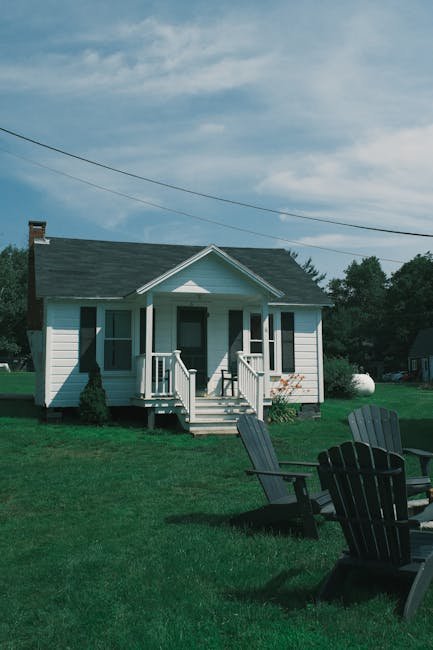
Are you tired of messy garden borders that ruin the look of your lawn? Installing rubber lawn edging is a simple way to create clean, sharp lines that make your yard look neat and well-kept.
You don’t need special tools or experience to get it right. In this guide, you’ll learn easy, step-by-step instructions to install rubber lawn edging that lasts. By the end, your garden will have a fresh, professional finish that everyone will notice.
Let’s get started and transform your outdoor space!
:max_bytes(150000):strip_icc()/spr-easyflex-no-dig-landscape-edging-kit-laura-hard-04-b601fc0708bc4522930427eca7d4168c.jpeg)
Credit: www.thespruce.com
Benefits Of Rubber Lawn Edging
Rubber lawn edging helps keep your garden neat and tidy. It creates a clear border between grass and flower beds.
This type of edging is easy to install and lasts a long time. It adds a clean look to your outdoor space.
Durability And Flexibility
Rubber edging resists weather and sunlight well. It does not crack or break easily.
The flexible material bends to fit curves and shapes in your yard. It works for straight lines and rounded beds.
Safety For Children And Pets
Rubber edging is soft and safe to touch. It reduces the chance of injuries from sharp edges.
This makes it a good choice for families with kids or pets running around the yard.
Eco-friendly Material
Many rubber lawn edgings are made from recycled tires. Using them helps reduce waste in landfills.
This type of edging is a green option for gardeners who want to protect the environment.
Easy Installation And Maintenance
Rubber edging is lightweight and easy to cut to size. You can install it with simple tools.
It does not need painting or sealing. Cleaning is simple with water and a brush.
Cost-effective Choice
Rubber edging often costs less than metal or stone options. It gives good value for your money.
Its long lifespan reduces the need for frequent replacement or repairs.
Tools And Materials Needed
Installing rubber lawn edging keeps your garden neat and clean. You need the right tools and materials to do the job well.
This guide will help you gather everything before you start your project.
Rubber Lawn Edging
Rubber edging is the main material to create a border around your lawn. It is flexible and durable, perfect for curves and straight lines.
Choose the length and height based on your garden size and design.
Shovel Or Spade
A shovel or spade helps you dig a trench for the edging. The trench should be deep and wide enough to hold the rubber edging firmly.
Use a flat shovel for straight edges and a narrow spade for curves.
Hammer Or Mallet
A hammer or mallet is useful to tap the rubber edging into the trench. It secures the edging without damaging it.
Rubber mallets are better because they are softer and protect the edging.
Garden Gloves
Wear garden gloves to protect your hands while digging and handling the rubber edging. Gloves keep your hands clean and safe from cuts.
Measuring Tape
Use a measuring tape to measure the length of the area where you want to install the edging. Accurate measurements help you buy the right amount of material.
Utility Knife Or Scissors
You need a utility knife or strong scissors to cut the rubber edging. Cut the pieces to fit your lawn shape perfectly.
Garden Rake
A garden rake helps level the soil after digging the trench. It makes the surface even for placing the edging.
Soil Or Sand
Use soil or sand to fill the trench after installing the rubber edging. This keeps the edging tight and stable.
Choosing The Right Location
Selecting the proper place for rubber lawn edging helps keep your garden neat and tidy.
Consider the area’s shape, soil type, and sunlight before installing the edging.
Assess The Garden Layout
Look at the shape and size of your garden beds. Choose spots where edging will highlight borders clearly.
Check The Soil Conditions
Test the soil to see if it is soft enough for easy installation. Hard or rocky soil may need special tools.
- Soft soil allows quick edging placement
- Rocky soil may require digging tools
- Clay soil holds edging firmly but may need extra care
Consider Sunlight And Drainage
Choose locations with proper sunlight and good water drainage to protect the edging and plants.
| Location Factor | Why It Matters |
| Sunlight | Prevents mold and keeps edging durable |
| Drainage | Stops water buildup that can damage edging |
| Shade | May cause moss or algae growth on edging |

Credit: 2xedge.com
Preparing The Lawn Edge
Installing rubber lawn edging starts with good preparation. Preparing the lawn edge helps the edging fit well and last longer.
Clear and mark the edge before placing the rubber edging. This makes the job easier and neater.
Clearing The Area
Remove all grass, weeds, and debris along the edge where you want to install the rubber edging. This creates a clean line for the edging.
Use a spade or edging tool to dig out a shallow trench. The trench should be deep enough to hold the edging firmly in place.
- Cut grass and roots to clear the edge
- Remove stones and sticks
- Dig a trench about 2-3 inches deep
- Make the trench width match the edging size
Marking The Edge Line
Mark the exact line where you want the rubber edging to go. This helps keep the edge straight and even.
Use spray paint, string, or garden hose to outline the edge. Check that the line follows the shape you want for your lawn or garden bed.
- Use string tied between stakes for a straight line
- Spray paint curved lines for smooth edges
- Adjust the line before digging
- Double-check measurements for accuracy
Cutting And Shaping Edging
Installing rubber lawn edging needs careful cutting and shaping. This helps the edging fit your garden perfectly.
Good cutting and shaping make the lawn look tidy and the edging last longer.
Measuring And Cutting Sections
Measure the area where you want to place the edging. Use a tape measure for accuracy.
Mark the rubber edging with a pencil or chalk where you need to cut it.
- Use sharp scissors or a utility knife to cut the rubber.
- Cut on a flat surface for safety.
- Cut slowly to keep edges straight.
- Double-check measurements before cutting.
Bending And Fitting Curves
Rubber edging is flexible and bends to fit curves in your lawn.
Warm the rubber slightly if it feels stiff. This makes it easier to bend.
- Bend the edging slowly to avoid cracks.
- Fit the edging close to the curve for a neat look.
- Use stakes to hold the edging in place along curves.
- Check the fit before securing it permanently.
Installing The Edging
Installing rubber lawn edging is a simple way to keep your garden neat. It helps separate grass from flower beds or pathways.
Follow easy steps to place and secure the edging for a clean look. Proper installation makes the edging last longer.
Placing The Edging In Position
Start by measuring the area where you want to install the edging. Mark the line using a garden hose or string.
Dig a shallow trench along the marked line. The trench should be deep enough to hold the edging firmly.
- Clear the trench of rocks and roots
- Make sure the trench is straight or follows your desired shape
- Place the rubber edging into the trench with the top edge flush with the ground
Securing With Stakes Or Anchors
Use stakes or anchors to hold the edging in place. This stops it from moving or bending over time.
Insert stakes every few feet along the edging. Push them deep into the ground next to the edging.
- Place stakes about 2 to 3 feet apart
- Drive stakes firmly into the soil using a hammer or mallet
- Check that the edging stays straight and tight against the ground
Finishing Touches
After placing your rubber lawn edging, the last steps help secure and tidy the installation. These finishing touches keep the edging stable and looking neat.
Two key actions complete the job: backfilling and compacting soil, and trimming any excess material.
Backfilling And Compacting Soil
Fill the trench next to the rubber edging with soil. This supports the edging and stops it from moving. Compact the soil to hold everything firmly in place.
- Use a shovel to add soil along the edging.
- Press the soil down with your foot or a tamper.
- Repeat filling and compacting until the soil is level with the lawn.
- Water the area lightly to help the soil settle.
Trimming Excess Material
Cut any extra rubber edging that sticks out beyond the desired border. This keeps the edge clean and safe.
| Tool | Purpose | Tip |
| Utility knife | Cut rubber cleanly | Use a sharp blade for smooth cuts |
| Pruning shears | Trim smaller pieces | Wear gloves to protect hands |
| File or sandpaper | Smooth rough edges | Work gently to avoid damage |
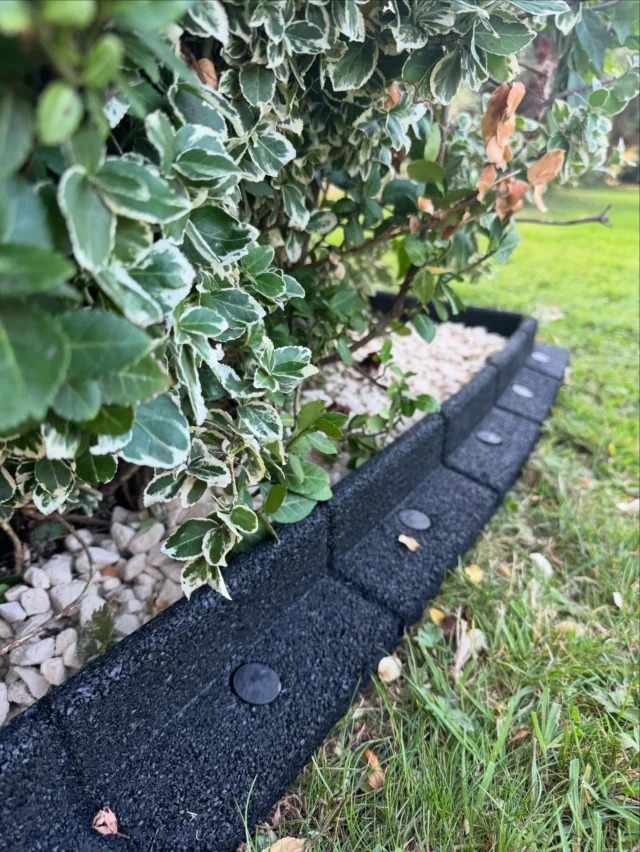
Credit: www.flexiborder.co.uk
Maintenance Tips For Longevity
Rubber lawn edging keeps your garden neat and tidy. To make it last longer, proper care is important.
Simple maintenance steps can protect it from damage and keep it looking good for years.
Regular Cleaning
Dirt and debris can build up on rubber edging. Clean it often to prevent stains and mold growth.
Use water and a soft brush to remove dirt. Avoid harsh chemicals that can break down the rubber.
Inspect For Damage
Check your rubber edging for cracks or breaks regularly. Early repair stops small problems from growing.
Replace any damaged sections to keep the edging strong and secure in place.
Avoid Excessive Sun Exposure
Too much sun can cause rubber to dry out and crack. Try to place edging where it gets some shade.
If possible, use a UV protectant spray to guard against sun damage and extend its life.
Keep Edging Secure
Make sure the edging stays firmly in the ground. Loose edging can shift and get damaged.
Re-anchor any loose parts by pushing them back into the soil or adding stakes if needed.
Prevent Weed Growth
Weeds can grow along or under the edging and cause damage. Remove weeds regularly to protect the rubber.
- Pull weeds by hand or use safe weed control methods
- Keep soil level even to reduce weed hiding spots
- Mulch nearby plants to limit weed growth
Frequently Asked Questions
What Tools Do I Need To Install Rubber Lawn Edging?
You need a measuring tape, garden spade, rubber mallet, and stakes. These tools help measure, dig, and secure the edging properly.
How Do I Prepare The Ground For Rubber Lawn Edging?
Clear the area of grass and debris. Dig a shallow trench about 2-3 inches deep to fit the edging securely.
Can Rubber Lawn Edging Be Cut To Size?
Yes, rubber edging can be cut with a utility knife or heavy-duty scissors. Measure carefully to ensure a perfect fit.
How Long Does Rubber Lawn Edging Last?
Rubber lawn edging typically lasts 10-15 years. It resists weather, cracking, and fading better than plastic or metal options.
Conclusion
Installing rubber lawn edging is straightforward and beneficial. It enhances garden boundaries. Durable and flexible, it suits various landscapes. Follow steps carefully for a neat finish. Proper tools make the job easier. Measure and plan before starting. Ensure the edging is level and secure.
This helps avoid future adjustments. Enjoy a clean, defined lawn edge. Maintenance becomes simpler, and your garden looks tidy. Rubber edging offers a lasting solution. Perfect for any yard size. Now, your outdoor space stands out beautifully. Enjoy the transformation!

