
Is your lawn looking tired and patchy? You might be dealing with thatch, the layer of dead grass and roots that keeps your soil from breathing.
But what if you don’t have a power rake? Can you still dethatch your lawn effectively? The good news is—you absolutely can. You’ll discover simple, affordable ways to remove thatch without heavy machinery. By the end, you’ll know exactly how to give your lawn the fresh start it needs, using tools you probably already have.
Keep reading, and get ready to transform your grass into the lush, healthy lawn you’ve always wanted.
Credit: landdesignsbycolton.com
What Is Lawn Dethatching
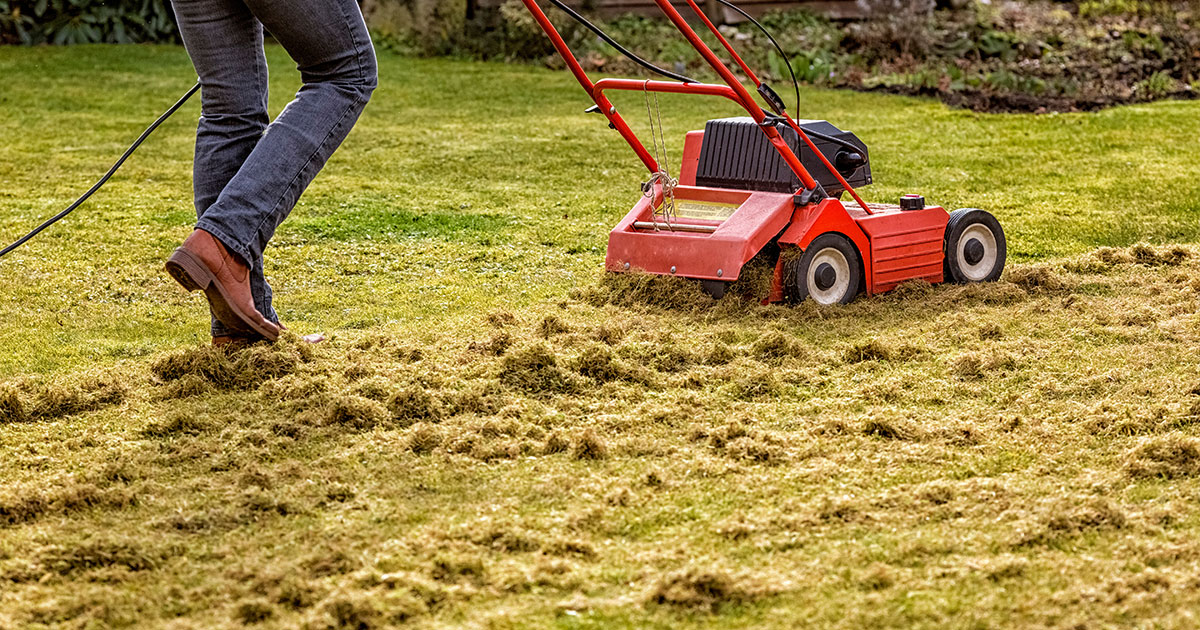
Lawn dethatching is the process of removing a layer of dead grass and roots. This layer is called thatch.
Thatch stops water, air, and nutrients from reaching the soil. Removing it helps your lawn stay healthy.
Signs Your Lawn Needs Dethatching
Your lawn shows signs when thatch builds up too much. You can see and feel these signs easily.
- Water pools on the surface and does not soak in
- Grass looks yellow or brown even after watering
- Soil feels hard and compacted
- Grass grows unevenly or has bare patches
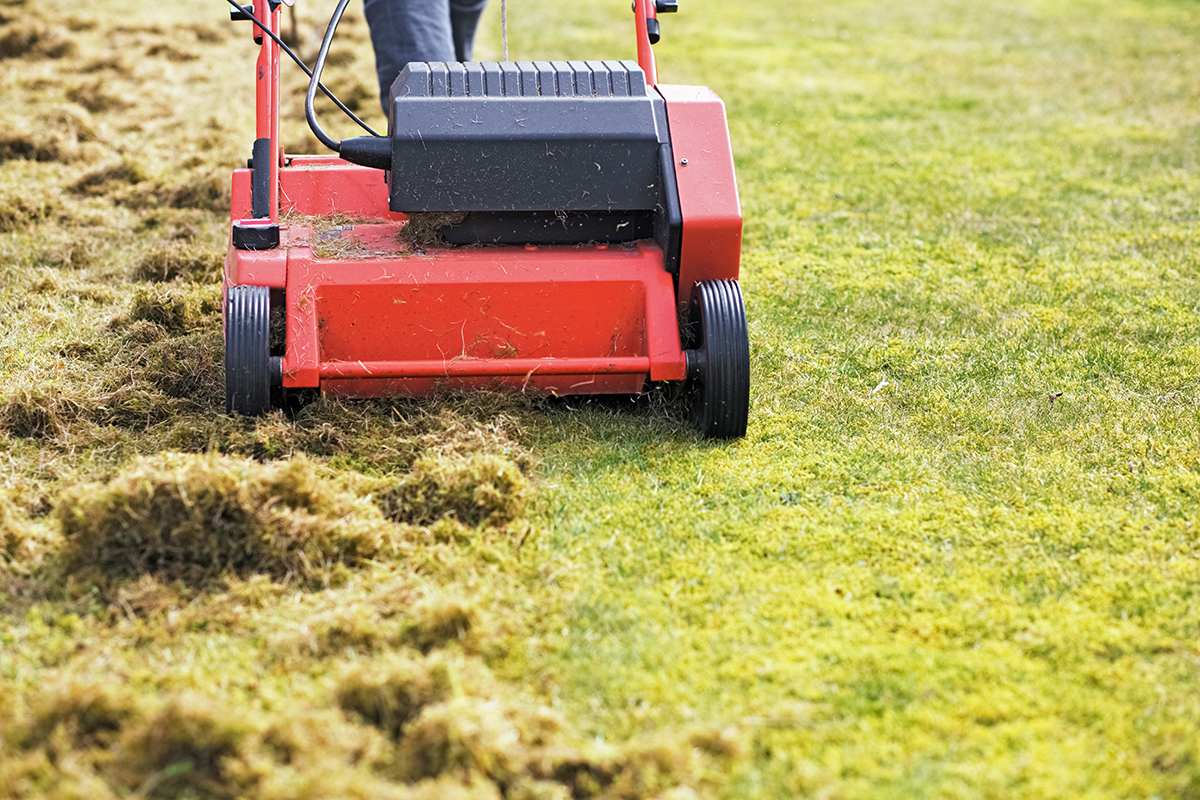
- Thick layer of dead grass and roots on top of soil
Why Dethatching Matters
Dethatching helps your lawn breathe and grow strong. It lets water and nutrients reach the roots.
Removing thatch prevents diseases and pests. It also helps grass recover from stress like heat or drought.
Credit: www.lawnstarter.com
Tools For Dethatching Without A Power Rake
Dethatching your lawn improves its health by removing dead grass and debris. You can do this without a power rake by using simple tools. These tools help you clear the thatch layer manually.
Using the right tool makes dethatching easier and more effective. Here are some common options you can try at home.
Manual Rakes And Their Types
Manual rakes are the most common tools for dethatching without power. They come in different styles to suit your lawn’s needs.
- Thatching Rake:Has sharp, curved blades to pull up thatch easily.
- Garden Rake:A flat rake with strong tines for light dethatching.
- Leaf Rake:Best for removing loose debris but less effective for deep thatch.
Using Garden Forks
Garden forks can loosen soil and thatch layers. They work by lifting and breaking up the thatch manually.
- Push the fork into the lawn at an angle.
- Lift and pull the thatch up gently.
- Move in a systematic pattern to cover the entire lawn.
- Collect the loosened thatch with a rake or by hand.
Alternative Household Tools
You can use some household tools if you don’t have garden equipment. These tools help remove thatch but require more effort.
| Tool | Use | Notes |
|---|---|---|
| Metal Comb | Pulls up light thatch layers | Best for small areas |
| Handheld Wire Brush | Scrapes debris from grass | Works on dry thatch |
| Old Rake | Used carefully to avoid lawn damage | Check for strong tines |
Step-by-step Diy Dethatching Process
Dethatching your lawn keeps grass healthy by removing dead material. You can do this without a power rake using simple tools. This guide shows you how to dethatch manually step by step.
Follow these instructions carefully to prepare your lawn, remove thatch, and clean up. This helps your grass grow better and look greener.
Preparing Your Lawn
Start by mowing your grass to a lower height. This makes it easier to reach the thatch layer. Water your lawn a day before dethatching. Moist soil helps loosen the thatch without harming roots.
- Remove debris like sticks and leaves from the lawn.
- Mark any sprinkler heads or obstacles to avoid damage.
- Wear gloves and protective eyewear for safety.
Manual Dethatching Techniques
Use a dethatching rake or a garden rake with sharp tines. Pull the rake through the grass in one direction, applying firm pressure. This pulls up dead grass and roots.
- Work in small sections, about 3 feet wide.
- Rake slowly to remove as much thatch as possible.
- Repeat the process from a different angle for better results.
- Use a hand dethatcher for tight spots and edges.
Collecting And Disposing Thatch
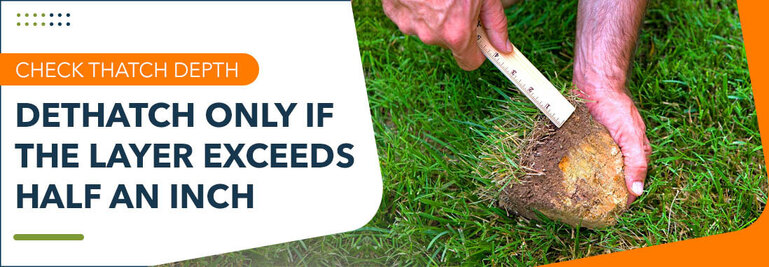
After raking, gather the loosened thatch from your lawn. Use a garden rake or a leaf rake to collect it into piles. Dispose of the thatch properly to avoid lawn damage.
| Disposal Method | Details |
| Composting | Thatch can go in your compost bin if it is free of weed seeds. |
| Yard Waste Pickup | Place thatch in yard waste bags for municipal pickup if allowed. |
| Trash Bin | Use trash bins for thatch if other options are not available. |
Credit: www.yourgreenpal.com
Tips For Easier Manual Dethatching
Dethatching your lawn without a power rake can be hard. Using manual tools needs more effort. These tips will make the job easier.
Follow simple steps to keep your lawn healthy and remove thatch properly by hand.
Best Time To Dethatch
Dethatch your lawn during its active growing season. This helps it recover faster. For cool-season grasses, early fall or spring works best. For warm-season grasses, late spring or early summer is ideal.
Proper Lawn Moisture
Make sure your lawn is slightly damp before you start dethatching. Too dry or too wet soil makes the work harder. Moist soil loosens the thatch for easier removal.
- Water your lawn a day before dethatching
- Check the soil feels soft but not muddy
- Avoid dethatching after heavy rain
Working In Small Sections
Divide your lawn into small parts to work better. This keeps you from getting too tired. It also helps you focus and remove thatch evenly.
| Section Size | Recommended Time | Tool Used |
| 5 x 5 feet | 15-20 minutes | Hand Rake or Dethatching Rake |
| 10 x 10 feet | 30-40 minutes | Manual Lawn Rake |
| 15 x 15 feet | 45-60 minutes | Heavy Duty Rake |
Aftercare For A Healthy Lawn
Taking care of your lawn after dethatching is important. It helps grass grow strong and stay green.
Good aftercare includes watering, feeding, and keeping the lawn clean. These steps help repair the grass.
Watering And Fertilizing
Water your lawn deeply but not too often. This helps roots grow deep in the soil.
Fertilize the lawn to give nutrients. Use a balanced fertilizer for best results.
- Water early in the morning or late afternoon
- Aim for about one inch of water per week
- Apply fertilizer according to package instructions
- Choose fertilizers with nitrogen, phosphorus, and potassium
Overseeding Tips
After dethatching, overseed to fill thin or bare spots. This helps grass grow thicker.
Use grass seed that matches your existing lawn type. Lightly rake seeds into the soil for better contact.
- Spread seed evenly over the lawn
- Keep seeded areas moist until grass grows
- Avoid heavy foot traffic on new seed
- Use a starter fertilizer to help seed growth
Regular Maintenance Practices
Keep your lawn healthy by mowing regularly. Cut grass to the right height, not too short.
Remove leaves and debris to prevent mold and disease. Aerate soil to improve air and water flow.
- Mow when grass is dry
- Set mower blades high for thick grass
- Rake leaves in fall to avoid smothering grass
- Aerate lawn once or twice a year
When To Consider Renting Or Buying A Power Rake
Dethatching your lawn is important to keep it healthy. You can remove thatch without a power rake, but it takes more time.
Deciding to rent or buy a power rake depends on your lawn size and how thick the thatch is. This guide helps you decide.
Lawn Size And Thatch Thickness
Small lawns with thin thatch may not need a power rake. You can use hand rakes or dethatching rakes instead.
Large lawns or lawns with thick thatch need more power to clean well. A power rake saves time and effort here.
- Small lawn + thin thatch: Hand tools work fine
- Medium lawn + moderate thatch: Consider renting
- Large lawn + thick thatch: Buying a power rake may be best
Cost Vs. Effort Comparison
Renting a power rake costs less if you only dethatch once or twice a year. Buying is good for frequent use.
Using hand tools takes more time and effort. Think about how much your time is worth before deciding.
- Renting: Lower cost, good for occasional use
- Buying: Higher cost, good for regular use
- Hand tools: No cost, but more physical effort
Frequently Asked Questions
Can You Dethatch A Lawn Without A Power Rake?
Yes, you can dethatch a lawn without a power rake. Manual tools like a dethatching rake or garden fork work well. They remove thatch by hand, though it takes more time and effort compared to a power rake.
What Manual Tools Help Dethatch Grass Effectively?
Dethatching rakes and garden forks are effective manual tools. They help loosen and remove thatch from the soil surface. These tools are affordable and easy to use for small to medium lawns.
When Is The Best Time To Dethatch Your Lawn?
The best time to dethatch is during active grass growth. Early spring or early fall are ideal periods. This timing helps your lawn recover quickly after dethatching stress.
How Often Should You Dethatch Your Lawn Without A Power Rake?
Dethatch your lawn every 1 to 3 years, depending on thatch build-up. Avoid dethatching too frequently to prevent lawn damage. Check your lawn’s condition before deciding to dethatch.
Conclusion
Dethatching a lawn without a power rake is possible. Use a dethatching rake or a lawn mower with a dethatching blade. These tools work well for small areas. Regular dethatching promotes healthy grass growth. It allows water, air, and nutrients to reach roots.
Choose the right tool for your lawn size and condition. Patience and regular maintenance will keep your lawn healthy. Remember, a little effort can make a big difference. Enjoy a lush, green lawn with simple care steps.

