
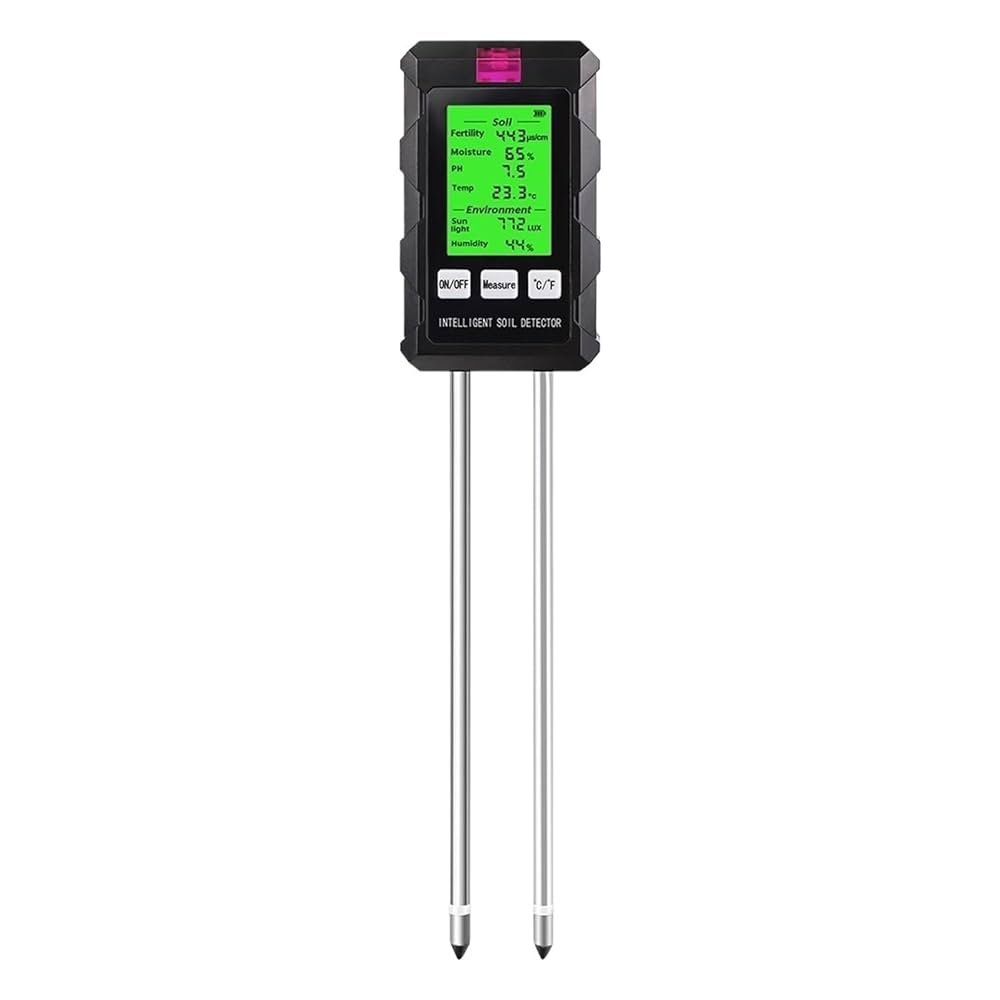
Have you ever wondered why some plants thrive while others struggle to grow? The secret often lies beneath the surface—in your soil.
Knowing what’s in your soil can make all the difference, and that’s where a soil test meter comes in. This simple tool gives you quick, clear answers about your soil’s health. Imagine being able to check your garden’s needs in seconds and give your plants exactly what they want.
Ready to discover how a soil test meter can transform your gardening or farming experience? Keep reading to unlock the key to healthier, happier plants.
Soil Test Meter Basics
A soil test meter is a tool used to check soil quality. It helps gardeners and farmers understand soil health.
This meter measures different soil properties to guide proper plant care and growth.
What A Soil Test Meter Does
Soil test meters measure key soil features like moisture, pH level, and nutrients. These readings show if soil is healthy for plants.
Knowing soil conditions helps decide watering, fertilizing, and planting needs.
- Measures soil moisture to prevent over or underwatering
- Checks soil pH to know if it is acidic or alkaline
- Tests nutrient levels like nitrogen, phosphorus, and potassium
Types Of Soil Test Meters
There are several types of soil test meters. Each type measures different soil properties.
Choosing the right meter depends on what soil information you need.
- Moisture Meters:Check water content in soil to guide irrigation.
- pH Meters:Measure soil acidity or alkalinity for proper plant growth.
- Nutrient Meters:Test for key nutrients like nitrogen, phosphorus, and potassium.
- Combination Meters:Offer multiple tests in one device for convenience.
Credit: www.walmart.com
Key Features To Look For
A soil test meter helps measure the health of your soil. It checks factors like moisture, pH, and nutrients. Choosing the right meter makes your gardening easier and more precise.
Look for features that match your needs. Some meters work better for certain soils or plants. Knowing what to check helps you pick the best tool.
Accuracy And Sensitivity
Accuracy tells you how close the meter’s reading is to the real soil condition. Sensitivity means the meter can detect small changes in soil properties. Both are important for good results.
- Choose meters with precise sensors
- Look for devices that respond quickly
- Check if the meter covers all needed soil factors
- Read reviews about the meter’s performance
Ease Of Use
A meter should be simple to operate. Clear displays and easy controls save time. Some models show results on screens, while others use color codes.
| Feature | Benefit |
| Large digital display | Easy to read in sunlight |
| Simple buttons | Fast operation without confusion |
| Lightweight design | Comfortable to hold and carry |
| Automatic calibration | Reduces user error |
Durability And Build Quality
A soil test meter must handle outdoor use. It should resist dust, dirt, and moisture. Strong materials help the meter last longer.
- Look for water-resistant or waterproof models
- Choose meters with sturdy casing
- Check if the probes are made of rust-proof metal
- Read about warranty and customer support
How To Use A Soil Test Meter
A soil test meter helps check soil health quickly. It measures things like moisture, pH, and nutrients.
Using the meter correctly gives accurate results. Follow these steps to get the best data from your soil.
Preparing The Soil Sample
Start by collecting soil from the area you want to test. Use a clean tool to dig 4 to 6 inches deep.
Remove any rocks, roots, or debris. Mix the soil well to make a uniform sample. Let it dry if it is too wet.
- Dig 4 to 6 inches deep
- Remove stones and roots
- Mix soil evenly
- Dry soil if very wet
Taking Measurements
Turn on the soil test meter. Insert its probe into the prepared soil sample gently.
Wait a few seconds for the reading to stabilize. Take readings from different spots for accuracy.
- Switch on the meter
- Insert probe into soil
- Hold steady for a few seconds
- Repeat at several places
Interpreting The Results
Check the meter display for soil pH, moisture, or nutrient levels. Compare these to ideal values for your plants.
Use the results to decide if your soil needs water, lime, or fertilizer. Adjust care based on the readings.
| Soil Test Result | What It Means | Action |
|---|---|---|
| Low moisture | Soil is dry | Water the plants |
| pH below 6.0 | Soil is acidic | Add lime to raise pH |
| pH above 7.5 | Soil is alkaline | Add sulfur to lower pH |
| Low nutrients | Soil lacks fertilizer | Add appropriate fertilizer |
Benefits For Gardeners
A soil test meter helps gardeners check the quality of their soil. It measures factors like moisture, pH, and nutrients.
Using this tool makes gardening easier and more efficient. Gardeners can know what their soil needs to help plants grow well.
Optimizing Soil Health
A soil test meter shows the exact condition of the soil. Gardeners can see if the soil is too acidic or too alkaline.
By knowing the soil’s health, gardeners can add the right nutrients. This keeps the soil healthy and ready for planting.
- Detects soil pH levels
- Measures moisture content
- Checks nutrient levels
Improving Plant Growth
Plants grow better in soil that fits their needs. A soil test meter helps gardeners give plants the right care.
With correct soil conditions, plants can absorb nutrients well. This leads to stronger roots and healthier leaves.
- Ensures proper nutrient balance
- Prevents overwatering or underwatering
- Supports healthy root development
Saving Time And Resources
Gardeners save time by knowing exactly what the soil needs. They avoid guesswork and reduce trial and error.
Using a soil test meter also saves money. Gardeners use fewer fertilizers and water only what is necessary.
- Reduces unnecessary watering
- Limits use of fertilizers
- Speeds up gardening decisions
Common Mistakes To Avoid
Using a soil test meter can help you understand your soil better. It gives quick information about soil health. But mistakes can lead to wrong results.
Here are some common errors to watch out for when using a soil test meter. Avoiding them improves your testing accuracy.
Incorrect Sampling Methods
Taking soil samples the wrong way can cause bad readings. Soil varies in different spots, so samples must be taken carefully.
- Do not take samples from only one spot.
- Collect soil from several places and mix them.
- Sample at the proper depth for the test meter.
- Avoid collecting soil near plants or fertilizer.
- Use clean tools to prevent contamination.
Ignoring Calibration
Calibration keeps your soil test meter accurate. Skipping calibration leads to wrong soil readings. Always check your meter before use.
| Calibration Tip | Reason |
| Calibrate on known soil or solution | Ensures meter reads correctly |
| Follow the meter’s calibration instructions | Prevents user error |
| Calibrate regularly | Accounts for meter drift over time |
| Use fresh calibration solutions | Avoids inaccurate results |
Misreading Results
Soil test meters show numbers that need careful reading. Misunderstanding these numbers can lead to wrong soil care.
Tips to avoid misreading:
- Read the meter display in good light.
- Understand what each reading means for your soil.
- Use the meter manual or guides for interpretation.
- Record your results for comparison over time.
- Do not guess values when the meter is unclear.

Credit: www.amazon.com
Choosing The Right Meter For Your Garden
Testing your soil helps plants grow strong and healthy. A soil test meter shows soil pH, moisture, and nutrients.
Picking the right meter depends on your garden size, soil type, and budget. This guide explains key points to consider.
Budget Considerations
Soil test meters come in many prices. Simple meters cost less but may show limited data. Advanced models cost more but provide detailed info.
- Basic meters usually measure pH only.
- Mid-range meters add moisture and light levels.
- High-end meters test pH, moisture, nutrients, and temperature.
- Consider how often you will use the meter.
- Look for meters with good reviews within your budget.
Specific Needs And Soil Types
Different plants prefer different soil conditions. Your meter choice should match your soil type and garden needs.
| Soil Type | Recommended Meter Features |
| Clay | Accurate moisture and pH readings |
| Sandy | Moisture sensor with quick response |
| Loamy | Multi-parameter meters including nutrients |
| Acidic soil | Precise pH measurement |
| Alkaline soil | pH and nutrient level tracking |
Think about which soil values matter most. Some meters also help with fertilizer planning.
Recommended Brands And Models
- Brand A offers affordable and easy-to-use meters.
- Brand B provides models with multiple sensors.
- Brand C meters are known for durability and accuracy.
- Look for models with clear displays and simple calibration.
- Check if customer support and warranty are included.

Credit: www.amazon.com
Frequently Asked Questions
What Is A Soil Test Meter Used For?
A soil test meter measures soil properties like pH, moisture, and nutrient levels. It helps gardeners optimize plant growth by providing quick, accurate soil data.
How Does A Soil Test Meter Work?
It uses sensors to detect soil conditions such as acidity and moisture. The device converts sensor data into digital readings for easy interpretation.
Why Is Soil Testing Important For Plants?
Soil testing ensures plants get the right nutrients and pH balance. Healthy soil promotes strong roots, better growth, and higher crop yields.
Can A Soil Test Meter Improve Garden Health?
Yes, it guides proper fertilization and watering by revealing soil needs. This prevents overuse of chemicals and supports sustainable gardening.
Conclusion
A soil test meter is an essential tool for gardeners. It helps understand soil conditions. This handy device measures moisture, pH, and nutrients. Knowing these levels can guide planting decisions. Healthy plants need proper soil conditions. A soil test meter offers quick, reliable insights.
Use it to ensure optimal plant health. It’s simple to operate and saves time. No guesswork needed. Invest in one for better gardening results. Your plants will thrive with well-informed care.
