
Are you tired of leaves and debris piling up on your gravel driveway or garden path? You might be wondering if a lawn sweeper can help clean up those tricky gravel areas without making a bigger mess.
Using the right tool can save you time and effort, but choosing the wrong one could mean more work. You’ll discover whether a lawn sweeper is the smart choice for your gravel surfaces and how to get the best results if you decide to try it.
Keep reading to find out how to keep your gravel looking neat and tidy with ease.

Credit: www.vevor.com
Lawn Sweepers And Their Uses
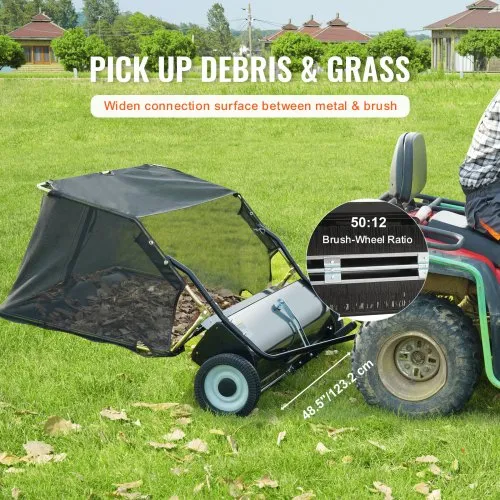
Lawn sweepers help clean yards by picking up leaves, grass, and debris. They work like a brush that sweeps materials into a hopper. Many people use them to keep lawns tidy.
It is important to know if you can use a lawn sweeper on gravel. Gravel can be tricky because it may get caught or moved. Understanding how these machines work helps you decide.
How Lawn Sweepers Work
Lawn sweepers have rotating brushes that spin across the ground. These brushes sweep leaves and debris into a collection bag or hopper. They are usually pushed by hand or towed behind a mower.
- The brushes spin to lift debris
- Debris moves into a hopper for easy disposal
- The machine moves forward by pushing or towing
- Height can be adjusted for different surfaces
Common Applications
Lawn sweepers are useful for many outdoor cleaning tasks. They work well on grass and hard surfaces but may have limits on gravel. Knowing what they can handle helps you avoid damage.
| Surface Type | Suitability | Notes |
| Grass | Good | Works well to collect leaves and grass clippings |
| Hard Surfaces | Good | Can clean sidewalks and driveways easily |
| Gravel | Limited | Brushes may move gravel or get clogged |
Challenges Of Using Lawn Sweepers On Gravel
Lawn sweepers help collect leaves and debris from grass. Using them on gravel surfaces can cause problems. Gravel is loose and can move easily.
This article looks at two main challenges: risk of gravel displacement and potential damage to equipment.
Risk Of Gravel Displacement
Lawn sweepers can push or pick up gravel accidentally. This causes gravel to scatter and damage your yard’s look. Loose gravel can also create safety hazards.
- Gravel may get thrown into plants or walkways.
- Uneven gravel can cause tripping risks.
- Gravel displacement can lead to extra cleanup work.
- It can damage nearby surfaces like patios or decks.
Potential Damage To Equipment
Gravel can harm the lawn sweeper itself. Small stones may hit the brushes or wheels. This can cause wear or break parts over time.
| Equipment Part | Possible Damage |
| Brushes | Worn bristles or broken parts |
| Wheels | Scratches or dents from stones |
| Frame | Chips or cracks from hitting gravel |
| Collection Bag | Rips or tears from sharp stones |
When Lawn Sweepers Can Be Used On Gravel
Lawn sweepers help collect leaves, grass clippings, and debris. Using them on gravel can be tricky. You must know the right conditions to avoid damage.
This guide explains when lawn sweepers work well on gravel surfaces. It covers suitable gravel types and the settings needed for safe use.
Suitable Gravel Types
Lawn sweepers work best on gravel that is stable and firm. Loose or very small gravel can be displaced or damaged by the sweeper.
- Coarse gravel with medium to large stones
- Gravel mixed with sand that is well packed
- Gravel with minimal dust and dirt
- Gravel areas that are level without deep ruts
Avoid using lawn sweepers on fine gravel or pea stones. These types can get stuck or be thrown by the sweeper brushes.
Proper Settings And Adjustments
Adjust your lawn sweeper to protect both the gravel and the machine. Correct settings reduce damage and improve cleaning.
| Setting | Recommended Adjustment |
| Brush Height | Set higher to avoid picking up gravel |
| Brush Speed | Use slower speed to prevent scattering stones |
| Push or Tow | Push mode preferred for better control |
| Weight | Keep lightweight to avoid digging into gravel |
Test settings on a small area before full use. This helps find the best balance for your gravel surface.
Credit: www.vevor.com
Alternatives To Lawn Sweepers For Gravel
Lawn sweepers may not work well on gravel surfaces. The stones can block the brushes and damage the sweeper.
There are other tools to clean leaves and debris from gravel areas. These tools are easier to use and cause less damage.
Manual Raking
Manual raking is a simple and effective way to clean gravel. It gives you good control and avoids moving stones too much.
- Use a wide, flexible rake to avoid digging into the gravel.
- Rake gently to pull leaves and debris from the surface.
- Gather debris in piles for easy removal.
- Work in small sections to avoid disturbing the gravel layer.
Power Brooms And Blowers
Power brooms and leaf blowers can clear gravel areas quickly. They use air or rotating brushes to move debris without touching stones.
| Tool | How It Works | Best Use |
| Power Broom | Rotating brushes sweep debris off gravel | Removing leaves and light debris |
| Leaf Blower | Air blows debris away from gravel | Clearing dry leaves and dust |
Maintenance Tips After Sweeping Gravel
Using a lawn sweeper for gravel requires regular care. Proper maintenance keeps your sweeper working well. It also extends its life.
After sweeping gravel, follow simple steps to clean and check your equipment. These steps help avoid damage and keep your sweeper safe to use.
Cleaning The Sweeper
Remove gravel and dirt from the brushes and hopper after each use. Dirt buildup can reduce performance and cause wear.
- Empty the collection bag or hopper completely.
- Brush off any stuck gravel or dirt from the brushes.
- Use a hose to rinse the sweeper, avoiding electrical parts.
- Dry the sweeper to prevent rust and corrosion.
Inspecting For Wear And Tear
Check parts regularly for damage. Early detection helps prevent bigger problems and costly repairs.
| Part | What to Check | Signs of Wear | Action |
| Brushes | Brush bristles | Worn, bent, or missing bristles | Replace brushes if worn |
| Wheels | Wheel condition and alignment | Cracks, wobbling, uneven wear | Tighten or replace wheels |
| Frame | Structure and bolts | Rust, cracks, loose bolts | Tighten bolts, clean rust |
Credit: www.alignednwell.com
Frequently Asked Questions
Can A Lawn Sweeper Pick Up Gravel Effectively?
A lawn sweeper is designed for grass debris, not gravel. Gravel can damage the sweeper’s brushes and mechanism. It’s best to avoid using a lawn sweeper on gravel to maintain its efficiency and longevity.
Will Using A Lawn Sweeper On Gravel Cause Damage?
Yes, gravel can cause significant damage to the sweeper’s brushes and rotating parts. The hard stones may wear down or break components. Avoid using the sweeper on gravel to prevent costly repairs.
What Tools Work Better Than Lawn Sweepers On Gravel?
For gravel, use a leaf blower, rake, or gravel vacuum. These tools safely remove debris without risking damage. They are more effective in cleaning gravel surfaces without disturbing the stones.
Can Lawn Sweepers Separate Gravel From Leaves?
No, lawn sweepers cannot separate gravel from leaves efficiently. The brushes pick up everything, mixing gravel with debris. This can cause operational issues and reduce cleaning accuracy.
Conclusion
Using a lawn sweeper for gravel can be tricky. Sweeping gravel requires care and technique. Lawn sweepers work well on light debris. For gravel, manual methods might be best. Always assess your needs before choosing tools. Consider the size and type of gravel.
A rake or broom often offers better control. Test on a small area first. Ensure you protect delicate surfaces. Balancing efficiency and care is key. Choose tools that suit your landscape. With practice, you’ll find the best method. Keep your gravel neat and tidy.
