
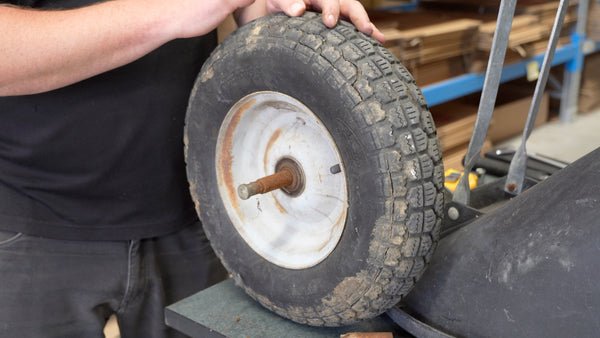
Is your wheelbarrow tire flat or worn out? Don’t let a simple tire problem stop your work or garden projects.
Replacing your wheelbarrow tire yourself is easier than you think. With the right steps, you can save time and money, and get your wheelbarrow back in action quickly. Keep reading to discover how you can fix your tire fast and hassle-free.
Your next project depends on it!
Tools And Materials Needed
Replacing a wheelbarrow tire is easy with the right tools and materials. Prepare everything before you start to save time.
This guide lists the key items you need for a smooth tire replacement.
Tools Required
- Adjustable wrench
- Tire lever or flathead screwdriver
- Air pump or compressor
- Socket set (if bolts need removal)
- Lubricant spray (optional for stuck parts)
Materials Needed
You will need the right replacement tire and possibly a new inner tube. Check your wheelbarrow’s tire size before buying.
| Material | Description |
| Replacement tire | Match the size and type of your old tire |
| Inner tube | Required if the tire is pneumatic (air-filled) |
| Rag or cloth | For cleaning wheel parts before installation |
| Soap and water | Helps to fit the tire onto the rim |
Safety Equipment
Wear gloves to protect your hands during the tire change. Safety glasses are good if you use tools that might cause debris.

Credit: www.youtube.com
Remove The Wheelbarrow Wheel
Removing the wheelbarrow wheel is the first step to replace the tire. You need to take off the wheel safely to work on the tire.
This guide shows easy steps to remove the wheelbarrow wheel without damage or injury.
Gather Necessary Tools
Before removing the wheel, collect all tools you will need. This makes the process smooth and quick.
- Wrench or socket set
- Pliers
- Flathead screwdriver
- Work gloves
- Lubricant spray (optional)
Lift And Secure The Wheelbarrow
Lift the wheelbarrow so the wheel is off the ground. Use blocks or sturdy objects to keep it steady and safe.
Remove The Cotter Pin Or Retaining Clip
Look for a cotter pin or retaining clip on the wheel axle. Use pliers or a screwdriver to pull it out carefully.
Loosen And Remove The Wheel Nuts
Use a wrench or socket to loosen the nuts that hold the wheel in place. Turn counterclockwise until the nuts come off.
Pull The Wheel Off The Axle
After removing the nuts and pins, pull the wheel straight off the axle. If it is stuck, spray lubricant and wait a few minutes.
| Possible Issue | Solution |
|---|---|
| Wheel stuck on axle | Spray lubricant and wait 5 minutes before pulling |
| Cotter pin hard to remove | Use pliers to bend and pull it out slowly |
| Wheel nuts too tight | Use a longer wrench for better leverage |
Deflate And Remove The Old Tire
Replacing a wheelbarrow tire starts with taking off the old one. This process includes deflating the tire and removing it from the wheel.
Follow these simple steps to safely remove the old tire before installing a new one.
Locate The Valve Stem
Find the valve stem on your wheelbarrow tire. It looks like a small metal or rubber tube sticking out from the rim.
The valve stem is where you release the air from the tire.
Deflate The Tire
Press the valve stem to let the air out. Use a small tool or your fingers to push the valve core inside.
Keep pressing until the tire is completely flat. This makes it easier to remove the tire from the wheel.
Remove The Wheel From The Wheelbarrow
Use a wrench to loosen the nuts or bolts holding the wheel. Take off the wheel carefully and place it on a flat surface.
Removing the wheel helps you work on the tire more easily and safely.
Detach The Tire From The Rim
Use tire levers or flat tools to pry the tire away from the rim. Start on one side and work around the wheel.
- Insert the tire lever between the tire and rim
- Lift the tire bead over the edge of the rim
- Move the lever around to free the tire completely
Once the tire is loose, pull it off the rim carefully to avoid damage.
Inspect The Wheel And Rim
Before replacing a wheelbarrow tire, check the wheel and rim carefully. This helps find any damage that could cause problems later.
Inspecting the wheel and rim ensures a safe and smooth repair. It also helps you decide if you need extra parts or tools.
Look For Rust And Corrosion
Rust can weaken the wheel and rim. Check all metal parts for any orange or brown spots. Rust may cause the rim to crack or bend.
Check For Bends Or Cracks
Examine the rim for any bends or cracks. A bent rim will not hold the tire properly. Cracks can make the wheel unsafe to use.
Test The Wheel Bearings
Spin the wheel to check if it moves smoothly. Listen for grinding or rough sounds. These signs mean the bearings need repair or replacement.
Inspect The Tire Mounting Surface
Look at the surface where the tire sits on the rim. Dirt, old glue, or damage here can stop the new tire from fitting well.
- Remove dirt and debris
- Sand down rough spots
- Check for sharp edges or dents
Compare The Rim Size To The New Tire
| Rim Diameter | Tire Size Needed |
| 8 inches | 8 x 2 inches |
| 10 inches | 10 x 3 inches |
| 12 inches | 12 x 4 inches |
Install The New Tire
Installing a new tire on your wheelbarrow is a simple task. It helps keep your wheelbarrow working smoothly.
Follow these steps to put the new tire in place safely and correctly.
Place The Tire On The Wheel
Start by placing the new tire around the wheel rim. Make sure the tire fits evenly all around.
You may need to push or stretch the tire slightly to get it on the rim properly.
Align The Tire Properly
Check that the tire sits straight and even on the wheel. A misaligned tire can cause wobbling.
Rotate the wheel slowly to see if the tire stays in place without slipping.
Secure The Tire
Use tools to secure the tire if needed. Some tires require tightening or locking parts.
Ensure the tire is tight enough to stay on during use but not too tight to damage it.
Check The Air Pressure
If the tire is inflatable, pump air into it to the recommended pressure. Proper pressure helps the tire last longer.
- Find the pressure number on the tire sidewall
- Use a hand pump or air compressor
- Check pressure with a gauge
Test The Wheelbarrow
After installing the tire, roll the wheelbarrow on a flat surface. Check for smooth movement and balance.
Fix any issues before using the wheelbarrow for heavy work.

Credit: wheelco.co.nz
Inflate The New Tire
Inflating the new tire is the final step after replacing your wheelbarrow tire. Proper inflation helps the tire work well and last longer.
Using the right tools and pressure makes the job easier and safer. Let’s look at how to inflate your new tire correctly.
Check The Tire Pressure
Look at the side of the tire to find the recommended pressure. This number tells you how much air the tire needs.
Using the right pressure keeps the tire firm but not too hard. It also helps the tire last longer and carry weight safely.
Use A Tire Pump
Choose a hand pump or air compressor to inflate the tire. Both tools work well, but a pump is easier to control.
Attach the pump nozzle to the tire valve tightly. This stops air from escaping while you pump.
Inflate The Tire Slowly
Start pumping air into the tire slowly. Check the pressure often to avoid overinflating.
- Pump a few strokes
- Use a pressure gauge to check
- Stop pumping if pressure is right
Seal The Valve Properly
Once the tire is inflated, remove the pump carefully. Put the valve cap back on to stop air from leaking.
Check the tire one more time after a few minutes to see if the pressure holds steady.
Reattach The Wheel To The Wheelbarrow
After replacing the tire, you need to put the wheel back on the wheelbarrow. This is important for the wheelbarrow to work properly again.
Follow these steps to reattach the wheel securely and safely.
Align The Wheel On The Axle
Place the wheel in the correct position on the axle. Make sure the tire is centered and fits snugly.
Check that the axle hole goes through the wheel hub without forcing it. Proper alignment avoids damage.
Secure The Wheel With Washers And Nuts
Slide washers onto the axle on both sides of the wheel. Washers keep the wheel stable and protect it from wear.
Next, screw the nuts onto the axle ends. Tighten them by hand first, then use tools to secure firmly.
- Use a wrench to tighten the nuts
- Do not overtighten to avoid damaging the wheel
- Check that the wheel spins freely after tightening
Test The Wheelbarrow
Push the wheelbarrow a short distance to check the wheel’s movement. It should roll smoothly without wobbling.
If the wheel feels loose or stuck, adjust the nuts or washers again until the wheel runs well.

Credit: www.youtube.com
Test The Wheelbarrow For Proper Function
After replacing the wheelbarrow tire, you need to check if it works well. Testing helps find any problems early.
Proper function means the wheel spins smoothly and the wheelbarrow moves easily. This makes your work safer and easier.
Check The Tire Pressure
Make sure the new tire has the right air pressure. Too low or too high pressure can cause damage or poor performance.
Use a tire pressure gauge if you have one. The correct pressure is usually on the tire sidewall.
Spin The Wheel
Lift the wheelbarrow so the wheel is off the ground. Spin the wheel with your hand to check if it turns freely.
The wheel should spin smoothly without wobbling or noise. If it feels tight or rough, check the axle and bearings.
Test Wheelbarrow Movement
Push the wheelbarrow across a flat surface. It should roll easily without dragging or pulling to one side.
If it pulls or feels unstable, inspect the tire alignment and axle tightness. Adjust if needed.
Check For Leaks Or Air Loss
Look around the tire for any signs of air leaks. Press the tire and listen for hissing sounds.
If the tire loses air quickly, there might be a puncture or improper installation. Fix these before use.
Tips For Maintaining Wheelbarrow Tires
Keeping your wheelbarrow tires in good shape helps your work go smoothly. Proper care avoids frequent replacements and saves money.
Simple steps can extend the life of your wheelbarrow tires. These tips focus on cleaning, checking, and storing the tires.
Regularly Check Tire Pressure
Check the air pressure in pneumatic tires often. Proper inflation prevents damage and ensures smooth movement. Use a pressure gauge to measure it.
Clean Tires After Use
Remove dirt and debris from tires after every job. Use water and a brush to clean the surface. Dry tires well to stop rust on metal parts.
Store Wheelbarrow Properly
Keep the wheelbarrow in a dry, shaded place. Avoid leaving tires in direct sunlight. Sun can cause rubber to crack and wear out quickly.
Inspect For Wear And Damage
- Look for cracks or cuts in the tire rubber.
- Check the tire tread for signs of heavy wear.
- Examine the wheel rim and bolts for rust or looseness.
- Replace tires with severe damage to avoid accidents.
Lubricate Moving Parts
Apply lubricant to the wheel axle and bearings. This reduces friction and helps the tire turn smoothly. Clean old grease before applying new lubricant.
Compare Tire Types For Your Needs
| Type of Tire | Advantages | Best Use |
| Pneumatic | Good shock absorption, smooth ride | Gardening, uneven ground |
| Semi-pneumatic | Less maintenance, puncture resistant | Light construction, mixed surfaces |
| Solid rubber | Durable, no flats | Heavy loads, rough terrain |
Frequently Asked Questions
How Do I Remove A Wheelbarrow Tire Safely?
To remove a wheelbarrow tire, first deflate the inner tube completely. Then, use tire levers to pry the tire off the rim carefully. Avoid sharp tools to prevent damage to the tube or rim. Finally, remove the tire and tube fully before replacement.
What Tools Do I Need To Replace A Wheelbarrow Tire?
You need tire levers, a wrench, a new tire or tube, and a pump. Tire levers help remove the old tire. The wrench loosens the wheel nuts. The pump inflates the new tube after installation. Having these tools speeds up the process.
How Do I Choose The Right Wheelbarrow Tire Size?
Check the tire size printed on the old tire’s sidewall. Match the diameter, width, and valve type exactly. Using the correct size ensures proper fit and smooth operation. If unsure, consult the wheelbarrow manual or manufacturer for specifications.
How Long Does It Take To Replace A Wheelbarrow Tire?
Replacing a wheelbarrow tire typically takes 15 to 30 minutes. Time depends on your experience and available tools. Preparing everything before starting helps speed up the process. Regular maintenance reduces the frequency of tire replacements.
Conclusion
Replacing a wheelbarrow tire is simple and practical. First, gather your tools. Then, remove the old tire. Attach the new tire securely. Check the tire pressure before use. This ensures smooth operation. Regular maintenance keeps your wheelbarrow in top shape.
A well-maintained wheelbarrow saves time and effort. Always handle tools carefully. Safety should be your priority. With these steps, your wheelbarrow will be ready. You can continue your gardening tasks efficiently. Enjoy your gardening with a reliable wheelbarrow. Keep your tools in good condition.
Happy gardening!
