

Filling a backpack sprayer might seem simple, but doing it wrong can waste your time and even damage your equipment. If you want to get the job done quickly and safely, you need to know the right steps.
In this guide, you’ll learn exactly how to fill your backpack sprayer without spills, mess, or frustration. Keep reading, and you’ll save effort and protect your gear every time you spray.
Credit: extension.msstate.edu
Choose The Right Sprayer
Picking the right backpack sprayer makes your job easier and safer. It helps you cover the area well without wasting chemicals.
Consider the sprayer types and your needs before buying. The right choice depends on the task and how often you will use it.
Types Of Backpack Sprayers
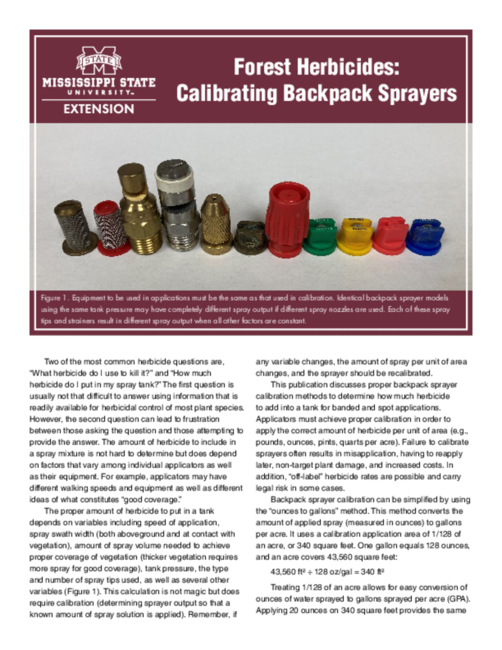
Backpack sprayers come in different types. Each uses a different method to spray liquids.
- Manual Sprayers:Use a hand pump to build pressure. They are simple and cheap.
- Battery-Powered Sprayers:Use a motor to spray. They save effort and cover large areas quickly.
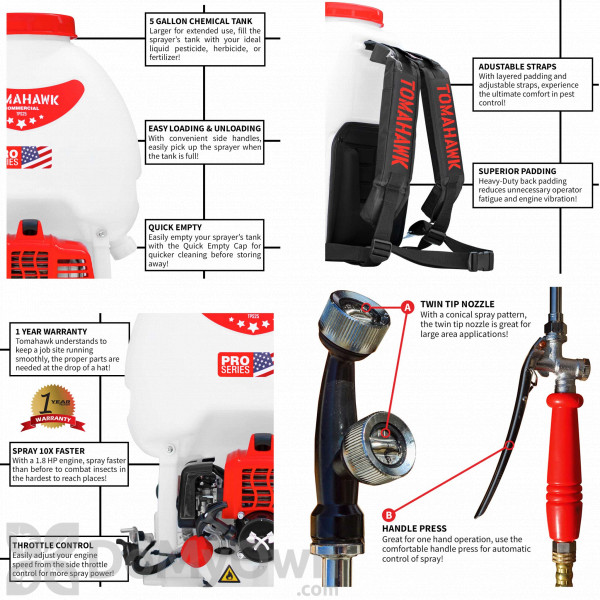
- Gas-Powered Sprayers:Have a small engine. They are powerful but heavier and noisier.
- Compressed Air Sprayers:Use compressed air tanks. They provide steady pressure for precise spraying.
Selecting Based On Your Needs
Think about the size of the area you will spray and the type of chemicals used. Choose a sprayer that fits these needs.
| Need | Best Sprayer Type | Reason |
| Small garden or spot treatment | Manual Sprayer | Easy to use and low cost |
| Medium to large areas | Battery-Powered Sprayer | Less effort, faster spraying |
| Very large or commercial areas | Gas-Powered Sprayer | High power and longer run time |
| Precision spraying | Compressed Air Sprayer | Consistent pressure and control |
Credit: extension.msstate.edu
Gather Necessary Materials
Filling a backpack sprayer needs some basic materials. Getting them ready saves time and keeps you safe.
Use the right tools to measure and mix chemicals properly. This helps the sprayer work well.
Protective Gear
Wear protective gear to avoid harm from chemicals. Safety is very important when handling sprays.
- Gloves to protect your hands
- Goggles to shield your eyes
- Long-sleeve shirt and pants for skin protection
- A mask to avoid breathing in chemicals
Chemicals And Water
Use the right chemical mix for your task. Always add chemicals to water, not water to chemicals.
Fresh water is important to keep the sprayer clean and working well. Use clean water for mixing.
- Approved chemical solutions for spraying
- Clean water source
- Check chemical labels for mixing instructions
Measuring Tools
Measure chemicals and water carefully. Use tools that show exact amounts for safe mixing.
- Measuring cup with clear markings
- Measuring spoon for small doses
- Funnel to pour liquids without spills
Prepare The Sprayer
Before filling a backpack sprayer, you must prepare it properly. This ensures the sprayer works safely and well.
Preparing the sprayer includes checking for damage, cleaning the tank, and inspecting seals and nozzles.
Check For Damage
Look over the sprayer to find cracks or broken parts. Check the tank, hose, and frame carefully.
- Examine the tank for any holes or leaks.
- Check the hose for cracks or weak spots.
- Inspect the frame for bends or breaks.
- Test the handle and pump for smooth operation.
Clean The Tank
Cleaning the tank removes old chemicals and dirt. This prevents clogging and damage to the sprayer.
- Drain any leftover liquid from the tank.
- Rinse the tank with clean water.
- Use a mild soap solution if needed.
- Rinse again to remove soap residue.
- Let the tank dry before filling it.
Inspect Seals And Nozzles
Seals and nozzles affect how well the sprayer sprays. Check these parts for wear and dirt.
| Part | What to Check | Action if Damaged |
|---|---|---|
| Seals | Cracks, hardening, or leaks | Replace seals before use |
| Nozzles | Clogs, cracks, or uneven spray | Clean or replace nozzles |
Mix Chemicals Safely
Filling a backpack sprayer correctly keeps you safe and protects the environment. Mixing chemicals safely stops accidents and damage.
Follow simple steps to handle chemicals with care. Use the right tools and work carefully to avoid spills and harm.
Read Label Instructions
Always read the chemical label before mixing. The label shows how to use the product safely and correctly.
Look for information about protective gear, mixing ratios, and any warnings. Do not guess or skip this step.
- Check for safety symbols
- Follow mixing directions exactly
- Note any first aid instructions
Measure Chemicals Accurately
Use proper measuring tools to get the right chemical amount. Too much or too little can harm plants or people.
Measure chemicals in a clean, dry container. Avoid guessing or using containers that are not made for chemicals.
- Use a measuring cup or syringe
- Double-check the amount before pouring
- Follow label mixing ratios carefully
Mix In A Separate Container
Mix chemicals in a separate container before adding to the sprayer. This helps avoid spills inside the sprayer tank.
Use clean water to mix chemicals slowly. Stir well to make sure the mixture is even before pouring it into the sprayer.
- Fill the container with part water first
- Add chemicals while stirring gently
- Fill the rest with water and mix again
Fill The Tank
Filling the backpack sprayer tank correctly is important for safe and effective spraying. Follow simple steps to prepare the sprayer before use.
Proper filling helps avoid spills and ensures the chemicals work well with the water. Read the instructions carefully before starting.
Use Clean Water
Always fill the tank with clean water. Dirty water can clog the sprayer and reduce its lifespan.
- Use fresh water from a clean source.
- Avoid using water from ponds or stagnant places.
- Check for any debris before filling.
Pour Chemicals Slowly
Pour chemicals into the tank slowly to prevent splashing and spills. This helps mix the chemicals evenly with water.
| Tip | Reason |
|---|---|
| Pour chemicals slowly | Prevents spills and splashes |
| Use a funnel if possible | Makes pouring easier and cleaner |
| Wear gloves and protective gear | Protects skin from harmful chemicals |
Avoid Overfilling
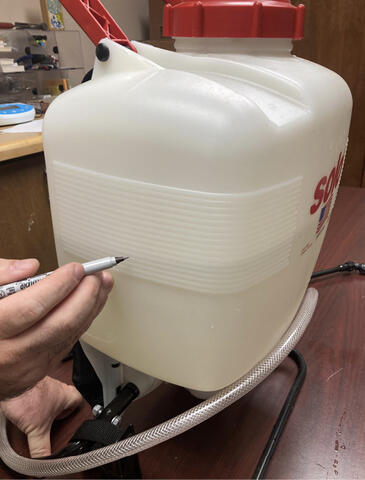
Do not fill the tank beyond its maximum limit. Overfilling can cause leaks and make the sprayer hard to carry.
- Check the tank’s fill line before adding liquid.
- Leave some space for pressure build-up.
- Close the lid tightly after filling.
Credit: www.domyown.com
Seal And Test
After filling your backpack sprayer, sealing and testing it is important. This ensures the sprayer works correctly and safely. Follow these steps to seal and check your sprayer before use.
Proper sealing prevents leaks and pressure loss. Testing the sprayer helps catch any problems early. Let’s look at how to secure the lid, check for leaks, and prime the sprayer.
Secure The Lid
Make sure the lid fits tightly on the tank. A loose lid can cause spills or loss of pressure. Close the lid firmly and twist it until you feel resistance. Check that the seal or gasket inside the lid is clean and undamaged for a good fit.
Check For Leaks
- Close all valves and nozzles.
- Pressurize the sprayer by pumping the handle several times.
- Look and listen for any leaks around the lid, hose, or fittings.
- Feel for moisture or spray escaping from any part.
- If you find leaks, release pressure and tighten parts again.
- Repeat until no leaks appear when pressurized.
Prime The Sprayer
| Task | Purpose | How to Do It |
|---|---|---|
| Fill Tank | Prepare solution for spraying | Pour liquid into the tank up to recommended level |
| Build Pressure | Allow spray to flow evenly | Pump handle 10-15 times to pressurize tank |
| Test Spray | Check spray pattern and flow rate | Press trigger and observe spray from nozzle |
| Adjust Nozzle | Get desired spray coverage | Turn nozzle tip to change spray pattern or flow |
Operate The Sprayer
Using a backpack sprayer correctly helps you cover plants evenly. It also saves you time and effort.
Follow simple steps to adjust the sprayer and keep it working well.
Adjust Nozzle Settings
Set the nozzle to the right spray pattern for your task. Different plants need different spray types.
Turn the nozzle to change from a fine mist to a solid stream. Use a fine mist for small plants.
- Fine mist covers leaves well
- Solid stream works for tough weeds
- Wide spray covers large areas quickly
Maintain Pressure
Keep steady pressure on the pump to get a smooth spray. Low pressure causes weak spraying.
Pump regularly to keep the spray consistent. Stop if the spray becomes uneven or weak.
- Check the pressure gauge often
- Use smooth pumping motions
- Refill the tank before it gets too low
Spray In Even Strokes
Move the sprayer in slow, even strokes. This helps cover plants without wasting spray.
Keep the nozzle at a steady height above plants. Overlapping strokes give better coverage.
- Walk at a steady pace
- Overlap each spray pass by about 30%
- Keep the nozzle 18-24 inches above plants
Clean After Use
Cleaning your backpack sprayer after use keeps it working well. It also stops clogs and damage.
Follow simple steps to clean and store your sprayer safely. This keeps it ready for next time.
Empty Remaining Solution
Pour out any leftover liquid from the tank. Do this away from plants and water sources to avoid harm.
Rinse Tank And Nozzle
Rinse the tank with clean water at least twice. Shake the tank to reach all inside surfaces.
- Fill the tank half full with clean water.
- Spray the water through the nozzle to clean it.
- Empty the tank and repeat if needed.
- Remove the nozzle and soak it in water.
- Use a soft brush to clean nozzle holes gently.
Store Properly
Store your sprayer in a dry, cool place. Keep it away from sunlight and freezing temperatures.
| Storage Tip | Reason |
| Keep tank empty and dry | Prevents mold and corrosion |
| Store indoors | Protects from weather damage |
| Hang or place upright | Avoids leaks and damage |
| Check parts before next use | Ensures sprayer works well |
Frequently Asked Questions
How Do I Safely Fill A Backpack Sprayer?
Always wear protective gloves and eyewear. Use clean water to mix chemicals. Pour liquid slowly to avoid spills. Never fill above the maximum fill line. Secure the lid tightly before use to prevent leaks.
What Is The Best Liquid For Backpack Sprayers?
Use only the recommended chemicals or water-based solutions. Avoid thick or oily liquids that can clog the sprayer. Always check the product label for compatibility. Proper liquid choice ensures effective spraying and protects the sprayer’s components.
How Much Liquid Should I Add To A Backpack Sprayer?
Fill the sprayer only up to the indicated maximum fill line. Overfilling can cause leaks and affect spray pressure. Follow the manufacturer’s instructions for the correct volume. Proper filling ensures safe and efficient spraying.
Can I Fill A Backpack Sprayer With Concentrated Chemicals?
No, always dilute concentrated chemicals as per label instructions. Filling with undiluted chemicals can damage the sprayer and be unsafe. Mixing ensures proper application and prevents equipment clogging or failure.
Conclusion
Filling a backpack sprayer is simple when you know the steps. Begin by gathering all the necessary supplies. Ensure the sprayer is clean and ready. Carefully pour the liquid into the tank to avoid spills. Secure the lid tightly to prevent leaks.
Check the sprayer’s settings for your task. Practice these steps, and filling your sprayer becomes easy. A well-prepared sprayer makes your work efficient. Now, you’re ready to tackle any spraying job with confidence. Enjoy the ease and convenience of a properly filled sprayer.
Happy spraying!
