
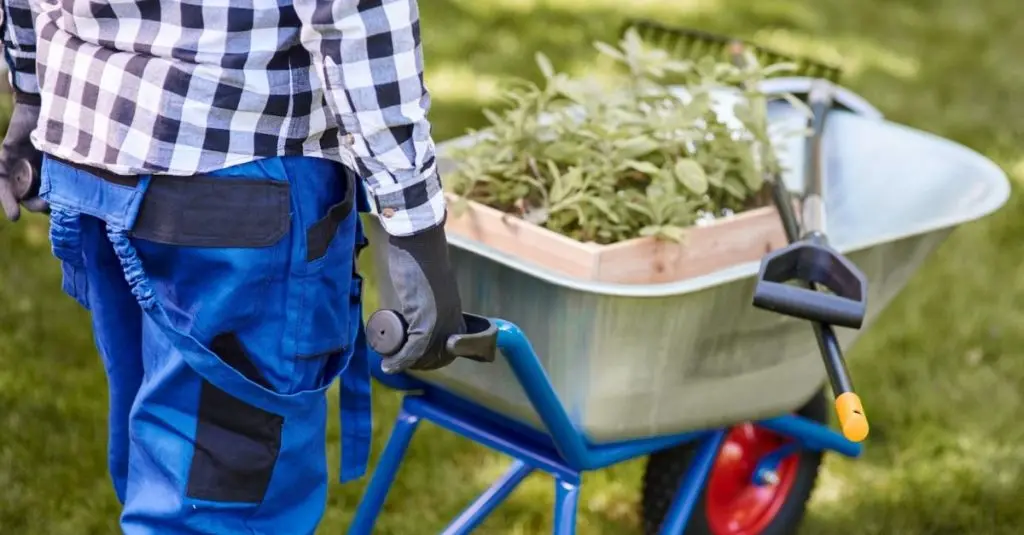
If you own a garden cart, you know how handy it is for moving soil, plants, and tools around your yard. But have you ever stopped to think about how to keep it working smoothly for years to come?
Taking care of your garden cart doesn’t have to be complicated. With just a few simple steps, you can avoid costly repairs and make your gardening tasks easier. You’ll discover practical tips to maintain your garden cart so it stays reliable whenever you need it.
Keep reading to learn how to protect your investment and enjoy hassle-free gardening every time.
Credit: www.vevor.com
Choosing The Right Garden Cart
Choosing a garden cart is important for easy gardening work. The right cart helps carry tools, soil, and plants.
Think about the cart’s material, size, and type before buying. This guide explains what to look for in each area.
Materials And Durability
Garden carts come in different materials like steel, plastic, and wood. Steel carts are strong and last long but can be heavy.
Plastic carts are light and resist rust. Wood carts look nice but need care to avoid damage from weather.
- Steel: very durable, heavy, may rust if not treated
- Plastic: lightweight, weather-resistant, less strong
- Wood: natural look, needs maintenance, can rot
Size And Capacity
Choose a cart size based on what you need to carry. A bigger cart holds more but can be harder to move.
| Size | Capacity | Best For |
| Small | Up to 100 lbs | Light gardening tasks |
| Medium | 100-300 lbs | Most garden work |
| Large | Over 300 lbs | Heavy loads and big projects |
Types Of Garden Carts
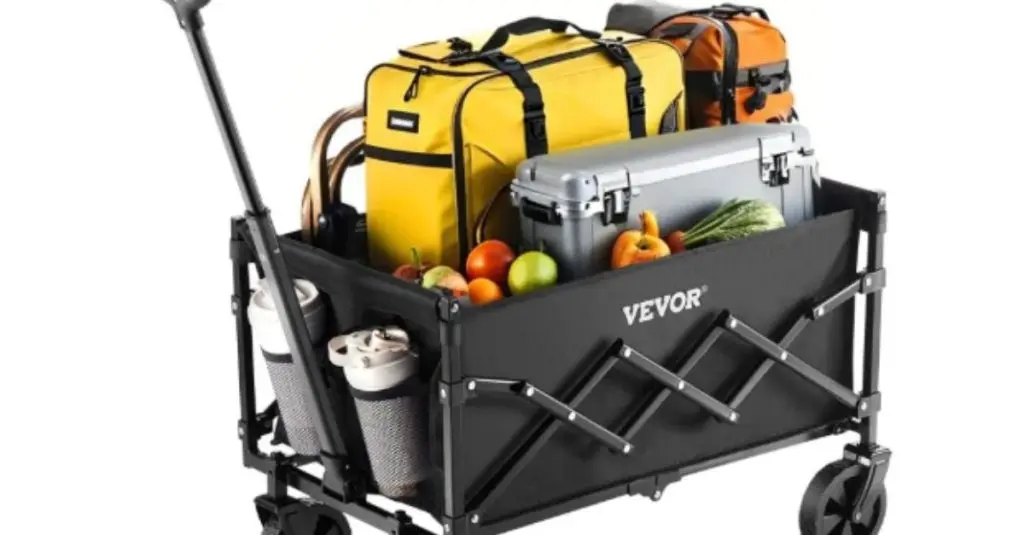
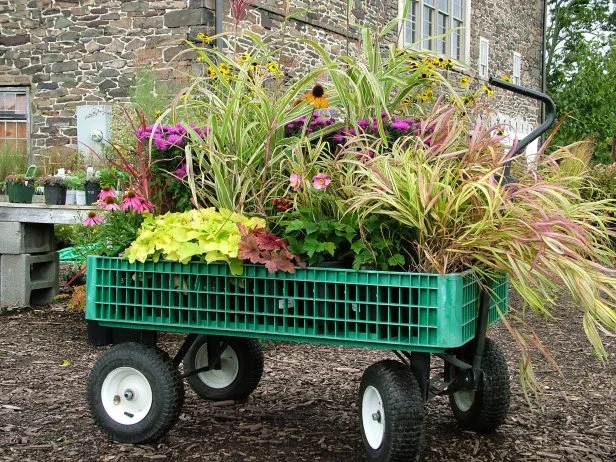
Garden carts come in several types to fit different needs. Some have two wheels, others four.
- Wheelbarrow: One wheel, easy to steer, good for rough ground
- Two-wheeled cart: More stable, easier to balance
- Four-wheeled cart: Very stable, good for heavy loads, harder to maneuver
Credit: www.youtube.com
Regular Cleaning Practices
Keeping your garden cart clean helps it last longer. Dirt and debris can cause damage over time.
Regular cleaning makes your cart safer and easier to use. It also keeps it looking good.
Removing Dirt And Debris
Start by removing loose dirt and leaves from the cart. Use a brush or cloth to clear away debris.
For stuck mud, rinse the cart with water. Let it dry completely before storing it.
- Brush off loose dirt
- Use water to wash off mud
- Dry the cart to stop rust
Cleaning Tools And Supplies
Use simple tools to clean your garden cart. A soft brush and mild soap work well for most dirt.
Keep a bucket, sponge, and clean cloth handy. These help you clean hard-to-reach places easily.
- Soft brush for scrubbing
- Mild soap or detergent
- Bucket of water
- Sponge and cloth for wiping
Inspecting For Damage
Regular checks keep your garden cart safe and working well. Look closely for any signs of wear or damage.
Finding problems early helps you fix them before they get worse. Focus on key parts like wheels, frame, and metal surfaces.
Checking Wheels And Tires
Check the wheels for cracks, flat spots, or wobbling. Tires should be firm and hold air if they are inflatable.
- Spin each wheel to see if it moves smoothly.
- Look for any cracks or breaks on the rubber.
- Press the tires to check firmness or air pressure.
- Ensure the axle is tight and not bent.
Examining The Frame
Look over the frame for bends, cracks, or loose joints. The frame should be straight and solid.
| Frame Part | What to Check | Signs of Damage |
| Main Frame | Look for bends or cracks | Visible bends, broken welds |
| Joints | Check tightness and rust | Loose bolts, rust spots |
| Handle | Ensure it is secure and straight | Wobbly handle, cracks |
Identifying Rust And Corrosion
Rust weakens metal and can cause parts to fail. Check all metal areas carefully for rust spots or corrosion.
- Look under the cart and on hidden parts.
- Use a wire brush to remove loose rust.
- Apply rust remover or paint to protect metal.
- Replace parts if rust is deep or spreading.
Credit: www.hgtv.com
Lubricating Moving Parts
Keeping your garden cart’s moving parts lubricated helps it work smoothly. This reduces wear and extends the cart’s life.
Focus on the wheels, axles, and any hinges. Proper lubrication stops rust and makes moving the cart easier.
Best Lubricants To Use
Choose lubricants that protect metal and resist dirt. Some work better for certain parts than others.
- White lithium grease – good for metal-to-metal contact, stays in place well.
- Silicone spray – works on plastic and rubber parts, prevents sticking.
- WD-40 – cleans and protects, but use it mainly for light lubrication.
- Motor oil – useful for axles but can attract dirt if overused.
Frequency Of Lubrication
| Part | Lubrication Frequency | Reason |
|---|---|---|
| Wheels and Axles | Every 2 months | Keep rolling smooth and prevent rust |
| Hinges | Every 3 months | Stop squeaking and ensure easy folding |
| Handle Joints | Every 6 months | Maintain smooth movement |
Adjust the schedule if you use the cart often or in wet conditions. Check moving parts regularly to see if they need more oil.
Proper Storage Techniques
Storing your garden cart correctly keeps it in good shape. Proper storage stops damage and saves money on repairs.
This guide covers indoor and outdoor storage tips. It also explains how to protect your cart from weather damage.
Indoor Vs Outdoor Storage
Storing your garden cart indoors offers the best protection. It keeps the cart safe from sun, rain, and snow.
- Indoors: Garage, shed, or basement are good options.
- Outdoors: Use a cover to shield from rain and dust.
- Keep the cart off the ground to avoid rust.
- Check the cart for dirt and clean it before storage.
Protecting From Weather Elements
Weather can cause rust, fading, and damage to your garden cart. Use these tips to protect it.
| Weather Element | Protection Method |
| Rain | Use waterproof covers and store indoors if possible |
| Sunlight | Keep in shaded area or under a UV-resistant cover |
| Snow | Store indoors or use heavy-duty tarps |
| Wind | Secure the cart to prevent tipping or damage |
Handling Repairs
Keeping your garden cart in good shape helps it last longer. Repairs stop small problems from getting worse. This guide covers how to replace tires and fix loose parts.
Doing simple fixes yourself saves time and money. You will learn easy steps to keep your cart working well.
Replacing Tires And Wheels
Worn or damaged tires can make moving your garden cart hard. You should check tires often and replace them if needed. New tires keep the cart stable and easy to push.
- Remove the old tire by loosening the wheel nuts or axle bolts.
- Take off the worn or damaged tire and wheel carefully.
- Place the new tire and wheel on the axle.
- Tighten the nuts or bolts securely to hold the wheel in place.
- Test the wheel by spinning it to check for smooth movement.
Fixing Loose Or Broken Parts
Loose or broken parts can cause your garden cart to wobble or stop working. Regular checks help spot these issues early. Tighten screws, bolts, and nuts to keep parts secure.
| Part | Common Problem | Fix |
|---|---|---|
| Handle | Loose screws | Tighten screws with screwdriver |
| Axle | Worn or bent | Replace axle with new one |
| Bed | Cracks or breaks | Use wood glue or replace panel |
| Bolts | Rust or looseness | Clean rust and tighten or replace bolts |
Tips For Safe Usage
Using a garden cart safely helps prevent accidents and damage. Follow simple rules to keep your cart and yourself safe.
Understanding weight limits and loading balance is key. These tips will guide you in using your garden cart properly.
Weight Limits
Every garden cart has a maximum weight it can carry. Do not overload it beyond this limit. Overloading can cause the cart to tip or break.
- Check the cart’s manual for weight limits.
- Weigh heavy items before loading.
- Distribute weight evenly to avoid strain.
- Do not stack items too high.
Balanced Loading
Balance the load to keep the cart steady. Uneven weight can make it hard to push and cause spills or falls.
| Tip | Reason |
| Place heavy items at the bottom | Keeps center of gravity low for stability |
| Distribute weight evenly side to side | Prevents tipping over |
| Keep load within cart walls | Stops items from falling off |
| Secure loose items | Prevents shifting during movement |
Frequently Asked Questions
How Often Should I Clean My Garden Cart?
You should clean your garden cart after every use. Removing dirt and debris prevents rust and keeps it in good condition. Use water and mild soap, then dry thoroughly to avoid moisture damage. Regular cleaning extends the cart’s lifespan and improves performance.
What Type Of Lubricant Is Best For Garden Carts?
Use a silicone-based lubricant or light machine oil for garden cart wheels and axles. These lubricants reduce friction, prevent rust, and ensure smooth movement. Avoid heavy grease as it can attract dirt, causing wear and tear over time.
How Do I Prevent Rust On My Garden Cart?
To prevent rust, always keep your garden cart dry and store it in a sheltered area. Apply a protective coat of rust-resistant paint or spray regularly. Clean off mud and moisture promptly, especially after rainy days or wet use.
When Should I Check The Tires On My Garden Cart?
Check your garden cart tires before each use. Inspect for proper inflation, cracks, and wear. Maintaining correct tire pressure ensures easier maneuverability and prevents damage. Replace worn or damaged tires promptly to avoid accidents.
Conclusion
Maintaining a garden cart is simple and rewarding. Regular checks prevent wear and tear. Clean the cart after each use. This avoids rust and damage. Store it in a dry place to extend its life. Check tires for air and damage often.
Tighten loose bolts to avoid issues. Lubricate moving parts for smooth operation. A little care goes a long way. Your garden cart will last for years with these steps. Enjoy gardening with ease and efficiency. Keep your tools in top shape.
Happy gardening!
