

Are you tired of dealing with clogged sprayers just when you need them the most? You’re not alone.
Many people face this frustrating issue, especially when tackling home projects or garden tasks. Imagine the convenience of having a sprayer that works flawlessly every time you need it. Picture yourself saving time and avoiding unnecessary stress. You’ll discover simple and effective tips to keep your sprayers from clogging, ensuring a smooth and hassle-free experience.
Get ready to dive into practical solutions that will make your spraying tasks more efficient and enjoyable. Don’t miss out on these valuable insights that could transform how you manage your sprayers forever. Keep reading to unlock the secrets to a clog-free sprayer life!
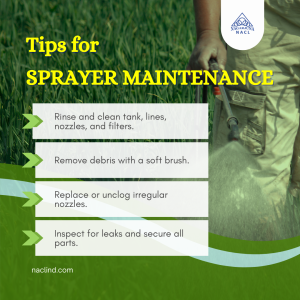
Credit: naclind.com
Causes Of Sprayer Clogs
Sprayers can clog for many reasons. Understanding the causes helps prevent blockages.
Clogs reduce sprayer efficiency and can damage equipment. Knowing what causes clogs keeps your sprayer working well.
Common Debris And Residue
Small debris and residue often block sprayer nozzles. Dirt, plant material, and leftover spray mix can build up.
- Dirt particles from the field
- Leaves and small twigs
- Residue from dried spray solutions
- Algae growth inside tanks and hoses
Chemical Build-up Issues
Chemicals in sprays can leave deposits inside sprayer parts. Some chemicals react and form sticky clogs.
| Chemical Type | Possible Build-up | Effect on Sprayer |
| Fertilizers | Salt crystals | Block nozzles and filters |
| Herbicides | Sticky residues | Clog spray lines |
| Pesticides | Solid particles | Reduce spray flow |
| Adjuvants | Foam and film | Cause uneven spraying |
Water Quality Effects
Water quality affects sprayer performance. Hard water and minerals cause clogs and damage parts.
Common water issues include:
- High mineral content leading to scale build-up
- Particles causing nozzle blockages
- Alkalinity affecting chemical reactions
Choosing The Right Sprayer
Choosing the right sprayer helps prevent clogging. It makes spraying easier and more efficient.
Sprayers come in many types. Each type works better with certain materials and nozzles.
Sprayer Types And Their Susceptibility
Some sprayers clog more than others. Knowing the type can help you pick the best one.
- Handheld sprayers are easy to use but can clog with thick liquids.
- Backpack sprayers hold more liquid and often have better filters.
- Compression sprayers create pressure but need careful cleaning to avoid clogs.
- Pump sprayers allow continuous spraying but may clog if nozzles are small.
Material And Nozzle Selection
Sprayer materials affect durability and clogging. Plastic and stainless steel are common options.
Choosing the right nozzle size helps control flow and reduce clogs. Larger nozzles are less likely to clog.
- Use corrosion-resistant materials to avoid damage.
- Select nozzles designed for the liquid you spray.
- Clean nozzles regularly to keep sprays steady.
- Match nozzle size to spray thickness for best flow.
Preparation Before Spraying
Keeping sprayers from clogging starts before you spray. Preparing the liquid and equipment helps spray smoothly.
Good preparation saves time and prevents damage to your sprayer. Follow simple steps to get ready.
Filtering Liquids
Filtering liquids removes dirt and debris that cause clogs. Always filter the spray mixture before adding it to the sprayer.
Use a fine mesh filter or a clean cloth to strain the liquid. This keeps the sprayer’s nozzles clear and working well.
- Pour the liquid through a filter funnel
- Use a mesh size of 50 to 100 microns
- Clean filters after each use to avoid buildup
Proper Mixing Techniques
Mix sprays carefully to avoid lumps and clumps. Poor mixing causes particles to block the sprayer.
Always add powders or concentrates to water slowly. Stir well to make a smooth, even mixture.
- Fill the sprayer tank halfway with water first
- Add the product slowly while stirring continuously
- Mix until the liquid looks smooth and uniform
- Do not mix more spray than you need

Credit: www.petratools.com
Cleaning Practices After Use
Keeping your sprayer clean after each use stops clogs and saves time later. Dirt and residue can block the nozzle and tubes if not cleaned well.
Good cleaning habits help your sprayer work smoothly and last longer. Focus on rinsing, using the right cleaners, and proper drying and storage.
Rinsing Methods
Rinse your sprayer parts with water right after use to remove most chemicals. Flush the tank, hoses, and nozzles until the water runs clear.
- Empty the sprayer tank completely.
- Fill the tank halfway with clean water.
- Spray the water through the nozzle to rinse internal parts.
- Repeat the fill and spray process two times.
- Remove and rinse the nozzle and filters separately.
Using Cleaning Solutions
Use mild cleaning solutions to clear stubborn residues inside the sprayer. Avoid harsh chemicals that can damage parts.
| Cleaning Solution | Use |
| Dish soap and warm water | Breaks down light residues |
| Vinegar solution | Removes mineral deposits |
| Baking soda paste | Cleans nozzle and filters |
| Commercial sprayer cleaner | For heavy build-up |
Drying And Storage Tips
Dry your sprayer completely before storage. Moisture can cause rust and clog the nozzle.
- Remove all parts and let them air dry in a shaded area.
- Store the sprayer in a cool, dry place away from sunlight.
- Keep the nozzle off or open to avoid pressure build-up.
- Check and clean filters before storing for a long time.
Maintenance For Longevity
Keeping sprayers from clogging extends their life and improves their performance. Regular care and attention prevent costly repairs and downtime.
Simple maintenance steps protect your sprayer and keep it working smoothly. This guide covers key routines to follow.
Regular Inspection Routines
Check your sprayer before and after each use. Look for dirt, damage, and signs of wear. Catching problems early stops clogs and failures.
- Clean nozzles and filters thoroughly
- Inspect hoses for cracks or leaks
- Test spray patterns for consistency
- Remove any debris inside the tank and lines
- Verify pressure settings match manufacturer guidelines
Replacing Worn Parts
Replace parts that show wear to avoid clogging and damage. Worn parts reduce spray quality and can cause breakdowns.
| Part | Signs to Replace | Replacement Frequency |
|---|---|---|
| Nozzles | Uneven spray or buildup | Every 6-12 months |
| Filters | Clogging or damage | Clean after every use, replace yearly |
| Hoses | Cracks or leaks | Every 1-2 years or as needed |
| Seals and Gaskets | Leaks or wear | Check regularly, replace if leaking |
Troubleshooting Blockages
Sprayers can clog easily and stop working well. Blockages reduce spray flow and cause uneven coverage.
Fixing blockages quickly keeps sprayers working smoothly. Check the sprayer parts and clean them regularly.
Identifying Blockage Types
Clogs happen in different sprayer parts. Dirt, dried chemicals, or debris can block the nozzle or filter.
Look for these common blockage types:
- Nozzle clogs from dried spray material
- Filter blockages due to dirt or particles
- Hose clogs caused by sediment or buildup
Simple Unclogging Techniques
Use easy steps to clear clogs and keep sprayers working. Start by cleaning the nozzle and filter parts.
Try these unclogging tips:
- Remove the nozzle and soak it in warm soapy water
- Use a soft brush or toothpick to clear tiny holes
- Rinse the filter under running water to remove debris
- Flush the hose with clean water to clear buildup
- Check for cracks or damage and replace parts if needed
.jpg)
Credit: www.ivamfg.com
Frequently Asked Questions
How Can I Prevent Sprayer Nozzles From Clogging?
Clean sprayer nozzles after each use with water or a recommended solvent. Use a nozzle brush to remove debris. Filtering liquids before spraying also helps avoid clogs. Regular maintenance keeps sprayers efficient and extends their lifespan.
What Causes Sprayers To Clog Frequently?
Clogs often occur due to dirt, dried chemicals, or debris in the liquid. Using unfiltered water or improper cleaning can lead to buildup. Neglecting regular maintenance increases clog risks. Ensuring clean inputs and routine care prevents frequent blockages.
Which Liquids Are Best To Avoid Sprayer Clogs?
Use filtered or distilled water and well-mixed, properly diluted chemicals. Avoid thick, particulate-laden, or dried solutions. Using recommended products and following manufacturer guidelines reduce clogging chances and ensure smooth spraying.
How Often Should I Clean Sprayer Parts?
Clean sprayer parts after every use to prevent residue buildup. Regular cleaning stops clogs and maintains spray quality. Rinse tanks, nozzles, and filters thoroughly with water or appropriate solvents to ensure longevity.
Conclusion
Keeping sprayers clean helps them work better and last longer. Regularly check and clean nozzles to stop clogs. Use the right filters and strain liquids before spraying. Simple habits prevent many common sprayer problems. Clean sprayers mean smooth, even spraying every time.
A little care saves time and effort later. Remember, clear nozzles make your work easier and faster. Stay consistent with maintenance for the best results. Easy steps keep sprayers ready whenever you need them.
