
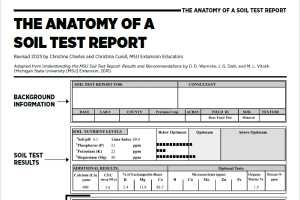
Are you staring at your soil test report, wondering what it all means? You’re not alone.
For many gardeners and farmers, interpreting a soil test report can feel like decoding a secret language. But don’t worry—understanding your soil test is easier than you think, and it’s the key to unlocking the full potential of your garden or farm.
Imagine knowing exactly what your soil needs to thrive and produce healthy, vibrant plants. We’ll guide you through the process, step by step, so you can make informed decisions that lead to lush landscapes and bountiful harvests. Ready to transform your soil into a powerful growing medium? Let’s dive in!
Credit: extension.msstate.edu
Reading Soil Test Results
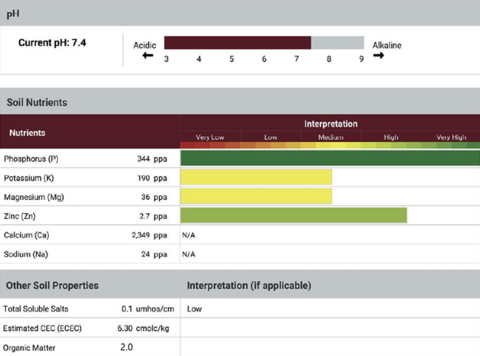
Soil test results show the nutrients and properties in your soil. You can use this information to help plants grow well.
Understanding these results helps you decide what your soil needs for better crops or gardens.
Key Nutrient Levels
Key nutrients like nitrogen, phosphorus, and potassium are vital for plant growth. The test report shows their amounts in your soil.
Look for numbers that show low, medium, or high levels. Low levels mean your soil needs more of that nutrient.
- Nitrogen helps leaves grow green and healthy
- Phosphorus supports root and flower development
- Potassium strengthens plants and helps resist disease
Soil Ph And Its Impact
Soil pH measures how acidic or alkaline the soil is. It affects how plants absorb nutrients.
Most plants grow best in soil with a pH between 6.0 and 7.5. If the pH is too low or high, plants may not get enough nutrients.
- Low pH (acidic) can limit calcium and magnesium
- High pH (alkaline) can reduce iron and zinc availability
- Adjust soil pH with lime or sulfur if needed
Micronutrients To Watch
Micronutrients like iron, zinc, copper, and manganese are needed in small amounts. They keep plants healthy.
Check your soil test for these elements. Deficiencies can cause poor growth or leaf discoloration.
| Micronutrient | Role in Plants | Signs of Deficiency |
|---|---|---|
| Iron (Fe) | Helps make chlorophyll | Yellow leaves with green veins |
| Zinc (Zn) | Supports growth and enzyme function | Short stems, small leaves |
| Copper (Cu) | Aids in photosynthesis | Wilting, leaf tips die |
| Manganese (Mn) | Helps with chlorophyll production | Yellow patches on leaves |
Credit: www.thcfarmer.com
Identifying Soil Deficiencies
Soil tests help find missing nutrients in the soil. Knowing these helps plants grow strong. You can fix problems before they hurt your crops.
Understanding the report is key. It shows what nutrients are low. This guide explains common shortages, how plants show signs, and how to fix them.
Common Nutrient Shortages
- Nitrogen (N)
- Phosphorus (P)
- Potassium (K)
- Calcium (Ca)
- Magnesium (Mg)
- Iron (Fe)
These nutrients are vital. Each one plays a role in plant health. A lack of any can slow growth and reduce yield.
Symptoms In Plants
| Nutrient | Symptoms |
| Nitrogen | Yellowing leaves, slow growth |
| Phosphorus | Poor root growth, dark green or purple leaves |
| Potassium | Leaf edges turn brown, weak stems |
| Calcium | Blossom end rot, distorted new leaves |
| Magnesium | Yellowing between leaf veins |
| Iron | Yellow leaves with green veins |
Watch for these signs early. Plants show stress when nutrients are missing. Detecting symptoms helps you act fast.
Correcting Imbalances
- Add fertilizers rich in the missing nutrient.
- Use organic matter like compost to improve soil health.
- Adjust soil pH to improve nutrient uptake.
- Apply foliar sprays for quick nutrient delivery.
- Test soil regularly to monitor changes.
Fixing imbalances keeps plants healthy. Use the right method for the nutrient and plant type. Avoid over-fertilizing to protect the soil.
Improving Soil Fertility
Soil fertility is key to growing healthy plants. A soil test report helps you understand what your soil needs.
Use the report to improve soil nutrients, balance pH, and choose the right fertilizers.
Choosing The Right Fertilizers
Look at the soil test for nutrient levels like nitrogen, phosphorus, and potassium. Choose fertilizers that add what your soil lacks.
- Use nitrogen fertilizers for leafy growth.
- Apply phosphorus fertilizers for root development.
- Use potassium fertilizers to improve flower and fruit quality.
- Follow recommended amounts to avoid over-fertilizing.
Organic Amendments
Organic matter helps improve soil structure and fertility. Add compost, manure, or cover crops to your soil regularly.
| Amendment | Benefit |
| Compost | Adds nutrients and improves soil texture |
| Manure | Supplies nitrogen and organic matter |
| Cover Crops | Protect soil and fix nitrogen |
Adjusting Soil Ph
Soil pH affects nutrient availability. Use lime to raise pH if soil is too acidic. Use sulfur to lower pH if soil is too alkaline.
Check soil test pH values and follow these guidelines:
- pH below 6.0: Add lime to raise pH.
- pH between 6.0 and 7.5: Ideal range for most plants.
- pH above 7.5: Add sulfur to lower pH.
Credit: extension.missouri.edu
Interpreting Soil Texture And Composition
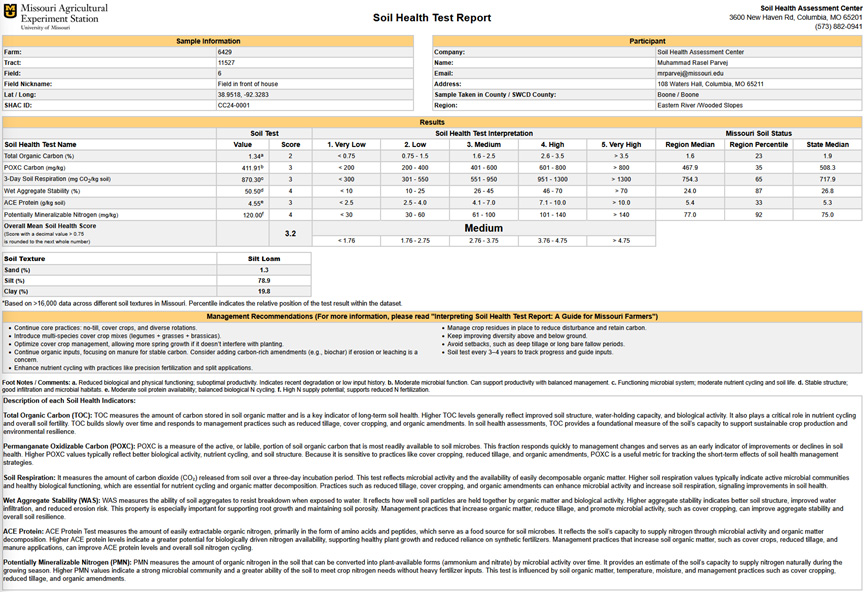
Soil texture tells you how much sand, silt, and clay are in your soil. This affects how water and air move through the soil. Knowing soil texture helps you care for plants better.
Soil composition influences plant growth and soil health. Different ratios of sand, silt, and clay change the soil’s feel and function. Reading your soil test report helps you understand these parts.
Sand, Silt, And Clay Ratios
Sand particles are the largest and make soil feel gritty. Silt particles are medium-sized and feel smooth. Clay particles are the smallest and feel sticky when wet.
Look at your soil test to see the percentage of each. High sand means quick draining soil. More clay means soil holds water but drains slowly.
| Soil Particle | Texture Feel | Effect on Soil |
|---|---|---|
| Sand | Gritty | Drains quickly, low nutrients |
| Silt | Smooth | Holds moisture, fertile |
| Clay | Sticky | Holds water, poor drainage |
Drainage And Aeration
Soil drainage depends on texture. Sandy soil drains fast but can dry out plants. Clay soil holds water but may stay too wet. Good soil needs air between particles to help roots breathe.
Check your soil report for drainage clues. Balanced soil has enough sand, silt, and clay to keep water and air moving well. Poor aeration can hurt plant roots.
- Sandy soil drains well but may need more water
- Clay soil holds water but may need better aeration
- Loam soil has good balance for plants
Amending Soil Structure
Use soil test results to improve soil structure. Add organic matter to sandy soil to hold water. Mix in sand or compost to clay soil to improve drainage.
Amending soil helps plants get the right water and air. It also makes soil easier to work with. Regularly check soil texture and adjust as needed.
- Add compost or mulch for better moisture retention
- Mix sand into clay soil for better drainage
- Use cover crops to improve soil texture over time
Using Soil Test Data For Plant Selection
Soil test reports give detailed information about soil health. You can use this data to choose plants that will grow well in your garden.
Knowing your soil’s pH, nutrient levels, and texture helps pick plants that match your soil conditions. This improves plant growth and health.
Matching Plants To Soil Conditions
Each plant prefers specific soil types and nutrients. Use soil test data to find the best plants for your soil’s pH and nutrient content.
- Check soil pH and select plants that thrive in that pH range.
- Look at nutrient levels like nitrogen, phosphorus, and potassium.
- Choose plants that need similar nutrient amounts as your soil can provide.
- Consider soil texture: sandy, loamy, or clay, and pick plants suited for it.
Optimizing Growth With Soil Insights
Soil test data helps you adjust your soil or choose plants to get the best growth results. You can add fertilizers or organic matter if needed.
| Soil Factor | Action | Effect on Plant Growth |
| Low pH (acidic) | Add lime | Improves nutrient availability |
| High pH (alkaline) | Add sulfur or organic matter | Helps plants absorb nutrients |
| Low nitrogen | Apply nitrogen fertilizer | Boosts leaf and stem growth |
| Low phosphorus | Use phosphate fertilizer | Supports root development |
| Low potassium | Add potassium fertilizer | Increases flower and fruit quality |
Maintaining Soil Health Over Time
Keeping soil healthy is important for strong plants and good harvests. Soil health means the soil has the right nutrients and good structure.
Regular care helps soil stay rich and productive for many years. This guide explains how to use soil test reports to maintain soil health over time.
Regular Testing Schedule
Testing soil often helps track its condition and nutrient levels. This shows if the soil needs more nutrients or changes in treatment.
Test soil every 1 to 3 years depending on your crops and soil use. Keep records of each test to compare results over time.
- Test before planting major crops
- Check soil after heavy rain or drought
- Test after adding fertilizers or amendments
Crop Rotation And Cover Crops
Changing crops each season helps prevent soil nutrient loss. Different crops use and return different nutrients.
Cover crops protect soil from erosion and add organic matter. They improve soil texture and increase fertility naturally.
- Rotate legumes to add nitrogen to soil
- Use cover crops like clover or rye in off-season
- Mix deep-rooted and shallow-rooted plants for balance
Sustainable Gardening Practices
Use natural ways to keep soil healthy. Avoid heavy chemicals that can harm soil life and structure.
Adding compost and mulch helps keep soil moist and full of nutrients. It also supports good microbes and earthworms.
- Apply compost yearly to add organic matter
- Use mulch to reduce water loss and weed growth
- Plant native species that fit local soil conditions
Frequently Asked Questions
What Does A Soil Test Report Show?
A soil test report reveals nutrient levels, pH value, and soil texture. It helps identify deficiencies and guide fertilization. This ensures optimal plant growth and soil health management.
How To Read Soil Ph In The Report?
Soil pH indicates acidity or alkalinity on a scale of 1 to 14. A pH of 6 to 7 is ideal for most plants. Adjust soil pH by adding lime or sulfur as recommended.
Why Are Nutrient Levels Important In Soil Tests?
Nutrient levels show the amount of nitrogen, phosphorus, potassium, and other minerals. Proper levels are essential for healthy plant growth. Deficiencies or excesses can be corrected based on the report.
How To Use Soil Test Results For Fertilization?
Use the report to apply the right type and amount of fertilizer. Follow recommendations for nutrient application to avoid overuse or underuse. This promotes sustainable and efficient farming practices.
Conclusion
Soil test reports give clear clues about soil health and needs. Reading them helps you choose the right fertilizers and care steps. This leads to stronger plants and better harvests. Keep your report handy for future reference and adjustments. Simple steps in soil care can make a big difference.
Understanding your soil is the first step toward healthy gardening. Use this knowledge to grow plants with confidence and success.
