
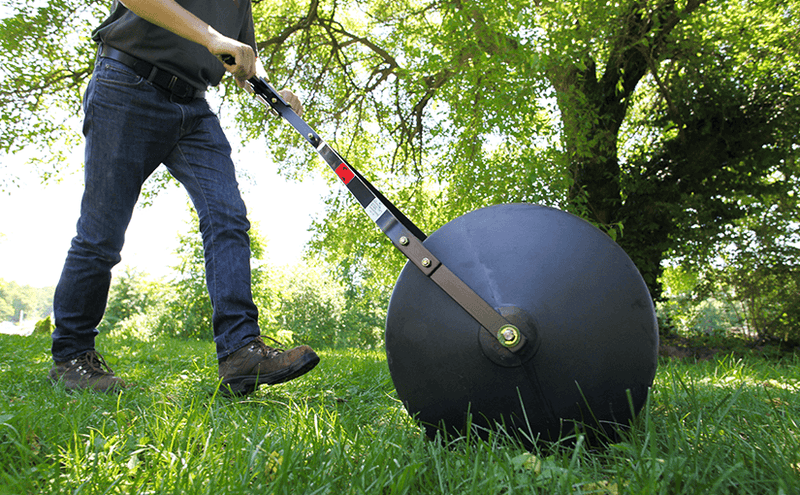
Are you planning to install sod in your yard? If so, you might be wondering if a lawn roller is a tool you should have on hand.
This simple device could be the key to achieving that lush, even lawn you’ve always dreamed of. But before you rush out to buy one, it’s important to know how a lawn roller can affect your sod installation. Could it really make the difference between a patchy lawn and a seamless green carpet?
We’ll explore the role of lawn rollers in sod installation, helping you decide if it’s the right tool for your project. By the end, you’ll have all the insights you need to ensure your sod installation is a success. So, are you ready to uncover the secrets to a perfect lawn? Read on to find out!
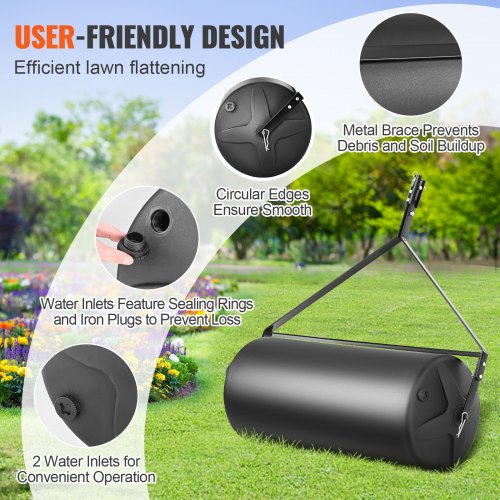
Credit: www.vevor.ca
Purpose Of Lawn Rollers
Lawn rollers help make your lawn smooth and even. They press the soil down after you put down new grass sod. This helps the roots touch the soil better.
Using a lawn roller makes it easier for sod to grow well. It removes air pockets under the sod. This helps water reach the roots faster.
How Lawn Rollers Work
Lawn rollers work by pressing the soil and sod firmly. This pressure helps the sod stick to the ground. It also makes the surface level and smooth.
- Rollers push out air pockets under the sod.
- They press the soil to create a flat surface.
- They improve root contact with the soil.
- They help water soak into the ground better.
Types Of Lawn Rollers
There are different types of lawn rollers. Each type works in a special way for different lawn needs. Some are filled with water or sand for weight.
| Type | Description | Use |
| Water-Filled Roller | Hollow roller filled with water | Light to medium pressure for new lawns |
| Sand-Filled Roller | Hollow roller filled with sand | Heavier pressure for compacting soil |
| Steel Roller | Solid steel roller | Strong pressure for leveling hard soil |
Benefits For Sod Installation
Lawn rollers can help a lot when installing sod. They press the sod firmly into the soil.
This helps the grass grow better and makes the lawn look smooth and even.
Improving Soil Contact
Lawn rollers press the sod down so it touches the soil well. This close contact helps the grass roots find the soil easily.
Good soil contact also stops the sod from drying out too fast after installation.
Reducing Air Pockets
Rolling the sod removes air pockets under the grass. Air pockets can stop roots from growing properly.
Removing air pockets gives the sod a firm base to grow strong roots.
- Prevents dry spots
- Stops sod from lifting
- Improves water absorption
Enhancing Root Establishment
Using a lawn roller helps roots grow deep into the soil. Strong roots make the grass healthy and steady.
It also helps the sod settle faster, so the lawn looks good sooner.
When To Use Lawn Rollers
Lawn rollers help press sod firmly into the soil. This improves root contact and reduces air pockets. Using a roller can make your new lawn grow better and look smoother.
It is important to know the right time to use a lawn roller. Using it too soon or too often can harm the sod. This guide explains the best timing and how often to roll your lawn.
Ideal Timing After Laying Sod
Roll the sod right after you lay it down. This pushes the roots into the soil and removes air pockets. Rolling too late may not help the sod settle well.
Wait to roll again until the sod starts to root into the ground. This usually takes about one to two weeks. Rolling after this helps the lawn stay flat and even.
Frequency Of Rolling
Do not roll your lawn too often. Rolling once after installation is usually enough. If you roll too much, you can damage the grass roots.
Only roll again if the lawn looks uneven or bumpy. Use light pressure to avoid harming the grass. Always check the soil moisture before rolling.

Credit: www.amazon.ca
Potential Drawbacks
Lawn rollers can seem helpful for sod installation. They press sod firmly against soil. But using them has some risks. It is important to know these before using a roller.
This section explains two main drawbacks of lawn rollers. They affect soil health and water flow. Both are important for a healthy lawn.
Risk Of Soil Compaction
Soil compaction happens when soil particles are pressed tightly. Lawn rollers can cause this by pushing soil too hard. Compacted soil stops air, water, and nutrients from moving well.
- Roots find it hard to grow in compacted soil.
- Grass may turn yellow or weak.
- Water does not soak in easily.
- Soil life like worms and microbes decrease.
Effects On Drainage
Good drainage helps grass stay healthy. Lawn rollers can reduce drainage by making soil dense. Water may pool on the surface after rain or watering.
| Drainage Problem | Result |
| Poor drainage | Water pooling on lawn surface |
| Slow water absorption | Grass roots stay wet longer, increasing disease risk |
| Runoff increase | Loss of soil and nutrients |
Expert Tips For Best Results
Lawn rollers help press sod into the soil. This improves root contact and helps grass grow well.
Using a roller the right way makes sod installation easier and more successful. Here are some tips.
Proper Roller Weight
The roller should be heavy enough to press sod but not so heavy it damages roots. Choose a roller weight that fits your soil type.
Light soil needs a heavier roller. Clay soil needs a lighter roller to avoid compaction.
- Use rollers between 50-100 pounds for sandy soils
- Use rollers under 50 pounds for clay or compact soils
- Test the roller on a small patch first
Moisture Considerations
Moist soil helps sod roots grow into the ground. Roll the sod when the soil and sod are moist but not soaking wet.
Too dry soil makes sod hard to press down. Too wet soil can cause soil compaction and poor root growth.
- Water soil a day before installation
- Roll sod within a few hours of laying it
- Do not roll if soil is muddy or waterlogged
Alternative Tools And Techniques
If you do not have a lawn roller, you can use other tools to press sod.
Hand tampers or the back of a rake help press sod edges and corners.
- Use a hand tamper for small areas
- Press edges carefully with a rake handle
- Walk gently over sod after laying it to improve contact
Credit: www.aosom.com
Frequently Asked Questions
Do Lawn Rollers Improve Sod Root Contact?
Yes, lawn rollers press sod firmly onto the soil. This improves root-to-soil contact, promoting faster root establishment and healthier grass growth.
When Should I Use A Lawn Roller For Sod?
Use a lawn roller immediately after laying sod. Rolling helps eliminate air pockets and ensures the sod adheres well to the soil surface.
Can Lawn Rollers Damage Newly Installed Sod?
If overused or too heavy, lawn rollers can damage sod roots. Use a lightweight roller gently to avoid compacting soil excessively.
How Often Should I Roll Sod After Installation?
Typically, rolling once right after installation is enough. Avoid repeated rolling to prevent soil compaction and allow roots to grow naturally.
Conclusion
Lawn rollers help press sod firmly into the soil. This makes the sod touch the ground better. It stops air pockets that harm grass roots. Rolling also smooths the lawn surface nicely. It helps water soak into the soil evenly.
But do not roll too hard or too long. Light rolling works best for healthy grass. Use a lawn roller to support sod growth. It’s a simple step for a greener lawn. Give your new sod a strong start today.

