

Are you tired of your leaf vacuum giving up just when you need it the most? If you’re looking for ways to extend the life of your trusty garden tool, you’re in the right place.
Imagine having a leaf vacuum that lasts season after season, saving you both time and money. Your leaf vacuum is an investment, and with a few simple tips, you can ensure it stays in top shape for years to come.
In this guide, you’ll discover easy, actionable steps to maintain and care for your leaf vacuum, helping you get the most out of every use. Stick around to learn how to keep your leaf vacuum running smoothly, so you can enjoy a neat and tidy yard without the hassle of frequent repairs or replacements.
Choosing The Right Leaf Vacuum
Picking the right leaf vacuum can help you keep your yard clean longer. The right tool makes yard work easier and extends the life of your equipment.
Knowing what types of leaf vacuums are available and what features to look for helps you make a smart choice. You also need to balance cost and quality.
Types Of Leaf Vacuums
There are three main types of leaf vacuums. Each type works best in different situations and yard sizes.
- Handheld Vacuums:Lightweight and easy to use. Good for small yards and light leaf cleanup.
- Backpack Vacuums:Worn on your back for better mobility. Ideal for medium to large yards.
- Walk-Behind Vacuums:Large and powerful. Best for big yards and heavy leaf buildup.
Features To Consider
Look at features that improve performance and durability. These features help your leaf vacuum last longer and work better.
| Feature | Benefit |
| Power Source | Electric models are quieter; gas models offer more power. |
| Bag Capacity | Larger bags mean less emptying during use. |
| Weight | Lighter vacuums reduce fatigue during long use. |
| Mulching Ability | Reduces leaf volume and makes disposal easier. |
| Adjustable Speed | Lets you control suction for different leaf types. |
Budget Vs. Quality
Deciding between budget and quality means thinking about how often you will use the vacuum. A cheap vacuum may save money now but cost more later.
- Lower-cost models fit occasional use and small yards.
- Higher-quality models last longer and handle tough jobs.
- Consider repair costs and availability of parts.
- Think about warranties offered by the manufacturer.
Routine Maintenance Practices
Keeping your leaf vacuum in good condition helps it last longer. Regular maintenance stops damage and keeps it working well.
Simple care steps after each use can save you money. These steps also make your leaf vacuum safer to use.
Cleaning After Use
Clean your leaf vacuum after every time you use it. Removing dirt and leaves stops clogs and damage.
Wipe the outside and clear the inside parts. Use a brush or cloth to get rid of stuck debris.
- Empty the collection bag or container.
- Clear leaves from the intake and exhaust.
- Wipe down the vacuum’s body to remove dust.
Checking And Replacing Filters
Filters keep dirt out of the engine and motor. Check filters often to make sure they are clean and not damaged.
Replace filters if they look torn or very dirty. Clean filters help the vacuum run smoothly and last longer.
- Inspect filters before each use.
- Wash reusable filters with water and let dry.
- Buy new filters if the old ones are worn out.
Inspecting Blades And Tubes
Check blades and tubes for damage or blockages. Sharp blades work better and tubes should be clear to avoid clogs.
Replace or fix any broken blades or cracked tubes. Keeping parts in good shape helps your vacuum work efficiently.
- Look for cracks or holes in tubes.
- Check blades for dullness or breaks.
- Remove any stuck debris inside tubes.
- Replace parts if they are damaged.
Proper Usage Techniques
Using your leaf vacuum correctly helps it last longer and work better. Simple habits make a big difference.
Follow these tips to keep your leaf vacuum in good shape and avoid damage.
Avoiding Overloading
Do not fill the vacuum bag or container beyond its limit. Overloading strains the motor and parts.
- Empty the bag or container often during use
- Pick up leaves in smaller amounts
- Do not vacuum large sticks or heavy debris
- Use the correct settings for the volume of leaves
Correct Storage Methods
Store your leaf vacuum in a dry and clean place. Proper storage stops rust and damage.
| Storage Tip | Reason |
| Keep indoors away from rain | Prevents water damage |
| Clean before storing | Removes dirt and leaves |
| Store in a cool area | Protects battery and motor |
| Avoid stacking heavy items on it | Prevents physical damage |
Using On Suitable Surfaces
Use the leaf vacuum only on grass, soil, or paved surfaces. Rough or wet surfaces can cause problems.
- Do not use on gravel or rocky areas to avoid damage
- Avoid using on wet leaves to prevent clogging
- Check the surface for large debris before vacuuming
- Use gentle sweeping motions on delicate surfaces

Credit: www.amazon.com
Troubleshooting Common Issues
Leaf vacuums help keep yards clean and neat. Sometimes, they face problems that slow them down. Fixing these issues can extend the vacuum’s life.
Below are common problems and easy ways to solve them. Follow these tips to keep your leaf vacuum working well.
Dealing With Clogs
Clogs happen when leaves and debris block the vacuum tube or bag. This stops the vacuum from working properly.
- Turn off the vacuum and unplug it before checking for clogs.
- Remove the bag or tube carefully.
- Use a stick or tool to clear stuck leaves inside.
- Check the fan area for any blockages.
- Clean or replace the vacuum bag if it is full or torn.
Fixing Motor Problems
The motor powers the vacuum. If it does not start or runs weakly, the motor might have issues. Check these parts:
| Problem | Cause | Solution |
| Motor won’t start | Power cord damaged | Inspect and replace the cord |
| Motor stops suddenly | Overheated motor | Let it cool down before restarting |
| Weak suction | Dirty motor air vents | Clean vents with a brush |
| Motor runs but no suction | Broken fan blades | Replace fan blades |
Handling Unusual Noises
Strange sounds can mean parts are loose or damaged. Follow these tips to find the cause:
- Turn off the vacuum and check all screws and bolts.
- Look for worn or broken parts near the motor and fan.
- Clean any debris stuck inside the vacuum.
- Replace damaged parts as needed to stop the noise.
Upgrading And Accessorizing
Leaf vacuums work better and last longer with the right upgrades. Adding parts and accessories can improve their performance.
Taking care of your leaf vacuum by upgrading and accessorizing saves money. It helps you get more use from your tool over time.
Adding Attachments
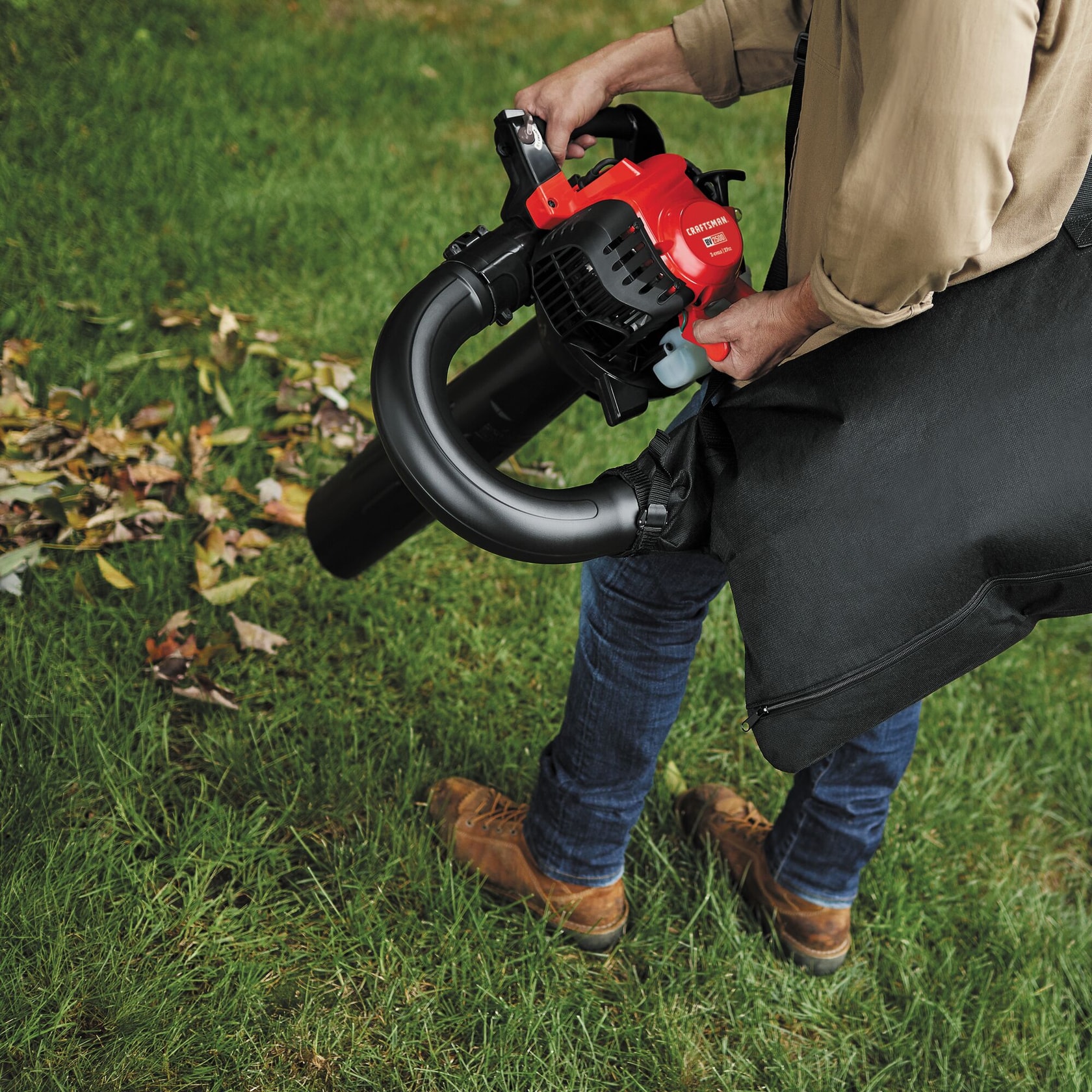
Attachments change how your leaf vacuum works. They let you reach tight spots or collect leaves faster.
Common attachments include different nozzles and extension tubes. These help you clean larger areas or narrow spaces.
- Wide nozzles for big piles of leaves
- Thin tubes to reach corners and gutters
- Brush attachments for stubborn debris
Replacing Parts For Better Performance
Replace worn parts to keep your leaf vacuum working well. Old parts lower the machine’s power and efficiency.
Common parts to replace include filters, belts, and impellers. Using good-quality parts boosts your vacuum’s life.
- Clean or change air filters often
- Replace belts if they are cracked or loose
- Check impellers for damage and replace if needed
Using Protective Covers
Protective covers shield your leaf vacuum from dirt and weather. This keeps parts clean and prevents rust.
Use covers when storing the vacuum indoors or outdoors. Covers reduce damage and keep your tool ready to use.
- Waterproof covers protect from rain and snow
- Dust covers keep dirt away during storage
- Soft covers prevent scratches and dents
Credit: www.craftsman.com
Credit: www.craftsman.com
Frequently Asked Questions
How Often Should I Clean My Leaf Vacuum?
Regular cleaning after every use prevents clogging and extends your leaf vacuum’s life. Empty the bag and clear debris from the intake and filters for better performance.
What Maintenance Helps Extend A Leaf Vacuum’s Life?
Check and replace worn parts like belts, filters, and spark plugs. Lubricate moving parts and store the vacuum in a dry, sheltered area to prevent rust and damage.
Can Using The Right Fuel Improve Leaf Vacuum Durability?
Yes, using fresh, proper fuel prevents engine damage. Avoid old or mixed fuels. Follow the manufacturer’s fuel recommendations for optimal performance and longer engine life.
How Should I Store My Leaf Vacuum During Off-seasons?
Store your leaf vacuum in a dry, cool place. Drain fuel or add a fuel stabilizer. Cover it to protect from dust and moisture, ensuring readiness for the next use.
Conclusion
Taking care of your leaf vacuum helps it last longer. Clean the filters and empty the bag often. Check for any blockages and fix small problems quickly. Store the vacuum in a dry place away from dust. Regular maintenance saves money and keeps your machine working well.
Follow these simple steps to enjoy a reliable leaf vacuum every fall. Small efforts make a big difference in its lifespan. Keep your yard clean without worrying about your vacuum breaking down. A well-kept leaf vacuum is a smart investment for your home.
