
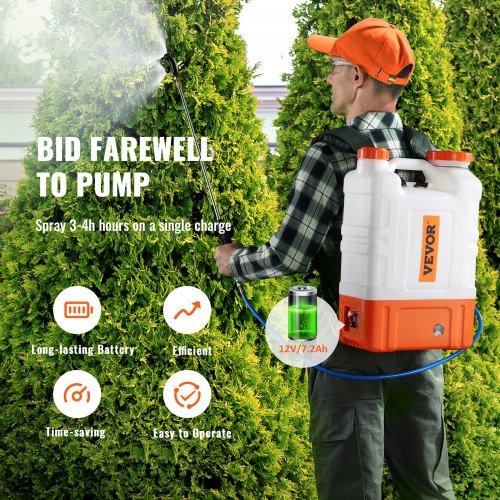
Are you struggling to get the perfect spray from your backpack sprayer? Choosing the right PSI (pounds per square inch) can make all the difference in how well your sprayer works.
Too little pressure means uneven coverage, and too much can waste your liquid or damage plants. But what PSI is best for backpack sprayers? You’ll discover the ideal pressure settings to get the job done efficiently and effectively. Keep reading to unlock simple tips that will help you spray smarter, save time, and protect your plants.
Credit: www.vevor.ca
Backpack Sprayer Basics
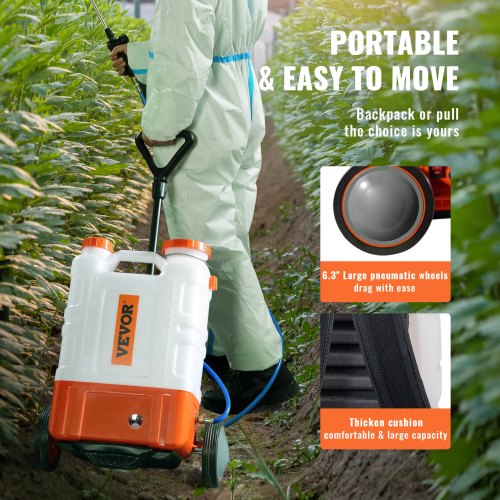
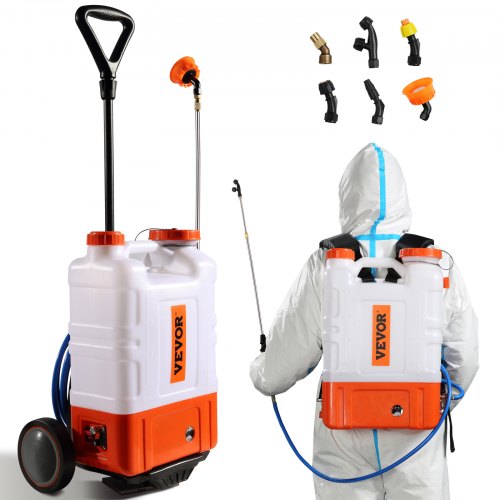
A backpack sprayer helps spread liquids like pesticides or fertilizers. It holds the liquid in a tank carried on your back. You can spray with a hand pump or battery power.
Choosing the right pressure is key. PSI means pounds per square inch. It tells how strong the spray is. The best PSI depends on the sprayer type and what you spray.
Types Of Backpack Sprayers
There are three main types of backpack sprayers. Each type has a different way to create pressure.
- Manual Pump Sprayers:You pump by hand to build pressure. PSI usually stays low, around 20 to 40. Good for small jobs.
- Gas-powered Sprayers:Use a small engine to make high pressure. PSI can reach 100 or more. Best for big areas.
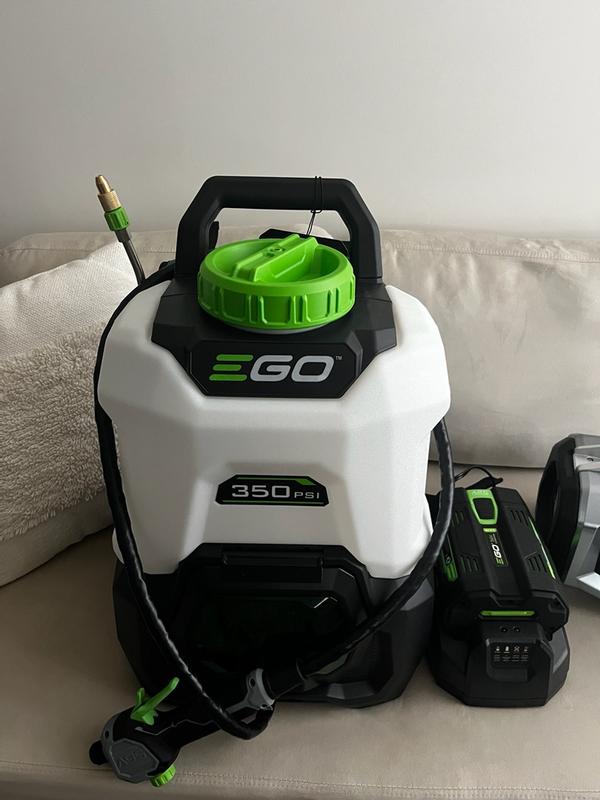
- Battery-powered Sprayers:Use a motor and battery. PSI is steady and adjustable, often 30 to 60. Easy to use and quiet.
Common Uses And Applications
Backpack sprayers work for many tasks. The right PSI helps get the job done well without waste or damage.
| Application | Recommended PSI | Notes |
|---|---|---|
| Garden plants | 20-40 | Low pressure to avoid leaf damage |
| Lawn weed control | 40-60 | Medium pressure for even coverage |
| Orchards and trees | 60-100 | Higher pressure for tall plants |
| Fungicide spraying | 30-50 | Gentle spray to cover all leaves |
What Psi Means
PSI stands for pounds per square inch. It measures pressure inside a container or system.
In backpack sprayers, PSI tells you how much force pushes the liquid out. This affects how the spray works.
Psi And Spray Performance
The PSI level controls the spray pattern and droplet size. Higher PSI means smaller droplets and finer spray.
Low PSI produces bigger droplets and a heavier spray. This works well for spot treatments or thick liquids.
- High PSI: fine mist, covers large areas evenly
- Low PSI: coarse spray, good for targeted application
How Psi Affects Coverage
PSI influences how far and wide the spray reaches. Higher PSI pushes liquid farther from the nozzle.
Lower PSI limits spray distance but can reduce drift. This helps keep chemicals on the target area.
- Higher PSI: wider coverage, less liquid per spot
- Lower PSI: narrower coverage, more liquid per spot
Ideal Psi Range For Backpack Sprayers
Choosing the right psi for your backpack sprayer is important. Psi means pounds per square inch. It shows how much pressure the sprayer uses.
Using the correct psi helps protect plants and cleans surfaces well. Too much pressure can harm plants. Too little pressure may not clean well.
Low Psi For Delicate Plants
Low psi is best for spraying delicate plants. It sprays gently and avoids damage. Low pressure keeps leaves and flowers safe.
Typical low psi range is 15 to 30 psi. This range gives a soft spray. It covers plants evenly without hurting them.
- Prevents leaf tearing
- Reduces plant stress
- Good for seedlings and flowers
High Psi For Tough Surfaces
High psi works well on tough surfaces. It removes dirt and grime quickly. High pressure sprays reach cracks and hard-to-clean spots.
The best high psi range is 40 to 60 psi. This strong spray cleans surfaces like walls and sidewalks. It also helps with stubborn pests.
- Effective for hard surfaces
- Removes dirt and pests
- Use carefully to avoid damage
Factors Influencing Psi Choice
Choosing the right psi for backpack sprayers depends on several factors. These affect spray quality and efficiency.
Understanding these factors helps you pick the correct pressure for different spraying tasks.
Nozzle Type And Size
Nozzle type and size directly affect the psi needed. Small nozzles require higher pressure to deliver fine droplets.
- Flat fan nozzles work well at moderate psi for even coverage.
- Hollow cone nozzles need higher psi to create fine mist.
- Large nozzles operate at lower psi but cover more area.
Spray Pattern And Distance
The spray pattern and distance influence the pressure setting. More pressure increases spray distance and changes the pattern.
| Spray Pattern | Recommended Psi Range | Effect |
| Fine Mist | 30 – 50 psi | Good coverage, short distance |
| Medium Fan | 20 – 40 psi | Balanced coverage and distance |
| Coarse Spray | 10 – 25 psi | Long distance, less drift |
Chemical Compatibility
Chemicals in the spray mix can affect nozzle wear and flow. This impacts the psi needed for proper application.
Consider these points for chemical compatibility:
- Some chemicals need lower psi to prevent damage to plants.
- Thicker solutions may require higher psi for even spraying.
- Check manufacturer guidelines for pressure limits with chemicals.
Adjusting Psi For Best Results
Proper pressure in backpack sprayers helps spread chemicals evenly. Adjusting psi ensures good coverage and saves product.
Too much pressure causes waste and spray drift. Too little pressure leads to poor spray patterns and weak results.
Manual Pressure Controls
Many backpack sprayers have manual controls to set pressure. Users pump a lever or handle to raise psi.
You can control spray strength by how hard and fast you pump. Steady pressure gives a steady spray.
- Pump slowly for low psi and gentle spray
- Pump faster for higher psi and strong spray
- Release pressure to stop or reduce spray
- Check gauges if available to monitor psi
Pump Mechanisms And Their Impact
Pump types affect how easy it is to keep good pressure. Some pumps hold psi longer without constant pumping.
Single-action pumps push fluid with each stroke. Double-action pumps spray on both up and down strokes.
- Single-action pumps need more pumping to keep pressure
- Double-action pumps maintain steady pressure with less effort
- Quality seals help keep pressure stable
- Choose a pump that fits your strength and spraying needs
Credit: egopowerplus.com
Troubleshooting Psi Issues
Backpack sprayers need the right pressure to work well. Psi, or pounds per square inch, shows this pressure. Low or high psi causes poor spraying or damage. Fixing psi problems helps keep sprayers safe and effective.
This guide covers common pressure problems and how to keep psi steady. Use these tips to find and fix psi troubles fast.
Common Pressure Problems
Many psi issues come from simple causes. Look for leaks, clogs, or worn parts first. These can lower pressure or cause spikes. Check the hose, nozzle, and pump for damage or dirt.
- Leaks in hose or connections reduce pressure.
- Clogged nozzle blocks spray flow.
- Worn pump seals cause uneven pressure.
- Wrong nozzle size changes psi output.
- Incorrect pump speed affects pressure control.
Maintenance Tips To Maintain Psi
| Task | Frequency | Purpose |
| Check hose and nozzle | Before each use | Find leaks and clogs early |
| Clean nozzle | After every use | Keep spray uniform |
| Inspect pump seals | Monthly | Prevent pressure drops |
| Lubricate pump parts | Monthly | Ensure smooth pumping |
| Test pressure gauge | Quarterly | Check psi accuracy |
Safety Tips When Using Backpack Sprayers
Backpack sprayers help apply liquids like pesticides and fertilizers. Using them safely keeps you and the environment safe.
Always follow safety steps to avoid accidents and health risks while spraying chemicals.
Protective Gear Recommendations
Wearing the right protective gear stops chemicals from touching your skin or entering your body. This gear keeps you safe during spraying.
Use gloves, goggles, and long clothes to protect your hands, eyes, and body. A mask helps stop you from breathing in harmful sprays.
- Wear chemical-resistant gloves
- Use safety goggles or glasses
- Wear long-sleeved shirts and pants
- Put on a face mask or respirator
- Use waterproof boots to protect feet
Handling Chemicals Safely
Handle chemicals with care to avoid spills and injuries. Always read the label to know how to mix and use them safely.
Keep chemicals in their original containers and store them away from children and pets. Clean your sprayer after each use to avoid contamination.
- Read all chemical instructions before use
- Mix chemicals in a well-ventilated area
- Do not eat or drink while handling chemicals
- Store chemicals in a locked, dry place
- Wash your hands after spraying
- Clean and rinse sprayer parts carefully
Credit: www.vevor.ca
Frequently Asked Questions
What Psi Is Ideal For Backpack Sprayers?
The ideal PSI for backpack sprayers ranges between 25 and 60 PSI. This range ensures effective spray coverage without over-pressurizing the equipment.
How Does Psi Affect Backpack Sprayer Performance?
Higher PSI increases spray distance and coverage but may reduce battery life or user comfort. Optimal PSI balances power and efficiency.
Can Too High Psi Damage A Backpack Sprayer?
Yes, excessive PSI can cause leaks or damage seals in backpack sprayers. Always follow manufacturer PSI recommendations to avoid damage.
Why Choose Lower Psi Settings For Delicate Plants?
Lower PSI prevents leaf damage and ensures gentle application of chemicals. It’s best for sensitive plants and precise spraying needs.
Conclusion
Choosing the right psi for backpack sprayers ensures effective spraying. Adjust the psi according to your specific task. Delicate plants need lower psi for gentle care. Tougher weeds require higher psi for deep penetration. Always check the sprayer’s manual for recommended settings.
Proper psi settings enhance efficiency and save time. Experiment to find the best psi for your needs. Remember, right psi improves spraying results. It helps maintain healthy plants and saves resources. With practice, selecting the ideal psi becomes easier. Make your spraying tasks efficient and productive with the right psi choice.
