
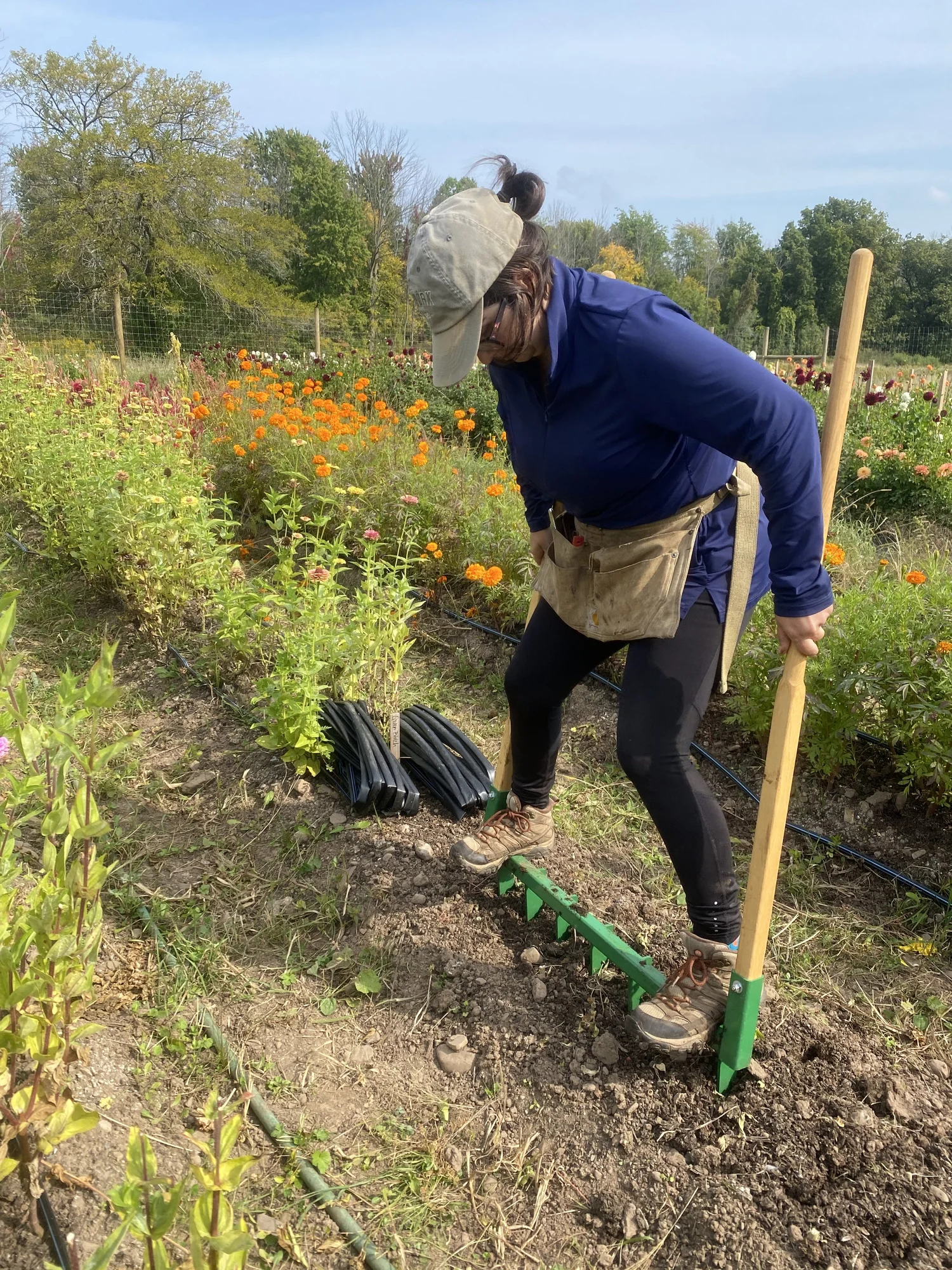
Getting your garden ready for beautiful flowers starts with one important step: tilling the soil. If you want your blooms to thrive, you need to prepare the ground properly.
But how do you till soil the right way? You might be wondering if there’s a simple, effective method that won’t tire you out or damage your plants. This guide will show you exactly how to till your soil before planting flowers, so your garden gets the best start possible.
Keep reading, and you’ll discover easy tips that make a big difference in your flower bed’s health and beauty.
Choosing The Right Time
Preparing soil before planting flowers is important for healthy growth. Choosing the right time to till the soil makes a big difference.
Timing helps avoid problems like soil compaction or poor drainage. Let’s look at signs that show soil is ready and how to avoid wet conditions.
Signs Soil Is Ready
Check your soil before tilling. It should be loose and crumbly, not hard or clumpy. Here are clear signs your soil is ready:
- The soil breaks apart easily in your hands.
- It feels dry but not dusty.
- Soil warms up to about 50°F (10°C) or higher.
- There is no standing water after rain.
- Earthworms are visible in the soil.
Avoiding Wet Conditions
Tilling wet soil can harm its structure. Wet soil clumps and compacts, making it hard for roots to grow. Follow these tips to avoid tilling when soil is too wet.
| Wet Soil Problem | Effect on Soil | How to Avoid |
| Heavy clay soil | Compacts easily | Wait 2-3 days after rain |
| Sandy soil | Dries quickly but can be muddy | Check moisture before tilling |
| Loose soil | Can be worked sooner | Test soil by squeezing it |

Credit: www.reddit.com
Gathering Essential Tools
Preparing soil before planting flowers needs the right tools. Good tools make tilling easier and more effective.
Choosing the right tiller depends on your garden size and physical strength. Let’s look at types of tillers and tool options.
Types Of Tillers
Tillers help break up soil to prepare it for planting. They come in many shapes and sizes to match your garden’s needs.
- Rototillers: powerful tools for large areas.
- Cultivators: smaller tools for mixing soil and weeds.
- Hand tillers: simple tools for small gardens and tight spaces.
Manual Vs. Power Tools
Manual tools need more effort but cost less. Power tillers use engines to work faster and cover more ground.
| Tool Type | Pros | Cons |
| Manual Tiller | Affordable, quiet, low maintenance | Requires physical effort, slower work |
| Power Tiller | Fast, less physical effort, covers large areas | More expensive, noisy, needs fuel |
Preparing The Soil
Tilling the soil before planting flowers helps roots grow better. It also improves air, water, and nutrient flow.
Good soil preparation leads to healthier plants and more blooms. Start by clearing and testing the soil.
Removing Debris And Weeds
Clear the area of sticks, rocks, and old plants. These can block root growth and hold pests.
Pull out weeds by hand or use a hoe to remove them. Weeds compete with flowers for nutrients.
- Pick up sticks and stones
- Remove old plant roots
- Pull or hoe out weeds
- Dispose of debris away from the garden
Testing Soil Quality
Test your soil to check its pH and nutrient levels. This helps you know what the soil needs.
You can buy a simple soil test kit or send a sample to a lab. Testing guides you on adding fertilizers or lime.
- Collect soil from different spots
- Mix samples for a good test
- Use a test kit or lab services
- Adjust soil based on test results

Credit: www.bumbleplants.com
Tilling Techniques
Tilling soil prepares it for planting flowers by loosening the ground. It helps roots grow and improves water drainage.
Using the right tilling methods keeps your soil healthy and ready for new plants.
Depth And Pattern
Tilling depth depends on the type of flowers you want to plant. Most flower roots grow within the top 6 to 8 inches of soil.
Use a tiller or garden fork to break up soil at this depth. Tilling too deep can harm soil structure.
- Till soil 6 to 8 inches deep for most flowers.
- Use a pattern that covers the entire planting area.
- Work in rows or circles to keep the soil even.
- Overlap passes to avoid leaving hard soil spots.
Avoiding Over-tilling
Over-tilling can damage soil by breaking down its structure too much. This leads to poor drainage and weak plant roots.
| Effect | Cause | Result |
| Soil compaction | Too much tilling | Roots cannot grow well |
| Loss of nutrients | Disturbing soil life | Plants get fewer nutrients |
| Increased erosion | Loose soil surface | Soil washes away easily |
Limit tilling to once before planting flowers. Avoid tilling wet soil to prevent clumping and compaction.
Improving Soil Health
Good soil helps flowers grow strong and healthy. Before planting, prepare the soil well.
Tilling the soil improves air and water flow. It also helps roots grow deep.
Adding Organic Matter
Organic matter adds nutrients and improves soil texture. It helps soil hold moisture and air.
- Use compost made from kitchen scraps and garden waste
- Add well-rotted manure from animals
- Mix leaf mold or shredded leaves into the soil
- Incorporate peat moss or coconut coir for better moisture retention
Work the organic matter into the top 6 to 8 inches of soil before planting.
Balancing Soil Ph
Soil pH affects how plants take up nutrients. Most flowers like a pH between 6 and 7.
| pH Level | Effect on Soil | How to Adjust |
| Below 6 | Too acidic | Add lime to raise pH |
| 6 to 7 | Ideal for most flowers | No change needed |
| Above 7 | Too alkaline | Add sulfur or peat moss to lower pH |
Post-tilling Care
After tilling the soil, you need to take care of it before planting flowers. Proper care helps the soil stay healthy and ready for seeds or plants.
Good post-tilling care improves water flow and root growth. It also prevents soil problems later on.
Leveling The Soil
Level the soil surface to create an even planting area. This helps water spread evenly and seeds to grow well.
Use a rake to smooth the soil. Remove any large clumps or rocks. This makes planting easier and helps roots grow straight.
- Rake soil gently to break clumps
- Fill low spots with soil from high spots
- Remove stones and debris
- Make sure the surface is flat and smooth
Watering Tips
After tilling and leveling, water the soil lightly. This helps soil settle and keeps moisture for seeds or plants.
Do not soak the soil too much. Wet soil can cause seeds to rot or roots to drown.
- Use a gentle spray or watering can
- Keep soil moist but not soaked
- Water in the morning for best absorption
- Check soil moisture daily before planting
Credit: www.gardeningknowhow.com
Frequently Asked Questions
What Is The Best Time To Till Soil For Flowers?
The best time to till soil is early spring or fall. Soil should be moist but not wet for easy tilling. Avoid tilling when soil is too dry or waterlogged to protect soil structure.
How Deep Should I Till Soil Before Planting Flowers?
Till soil to a depth of 6 to 8 inches. This depth loosens soil, improves aeration, and allows roots to grow well. Avoid tilling too deep, as it may harm beneficial organisms.
Should I Add Compost Before Or After Tilling Soil?
Add compost before tilling to mix it evenly into the soil. Compost enriches soil nutrients and improves texture. Mixing compost during tilling ensures better soil fertility for flower growth.
Can Tilling Harm Soil Health For Flowers?
Excessive tilling can harm soil health by disrupting microbes and causing erosion. Light tilling improves soil aeration and nutrient mixing. Use tilling wisely to maintain soil structure and fertility.
Conclusion
Tilling soil before planting flowers makes a big difference. Your plants thrive better in well-prepared ground. Loose soil helps roots grow strong and deep. It also improves water drainage and nutrient uptake. Remember to remove rocks and debris first. Add organic matter for extra nutrients.
Tilling breaks up compact soil, making planting easier. Follow these steps to create the best environment for your flowers. Healthy soil leads to beautiful blooms. Happy gardening!
