
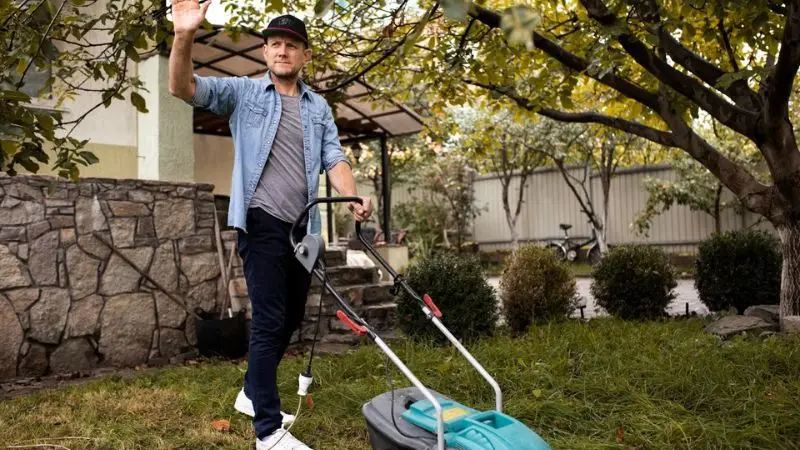
Are you tired of spending hours raking leaves and debris from your lawn? A lawn sweeper can make this chore faster and easier, but only if you know how to use it the right way.
Using a lawn sweeper properly means less effort for you and a cleaner, healthier yard. In this guide, you’ll discover simple steps and insider tips to get the most out of your lawn sweeper. Keep reading, and you’ll learn how to save time, avoid common mistakes, and keep your lawn looking its best all year long.
Choosing The Right Lawn Sweeper
Using a lawn sweeper helps keep your yard clean. Picking the right one makes the job easier and faster.
Think about the type, size, and how you will use it before buying. This guide helps you choose well.
Types Of Lawn Sweepers
Lawn sweepers come in different types. Each type works best for certain jobs and yards.
- Push lawn sweepers are good for small yards and light debris.
- Tow-behind sweepers attach to a lawn tractor for large areas.
- Electric and battery-powered sweepers are quiet and easy to use.
Size And Capacity Considerations
Choose a sweeper size based on your yard area. Larger yards need bigger capacity sweepers.
Small sweepers hold less debris and need frequent emptying. Large sweepers save time but weigh more.
- Small capacity: fits yards under 1/4 acre
- Medium capacity: fits yards 1/4 to 1/2 acre
- Large capacity: fits yards over 1/2 acre
Manual Vs. Tow-behind Models
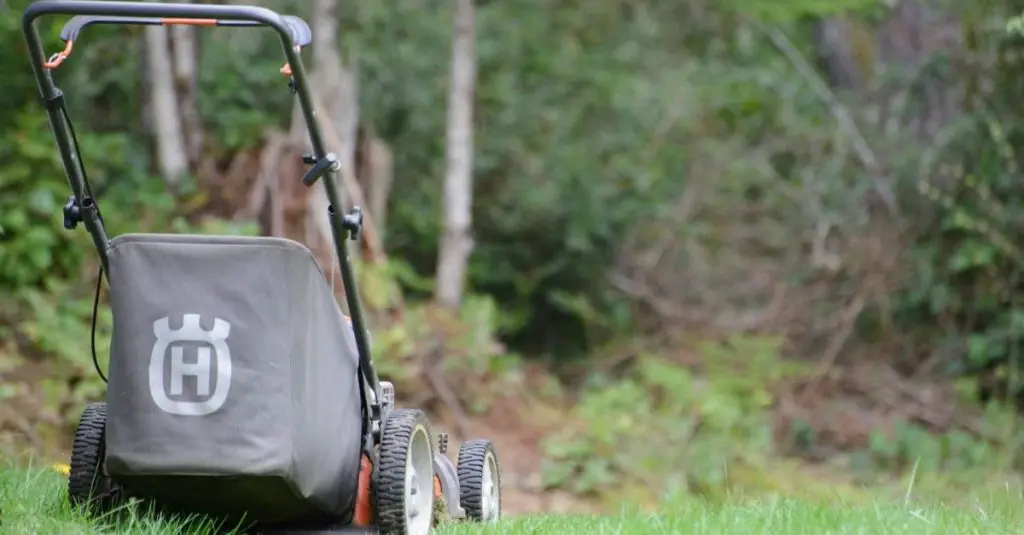
Manual sweepers need you to push them by hand. They work well for small or flat lawns.
Tow-behind sweepers connect to tractors. They handle bigger lawns and heavy debris easily.
- Manual models are lightweight and easy to store.
- Tow-behind models cover more ground quickly.
- Manual sweepers cost less than tow-behind ones.
- Tow-behind sweepers require a tractor or riding mower.
Credit: www.vevor.com
Preparing Your Yard
Using a lawn sweeper is easier when your yard is ready. Preparing the area helps the sweeper work well.
Start by making sure the yard is clear and in good condition. This saves time and protects your equipment.
Clearing Debris And Obstacles
Remove sticks, stones, and toys from your lawn before sweeping. These objects can block the sweeper or cause damage.
- Pick up large sticks and branches
- Move garden tools and children’s toys
- Clear stones and gravel from the grass
- Check for pet waste and remove it
Mowing Before Sweeping
Mow your lawn before using the sweeper. Cutting the grass first makes sweeping easier and more effective.
Set your mower to a medium height. Avoid cutting grass too short as it can cause clumps during sweeping.
Ideal Yard Conditions
| Condition | Reason | Tip |
| Dry Grass | Prevents clumping and improves sweeping | Wait for a sunny day after rain |
| Even Terrain | Helps sweeper move smoothly | Fill holes or ruts before sweeping |
| Clear Lawn | Stops damage to the sweeper | Remove obstacles and debris first |
Operating The Lawn Sweeper
Using a lawn sweeper helps keep your yard clean and neat. It picks up leaves, grass clippings, and other debris quickly.
To get the best results, you need to know how to operate the sweeper properly. This guide explains key steps for smooth operation.
Adjusting The Brush Height
Set the brush height to match your lawn and debris type. Too low can scratch the grass. Too high may miss debris.
Check the manual for your model’s height settings. Adjust the brush so it lightly touches the ground for best pickup.
- Raise brush for tall grass or thick debris
- Lower brush for dry leaves and small debris
- Test on a small area to find the right height
Optimal Sweeping Speed
Push or tow the lawn sweeper at a steady, moderate speed. Moving too fast can leave debris behind.
Keep the speed even to allow the brushes to collect debris well. Slow down for thick or heavy piles.
- Use walking speed for best results
- Slow down in dense debris areas
- Avoid sudden stops or quick turns
Techniques For Different Debris Types
Different debris need different sweeping methods. Adjust your technique to clean efficiently and protect your lawn.
Leaves, grass clippings, and twigs vary in size and weight. Use the right brush height and speed for each type.
- Leaves:Use low brush height and steady speed for dry leaves
- Grass clippings:Medium brush height works well, sweep after mowing
- Twigs and small sticks:Raise brush slightly to avoid damage, sweep slowly
Maintenance Tips
Taking care of your lawn sweeper keeps it working well. Regular maintenance helps it last longer.
Simple steps like cleaning and lubrication keep the sweeper in good shape. Proper storage protects it from damage.
Cleaning The Sweeper Brushes
Brushes collect grass, leaves, and dirt. Clean them after each use to keep them effective.
Use a stiff brush or a hand tool to remove debris. Check for worn or broken brushes and replace if needed.
- Remove stuck grass and leaves
- Brush off dirt and dust
- Check brush condition regularly
- Replace damaged brushes promptly
Lubricating Moving Parts
Lubricate wheels, axles, and joints to reduce friction. This helps the sweeper move smoothly.
Use light machine oil or grease. Apply lubrication after cleaning or before storage for best results.
- Apply oil to wheel bearings
- Grease axles and pivot points
- Wipe off excess lubricant
- Lubricate regularly for smooth operation
Storage Recommendations
Store the lawn sweeper in a dry place to avoid rust and damage. Keep it off the ground if possible.
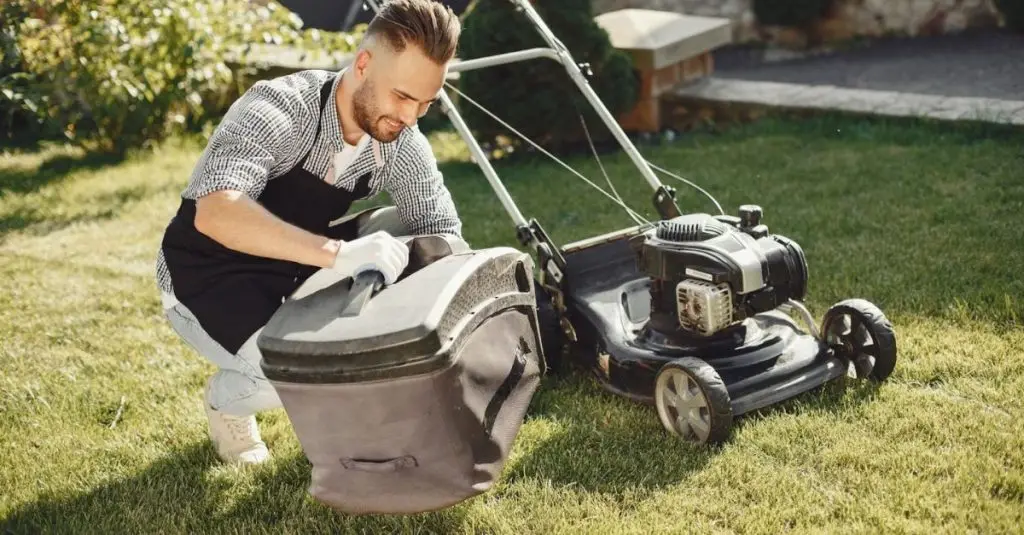
Cover the sweeper with a tarp or use a storage shed. Remove dirt and moisture before storing.
- Clean the sweeper before storage
- Store indoors or under cover
- Keep away from moisture and direct sunlight
- Place on a flat surface or hang if possible
Safety Precautions
Using a lawn sweeper can help keep your yard clean. It is important to use it safely to avoid accidents and injuries.
Follow these safety tips to protect yourself and others while operating the lawn sweeper.
Protective Gear To Wear
Wear the right safety gear before using a lawn sweeper. This gear helps protect you from dust, debris, and sharp objects.
- Wear safety goggles to protect your eyes
- Use gloves to keep your hands safe
- Wear sturdy shoes to protect your feet
- Consider a dust mask if the air is dusty
Avoiding Common Hazards
Check your yard before starting. Remove sticks, stones, and other objects that can cause damage or injury.
Be aware of uneven ground and wet areas. These can make the sweeper slip or tip over.
- Clear sharp objects from the lawn
- Watch for holes or bumps in the grass
- Avoid using the sweeper on wet grass
- Keep children and pets away while working
Handling The Sweeper Safely
Push or pull the lawn sweeper at a steady pace. Do not rush or force the machine over rough spots.
Turn off the sweeper before adjusting or cleaning it. Always follow the user manual for safe handling tips.
- Keep both hands on the handle when moving
- Stop the sweeper before crossing roads or paths
- Do not leave the sweeper running unattended
- Store the sweeper in a safe place after use
Troubleshooting Common Issues
Using a lawn sweeper can save time and effort. Sometimes, problems can stop it from working well.
Here are some common issues and how to fix them for better sweeping results.
Brush Not Picking Up Debris
If the brush does not pick up leaves or grass, check the brush height first. It might be set too high above the ground.
Also, worn or damaged brushes can lose their grip. Replace old brushes to improve pickup.
- Lower the brush close to the ground but avoid scraping
- Clean debris stuck in the brush bristles
- Replace brushes if they look worn or bent
Uneven Sweeping Results
Uneven sweeping means some areas are clean while others are not. This often happens if the sweeper is unbalanced.
Check the wheels and brush for uneven wear. Make sure the sweeper is level when you use it.
- Adjust the height settings equally on both sides
- Inspect wheels for damage or flat spots
- Make sure the sweeper is pushed evenly and straight
Mechanical Problems
Mechanical issues can stop the sweeper from working. Look for loose parts or broken components.
Regular maintenance helps avoid these problems. Lubricate moving parts and tighten bolts as needed.
- Check the drive system and gears for damage
- Tighten loose nuts and bolts
- Oil chains or gears to reduce friction
- Replace broken parts before use
Maximizing Yard Cleanliness Year-round
Keeping your yard clean throughout the year takes effort and the right tools. A lawn sweeper helps pick up leaves, grass clippings, and debris with ease.
Using a lawn sweeper properly can save time and keep your yard looking neat every season.
Seasonal Sweeping Strategies
Each season brings different yard debris. Adjust your sweeping to fit these changes for best results.
- Spring:Remove leftover leaves and twigs from winter.
- Summer:Sweep up grass clippings after mowing.
- Fall:Pick up fallen leaves regularly to prevent buildup.
- Winter:Clear light debris if the ground is not frozen.
Combining Sweeping With Other Yard Care
Using a lawn sweeper works best when paired with other tasks. Plan your yard care to keep everything clean and healthy.
| Task | When to Do It | Benefit |
| Mowing | Weekly in growing seasons | Reduces grass height and clippings |
| Raking | After heavy leaf fall | Removes large leaf piles |
| Watering | Early morning or evening | Keeps grass healthy and green |
| Fertilizing | Spring and fall | Improves soil nutrition |
| Sweeping | After mowing or leaf fall | Collects debris for a clean yard |
Frequency Recommendations
How often you use your lawn sweeper depends on your yard size and local weather. Follow this guide to keep debris under control.
- Sweep once a week during spring and summer to remove grass clippings.
- Increase to twice a week in fall to clear falling leaves promptly.
- Reduce frequency in winter but sweep after storms if possible.
- Adjust based on how quickly your yard fills with debris.
Credit: www.vevor.com

Credit: www.vevor.com
Frequently Asked Questions
How Do I Prepare My Lawn Before Using A Lawn Sweeper?
Before using a lawn sweeper, mow your lawn and remove large debris. Ensure the grass is dry for better sweeping. This preparation helps the sweeper collect leaves, twigs, and grass clippings efficiently without clogging.
What Settings Should I Use On A Lawn Sweeper?
Adjust the brush height according to your grass length and debris type. Start with a higher setting and lower it gradually. Proper settings ensure effective debris pickup without damaging your lawn or the sweeper.
How Often Should I Use A Lawn Sweeper?
Use a lawn sweeper weekly during peak leaf fall seasons. In other times, bi-weekly use is sufficient. Regular sweeping keeps your lawn clean and healthy by preventing debris buildup and promoting better grass growth.
Can A Lawn Sweeper Replace Raking Completely?
A lawn sweeper reduces the need for raking but may not replace it fully. It works best on dry, flat lawns with light debris. For heavy or wet leaves, occasional raking might still be necessary.
Conclusion
A lawn sweeper makes yard cleaning easy. Use it regularly for best results. Start with a clean, clear lawn. Adjust the height to match grass length. Sweep in straight lines for efficiency. Empty the bag often to avoid clogs. Maintain your sweeper for a longer lifespan.
Read the manual for specific guidance. Practice makes perfect. Soon, sweeping will be second nature. Keep your lawn looking neat and tidy. Enjoy your beautiful, clean outdoor space. Happy sweeping!
