
Are you struggling to get the perfect clean-up with your leaf vacuum? Finding the right speed can make all the difference between a quick job and a frustrating mess.
If your vacuum is too fast, it might miss leaves or even clog up. Too slow, and you waste time and energy. But don’t worry—adjusting your leaf vacuum speed is easier than you think. You’ll discover simple tips to fine-tune your vacuum’s speed for the best results every time.
Keep reading, and you’ll be clearing your yard faster and more efficiently than ever before.
Credit: www.vevor.ca
Choosing The Right Speed
Adjusting the leaf vacuum speed helps clean leaves efficiently. The right speed depends on many things. This guide explains how to pick the best speed for your vacuum.
You will learn about factors that affect speed, how to match speed to leaf types, and how to adjust for surface conditions.
Factors Affecting Speed Selection
Several factors affect the best vacuum speed. These include leaf size, leaf moisture, and vacuum power. Also, the amount of debris and wind can change what speed works well.
- Leaf size and weight
- Leaf moisture level
- Vacuum motor strength
- Amount of leaves and debris
- Weather conditions like wind
Matching Speed To Leaf Types
Different leaf types need different speeds. Dry, small leaves need faster speeds. Wet or large leaves need slower speeds to avoid clogging. Adjust the speed to match the leaf type for better cleaning.
| Leaf Type | Recommended Speed |
| Dry and Small | High Speed |
| Wet and Large | Low Speed |
| Mixed Leaves | Medium Speed |
| Heavy Debris | Low Speed |
Adjusting For Surface Conditions
The surface affects vacuum speed. Smooth surfaces allow faster speeds. Rough or uneven surfaces need slower speeds to keep control. Grass and gravel need careful speed settings.
- Smooth pavement: use high speed
- Grass or lawn: use medium speed
- Gravel or uneven ground: use low speed
Step-by-step Speed Adjustment
Adjusting the speed of your leaf vacuum helps improve cleaning. Setting the right speed makes it easier to pick up leaves and debris.
Follow these steps to find the best speed for your leaf vacuum. This guide shows how to adjust speed safely and effectively.
Locating Speed Controls
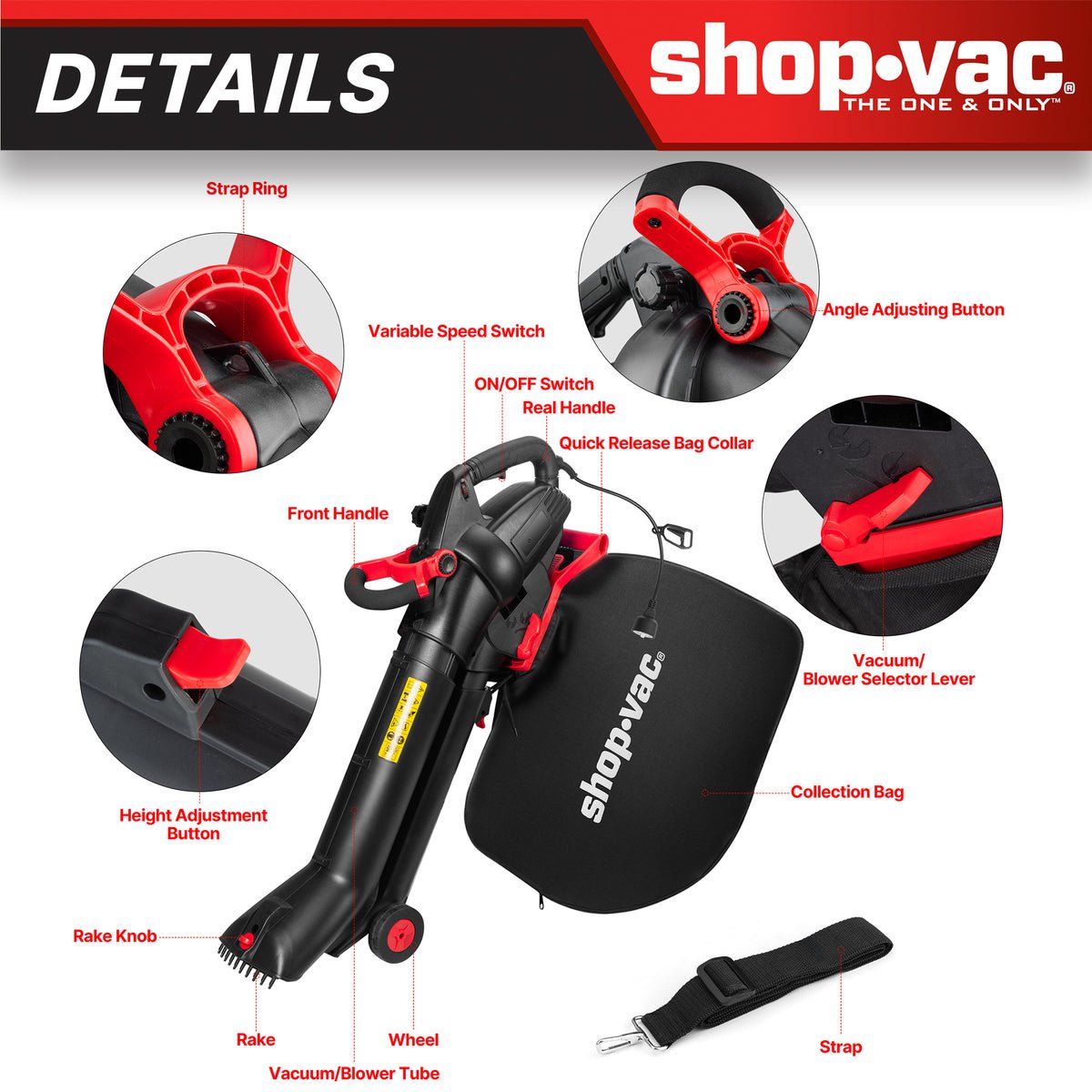
Look for the speed control on your leaf vacuum. It is usually near the handle or on the main body of the machine.
Speed controls may be a dial, a switch, or a lever. Check your user manual if you cannot find it.
- Check near the handle grips
- Look for a dial marked with numbers
- Find switches labeled “speed” or “power”
- Consult the vacuum’s manual for details
Incremental Speed Changes
Change the speed slowly to avoid damage. Small increases help you find the right setting.
Make adjustments in steps. For example, move the dial one number up or down instead of large jumps.
- Start at low speed
- Increase speed in small steps
- Observe how the vacuum reacts
- Stop increasing if you hear strange sounds
Testing And Fine-tuning
Test the vacuum after each speed change. Notice how well it picks up leaves and handles different surfaces.
Adjust again if needed. Find a balance between power and control for best results.
- Run the vacuum on a small area
- Check leaf pickup and machine noise
- Lower speed if vacuum clogs or struggles
- Raise speed if leaves are left behind
Common Speed Settings
Leaf vacuums have different speed settings for many tasks. Choosing the right speed helps clean leaves well.
Adjusting the speed changes how fast leaves are sucked in. This saves time and avoids damage.
Low Speed Uses
Low speed is best for light leaf piles. It works well on dry, small leaves.
Use low speed near plants and fragile areas. It prevents pulling or breaking stems.
- Clearing thin leaf layers
- Working near flower beds
- Cleaning delicate grass areas
Medium Speed Benefits
Medium speed works well for moderate leaf piles. It balances power and control.
This setting saves time without losing accuracy. It is good for most yard cleaning tasks.
- Gathering leaves in average amounts
- Clearing mixed debris and leaves
- Working on uneven ground
High Speed Scenarios
High speed is best for heavy leaf piles. It quickly removes thick and wet leaves.
Use high speed in open spaces. It helps finish large areas fast.
- Cleaning large yards
- Removing wet or stuck leaves
- Clearing leaves from hard surfaces
Maintaining Optimal Performance
Adjusting the speed of your leaf vacuum helps keep it running well. Proper speed improves cleaning and saves energy.
Regular care ensures your vacuum works longer and better. Follow simple steps to maintain its performance.
Regular Cleaning Tips
Clean your leaf vacuum often to prevent clogs and damage. Remove leaves and debris from the intake and collection areas.
Check the filters and clean or replace them as needed. A clean vacuum runs smoothly and keeps its speed steady.
- Empty the collection bag after each use
- Clear the intake and hose from blockages
- Clean or replace filters regularly
- Wipe down the exterior to remove dirt
Checking For Wear And Tear
Inspect your leaf vacuum parts for damage or wear. Worn parts can lower vacuum speed and reduce efficiency.
Look at belts, blades, and hoses for cracks or tears. Replace any damaged parts quickly to keep your vacuum working well.
- Check belts for cracks or looseness
- Inspect blades for dullness or damage
- Look for holes or tears in hoses
- Replace worn parts promptly
Lubrication And Repairs
Lubricate moving parts to reduce friction and keep the vacuum running smoothly. Use the correct oil or grease as recommended.
Fix small problems before they grow. Tighten loose screws and bolts and replace broken parts to maintain speed control.
- Apply lubricant to bearings and joints
- Tighten loose screws and bolts
- Replace broken or damaged parts
- Follow the manufacturer’s maintenance guide
Safety Tips During Adjustment
Adjusting the speed of your leaf vacuum is important for good performance. Doing it safely keeps you from getting hurt.
Follow these safety tips to avoid accidents while adjusting your leaf vacuum speed.
Power Off Precautions
Always turn off the leaf vacuum before making any speed changes. This stops the machine from running during adjustment.
Unplug the vacuum or remove the battery to make sure it cannot start by mistake.
- Switch off the engine or motor
- Disconnect power source
- Wait for all moving parts to stop
Protective Gear Recommendations
Wear safety gear to protect yourself while adjusting the vacuum speed. This reduces the risk of injury.
Use gloves to protect your hands and safety glasses for your eyes. Long sleeves help guard against scratches.
- Safety gloves for hand protection
- Safety glasses to shield eyes
- Long sleeves to avoid skin contact
Avoiding Overload
Do not set the vacuum speed too high. Overloading can cause damage and increase the chance of accidents.
Check the machine’s limits before adjusting. Keep the speed within safe levels for your model.
- Know the maximum speed limits
- Adjust speed gradually
- Stop if the vacuum sounds strained

Credit: www.amazon.ca
Troubleshooting Speed Issues
Leaf vacuum speed problems can affect how well the machine works. Fixing these problems helps keep your yard clean and saves time.
Below are common issues with leaf vacuum speed and ways to troubleshoot them.
Speed Not Changing
If the vacuum speed does not change when you adjust it, the speed control might be stuck or broken. Dirt or debris can block the control knob or lever.
Check the control parts for dirt and clean them carefully. If cleaning does not help, the control cable might be loose or damaged and may need repair or replacement.
- Clean the speed control knob or lever
- Inspect and tighten the control cable
- Replace damaged control parts
Unusual Noises
Loud or strange noises can mean the vacuum parts are worn or stuck. The fan blades or motor might have debris or damage.
Turn off the vacuum and check the fan area. Remove any stuck leaves or dirt. Look for cracks or broken parts. Replace damaged parts to stop the noise.
- Clear debris from fan blades
- Check motor and fan for damage
- Replace broken parts
- Lubricate moving parts if needed
Inconsistent Suction
When suction changes or feels weak, the vacuum may have a clogged hose or filter. Air leaks can also reduce suction power.
Inspect the hose for blockages or holes. Clean or replace the air filter regularly. Make sure all connections are tight and sealed well.
- Check hose for clogs or damage
- Clean or change the air filter
- Seal loose connections
- Empty the collection bag often

Credit: bonderareapowertool.en.made-in-china.com
Frequently Asked Questions
How Do I Change The Speed On A Leaf Vacuum?
To change the speed, locate the speed control dial or switch on your leaf vacuum. Adjust it to the desired setting based on leaf density and surface type for optimal performance.
Why Adjust The Speed Of My Leaf Vacuum?
Adjusting speed helps prevent clogging and damage. It improves efficiency by matching suction power to leaf size and volume, making cleanup easier and faster.
Can I Use High Speed For All Leaf Types?
No, high speed is best for dry, light leaves. Wet or heavy leaves require lower speeds to avoid clogging and motor strain.
How Often Should I Adjust Leaf Vacuum Speed?
Adjust speed whenever leaf conditions change. For example, switch to lower speed for wet leaves and higher speed for dry, loose debris.
Conclusion
Adjusting your leaf vacuum speed can improve your yard work. First, identify the right speed for your needs. Faster speeds work well for large debris. Slower speeds are better for delicate areas. Always check the manufacturer’s manual. Safety should be your priority.
Regular maintenance extends the vacuum’s life. Consider the noise level when adjusting speed. A quieter machine is often more comfortable to use. Practice makes perfect. With time, adjustments will become second nature. Enjoy a cleaner yard with less effort. Happy gardening!
