
Have you ever wondered how to get that perfectly smooth, even lawn that makes your yard stand out? A lawn roller might be the secret tool you’re missing.
Whether you’re dealing with bumpy patches, freshly seeded grass, or uneven soil, knowing what a lawn roller does can transform your outdoor space. You’ll discover exactly how this simple tool can make a big difference in your lawn’s health and appearance.
Keep reading to learn how to use a lawn roller effectively and why it could be the game-changer your garden needs.
Purpose Of A Lawn Roller
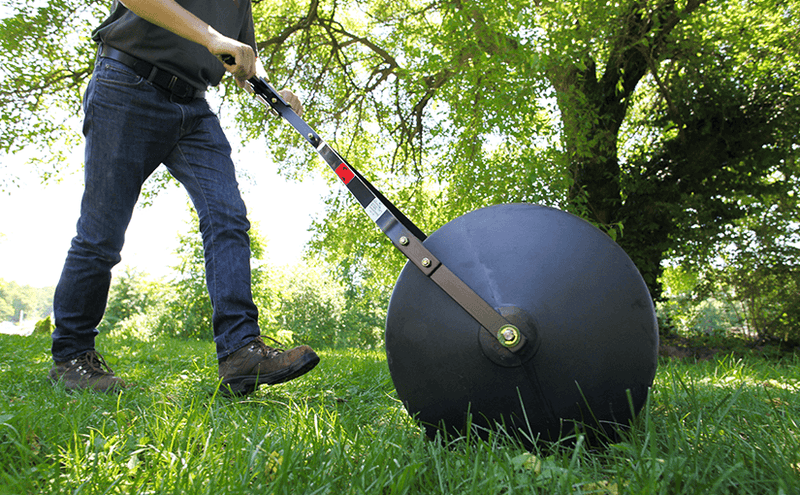
A lawn roller is a tool used in gardening and lawn care. It helps make the lawn smooth and even.
Using a lawn roller improves soil and grass health. It makes the lawn look neat and firm.
Smoothing Uneven Surfaces
Lawn rollers press down bumps and small holes on your lawn. This creates a flat and even surface.
A smooth lawn is safer to walk on and looks better. It also helps with mowing and watering.
Firming Soil After Seeding
After planting grass seeds, a lawn roller helps press the soil down. This holds the seeds in place.
Firm soil improves seed contact with the ground. This helps seeds grow stronger and faster.
Improving Lawn Appearance
Rolling the lawn makes the grass look tidy and fresh. It gives a uniform look to your yard.
A well-rolled lawn shows fewer footprints and tire marks. It looks healthier and more inviting.
Types Of Lawn Rollers
Lawn rollers help make your grass smooth and even. They press down soil and grass to improve the lawn’s look.
There are different types of lawn rollers. Each type works best for certain tasks and lawn sizes.
Manual Lawn Rollers
Manual lawn rollers are simple and easy to use. You push or pull them by hand over your lawn.
They are small and light, so you can use them on small gardens. These rollers do not need fuel or power.
Tow-behind Lawn Rollers
Tow-behind lawn rollers attach to a tractor or lawn mower. They are larger and cover more ground quickly.
These rollers are good for big lawns or commercial use. You do not need to push them by hand.
Water-filled Vs. Solid Rollers
Water-filled rollers can be filled with water or sand. They are lighter when empty and easier to move.
Solid rollers are heavy and made of solid metal. They give more weight for strong compaction but are hard to move.
- Water-filled rollers are lighter and easy to store.
- Solid rollers provide more pressure on the lawn.
- Choose based on your lawn size and effort level.
Benefits For Lawn Health
A lawn roller is a useful tool for keeping your grass healthy and strong. It helps improve the soil and grass in several ways.
Using a lawn roller regularly can make your lawn look better and grow better over time.
Enhancing Seed-to-soil Contact
A lawn roller presses seeds gently into the soil. This helps seeds touch the soil better.
Better contact means seeds can absorb water and nutrients more easily. This helps seeds grow faster and stronger.
Reducing Air Pockets
Air pockets in the soil can stop roots from getting water and nutrients. A lawn roller flattens the soil and removes these pockets.
When air pockets are gone, the soil holds water better. This helps grass roots stay healthy.
Promoting Root Growth
Rolling the lawn makes the soil firm but not hard. This gives roots a strong base to grow deep.
Deeper roots help grass survive dry weather and stay green longer.
Credit: www.housedigest.com
When To Use A Lawn Roller
A lawn roller is a tool that helps flatten your lawn surface. It presses down soil, seeds, and sod for better contact.
Using a lawn roller at the right time can improve lawn health and appearance. It is not needed all the time.
After Lawn Seeding
After spreading grass seeds, a lawn roller presses them into the soil. This helps seeds stay in place and get moisture.
Rolling also improves seed-to-soil contact. This increases the chance that seeds will sprout and grow evenly.
- Roll the lawn gently after seeding
- Do not roll too hard or you can damage seeds
- Water the lawn right after rolling
Following Sod Installation
After laying sod, a lawn roller helps press the sod roots into the soil. This removes air pockets under the sod.
Rolling the sod ensures good contact with the soil. This helps the sod establish faster and reduces drying out.
- Roll the sod soon after installation
- Use a moderate weight to avoid damage
- Water the sod after rolling to keep it moist
Post-winter Lawn Care
Winter can cause bumps and uneven spots in your lawn. A lawn roller helps smooth the surface in early spring.
Rolling after winter helps fix soil that has heaved or settled. It creates a flat area for mowing and growth.
- Roll the lawn when soil is moist but not soggy
- Do not roll frozen or very dry soil
- Check for damage and repair before rolling
Tips For Effective Lawn Rolling
Lawn rolling helps make your yard flat and smooth. It presses the soil and grass to fix bumps and uneven spots.
Using a lawn roller the right way keeps your grass healthy. Follow these tips to get the best results.
Choosing The Right Roller Weight
Pick a roller weight that fits your lawn type. A heavy roller can press soil too much, harming grass roots.
Lighter rollers work well on soft or new lawns. Heavier rollers are better for hard or bumpy soil.
- Light rollers: 50-100 pounds for new or soft soil
- Medium rollers: 100-150 pounds for average lawns
- Heavy rollers: 150+ pounds for hard, uneven ground
Timing And Frequency
Roll your lawn at the right time to avoid damage. Do it when the soil is moist but not wet.
Avoid rolling after heavy rain or during drought. Roll only a few times a year for best results.
- Roll in early spring or fall
- Do not roll after rain or watering
- Limit rolling to 1-3 times per year
Avoiding Soil Compaction
Soil compaction stops air and water from reaching grass roots. Use the roller lightly to prevent this problem.
Check your soil and grass health often. If you see poor growth, stop rolling and aerate the soil instead.
- Do not roll on wet soil
- Use lighter rollers on soft soil
- Aerate soil if grass shows stress

Credit: www.reddit.com
Common Mistakes To Avoid
Using a lawn roller can help keep your grass smooth and even. But some mistakes can harm your lawn instead of helping it. Avoid these common errors to get the best results.
This guide covers three common mistakes: overusing the roller, rolling wet soil, and ignoring soil type. Learn what to avoid for a healthy lawn.
Overusing The Roller
Using the roller too much can compact your soil. This stops air, water, and nutrients from reaching grass roots. It can make your lawn weak and patchy.
- Roll your lawn only when needed, not every week.
- Use light passes with the roller, not heavy pressure.
- Stop if the soil feels hard or compacted after rolling.
Rolling Wet Soil
Rolling soil that is too wet can cause damage. It squashes soil particles together, making the ground hard and uneven. This can create puddles and poor drainage.
| Soil Condition | Effect of Rolling |
|---|---|
| Too Wet | Soil compacts, roots suffocate, poor drainage |
| Moist but Not Wet | Best for rolling, soil firms without damage |
| Dry | Roller may not be effective, uneven results |
Ignoring Soil Type
Different soils react differently to rolling. Clay soil compacts easily, while sandy soil drains well but may shift. Knowing your soil type helps you use the roller correctly.
Tips for soil types:
- Clay: Roll less often and avoid wet conditions.
- Sandy: Roll to firm the surface but watch for shifting.
- Loam: Usually safe to roll with moderate pressure.

Credit: www.reddit.com
Frequently Asked Questions
What Is The Main Purpose Of A Lawn Roller?
A lawn roller compacts soil and levels uneven ground. It improves seed-to-soil contact and promotes smooth, even lawns. It also helps press sod firmly during installation for better rooting.
When Should I Use A Lawn Roller On My Lawn?
Use a lawn roller after seeding, sod laying, or heavy rainfall. It helps settle seeds and soil for better growth. Avoid using on wet soil to prevent compaction damage.
Can A Lawn Roller Improve Lawn Health?
Yes, a lawn roller improves lawn health by enhancing soil contact with seeds. It reduces air pockets and promotes even root development. However, avoid overuse to prevent soil compaction.
How Heavy Should A Lawn Roller Be For Home Use?
For home use, a lawn roller weighing 50 to 100 pounds is ideal. It provides enough pressure to level soil without causing damage. Choose weight based on lawn size and soil type.
Conclusion
Lawn rollers smooth your lawn. They help with leveling uneven ground. This tool can reduce soil air pockets. It promotes better grass growth. Easy to use and efficient. You can achieve a more polished lawn appearance. Regular use improves lawn health.
Great for maintaining flat surfaces. Perfect for preparing soil before seeding. Keep your lawn looking neat and tidy. A valuable addition to lawn care tools. Simple, yet effective for lawn care enthusiasts.
