

If you own a leaf vacuum, you know how handy it is for keeping your yard clean and tidy. But to keep it working smoothly, you need to take good care of it.
Ignoring simple maintenance can lead to breakdowns and costly repairs. You’ll discover easy and effective leaf vacuum maintenance tips that save you time, money, and frustration. Keep reading to make sure your leaf vacuum stays in top shape all season long!

Credit: www.familyhandyman.com
Daily Cleaning Routine
Keeping your leaf vacuum clean helps it work well every day. A simple routine can stop problems before they start.
Daily care saves time and makes your machine last longer. Follow these easy steps after use.
Clearing Debris From Intake
Leaves and dirt can block the intake. Clear this area to keep air flowing and the vacuum strong.
- Turn off the vacuum and unplug it.
- Use a brush or cloth to remove stuck leaves.
- Check the intake for any small stones or twigs.
- Wipe the area clean with a damp cloth if needed.
Emptying The Collection Bag
Empty the bag when it is full or after each use. A full bag lowers suction power and stresses the motor.
| Bag Condition | Action Needed |
| Full or nearly full | Empty the bag immediately |
| Bag has holes or tears | Replace the bag before next use |
| Bag is clean and intact | Continue using as normal |
Checking For Blockages
Blockages can stop the vacuum from working well. Check all tubes and hoses for clogs daily.
Follow this checklist to find blockages:
- Look inside the intake hose for stuck leaves.
- Check the blower tube for any build-up.
- Remove any debris you find carefully.
- Make sure all tubes are dry before reassembling.
Credit: www.snowblowerforum.com
Engine Care
Keeping your leaf vacuum engine in good shape helps it run smoothly. Regular care prevents breakdowns and extends engine life.
Simple checks and maintenance tasks save you time and money later. Focus on spark plugs, air filters, and fuel system care.
Inspecting Spark Plugs
Check spark plugs often to ensure the engine starts easily. Dirty or worn plugs cause poor performance and hard starts.
- Remove the spark plug carefully with a wrench.
- Look for signs of wear, such as corrosion or black deposits.
- Clean the spark plug with a wire brush if it is dirty.
- Replace the spark plug if the electrode is damaged or worn out.
- Check the gap with a feeler gauge and adjust if needed.
- Reinstall the spark plug tightly to avoid leaks.
Changing The Air Filter
The air filter stops dust and dirt from entering the engine. A clogged filter reduces power and increases fuel use.
| Air Filter Condition | Action Needed |
| Clean and dry | Use as is |
| Slightly dirty | Clean gently with compressed air |
| Heavily soiled or damaged | Replace with a new filter |
Fuel System Tips
Good fuel keeps the engine running well. Old or bad fuel causes poor starts and rough running.
- Use fresh gasoline and avoid fuel with more than 10% ethanol.
- Drain fuel before storing the leaf vacuum for a long time.
- Use a fuel stabilizer if fuel stays in the tank over 30 days.
- Clean or replace the fuel filter to stop clogs.
- Check fuel lines for cracks or leaks and replace if needed.
Blade And Impeller Maintenance
Keeping your leaf vacuum in good shape helps it work well and last longer. Regular care of the blade and impeller is very important.
These parts handle tough jobs. Cleaning and checking them often stops problems before they start.
Sharpening Blades
Dull blades make your leaf vacuum work harder. Sharpen the blades to keep cutting leaves easily. Use a file or sharpening stone for best results.
Always wear gloves and safety glasses when sharpening. Make sure the blade is clean before you start.
- Remove the blade from the vacuum
- Clean dirt and debris off the blade
- Use a file to sharpen the blade edge
- Keep the blade angle steady while filing
- Check for nicks or damage and smooth them
- Reinstall the blade securely
Balancing The Impeller
Imbalance in the impeller causes vibration and wear. Balancing it helps your leaf vacuum run smoothly. You can check balance with simple tools at home.
Remove the impeller and place it on a flat surface or a balancing tool. If one side dips, add weight to the lighter side or file the heavier side slightly.
- Remove the impeller carefully
- Place it on a balancing stand or round rod
- Watch which side drops down
- Add small weights or file the heavy side
- Repeat until it stays level
- Reinstall the impeller firmly
Replacing Worn Parts
Old or damaged blades and impellers lower performance. Replace parts that show cracks, bends, or heavy wear. Using new parts keeps your leaf vacuum safe and effective.
Check your manual to get the right replacement parts. Always switch off and unplug the machine before changing parts.
- Inspect blades and impeller regularly
- Look for cracks, rust, or bends
- Order exact replacement parts
- Turn off and unplug the vacuum
- Remove worn parts carefully
- Install new parts securely
- Test the vacuum after replacement
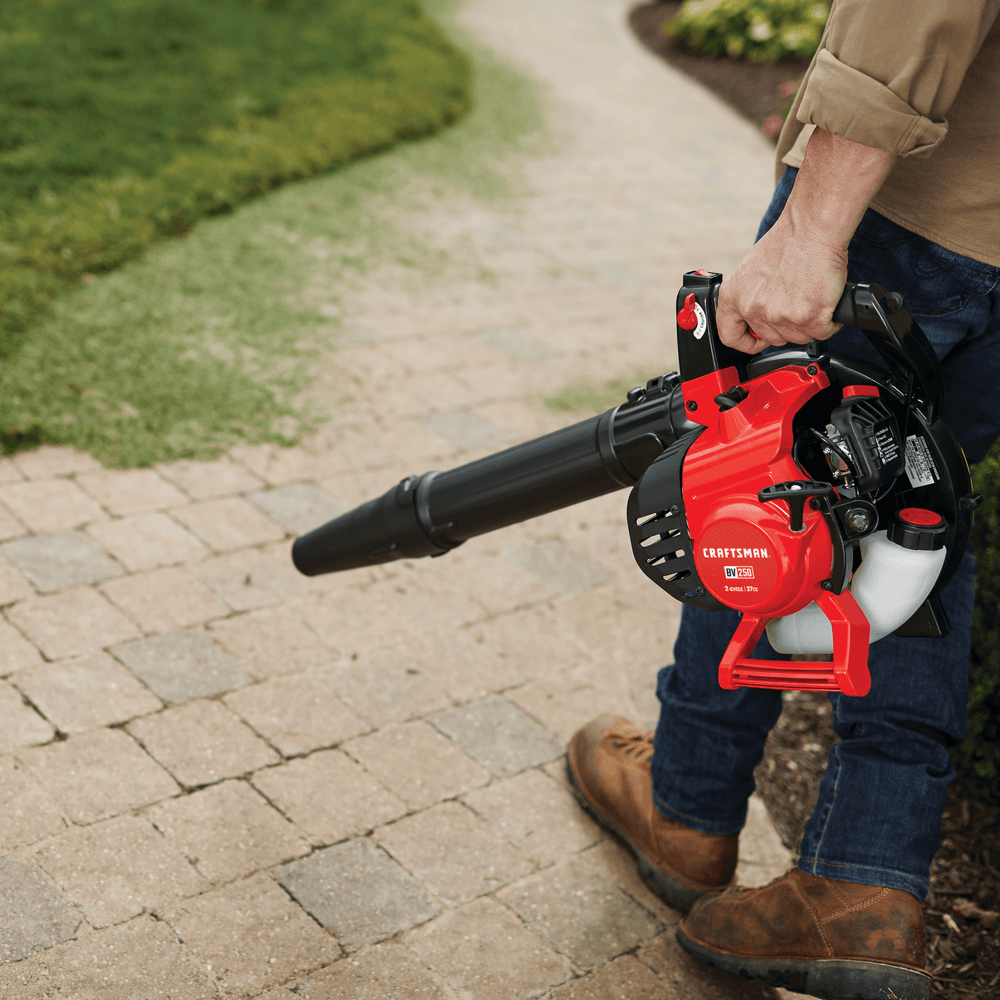
Credit: www.craftsman.com
Proper Storage Practices
Storing your leaf vacuum correctly helps it last longer. Proper storage keeps it safe from damage and rust.
Good storage habits also make your leaf vacuum ready to use next season. Follow simple tips to store it well.
Cleaning Before Storage
Clean your leaf vacuum before putting it away. Remove leaves, dirt, and debris from all parts.
Use a brush or cloth to wipe the outside and clean the air filter if needed. This prevents clogs and damage.
Storing In Dry Areas
Store your leaf vacuum in a dry place away from rain and moisture. Dampness can cause rust and harm parts.
Keep it off the ground on a shelf or hang it on a wall. This keeps it safe and easy to find.
- Avoid basements or garages that get wet
- Use a cover to protect from dust
- Ensure good airflow around the vacuum
Seasonal Maintenance Tasks
Do seasonal checks on your leaf vacuum to keep it working well. Look for worn parts and fix them early.
Check the spark plug, clean the carburetor, and replace damaged parts. This helps start the vacuum easily next season.
- Inspect and replace spark plugs if dirty
- Clean or replace air filters
- Tighten loose screws and bolts
- Lubricate moving parts as needed
Troubleshooting Common Issues
Leaf vacuums help keep yards clean by collecting leaves quickly. Sometimes, they may stop working well.
Knowing how to fix common problems saves time and keeps your machine running smoothly.
Addressing Power Loss
If your leaf vacuum loses power or stops running, check the power source first. For electric models, ensure the cord is plugged in and not damaged.
For gas models, check the fuel level and clean the air filter. Dirty filters or old fuel can cause weak power.
- Inspect power cord for cuts or wear
- Use fresh fuel and clean fuel lines
- Replace or clean air filters regularly
- Check spark plug and replace if dirty
Fixing Suction Problems
Low suction means your leaf vacuum does not pick up leaves well. Blockages often cause this issue.
Look inside the vacuum tube and bag area for clogs. Remove any stuck leaves or debris to restore suction.
- Clear leaf clogs from vacuum tube
- Empty or replace full collection bag
- Check for holes or tears in the bag
- Inspect impeller for damage or obstruction
Dealing With Unusual Noises
Strange sounds can signal a problem inside the leaf vacuum. Listen carefully to find the source of noise.
Loose parts, worn bearings, or debris hitting the blades often cause odd noises. Tighten screws and clean the inside regularly.
- Check and tighten all screws and bolts
- Inspect blades for damage or bending
- Remove any debris near moving parts
- Lubricate bearings if recommended by the manual
Safety Tips
Maintaining your leaf vacuum safely is important for your health and equipment. Follow these tips to ensure safety while using your leaf vacuum.
These safety guidelines help prevent accidents and keep your leaf vacuum running smoothly. Always prioritize safety during maintenance.
Wearing Protective Gear
Wearing protective gear is crucial when operating a leaf vacuum. Safety goggles and gloves provide necessary protection.
- Wear safety goggles to protect your eyes.
- Use gloves to guard your hands from sharp debris.
- Consider ear protection to reduce noise levels.
Handling Fuel Safely
Proper fuel handling prevents fires and injuries. Be cautious when dealing with fuel for your leaf vacuum.
Make sure the fuel cap is tightly closed to avoid spills. Keep the area well-ventilated when filling the tank.
Avoiding Overheating
Avoiding overheating protects the engine of your leaf vacuum. Regular checks help in maintaining optimal performance.
| Check | Frequency |
| Air filter | Every use |
| Engine oil level | Weekly |
| Cooling fins | Monthly |
Ensure the air vents are clear of debris. Never block the exhaust while using the leaf vacuum.
Frequently Asked Questions
How Often Should I Clean My Leaf Vacuum?
Clean your leaf vacuum after every use to prevent clogging. Regular cleaning ensures optimal performance and prolongs its lifespan.
What Type Of Oil Is Best For Leaf Vacuum Maintenance?
Use lightweight engine oil recommended by the manufacturer. Proper oil keeps the motor running smoothly and prevents damage.
How Do I Sharpen The Leaf Vacuum Blades Safely?
Remove the blades carefully and use a file or sharpening stone. Always wear gloves and follow the user manual for safety.
Can I Use A Leaf Vacuum In Wet Conditions?
Avoid using leaf vacuums in wet conditions to prevent motor damage. Wet leaves can clog the machine and reduce efficiency.
Conclusion
Keeping your leaf vacuum clean and checked helps it work well. Empty the bag or container often to avoid clogging. Check the blades and filters for damage or dirt. Tighten loose parts to keep it safe and strong. Store it in a dry place after use.
These simple steps save money and time later. A well-kept vacuum makes yard work easier and faster. Small care habits go a long way for your machine.
