
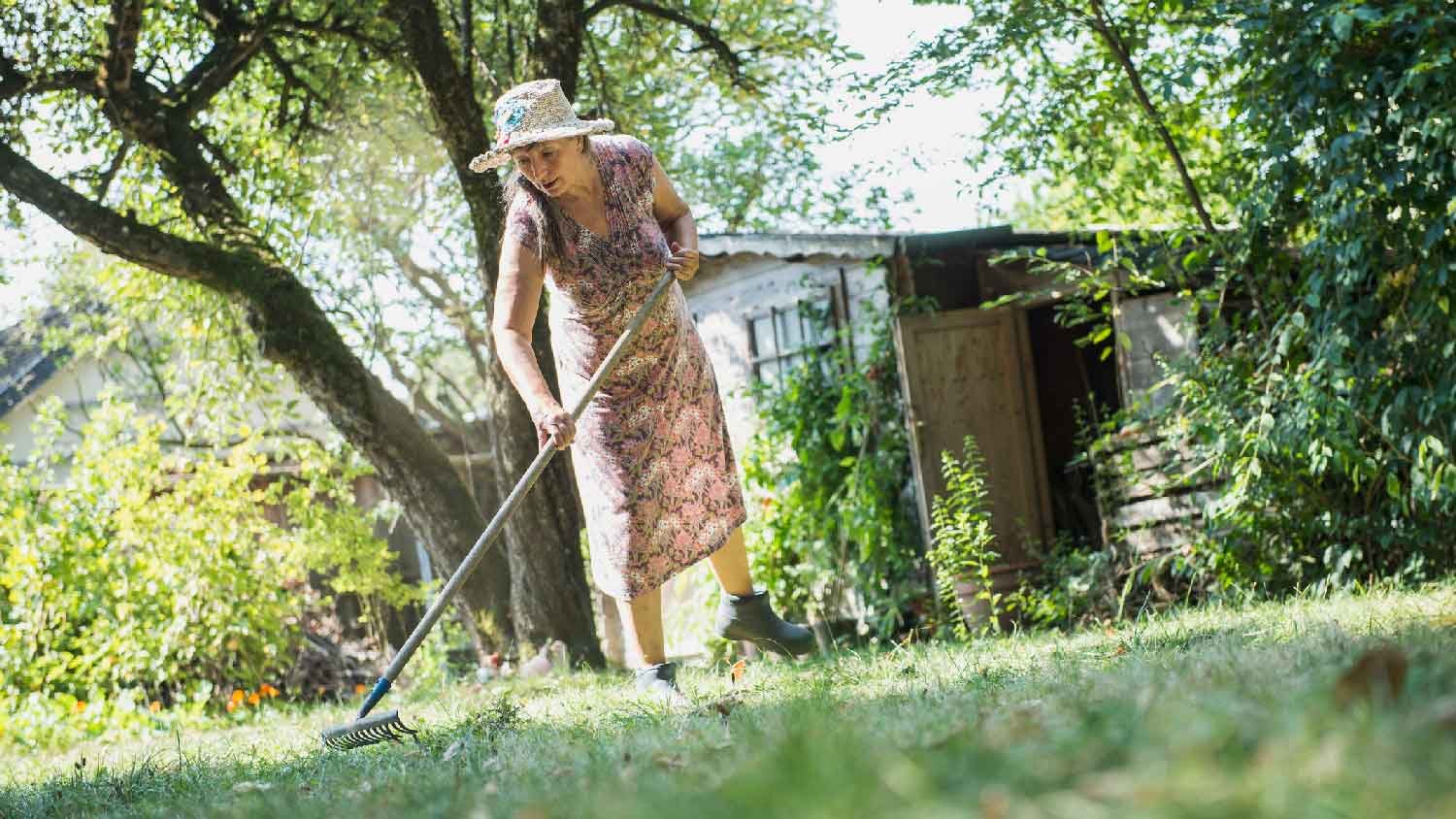
Have you ever noticed a thick layer of dead grass and debris sitting on top of your lawn? This buildup, called thatch, can stop your grass from getting the water, air, and nutrients it needs to thrive.
That’s where dethatching comes in. Understanding the purpose of dethatching can transform your lawn care routine and help you grow a healthier, greener yard. Keep reading to discover why dethatching is essential and how it can make a big difference in your lawn’s health.
Thatch And Its Impact
Thatch is a layer of dead grass and roots that builds up on the soil surface. It can harm your lawn if it gets too thick.
Dethatching helps remove this layer to keep your lawn healthy and green.
What Thatch Is
Thatch is a mix of dead grass, roots, and stems that sits between the soil and grass blades. It forms naturally as grass grows and dies.
A thin layer of thatch can protect the soil. But thick thatch blocks water, air, and nutrients from reaching roots.
How Thatch Affects Lawn Health
Too much thatch makes it hard for grass to grow strong. It stops water, air, and fertilizer from reaching the soil.
Thatch also holds moisture, which can cause disease and attract pests. Your lawn may look thin and unhealthy.
- Blocks water and nutrients
- Stops air from reaching roots
- Holds moisture that causes disease
- Attracts pests
- Leads to thin, weak grass

Credit: www.scribd.com
Reasons To Dethatch
Dethatching removes the layer of dead grass and roots on your lawn. This helps the grass grow stronger and healthier. It clears the way for vital resources to reach the roots.
Regular dethatching keeps your lawn green and thick. It stops problems caused by too much thatch buildup.
Improving Nutrient Absorption
Thatch blocks nutrients from reaching the soil. Removing it lets fertilizers and natural nutrients soak into the ground. This feeds the roots better.
- Allows nutrients to reach the root zone
- Reduces nutrient waste on dead material
- Supports healthier and greener grass
Enhancing Water Penetration
Thick thatch layers stop water from soaking into the soil. Dethatching helps water reach the roots faster. This reduces water runoff and dry patches.
| Effect | Before Dethatching | After Dethatching |
| Water Absorption | Slow and uneven | Fast and even |
| Soil Moisture | Low near roots | Higher near roots |
| Lawn Health | Patchy and weak | Thicker and strong |
Promoting Air Circulation
Air needs to reach grass roots for good growth. Thick thatch blocks air flow. Removing it lets oxygen enter the soil. This helps roots breathe and grow.
Key benefits of better air circulation:
- Improves root respiration
- Reduces soil compaction
- Prevents fungal diseases
When To Dethatch
Dethatching helps keep your lawn healthy by removing thick layers of dead grass. Knowing the right time to dethatch prevents damage and promotes growth.
Timing depends on your grass type and the season. Choose when your lawn can recover quickly after dethatching.
Best Seasons For Dethatching
The best time to dethatch depends on whether you have cool-season or warm-season grass. Doing it at the wrong time can harm your lawn.
| Grass Type | Best Dethatching Time |
| Cool-season grasses (e.g., fescue, bluegrass) | Early spring or early fall |
| Warm-season grasses (e.g., Bermuda, zoysia) | Late spring to early summer |
Signs Your Lawn Needs Dethatching
Watch for these signs to decide if dethatching is needed. Ignoring them can hurt your lawn’s health.
- Water pools on the surface and does not soak in well.
- Grass looks thin or patchy in some areas.
- Spongy feel when you walk on the lawn.
- Excessive buildup of brown, dead grass layers.
- Weeds and moss start to grow more than usual.
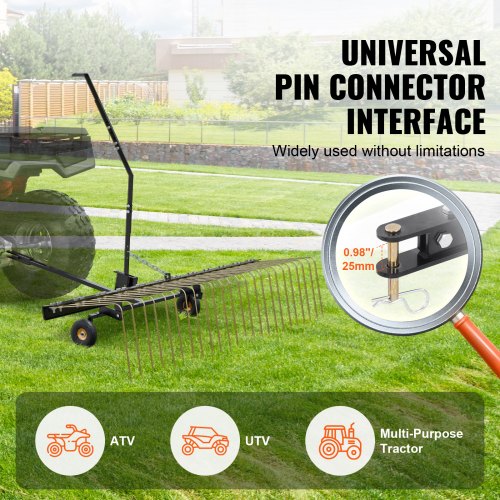
Credit: www.vevor.com
Dethatching Methods
Dethatching helps remove dead grass and debris from your lawn. This lets water and nutrients reach the soil better.
There are several ways to dethatch your lawn. Each method works well for different lawn sizes and thatch amounts.
Manual Raking
Manual raking uses a special rake to pull up thatch by hand. It is good for small lawns or light thatch.
This method takes more time and effort but gives good control over the work. You can avoid damaging the grass roots.
- Use a dethatching rake with sharp blades
- Rake in different directions for best results
- Collect thatch debris and remove it from the lawn
Power Raking
Power raking uses a machine with blades that dig into the soil. It is faster than manual raking.
This method works well for medium to large lawns with thick thatch layers. It can remove deep thatch quickly.
- Run the power rake slowly over the lawn
- Adjust blade depth to avoid hurting grass roots
- Pick up and remove the loosened thatch after raking
Using A Dethatching Machine
Dethatching machines are designed to cut and pull up thatch. They are easy to use on large lawns.
These machines have rotating blades or tines that remove thatch without much effort. They save time and energy.
- Set the machine blade height based on thatch thickness
- Push or drive the machine evenly across the lawn
- Clear the removed thatch from the lawn after use
Post-dethatching Care
Dethatching removes dead grass and debris from your lawn. This helps the grass grow better. After dethatching, your lawn needs special care to recover well.
Proper care after dethatching supports healthy grass roots. It also prevents damage and stress to your lawn. Focus on watering, fertilizing, and overseeding.
Watering Tips
Water your lawn right after dethatching. This helps the soil settle and reduces stress on grass roots. Keep the soil moist but not soaked.
Water deeply and less often. This encourages strong root growth. Avoid watering in the heat of the day to reduce evaporation.
- Water immediately after dethatching
- Keep soil moist for 1-2 weeks
- Water early morning or late evening
- Use deep, infrequent watering
Fertilizing After Dethatching
Apply fertilizer a few days after dethatching. Use a balanced fertilizer with nitrogen, phosphorus, and potassium. This feeds your lawn and helps it grow strong.
Do not over-fertilize. Too much fertilizer can burn the grass. Follow the instructions on the fertilizer package for best results.
- Wait 2-3 days after dethatching to fertilize
- Choose a balanced fertilizer
- Follow package directions carefully
- Water after applying fertilizer
Overseeding For Recovery
Overseeding helps fill bare spots after dethatching. It adds new grass seeds to your lawn. This speeds up recovery and improves lawn thickness.
Choose a grass seed that matches your existing lawn. Spread seeds evenly and keep the soil moist. Avoid heavy foot traffic until new grass grows.
- Pick seed matching your grass type
- Spread seeds over thin or bare areas
- Keep soil moist for 2-3 weeks
- Limit foot traffic on new seed

Credit: www.amazon.com
Common Mistakes To Avoid
Dethatching helps your lawn breathe and grow. It’s important to do it right.
Avoid common mistakes for a healthy, green lawn. Learn how to dethatch effectively.
Dethatching Too Often
Dethatching too often can damage your lawn. It removes too much thatch and weakens grass roots.
- Do it only once a year, preferably in early spring or fall.
- Check thatch layer before dethatching.
- If the layer is less than half an inch, wait until next year.
Ignoring Lawn Type
Different grass types have different needs. Some lawns need more care, others less.
| Lawn Type | Dethatching Frequency |
| Bermuda grass | Every year |
| Kentucky bluegrass | Every 2-3 years |
| Fescue | Rarely, if needed |
Improper Equipment Use
Using the wrong equipment can hurt your lawn. Choose tools that match your grass type and lawn size.
Frequently Asked Questions
What Is Dethatching In Lawn Care?
Dethatching is the process of removing thick layers of dead grass and roots. It improves air, water, and nutrient flow to the soil. This helps lawns grow healthier and reduces disease risks.
Why Is Dethatching Important For Grass Health?
Dethatching prevents thatch buildup, which blocks air and water. Removing thatch boosts root growth, enhances soil quality, and promotes a greener, stronger lawn. It also reduces lawn stress during droughts.
How Often Should I Dethatch My Lawn?
Most lawns need dethatching once every 1-3 years. Frequency depends on grass type and thatch thickness. Avoid dethatching too often to prevent lawn damage.
When Is The Best Time To Dethatch Grass?
The best time to dethatch is during active grass growth. For cool-season grasses, early spring or fall is ideal. Warm-season grasses thrive with dethatching in late spring or early summer.
Conclusion
Dethatching helps your lawn stay healthy and grow strong. It removes dead grass and allows air, water, and nutrients to reach roots. This keeps the soil fresh and prevents lawn problems. Regular dethatching improves grass color and thickness. It also helps keep pests and diseases away.
A well-maintained lawn looks beautiful and feels soft to walk on. Remember, dethatching is a simple step to care for your grass. Try it in the right season for the best results. Your lawn will thank you with lasting green and life.
