
Are you wondering how often you should prune your yard plants to keep them healthy and looking great? Pruning at the right time can make a huge difference in how your garden grows and blooms.
But if you prune too much or too little, your plants might suffer or lose their shape. You’ll discover simple tips that help you know exactly when and how often to prune your plants. By the end, you’ll feel confident in making your yard the best it can be—without the guesswork.
Keep reading to unlock the secrets of perfect pruning!
Benefits Of Pruning Yard Plants
Pruning yard plants keeps them healthy and looking good. It helps plants grow strong and last longer.
Knowing how often to prune can make your garden better. Pruning at the right time gives many benefits.
Improves Plant Health
Cutting dead or damaged branches stops disease spread. It helps plants use their energy for healthy growth.
Good airflow and sunlight reach the plant better after pruning. This lowers the chance of pests and fungus.
Encourages New Growth
Pruning tells the plant to grow fresh shoots. New growth often means more flowers and leaves.
Regular trimming keeps plants from getting too tall or wide. It helps maintain a neat shape.
Enhances Appearance
Pruning shapes plants to look tidy and balanced. It removes messy or overgrown parts.
A well-pruned yard looks inviting and cared for. It can increase your home’s curb appeal.
Increases Flower And Fruit Production
Removing old growth helps plants focus on making flowers and fruit. This can lead to a bigger harvest.
Pruning at the right time encourages blooms to last longer. It also improves fruit quality.
Prevents Safety Hazards
Cutting back overgrown branches keeps walkways clear. It reduces risk of falling limbs during storms.
Pruning near power lines or buildings keeps your yard safe. It stops damage to property and power outages.

Credit: www.countryliving.com
Signs Your Plants Need Pruning
Pruning keeps your yard plants healthy and looking good. Knowing when to prune helps plants grow well.
Look for clear signs that show your plants need pruning. These signals help you decide the best time to trim.
Dead Or Diseased Branches
Branches that are dead or have disease hurt the plant’s health. They stop good growth and can spread problems.
Cutting off these branches helps the plant stay strong and clean. It also makes space for new shoots.
Overgrown Or Crowded Areas
When branches grow too close, they block sunlight and air. This makes the plant weak and sickly over time.
Pruning crowded spots opens the plant. It lets light and air flow, which helps leaves and flowers grow better.
Leggy Or Sparse Growth
Leggy plants have long stems with few leaves. Sparse growth means the plant looks thin and weak.
Cutting these parts back encourages fuller growth. It helps the plant become bushy and strong again.
Poor Flower Or Fruit Production
If your plants produce fewer flowers or fruits, they may need pruning. Old growth can block new buds from forming.
Pruning removes old stems and helps the plant focus energy on new flowers and fruits.
Unwanted Shapes Or Size
Plants can grow too tall or wide for your yard. Odd shapes may make the garden look messy.
Pruning helps keep plants neat and fits your space. You can shape plants to match your garden design.
Pruning Frequency By Plant Type
Pruning helps keep yard plants healthy and looking good. Different plants need pruning at different times. Knowing when to prune helps plants grow strong and bloom well.
This guide explains how often to prune various types of yard plants. Follow these tips to care for your flowering shrubs, fruit trees, evergreens, perennials, and vines.
Flowering Shrubs
Flowering shrubs need pruning depending on when they bloom. Prune spring bloomers right after they flower. Prune summer bloomers in late winter or early spring. Regular pruning helps keep their shape and encourages new flowers.
Fruit Trees
Fruit trees need yearly pruning to improve fruit size and health. Prune in late winter before new growth starts. Remove dead or crossing branches. Thin the branches to let sunlight reach all parts of the tree.
Evergreens
Evergreens require less pruning than other plants. Prune once a year in early spring to remove dead or damaged branches. Light trimming during the growing season helps keep a neat shape.
Perennials
Perennials benefit from seasonal pruning. Cut back dead stems in late fall or early spring. Some perennials bloom better with light pruning during the growing season.
Vines And Climbers
Vines and climbers need pruning to control growth and encourage flowering. Prune fast-growing types twice a year: once after flowering and once in late winter. Slow growers only need pruning once a year.
- Prune to remove dead or weak stems
- Trim to keep shape and size manageable
- Cut back after flowering to boost blooms
- Use clean, sharp tools to avoid damage
Best Seasons For Pruning
Pruning yard plants helps keep them healthy and looking good. Knowing the best time to prune is key for strong growth.
Each season has different benefits for pruning. This guide explains when to prune in spring, summer, fall, and winter.
Spring Pruning
Spring is a great time to prune many plants. It helps remove dead branches and encourages new growth.
Prune after the risk of frost passes to avoid damaging new buds. This is ideal for flowering shrubs and trees.
- Cut away dead or damaged branches
- Shape plants before they bloom
- Encourage strong stems and flowers
Summer Pruning
Summer pruning helps control plant size and shape. It also removes any unwanted growth after spring blooms.
Light pruning in summer keeps plants tidy. Avoid heavy cuts as this can stress the plants during hot weather.
- Trim spent flowers to boost new blooms
- Remove small branches to improve air flow
- Shape hedges and shrubs lightly
Fall Pruning
Fall pruning prepares plants for winter. Remove dead or weak branches to reduce damage from cold winds.
Do not prune plants that bloom in spring during fall. This can remove next year’s flowers.
- Cut back perennials after leaves die
- Remove diseased branches
- Avoid pruning spring-flowering plants
Winter Pruning
Winter pruning works well for trees and shrubs that need shape control. Prune when plants are dormant.
Pruning in winter reduces risk of disease. It also makes it easy to see the branch structure.
- Prune deciduous trees and shrubs
- Remove crossing or crowded branches
- Avoid pruning evergreens in coldest weather
Tools For Effective Pruning
Pruning yard plants helps keep them healthy and looking good. Using the right tools makes pruning easier and safer.
Good tools help you cut cleanly and avoid damage. This guide covers the main tools you need for pruning.
Pruning Shears
Pruning shears are small scissors for cutting thin branches and stems. They work well for most yard plants.
Look for sharp blades and comfortable handles. Clean blades prevent plant diseases.
Loppers
Loppers have long handles for extra reach and power. Use them to cut thicker branches up to two inches wide.
They help you prune without bending or straining. Choose loppers with strong blades and sturdy grips.
Pruning Saw
A pruning saw cuts large branches that are too thick for shears or loppers. It has a curved blade for smooth cutting.
Keep the saw blade sharp for easier cuts. Use slow, steady strokes to avoid damaging plants.
Gloves
Gloves protect your hands from thorns, sap, and cuts. They also help you hold tools better.
Choose gloves that fit well and are made from durable material. Clean them after each use.
Disinfecting Supplies
Disinfecting supplies keep your tools clean and stop the spread of plant diseases. Use rubbing alcohol or a bleach solution.
Wipe blades before and after pruning each plant. This step protects your garden’s health.
:strip_icc()/102139209_preview-b7a5865b1189414eaba375baad2d302e.jpg)
Credit: www.bhg.com
Common Pruning Techniques
Pruning helps keep yard plants healthy and looking good. It also encourages new growth and flowering.
There are different pruning techniques you can use. Each one has a special purpose for your plants.
Thinning
Thinning removes small branches or stems from a plant. This lets more light and air reach inside the plant.
Thinning helps prevent disease and keeps the plant from looking crowded. It also improves fruit and flower production.
- Cut branches at their base
- Focus on crossing or weak stems
- Do not remove more than 25% of the plant at once
Heading Back
Heading back means cutting a branch or stem back to a bud or side branch. This controls the plant’s size and shape.
This technique encourages the plant to grow new shoots near the cut. It helps keep shrubs dense and bushy.
- Cut just above a bud or branch
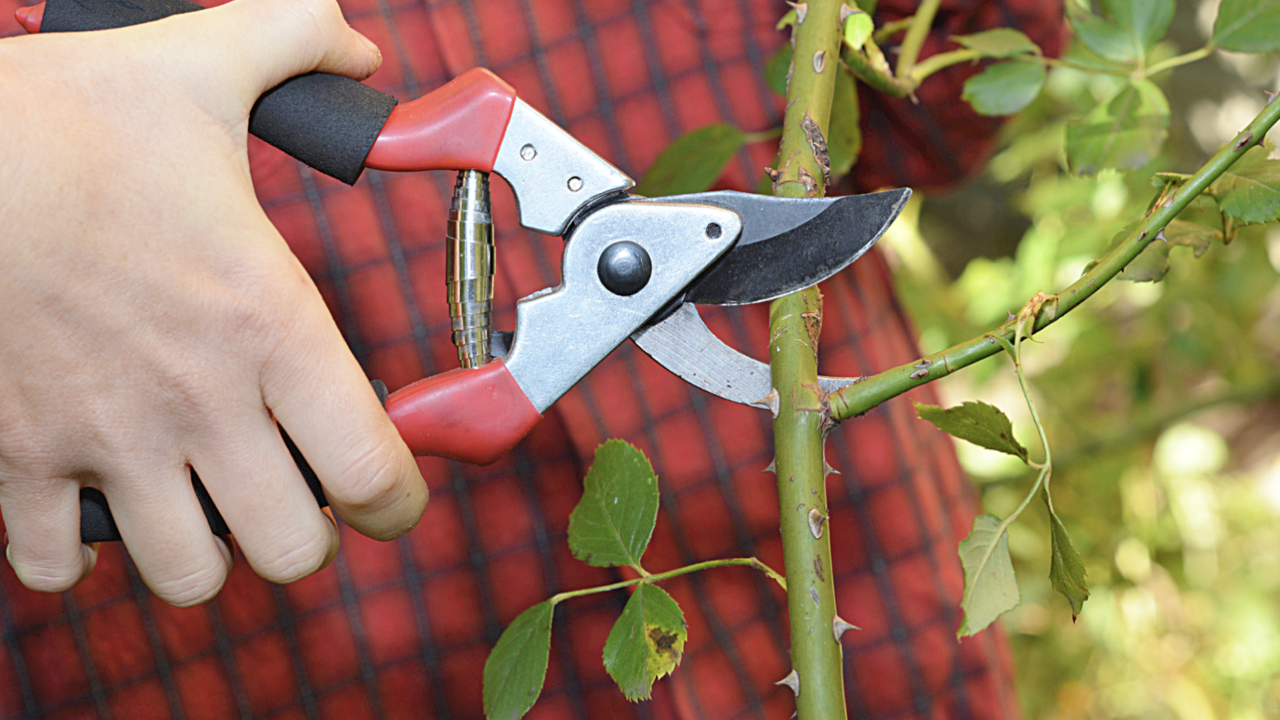
- Make clean cuts at a slight angle
- Use sharp pruning tools for best results
Shearing
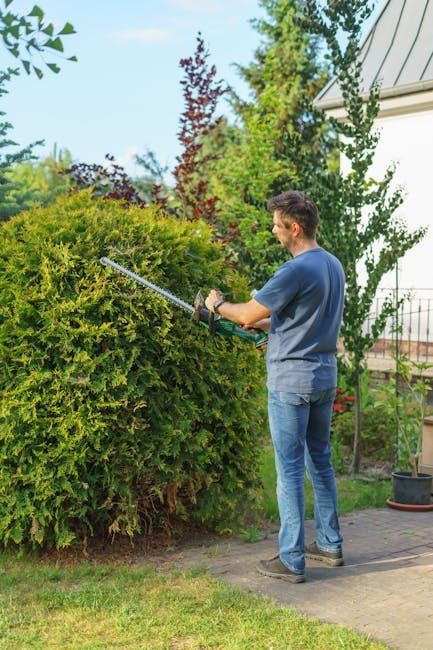
Shearing trims the outer parts of a plant evenly. It gives hedges and shrubs a neat, shaped look.
Shearing is best for formal gardens and shaping plants quickly. Avoid heavy shearing on flowering plants.
- Use hedge trimmers or sharp scissors
- Cut the top and sides evenly
- Do not cut too deep into old wood
Deadheading
Deadheading removes spent flowers from plants. This helps the plant focus energy on new blooms.
Deadheading also keeps plants looking fresh and tidy. It can extend the flowering season for many plants.
- Pinch or cut off faded flowers
- Remove flower stems just above a leaf or bud
- Do this regularly during bloom time
Mistakes To Avoid When Pruning
Pruning yard plants can help them grow better and look nice. But doing it wrong can harm your plants. Let’s learn about common mistakes to avoid.
Understanding how to prune correctly is key to keeping your garden healthy. Here are important tips to guide you.
Pruning At The Wrong Time
Pruning at the wrong time can stress plants. Each plant has a best time for pruning. Know the season and specific plant needs before you start.
| Plant Type | Best Pruning Time |
| Roses | Early Spring |
| Fruit Trees | Late Winter |
| Evergreens | Late Spring |
Using Dull Tools
Dull tools can tear plant tissue, causing harm. Always use sharp and clean tools to make smooth cuts. This helps plants heal faster.
Cutting Too Much
Cutting too much at once can weaken plants. Remove only a little at a time. This helps plants stay strong and healthy.
- Remove dead or diseased branches first
- Trim no more than one-third of the plant
- Focus on shaping the plant
Ignoring Plant Diseases
Ignoring diseases while pruning can spread them. Disinfect tools after each cut and remove diseased parts carefully.
Credit: extension.msstate.edu
Aftercare For Pruned Plants
Pruning helps keep your yard plants healthy and looking great. After pruning, it’s important to take care of the plants to ensure they recover well.
Proper aftercare can make a big difference in the plant’s growth and health. Here are some tips to follow after you prune your plants.
Watering The Plants
After pruning, plants need adequate water to help them recover. Water the plants deeply to reach the roots.
- Water early in the morning or late in the afternoon
- Avoid wetting the leaves to prevent diseases
- Use a soaker hose for efficient watering
Mulching For Moisture Retention
Mulching helps retain soil moisture and protects the roots. Spread a layer of mulch around the base of the plants.
Fertilizing For Growth
Fertilizer provides nutrients that support new growth. Use a balanced fertilizer to nourish your plants.
| Fertilizer Type | Application Time |
| Organic Compost | After Pruning |
| Liquid Fertilizer | Every 4 Weeks |
| Granular Fertilizer | Every 6 Weeks |
Monitoring Plant Health
Keep an eye on your plants for any signs of stress or disease. Early detection helps in taking corrective action quickly.
Regularly check the leaves and stems for any unusual spots or pests.
Tips For Encouraging Healthy Growth
Pruning yard plants helps keep them healthy and strong. Knowing how often to prune is key.
Regular pruning removes dead parts and encourages new growth. It also improves air flow.
Understand Your Plant Type
Different plants need pruning at different times. Some bloom on old wood, others on new wood.
Learn your plant’s growth cycle to prune at the right time. This helps avoid cutting off buds.
- Flowering shrubs: prune after blooming
- Fruit trees: prune in late winter
- Perennials: cut back in early spring
Prune Regularly But Not Too Much
Prune small amounts often instead of heavy pruning once a year. This keeps plants healthy.
Heavy pruning can stress plants and slow growth. Light trimming encourages steady new shoots.
- Trim dead or damaged branches anytime
- Shape plants lightly every few weeks
- Save major pruning for dormant seasons
Use Clean, Sharp Tools
Clean tools prevent disease spread between plants. Sharp blades make clean cuts that heal fast.
Dull tools crush stems and cause damage. Always wipe tools with alcohol before and after pruning.
- Use pruning shears for small branches
- Use loppers for thicker branches
- Sanitize tools to avoid infections
Watch Plant Health And Adjust Pruning
Healthy plants may need less pruning. Sick or weak plants might need more care and careful cuts.
Observe your plants regularly. Change your pruning schedule based on how they grow each season.
- Look for signs of disease or pests
- Remove affected parts promptly
- Give extra water and nutrients if needed
Frequently Asked Questions
How Often Should I Prune My Yard Plants?
Prune yard plants once or twice a year, depending on the plant type. Most plants benefit from late winter or early spring pruning. Regular pruning keeps plants healthy, encourages growth, and maintains shape. Avoid over-pruning, which can stress plants and reduce flowering.
When Is The Best Time To Prune Yard Plants?
The best time to prune most yard plants is late winter or early spring. This timing helps avoid frost damage and encourages vigorous new growth. Some flowering plants require pruning after blooming. Always check specific plant needs for optimal results.
Can I Prune Yard Plants In Summer?
Yes, light summer pruning is possible for some plants. It helps shape plants and remove dead or damaged growth. Avoid heavy pruning during hot, dry periods to prevent stress. Always water plants well after summer pruning.
Why Is Regular Pruning Important For Yard Plants?
Regular pruning improves plant health by removing dead, diseased, or damaged branches. It promotes better air circulation and sunlight exposure. Pruning also encourages new growth and enhances flowering or fruiting. Well-maintained plants look attractive and thrive longer.
Conclusion
Pruning yard plants keeps them healthy and growing well. Different plants need pruning at different times. Pay attention to each plant’s needs for best results. Regular pruning helps control size and shape. It also removes dead or damaged parts. Remember, careful pruning leads to a prettier yard.
Keep your tools clean and sharp for easier cuts. Watch your plants often to know when to prune next. Small efforts make your garden look fresh and neat. Try pruning a little each season for steady growth. Your plants will thank you with stronger, fuller blooms.

