
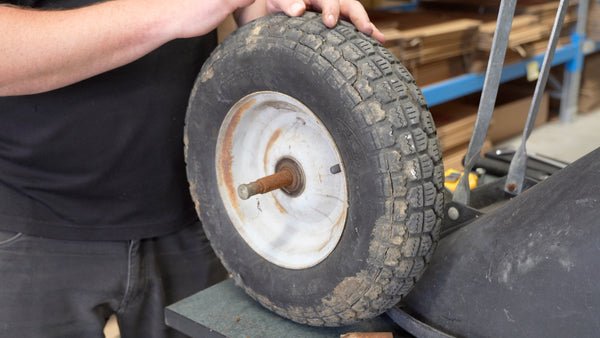
If your wheelbarrow wheels are squeaky, stiff, or hard to push, it’s time to give them some attention. Lubricating your wheelbarrow wheels is a simple fix that can make your work much easier and extend the life of your tool.
You don’t need special skills or expensive products to do this. In this guide, you’ll learn exactly how to lubricate your wheelbarrow wheels quickly and effectively, so your wheelbarrow rolls smoothly every time you use it. Keep reading—you’ll be surprised how small steps can save you big headaches later.
Tools And Materials Needed
Lubricating your wheelbarrow wheels keeps them rolling smoothly. The right tools and materials make this task easier.
Gather everything before you start to work efficiently and safely.
Lubricants
Choose the proper lubricant to reduce friction and protect the wheel parts from rust and wear.
- Multipurpose grease
- Light machine oil
- Silicone spray
Cleaning Supplies
Cleaning the wheels before lubrication removes dirt and old grease. This helps the lubricant work better.
| Item | Purpose |
| Wire brush | Scrapes off rust and dirt |
| Rags or cloths | Wipe clean surfaces |
| Soap and water | Wash away grime |
Tools For Disassembly
Sometimes you need to remove the wheel to reach the axle or bearings for proper lubrication.
- Adjustable wrench
- Screwdriver set
- Socket wrench
Safety Gear
Protect yourself while working on the wheelbarrow wheels with basic safety gear.
- Work gloves
- Safety glasses
Credit: www.hgtv.com
Preparing The Wheelbarrow
Lubricating wheelbarrow wheels keeps them turning smoothly. Preparing the wheelbarrow is the first step. It makes the job easier and more effective.
Start by cleaning the wheels and then removing them. This helps you access the parts that need lubrication.
Cleaning The Wheels
Cleaning removes dirt and debris. This prevents damage to the wheel parts during lubrication. Use water and a brush to scrub the wheels.
- Rinse the wheels with water to remove loose dirt.
- Scrub the wheels with a stiff brush.
- Use soap if the wheels are very dirty.
- Dry the wheels completely with a cloth.
Removing The Wheel
Removing the wheel helps you reach the axle and bearings. Use the right tools to avoid damage. Keep parts organized to reassemble easily.
| Tool | Use |
| Wrench | Loosen nuts and bolts |
| Screwdriver | Remove any clips or covers |
| Cloth | Clean parts after removal |
Choosing The Right Lubricant
Lubricating wheelbarrow wheels helps them roll smoothly. Picking the right lubricant keeps wheels working well longer.
Different lubricants work best for different conditions. Choose one that fits your wheelbarrow and environment.
Oil-based Lubricants
Oil-based lubricants are thin and easy to apply. They reduce friction between wheel parts and keep dirt away.
These lubricants work well in dry and warm weather. They can drip if overused, so apply carefully.
Grease Lubricants
Grease is thicker than oil and stays in place longer. It protects wheel bearings from water and dirt.
Use grease if your wheelbarrow often faces wet or muddy conditions. It needs less frequent reapplication.
Spray Lubricants
Spray lubricants are easy to use and reach tight spots. They often contain oil and a solvent for quick drying.
Choose spray lubricants for quick fixes and light maintenance. Avoid over-spraying to prevent mess.
Dry Lubricants
Dry lubricants use powders like graphite or Teflon. They do not attract dust or dirt like oils do.
Use dry lubricants if your wheelbarrow works in dusty areas. They keep wheels clean but may need frequent reapplication.
Consider Temperature And Weather
Some lubricants work better in cold weather, while others suit heat. Check the label for temperature range.
Water-resistant lubricants help if your wheelbarrow faces rain or snow. This prevents rust and damage.
Applying Lubricant To The Wheel
Lubricating your wheelbarrow wheels helps them roll smoothly. It also extends their lifespan.
Follow these steps to ensure your wheelbarrow wheels are well-maintained and efficient.
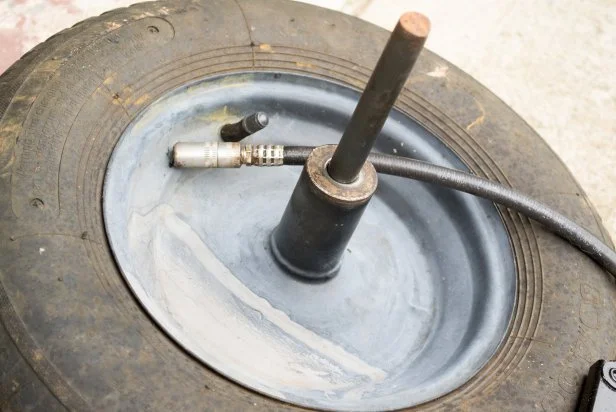
Lubricating The Axle
The axle is a key part of the wheel that needs regular lubrication. It helps the wheel turn effortlessly.
- Remove the wheel from the axle carefully.
- Clean the axle with a dry cloth to remove dirt.
- Apply a thin layer of lubricant along the axle.
- Reattach the wheel securely.
Lubricating The Bearings
Bearings reduce friction and wear. Keeping them lubricated ensures smooth operation.
| Lubricant Type | Application Area |
| Grease | Bearings |
| Oil | Axle |
Reassembling And Testing
After lubricating the wheelbarrow wheels, you need to put everything back together. Reassembling the parts correctly is important for smooth wheel movement.
Once reassembled, testing the wheels ensures they work well. This helps you find any problems early and fix them.
Reassembling The Wheelbarrow Wheels
Start by placing the wheel back on the axle carefully. Make sure the bearings and washers are in the right spots.
Tighten the axle nut but do not over-tighten it. The wheel should spin freely without wobbling.
- Slide the wheel onto the axle
- Put bearings and washers in order
- Screw the axle nut firmly but not too tight
- Check for smooth wheel rotation
Testing The Wheelbarrow Wheels
Place the wheelbarrow on a flat surface. Push it forward and backward to see how the wheels move.
Listen for any noise and feel for rough spots. If the wheels do not turn smoothly, recheck the assembly or add more lubricant.
- Move the wheelbarrow on flat ground
- Check for smooth rolling and no noise
- Look for wheel wobble or resistance
- Add lubricant or adjust parts if needed

Credit: wheelco.co.nz
Maintenance Tips For Long-lasting Wheels
Wheelbarrow wheels take a lot of wear during heavy use. Proper care can help them last longer. Simple maintenance keeps wheels rolling smoothly and avoids costly repairs.
Two key tasks for wheel care are regular cleaning and periodic lubrication. These prevent dirt buildup and reduce friction on moving parts.
Regular Cleaning
Cleaning wheelbarrow wheels removes mud, debris, and rust. This helps prevent damage and keeps wheels turning easily.
- Use a stiff brush to remove dirt from tires and rims.
- Wash wheels with water and mild soap.
- Dry wheels thoroughly to avoid rust.
- Check for cracks or damage during cleaning.
Periodic Lubrication
Lubricating wheel bearings and axles reduces friction. This prevents wear and keeps wheels spinning smoothly.
| Lubrication Step | Details |
| Remove wheel | Detach wheel from axle carefully |
| Clean parts | Wipe off old grease and dirt |
| Apply lubricant | Use grease or oil on bearings and axle |
| Reinstall wheel | Secure wheel back on axle tightly |
| Test wheel | Spin wheel to check smooth movement |

Credit: wheelco.co.nz
Frequently Asked Questions
How Often Should I Lubricate Wheelbarrow Wheels?
Lubricate wheelbarrow wheels every 3 to 6 months. Regular lubrication prevents rust and reduces friction. It extends the wheel’s lifespan and ensures smooth movement. More frequent lubrication is needed in wet or dusty conditions.
What Type Of Lubricant Is Best For Wheelbarrow Wheels?
Use a high-quality grease or silicone spray for wheelbarrow wheels. These lubricants resist water and dirt. Avoid WD-40 as a long-term lubricant; it evaporates quickly. Proper lubricant protects bearings and prevents wear.
Can I Lubricate Wheelbarrow Wheels Without Removing Them?
Yes, you can lubricate without removing wheels. Apply lubricant directly to the wheel axle and bearings. Rotate the wheel to spread the lubricant evenly. This method saves time and keeps wheels running smoothly.
Why Is My Wheelbarrow Wheel Squeaking Despite Lubrication?
Squeaking may indicate dirty or worn bearings. Clean the wheel hub before applying new lubricant. If noise persists, bearings might need replacement. Proper cleaning and lubrication usually stop the squeak.
Conclusion
Regularly lubricate wheelbarrow wheels to keep them rolling smoothly. Clean the wheels and remove dirt before applying grease or oil. Use the right lubricant to prevent rust and wear. Check the wheels often and add lubricant as needed. Well-maintained wheels make your work easier and extend the wheelbarrow’s life.
Small steps like this save time and effort later. Keep your wheelbarrow ready for any job by caring for its wheels. Simple care means better performance every time you use it.

