

Are you tired of your flower beds looking messy or unfinished? Learning how to edge around flower beds can instantly transform your garden, giving it a clean and polished look.
With just a little effort, you can create clear lines that make your flowers stand out and keep grass and weeds from creeping in. In this guide, you’ll discover simple, effective techniques that anyone can do to achieve beautiful edges.
Keep reading to find out how to make your garden look its best with neat, sharp flower bed edges.
Choosing The Right Edging Material
Edging around flower beds keeps gardens neat and tidy. Picking the right material helps protect plants and soil.
Different materials offer different looks and durability. This guide helps you find the best fit for your garden.
Natural Vs Synthetic Options
Natural edging uses materials from nature like wood or stone. Synthetic edging is made from plastic or metal.
Natural materials blend well with gardens. Synthetic materials last longer and need less care.
- Natural:wood, stone, brick
- Synthetic:plastic, rubber, metal
Pros And Cons Of Popular Materials
Each edging type has benefits and drawbacks. Choose based on style, durability, and maintenance.
| Material | Pros | Cons |
|---|---|---|
| Wood | Natural look, easy to shape | Can rot, needs replacement |
| Stone | Durable, natural appearance | Heavy, costly installation |
| Plastic | Affordable, flexible | Less natural, can fade |
| Metal | Long-lasting, sleek look | Can rust, expensive |
Budget Considerations
Your budget affects the type of edging you can choose. Some materials cost more upfront but last longer.
Consider installation costs and how often you might replace the edging.
- Wood: low to mid cost, may need replacing
- Stone: high cost, very durable
- Plastic: low cost, shorter lifespan
- Metal: mid to high cost, long-lasting
Credit: www.hgtv.com
Preparing The Flower Bed Edges
Edging flower beds makes your garden look neat and tidy. Proper preparation helps create clean, strong edges.
Follow simple steps to prepare your flower bed edges before adding materials or plants.
Clearing The Area
Remove grass, weeds, and debris from the edge of the flower bed. This gives a clear space to work with.
Clear edges make it easier to dig and shape the border. It also stops unwanted plants from growing near the edge.
Marking The Edging Line
Mark the line where you want the edge to be. This helps you dig straight and keep edges even.
Use string, garden hose, or spray paint to mark the line. Choose what works best for your garden shape.
- String: Tie between stakes for a straight edge
- Garden hose: Lay along curves for smooth lines
- Spray paint: Draw lines on grass or soil
Tools You’ll Need
Gather the right tools before you start. Good tools make edging faster and easier.
- Spade or edging shovel to dig the edge
- Garden fork to loosen soil
- Gloves to protect your hands
- String and stakes or spray paint for marking
- Rake to smooth the soil after digging
Step-by-step Edging Techniques
Edging flower beds gives your garden a neat and clean look. It keeps grass and weeds from creeping in. Use simple tools and methods to create sharp, defined edges.
Follow these easy techniques to edge around your flower beds and improve your garden’s appearance.
Using A Spade Or Edger
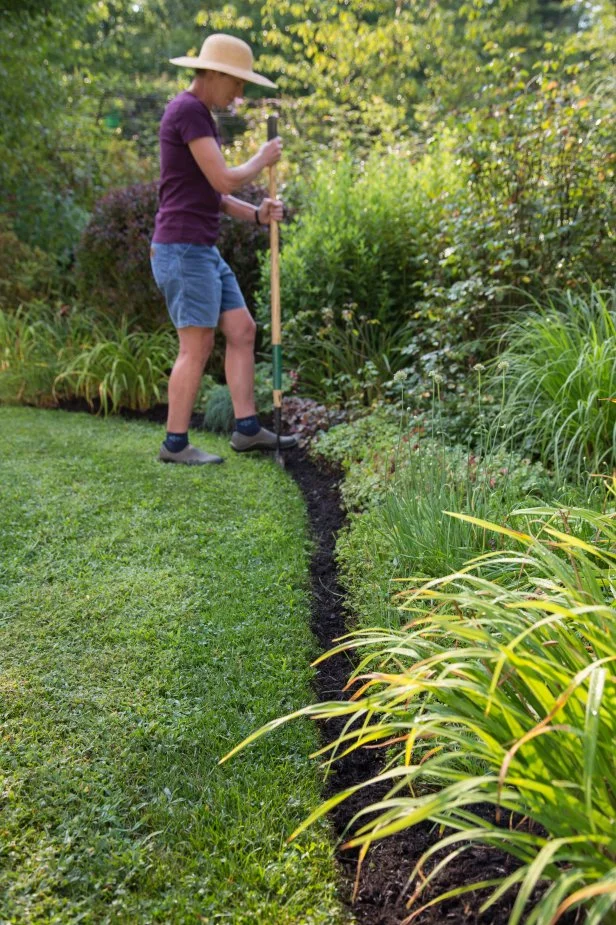
Use a sharp spade or a manual edger to cut clean lines around flower beds. This method works well for soft or slightly compacted soil. It helps separate grass from the flower area.
- Mark the edge line with string or a garden hose.
- Press the spade or edger blade straight down along the line.
- Cut through the grass and soil to a depth of about 4 to 6 inches.
- Remove the cut sod from the flower bed side.
- Tidy the edge by trimming any loose grass or roots.
Installing Physical Edging
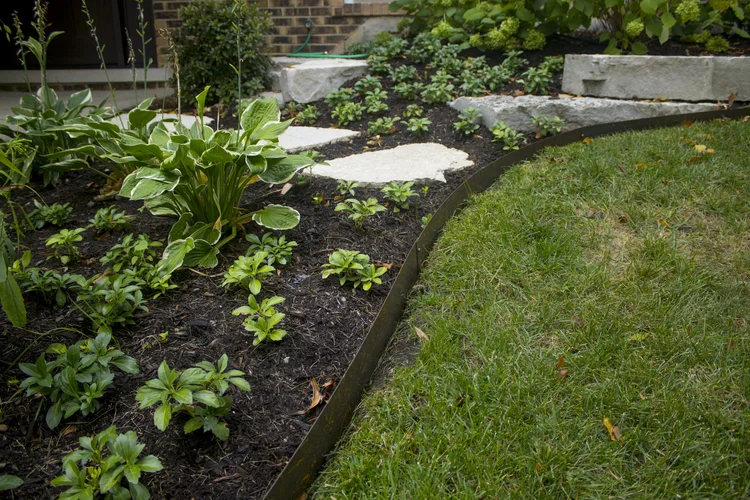
Physical edging creates a permanent border. Choose materials like plastic, metal, or stone. Install them to keep edges sharp and stop grass from spreading.
| Material | Pros | Cons |
| Plastic | Flexible, easy to install, low cost | Less durable, can fade in sun |
| Metal | Strong, long-lasting, clean look | Can rust, higher cost |
| Stone | Natural look, very durable | Heavy, harder to install |
Dig a shallow trench along the flower bed edge. Place the edging material in the trench. Make sure it stands straight and fits tightly together. Fill soil back around the edging to hold it in place.
Maintaining Straight Lines
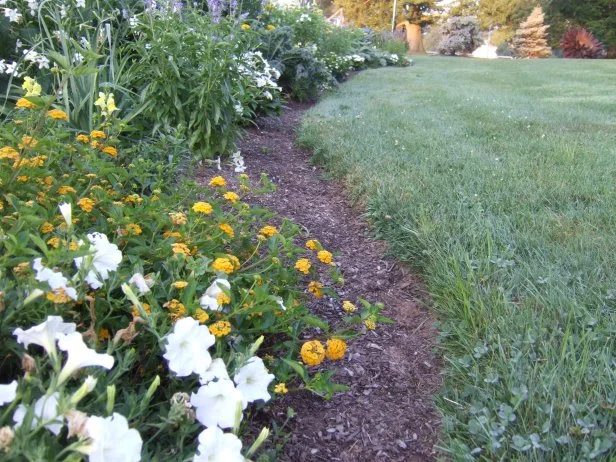
Straight edges look tidy and professional. Use tools and simple tips to keep lines even and neat over time.
Try these tips to maintain straight lines:
- Use a garden hose or string to mark straight edges before cutting.
- Check edges regularly and trim any grass growing over.
- Water the soil after edging to help it settle.
- Re-cut edges every few weeks during growing season.
Credit: www.hgtv.com
Tips For Maintaining Clean Edges
Well-defined edges around flower beds give your garden a neat look. Keeping these edges clean needs regular care and simple tasks. Follow these tips to maintain sharp and tidy edges.
Regular attention prevents overgrowth and keeps your flower beds looking fresh. Use the right tools and techniques for best results.
Regular Trimming
Trim the edges often to stop grass and plants from growing over the flower beds. Use a string trimmer or garden shears for precise cuts.
- Trim edges every one to two weeks during growing season.
- Cut grass and weeds back to the edge line.
- Keep trimming tools sharp for clean cuts.
- Wear gloves to protect your hands while trimming.
- Remove clippings after trimming to keep edges clear.
Weed Control
Weeds make edges look messy and can harm flowers. Control weeds by pulling them out or using mulch to block their growth.
| Weed Control Method | How It Helps |
|---|---|
| Hand Pulling | Removes weeds completely and prevents spread |
| Mulching | Blocks weed seeds from growing and retains soil moisture |
| Herbicides | Kills weeds but use carefully to avoid flowers |
Seasonal Touch-ups
Seasonal checks keep edges tidy all year. Fix any damaged areas and reshape edges as needed. This keeps flower beds neat through different seasons.
Creative Edging Ideas
Edging around flower beds gives your garden a neat look. It also helps keep grass and weeds away from flowers.
Using creative edging can add style and personality to your outdoor space. There are many ways to edge flower beds with different materials.
Incorporating Decorative Stones
Decorative stones make a clean and simple edge. They come in many shapes, sizes, and colors to match your garden style.
Use stones to create a natural border that blends with the soil and plants. You can also choose polished stones for a modern look.
- River rocks offer a smooth, rounded edge
- Slate pieces create a flat, uniform border
- Colored gravel adds bright accents around plants
Using Plants As Natural Borders
Plants can form soft, living edges around flower beds. Low-growing shrubs or groundcovers work well for this purpose.
Choose plants that stay small and spread evenly. This creates a green border that changes with the seasons.
- Hostas provide lush, leafy edges
- Lavender adds color and fragrance
- Boxwood shrubs create neat, formal lines
Combining Materials For Unique Looks
Mixing different edging materials can create interesting effects. Combine stones, wood, and plants for a custom design.
Layer materials to add depth and texture. This approach adds charm and makes your flower beds stand out.
- Use wooden logs with a stone base for a rustic look
- Plant flowers between bricks and gravel for color
- Mix metal edging with low plants for a modern style
Credit: www.glennfrazee.com
Frequently Asked Questions
How Do I Edge Flower Beds Neatly?
Use a sharp spade or edging tool to cut clean lines around flower beds. Remove excess soil and grass. Regularly maintain edges for a crisp look. This keeps your garden tidy and visually appealing.
What Tools Are Best For Edging Flower Beds?
Common tools include a half-moon edger, spade, or manual edging tool. Choose based on bed size and soil type. Proper tools make edging easier and more precise, enhancing garden aesthetics.
When Is The Best Time To Edge Flower Beds?
Edge flower beds during dry weather, ideally in spring or early fall. This allows soil to be firm, making cutting easier. Regular edging prevents overgrowth and maintains garden shape.
How Deep Should I Edge Around Flower Beds?
Cut edges about 3 to 4 inches deep to separate soil from grass. This depth prevents grass roots from invading beds. Proper depth ensures clear, defined borders for your flowers.
Conclusion
Edging around flower beds keeps your garden neat and tidy. It helps separate grass from flowers clearly. Use simple tools and steady hands for best results. Take your time to create smooth, clean lines. Regular edging also protects plants from lawn mowers.
A well-edged garden looks cared for and inviting. Start small, and enjoy the process of shaping your space. Your flowers will stand out with neat borders around them. Keep edges fresh by trimming often. A little effort makes a big difference in garden beauty.

