
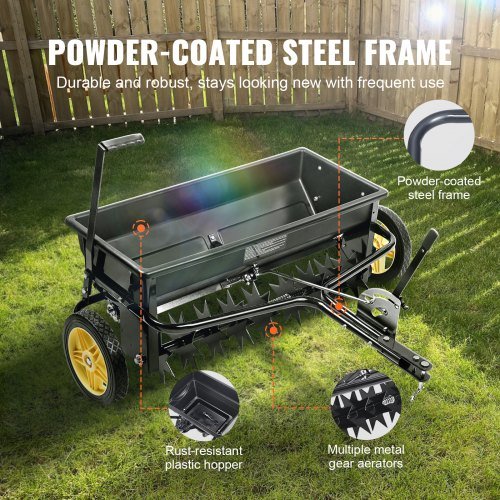
Are you wondering which lawn spreader will give you the best results— a drop spreader or a broadcast spreader? Choosing the right tool can make a big difference in how healthy and even your grass looks.
You want to avoid patchy spots and wasted fertilizer, but with so many options, it’s hard to know what suits your lawn best. This article will help you understand the key differences, so you can pick the spreader that fits your needs perfectly and makes your yard the envy of the neighborhood.
Keep reading to discover which spreader will work better for your lawn care routine.
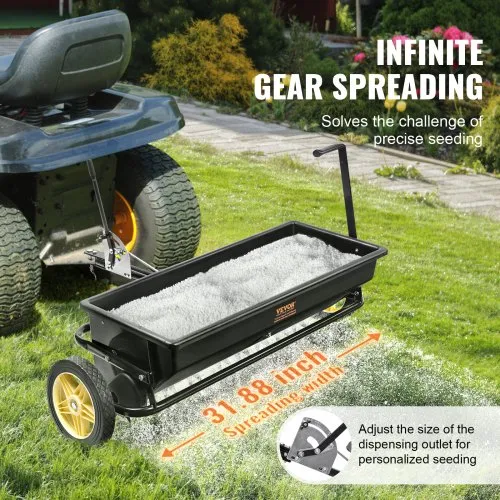
Credit: www.vevor.ca
Drop Spreader Basics
A drop spreader is a lawn tool used to spread seeds, fertilizer, or other lawn care products. It places materials directly beneath the spreader in a controlled way.
Drop spreaders are different from broadcast spreaders because they drop materials in a narrow path. This helps reduce waste and keeps your lawn neat.
How Drop Spreaders Work
Drop spreaders have a series of openings at the bottom that release materials straight down. As you push the spreader, the wheels turn a mechanism inside.
This mechanism controls how much material falls out. You can adjust the openings to change the flow rate depending on what you need to spread.
Common Uses For Drop Spreaders
Drop spreaders work well for lawns that need precise application of seeds or fertilizer. They are good for small areas or places near flower beds.
People often use drop spreaders for:
- Spreading grass seed evenly
- Applying fertilizer without waste
- Distributing ice melt on walkways
- Seeding vegetable gardens carefully
Advantages Of Drop Spreaders
Drop spreaders give you full control over where materials fall. This lowers the chance of spreading product onto sidewalks or driveways.
Benefits include:
- Less waste and mess
- Accurate application on small areas
- Better for sensitive plants nearby
- Easy to adjust flow rate
Broadcast Spreader Essentials
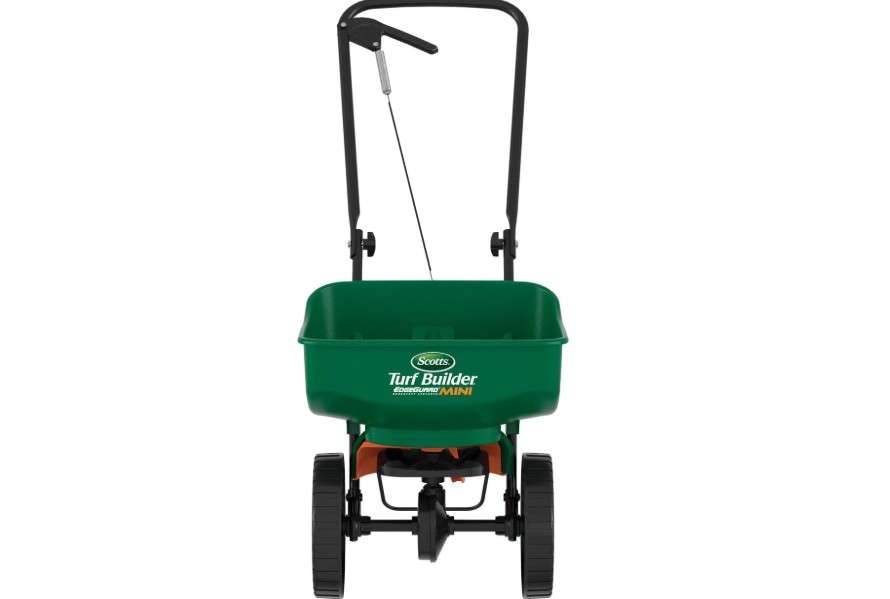
Broadcast spreaders are popular tools for spreading seeds, fertilizer, and other materials evenly. They cover wide areas quickly, making lawn and garden tasks easier.
Knowing how broadcast spreaders work and when to use them helps get the best results. This guide explains the basics and benefits of these spreaders.
How Broadcast Spreaders Operate
Broadcast spreaders use a spinning disk to scatter materials outward. As you push or pull the spreader, the disk spins and throws the product in a wide pattern.
The amount of material spread depends on the opening size and the speed at which you move. You can adjust the settings to control coverage and flow.
Ideal Situations For Broadcast Spreaders
- Large, open lawns and fields
- Areas with uneven ground
- Spreading fertilizer over wide spaces
- Applying grass seed quickly
- Covering mulch or ice melt in winter
Benefits Of Broadcast Spreaders
| Benefit | Description |
| Speed | Covers large areas fast |
| Ease of Use | Simple to operate and adjust |
| Wide Coverage | Spreads materials evenly over broad zones |
| Versatility | Works with seeds, fertilizers, and more |
| Cost-Effective | Reduces labor and effort |
Comparing Accuracy And Coverage
Choosing the right spreader affects how well you cover your lawn. Drop spreaders and broadcast spreaders work differently. Each has pros and cons for accuracy and coverage.
This guide looks at how drop and broadcast spreaders compare in precision, coverage area, and avoiding overlap or missed spots.
Precision In Application
Drop spreaders release materials directly below the spreader. This gives you more control over where the material goes. You can apply fertilizer or seed exactly where you want.
Broadcast spreaders throw material in a wide arc. This covers more ground but is less exact. Wind or uneven ground can move the material outside your target area.
Coverage Area Differences
Broadcast spreaders cover a larger area faster. They spread material in a wide pattern. This can save time on big lawns or fields.
Drop spreaders cover a smaller area per pass. You need more passes to cover the same space. This can take more time but ensures even distribution.
- Broadcast spreaders: wide, fast coverage
- Drop spreaders: narrow, slow coverage
Avoiding Overlap And Missed Spots
Drop spreaders reduce overlap because material falls straight down. You can see exactly where you applied. This lowers the chance of missed spots or double coverage.
Broadcast spreaders can cause overlap if you cover the same area twice. Missed spots happen if you do not overlap enough. Careful walking and marking help prevent these issues.
- Drop spreaders: easier to avoid overlap
- Broadcast spreaders: need careful overlap to avoid gaps

Credit: m.youtube.com
Ease Of Use And Efficiency
Choosing the right spreader affects how easy and fast lawn care tasks get done. Drop spreaders and broadcast spreaders offer different experiences in use and efficiency.
This article compares these tools on handling, speed, and maintenance to help you decide which suits your needs.
Handling And Maneuverability
Drop spreaders deliver material directly below the unit. This design gives precise control, especially near flower beds or walkways.
- Drop spreaders move in straight lines easily.
- They reduce waste by limiting overspray.
- Broadcast spreaders cover wide areas but can be harder to control near edges.
Speed Of Lawn Treatment
Broadcast spreaders cover large areas faster due to their wider spread pattern. Drop spreaders require slower movement for even coverage.
| Spreader Type | Coverage Width | Recommended Speed |
| Drop Spreader | 12-18 inches | Slow to medium |
| Broadcast Spreader | 20-40 inches | Medium to fast |
Maintenance And Durability
Both spreaders need regular cleaning to avoid rust and clogging. Drop spreaders have simpler parts, making them easier to maintain.
- Clean after each use to remove chemicals.
- Check wheels and spreader plate for damage.
- Store in a dry place to prevent rust.
Types Of Lawn Treatments
Choosing the right spreader affects how well lawn treatments work. Drop and broadcast spreaders spread materials differently. Understanding types of lawn treatments helps decide which spreader to use.
This guide explains common lawn treatments and their needs. It also shows why one spreader might be better than the other for each task.
Fertilizers And Seed Spreading
Fertilizers add nutrients to the soil for healthy grass. Seed spreading helps grow new grass in bare spots. Both need even coverage for best results.
Drop spreaders drop material directly below the wheels. They give precise coverage but cover less area quickly. Broadcast spreaders throw material wider and faster, but coverage can be uneven.
- Drop spreaders work well for small lawns and spot treatments.
- Broadcast spreaders are good for large lawns needing fast coverage.
- Seed spreading often needs careful placement, so drop spreaders are better.
Pesticides And Herbicides Application
Pesticides kill pests that harm grass. Herbicides remove unwanted weeds. Both require careful spreading to avoid damage to the lawn.
Drop spreaders offer precise control to avoid overlapping and waste. Broadcast spreaders cover more area but risk drifting chemicals onto plants that need protection.
- Use drop spreaders for spot treatments or sensitive areas.
- Broadcast spreaders suit open spaces with fewer sensitive plants.
- Safety depends on how evenly and carefully you spread chemicals.
Seasonal Lawn Care Needs
Lawn care changes with the seasons. Spring needs fertilizing and seeding. Summer focuses on pest control. Fall may need weed removal and soil preparation.
Drop spreaders help apply treatments in small doses for slow growth periods. Broadcast spreaders speed up jobs during busy seasons.
- Spring: Drop spreaders for seed and fertilizer precision.
- Summer: Broadcast spreaders for quick pesticide application.
- Fall: Use drop spreaders for even herbicide spreading.
Cost And Value Considerations
Choosing between a drop spreader and a broadcast spreader involves understanding their costs and benefits. This decision impacts your lawn care budget and overall lawn health.
Let’s explore the initial investment, long-term savings, and return on lawn health to help you decide.
Initial Investment
Drop spreaders are often more affordable than broadcast spreaders. They are simple machines that require less material, resulting in a lower purchase price.
- Drop spreaders: Generally lower cost
- Broadcast spreaders: Higher upfront investment
Long-term Savings
Consider the long-term savings when choosing a spreader. Drop spreaders provide precise application, reducing waste and saving money on materials over time.
| Spreader Type | Material Efficiency |
| Drop Spreader | High |
| Broadcast Spreader | Moderate |
Return On Lawn Health
Your lawn’s health is important. Drop spreaders deliver even coverage, leading to healthier grass growth. This can result in fewer weeds and a more robust lawn.
Choosing The Right Spreader For Your Lawn
Choosing between a drop spreader and a broadcast spreader depends on your lawn’s needs. Each type works best in different situations.
Understanding your lawn size, grass type, and budget helps you pick the right tool.
Lawn Size And Shape Factors
Drop spreaders work well on small to medium lawns with clear edges. They spread fertilizer evenly in a controlled path.
Broadcast spreaders cover large or irregular lawns quickly. They throw fertilizer in a wide pattern, saving time on big areas.
- Drop spreader: precise, less waste, slower for big lawns
- Broadcast spreader: fast, covers wide areas, less precise
Grass Type And Soil Conditions
Some grasses need even fertilizer to avoid damage. Drop spreaders deliver fertilizer in straight lines, reducing risk.
Broadcast spreaders work well on tough grasses and soils that tolerate uneven spreading. They help cover more ground quickly.
- Drop spreader: best for delicate grass types
- Broadcast spreader: good for hardy grass and rough soils
Personal Preferences And Budget
Drop spreaders cost less and need more work but give precise control. They suit those who want accuracy.
Broadcast spreaders are usually pricier but save time. They fit users who prefer speed over exactness.
- Drop spreader: cheaper, more control, slower
- Broadcast spreader: costlier, faster, less precise
Credit: treecarezone.com
Tips For Best Results
Choosing between a drop spreader and a broadcast spreader can impact your lawn care. Understanding each type helps in achieving the best results.
Both spreaders have unique benefits. Knowing how to use them properly makes a big difference in lawn health.
Proper Calibration Techniques
Calibrating your spreader ensures even distribution of materials. This helps in avoiding over or under-application.
Start by checking the manufacturer’s instructions. Adjust the settings according to the product you are using.
- Measure the area you need to cover
- Weigh the material for an accurate application
- Test the spreader on a small patch first
Timing Your Lawn Applications
Timing affects how well lawn treatments work. Apply fertilizers and seeds at the right time for the best growth.
Early morning or late afternoon is ideal. This avoids the heat of the day and helps absorption.
- Spring is best for fertilizing
- Seed in early fall for cooler climates
- Water after application for better results
Safety And Environmental Tips
Safety is important when using spreaders. Protect yourself and the environment by following these tips.
Wear protective gear like gloves and masks. Be careful of wind direction to prevent drifting.
- Store materials safely away from children and pets
- Dispose of waste properly to protect nature
- Use eco-friendly products whenever possible
Frequently Asked Questions
What Is A Drop Spreader Used For?
A drop spreader applies fertilizer or seeds directly below it. It provides precise coverage, reducing waste and overlap. This tool is ideal for small, defined areas and gardens needing uniform application.
How Does A Broadcast Spreader Work?
A broadcast spreader throws materials in a wide, fan-shaped pattern. It covers large areas quickly but may lead to uneven distribution. It suits big lawns but requires careful calibration to avoid waste.
Is A Drop Spreader Better Than Broadcast?
A drop spreader offers accuracy and control, ideal for small spaces. Broadcast spreaders cover large areas faster but with less precision. The choice depends on lawn size, application needs, and desired accuracy.
Which Spreader Is Best For Uneven Terrain?
Drop spreaders are better for uneven terrain due to precise material placement. Broadcast spreaders may cause uneven application on slopes. For hilly areas, drop spreaders minimize runoff and ensure consistent coverage.
Conclusion
Choosing between a drop spreader and a broadcast spreader depends on your lawn needs. Drop spreaders offer precise application, reducing waste and protecting plants. Broadcast spreaders cover large areas quickly but may spread unevenly. Think about your yard size, plant types, and how much control you want.
Both tools work well if used properly. Pick the one that fits your garden care style best. Taking time to choose helps your lawn stay healthy and green. Simple decisions lead to great results.
