

Are you tired of spending hours raking leaves and picking up debris from your lawn? You might be wondering if a lawn sweeper is really worth the investment.
Imagine saving time and effort while keeping your yard looking clean and neat all season long. You’ll discover how a lawn sweeper can change the way you care for your lawn—and whether it’s the right tool for you. Keep reading to find out if this handy device is the solution you’ve been looking for.
Benefits Of Using A Lawn Sweeper
A lawn sweeper helps keep your yard clean by removing leaves, grass clippings, and debris. It works faster than raking and reduces physical strain.
Using a lawn sweeper improves your lawn’s appearance and health. It is a useful tool for homeowners who want a neat lawn with less effort.
Time And Effort Savings
A lawn sweeper speeds up yard cleaning. It collects debris quickly and requires less bending and pulling than raking.
- Clears large areas in less time
- Reduces back strain and fatigue
- Easy to push or tow behind a mower
- Less cleanup after use
Improved Lawn Health
Removing leaves and debris helps grass get air, sunlight, and nutrients. This reduces mold and disease risks.
| Benefit | Effect on Lawn |
| Leaf removal | Prevents dead spots |
| Grass clipping collection | Stops thatch buildup |
| Debris clearing | Improves soil health |
Versatility For Different Debris
Lawn sweepers work well on many types of yard debris. They handle leaves, pine needles, grass clippings, and even small twigs.
Some key features of lawn sweepers include:
- Adjustable brushes for different surfaces
- Large collection bags for more debris
- Ability to tow behind lawn tractors
- Works on both dry and slightly damp debris

Credit: www.familyhandyman.com
Types Of Lawn Sweepers
Lawn sweepers help clean leaves, grass, and debris from your yard. They come in different types to fit your needs.
Choosing the right lawn sweeper depends on your yard size and effort you want to spend. Here are the main types.
Push Lawn Sweepers
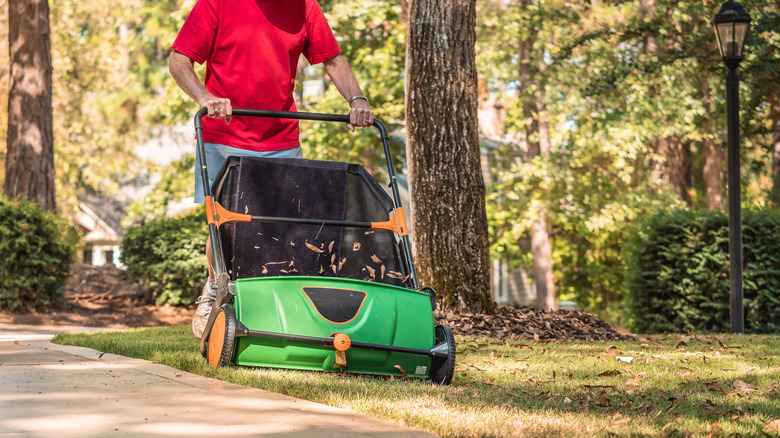
Push lawn sweepers are small and easy to use. You walk behind them and push to collect debris.
These sweepers work best for small to medium lawns. They do not need a tractor or vehicle to pull.
- Lightweight and easy to maneuver
- No engine or power needed
- Good for small yards
- Requires physical effort to push
Tow-behind Lawn Sweepers
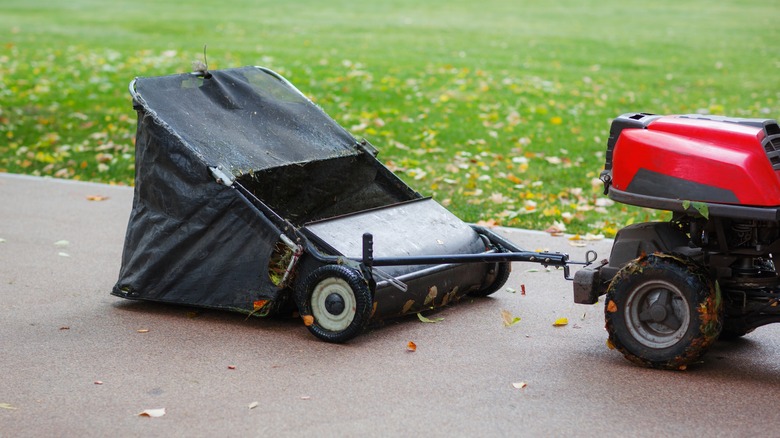
Tow-behind lawn sweepers attach to a lawn tractor or ATV. They are larger and cover more ground quickly.
These sweepers work well for big lawns or large debris areas. They need a vehicle to pull them.
- Larger collection capacity
- Less physical effort needed
- Good for large yards or farms
- Requires a tractor or ATV
Electric And Battery-powered Options
Electric and battery-powered lawn sweepers use motors to spin brushes. They reduce the effort of pushing.
These sweepers are quieter and cleaner than gas models. They work well for small to medium lawns.
- Powered by electricity or batteries
- Less noise and emissions
- Need charging or power source
- Good balance of effort and power
Key Features To Consider
A lawn sweeper helps keep your yard clean by collecting leaves and debris. Choosing the right one depends on certain key features.
Understanding these features helps you pick a sweeper that suits your lawn size and needs.
Sweeping Width And Capacity
Sweeping width determines how much ground the sweeper covers in one pass. Capacity affects how much debris it can hold before emptying.
| Feature | Importance | Benefit |
|---|---|---|
| Sweeping Width | Wide | Covers more area quickly |
| Sweeping Width | Narrow | Better for tight spaces |
| Capacity | Large | Fewer stops to empty |
| Capacity | Small | Lighter to push or tow |
Adjustable Height Settings
Height settings let you change how close the sweeper brushes touch the ground. This helps clean different surfaces and leaf types.
- Lower height for dry leaves and grass clippings
- Higher height for twigs or heavy debris
- Adjustable settings improve sweeping efficiency
Durability And Build Quality
Strong materials and good design make a lawn sweeper last longer. Look for rust-resistant parts and sturdy wheels.
| Material | Durability |
|---|---|
| Steel Frame | Very durable and strong |
| Plastic Parts | Lightweight but less durable |
| Rubber Wheels | Good grip and wear resistance |
| Plastic Wheels | Easier to replace but less sturdy |
Cost Vs. Value Analysis
Buying a lawn sweeper can save time and effort in yard care. It helps collect leaves, grass clippings, and debris quickly.
Looking at the cost and value helps decide if a lawn sweeper is a good choice for your needs.
Initial Investment
A lawn sweeper’s price depends on its size and features. Smaller models cost less, while larger ones are more expensive.
The initial cost may seem high, but it replaces multiple tools and reduces manual work.
- Basic push lawn sweepers start around $100
- Tow-behind models for tractors can cost $300 or more
- Electric or powered sweepers tend to be pricier
Maintenance And Operating Costs
Maintenance costs are usually low. Most sweepers only need cleaning and occasional part replacement.
Operating costs depend on the model. Manual sweepers use no fuel, while powered ones need gas or electricity.
- Manual sweepers require little to no maintenance
- Powered models need fuel and occasional repairs
- Brushes and bags may wear out and need replacing
Long-term Savings
Using a lawn sweeper can save money over time. It reduces the need for rakes and leaf blowers.
Less time spent on yard cleanup means more free time or less paid help needed.
- Faster yard cleanup saves time
- Less wear on other tools
- Can reduce the cost of yard waste disposal
Alternatives To Lawn Sweepers
Lawn sweepers help clean leaves and debris from your yard. Some people want other tools to do the job. There are simple and easy options to consider.
Each alternative works differently and suits different yard sizes and needs. Here are some common choices instead of a lawn sweeper.
Raking By Hand
Raking by hand is the oldest way to clean leaves. You only need a rake and some effort. This method is quiet and uses no fuel or power.
- Good for small yards and tight spaces
- Helps you exercise while working
- Does not need batteries or gasoline
- Can be tiring and slow for large areas
Leaf Blowers
Leaf blowers use air to push leaves into piles. They come in electric and gas versions. Leaf blowers are fast and reduce bending over.
| Type | Power Source | Noise Level | Best For |
| Electric | Battery or cord | Low to medium | Small to medium yards |
| Gas | Gasoline | High | Large yards and heavy leaves |
Lawn Vacuums
Lawn vacuums suck leaves and debris into a bag. They often mulch the leaves as well. This tool reduces trips to the compost or trash.
- Easier cleanup than raking
- Good for medium to large yards
- Needs power source, electric or gas
- Some models are heavy and noisy
Tips For Effective Lawn Sweeping
Lawn sweepers are useful tools for keeping your yard clean. They collect leaves, grass clippings, and debris with ease. Knowing how to use them properly makes the job much easier.
To get the best results, follow these tips on when and how to use your lawn sweeper. Proper maintenance will also keep your sweeper in good condition.
Best Times To Sweep
Timing your lawn sweeping is important. Sweeping at the right time makes it more effective and less tiring.
- After mowing the lawn to pick up grass clippings
- During fall when leaves are falling heavily
- On dry days to prevent clogging and sticking
Proper Sweeping Techniques
Using the right technique helps you sweep more efficiently. It saves time and effort while ensuring a cleaner lawn.
- Adjust the sweeper height for different surfaces
- Sweep in straight lines for even coverage
- Empty the collection bag often to avoid overflow
Maintenance For Lawn Sweepers
Keeping your lawn sweeper in good shape is essential. Regular maintenance ensures it works well each time you use it.
- Clean the brushes and collection bag after each use
- Check for loose parts and tighten them
- Lubricate moving parts to prevent rust
Common Challenges And Solutions
Lawn sweepers can help keep your yard tidy. They face some common challenges though. Understanding these can improve their effectiveness.
Let’s explore how to handle these challenges effectively. We’ll look at wet debris, lawn care, and storage solutions.
Handling Wet Or Heavy Debris
Wet leaves and heavy debris can be tough for lawn sweepers. It’s important to tackle these issues promptly to maintain efficiency.
- Use the sweeper when debris is dry
- Adjust the brush height for heavier items
- Clear debris regularly to prevent build-up
Avoiding Lawn Damage
Lawn sweepers can cause damage if not used properly. Follow simple steps to ensure your lawn stays healthy.
| Challenge | Solution |
| Scalping the grass | Adjust the sweeper height |
| Uneven terrain | Use on flat surfaces |
| Frequent use | Limit sweeping to once a week |
Storage And Transport
Proper storage and transport of your lawn sweeper can prolong its life. Here are some tips to consider.
Ensure the sweeper is clean before storing. Keep it in a dry place to prevent rust. If transporting, secure it properly to avoid damage.
Credit: www.housedigest.com
Credit: www.housedigest.com
Frequently Asked Questions
What Are The Benefits Of Using A Lawn Sweeper?
A lawn sweeper efficiently collects leaves, grass clippings, and debris. It saves time and reduces manual raking. It keeps your lawn clean and healthy. It also prevents thatch buildup and promotes better grass growth.
How Does A Lawn Sweeper Compare To A Leaf Blower?
A lawn sweeper collects debris directly, minimizing mess. Leaf blowers move debris but often scatter it. Sweepers require less cleanup afterward. They are quieter and more environmentally friendly than gas-powered blowers.
Is A Lawn Sweeper Suitable For All Lawn Sizes?
Lawn sweepers work best on medium to large lawns. Smaller yards may not justify the investment. For large properties, they save significant time and effort. Choose the right size sweeper for your lawn area.
Can A Lawn Sweeper Handle Wet Leaves And Debris?
Most lawn sweepers perform best with dry leaves. Wet debris can clog brushes and reduce efficiency. For wet conditions, manual raking or a blower may be better. Always check the manufacturer’s guidelines for wet leaf handling.
Conclusion
A lawn sweeper can save time and effort in yard work. It cleans leaves, grass, and debris quickly and easily. You avoid bending and raking, which can be hard on your back. It keeps your lawn neat and healthy by removing buildup.
Consider your yard size and budget before buying one. For many, a lawn sweeper is a helpful tool worth having. It makes lawn care simpler and less tiring. Think about how much work it can reduce for you.
