
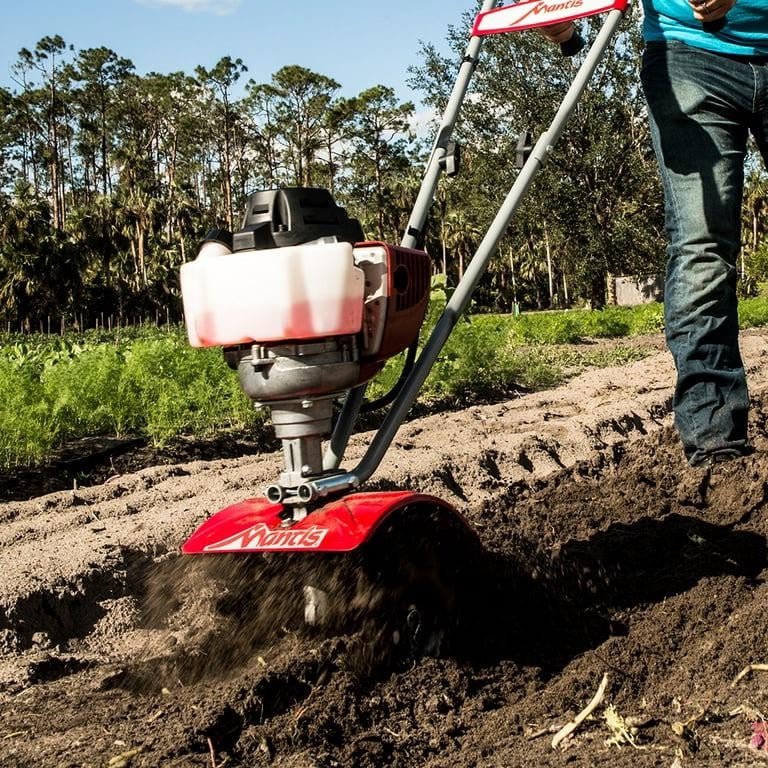
Are you struggling to prepare your garden because the ground is full of rocks? You might be wondering if using a tiller on rocky soil is even possible without damaging your equipment or making the job harder.
The good news is, there are ways to handle rocky ground with a tiller—but you need to know the right approach. You’ll discover practical tips and expert advice to help you tackle rocky soil confidently. Keep reading to learn how to protect your tiller and get your garden ready for planting, no matter how tough the ground is.
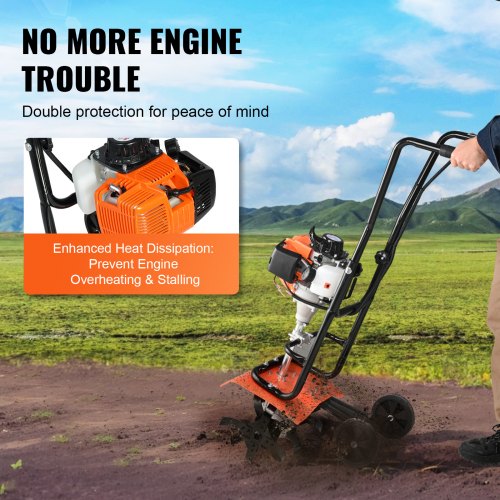
Credit: www.vevor.ca
Challenges Of Rocky Soil
Rocky soil can make gardening or farming hard. Rocks block tools and slow work. They also affect how plants grow.
Using a tiller on rocky ground needs care. You must understand the soil and rocks to work well.
Impact On Tiller Performance
Rocks can hurt a tiller’s blades and engine. They make tilling slow and tough. The tiller may stop often if it hits many stones.
- Blades wear out faster from hitting rocks.
- Engine can strain or stall due to hard soil.
- Tilling becomes uneven and less effective.
- Risk of machine damage grows with more rocks.
Soil Composition And Rock Types
Soil with many large rocks is harder to till than soil with small gravel. Different rock types also affect tilling difficulty.
| Rock Type | Size | Effect on Tilling |
| Large Boulder | Over 12 inches | Blocks tiller, needs removal |
| Gravel | Small stones | Slows tiller, can damage blades |
| Clay with Rocks | Mixed sizes | Hard to break, tough on tiller |
| Sand with Pebbles | Small to medium | Easier to till, less damage |
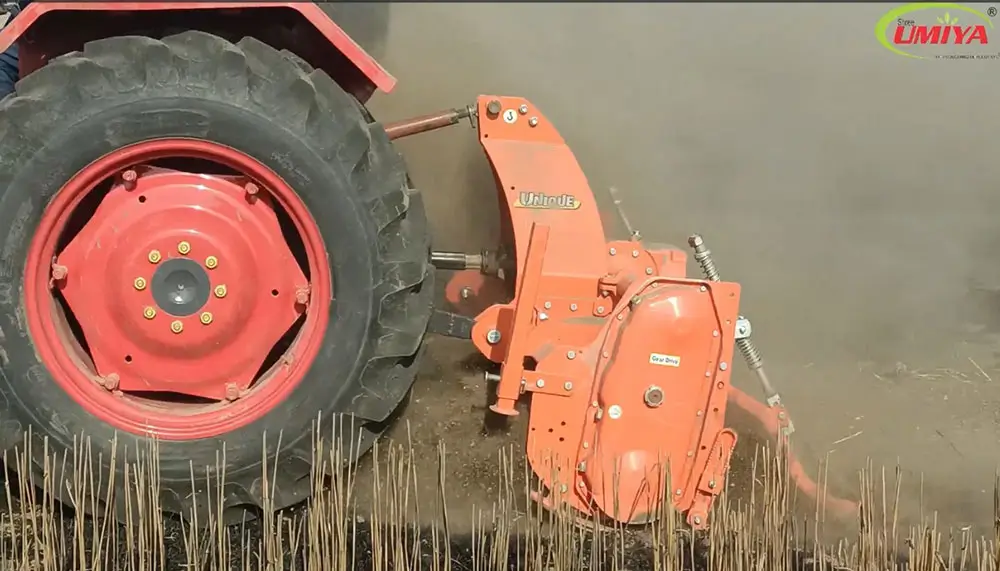
Credit: www.patelagroindustries.com
Choosing The Right Tiller
Using a tiller on rocky ground needs careful tool choice. The right tiller helps break tough soil and avoid damage.
Different tillers fit different soil types. Rocky terrain requires strong, durable machines.
Tiller Types Suitable For Rocky Terrain
Rotary tillers with sturdy tines work well on rocky soil. They can handle stones without getting stuck easily.
Rear-tine tillers provide good power and control. They dig deeper and push rocks aside while tilling.
- Front-tine tillers are lighter but less ideal for rocks
- Rear-tine tillers offer better torque for rocky ground
- Rotary tillers with hardened blades resist damage
- Electric tillers are less powerful for tough soil
Essential Features To Look For
| Feature | Why It Matters |
| Strong Tines | Resist breaking on rocks |
| Adjustable Depth Control | Allows shallow or deep tilling |
| Powerful Engine | Provides enough force to move rocks |
| Sturdy Frame | Endures bumps and impacts |
| Easy Maneuverability | Helps avoid large stones |
Preparation Before Tilling
Using a tiller on rocky ground needs careful preparation. Rocks can damage the tiller and make the work hard.
Before tilling, clear the area and mark any dangers. This helps protect the tool and keep you safe.
Clearing Large Rocks
Remove big rocks from the soil before you start tilling. Large rocks can break the tiller blades and cause problems.
Walk through the area and pick up any big stones. Use gloves to protect your hands while doing this.
- Look carefully for rocks larger than 2 inches
- Use a rake to find hidden stones
- Place rocks outside the tilling area
- Clear roots and sticks that can get caught
Marking Hazardous Areas
Mark spots with hidden rocks or hard soil so you can avoid them. This keeps the tiller safe and prevents injuries.
Use flags or sticks to show these areas clearly. Stay alert and adjust your tilling path as needed.
- Mark rocky patches with bright flags
- Note any underground pipes or cables
- Avoid steep slopes or uneven ground
- Check for roots that may block the tiller
Tilling Techniques For Rocky Ground
Tilling rocky ground needs special care to protect your tiller and work efficiently. Rocks can stop the blades and damage the machine.
Using the right methods helps you till better and avoid costly repairs. Adjusting the tiller’s depth and speed is key for rough soil.
Adjusting Depth And Speed
Set the tiller to a shallow depth to avoid hitting large rocks. Start with a small depth and increase slowly if the ground is clear.
- Use a shallow tilling depth of 2 to 3 inches on rocky soil.
- Keep the tiller speed low to maintain control.
- Slow speed reduces the chance of the blades striking hard rocks.
- Adjust depth after each pass depending on the soil condition.
- Stopping often to check the soil helps prevent damage.
Handling Frequent Rock Encounters
Rocks will hit the tiller often on rocky ground. Be ready to stop and clear the rocks to protect the blades and engine.
| Rock Size | Action |
| Small (less than 2 inches) | Let the tiller pass over carefully |
| Medium (2 to 4 inches) | Stop and remove before continuing |
| Large (more than 4 inches) | Remove manually before tilling |
Maintenance Tips After Use
Using a tiller on rocky ground can wear down its parts quickly. Proper care after each use helps keep it working well. Follow these tips to maintain your tiller.
Inspecting Tines And Blades
Check the tines and blades for damage after tilling rocky soil. Look for bent, broken, or dull parts. These can reduce performance and cause more damage.
Replace or sharpen tines and blades if needed. This keeps your tiller effective and safe to use.
Cleaning And Storage Best Practices
Clean your tiller thoroughly after use. Remove dirt and rocks from the tines and other parts. This prevents rust and buildup.
Store the tiller in a dry place away from moisture. Cover it to protect from dust and rain. Proper storage extends your tiller’s life.
- Use a brush or hose to clean off soil
- Dry the tiller completely before storing
- Keep it in a sheltered area or garage
- Cover with a tarp or tiller cover

Credit: www.youtube.com
Alternatives To Tilling Rocky Soil
Tilling rocky ground can be tough and damaging to equipment. There are easier ways to prepare your soil without using a tiller.
Consider these methods to work with rocky soil effectively. They can save time and protect your tools.
Raised Beds And Container Gardening
Raised beds and containers are excellent for rocky soil. They allow you to control soil quality and avoid rocks.
- Build raised beds with wood or stone frames
- Fill containers with nutrient-rich soil
- Use them to grow vegetables and flowers
Using Manual Tools
Manual tools can help clear rocks and prep the soil. They are often easier to handle than a tiller in rocky areas.
Consider these tools:
- Garden forks for loosening soil
- Mattocks for breaking up rock clusters
- Spades for digging and removing rocks
Frequently Asked Questions
Can A Tiller Handle Rocky Soil Effectively?
Yes, a tiller can work on rocky soil but with caution. Use a sturdy tiller with strong tines. Remove large rocks beforehand to avoid damage. Frequent maintenance is essential to keep the tiller in good condition.
What Type Of Tiller Is Best For Rocky Ground?
A heavy-duty, rear-tine tiller is best for rocky soil. It provides more power and stability. Front-tine tillers may struggle with tough, rocky terrain. Choose a tiller with adjustable tines for better control.
How To Prepare Rocky Ground Before Tilling?
Clear the area of large rocks and debris first. Use a rake to remove smaller stones. Mark hidden rocks to avoid damage. This preparation protects your tiller and ensures smoother soil tilling.
Will Tilling Rocky Soil Damage The Tiller?
Tilling rocky soil can cause wear and tear on the tiller. Rocks can bend or break tines and damage the engine. Regular inspection and maintenance reduce the risk of serious damage.
Conclusion
Tilling rocky ground can be tricky but is not impossible. Use a strong tiller with sharp blades to break up soil. Remove larger rocks by hand to avoid damage. Work slowly and carefully to protect your tools. Regular maintenance keeps your tiller in good shape.
With patience, you can prepare rocky soil for planting. This helps your garden grow healthy and strong. Keep safety in mind and enjoy your gardening work.
