
Is your lawn looking tired, patchy, or slow to grow? The secret to a healthy, green lawn often lies beneath the surface—in the layer of thatch hiding under your grass.
If you’re new to lawn care, dethatching might sound complicated or even unnecessary. But the truth is, removing thatch can breathe new life into your lawn, helping it absorb water, nutrients, and sunlight better than ever before. You’ll discover simple, effective lawn dethatching tips designed just for beginners.
By the end, you’ll feel confident knowing exactly how to give your lawn the fresh start it needs. Ready to transform your yard? Let’s dive in!

Credit: www.youtube.com
Why Dethatch Your Lawn
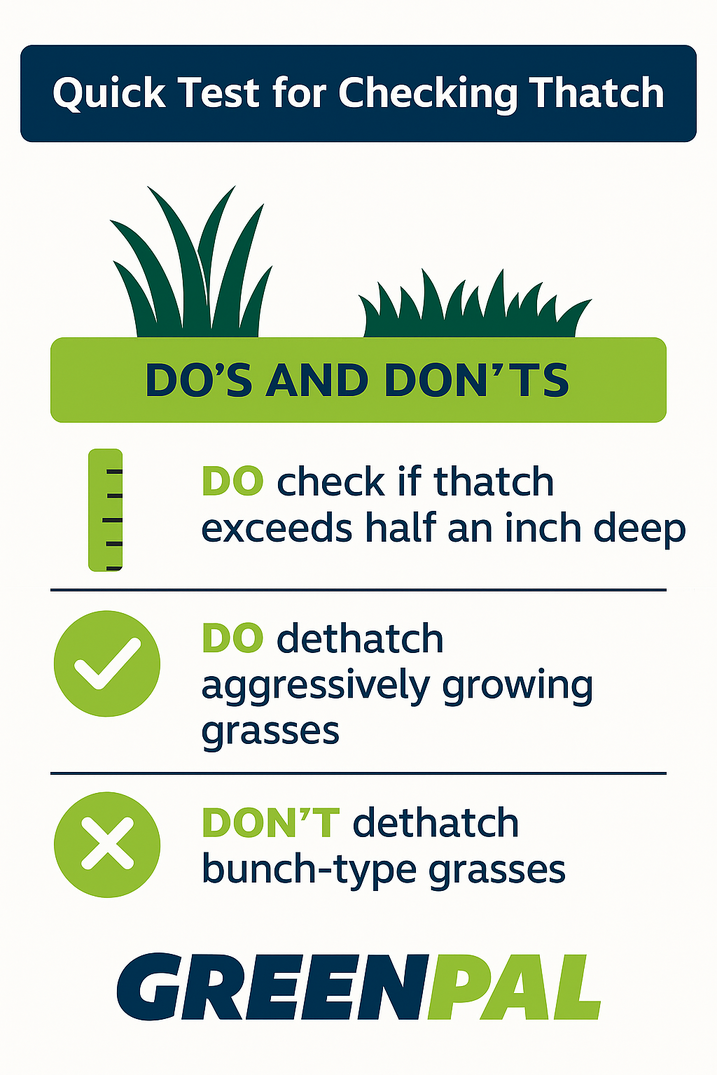
Dethatching removes thick layers of dead grass and roots. This layer, called thatch, blocks water and nutrients.
Removing thatch helps your lawn breathe and grow stronger. It keeps grass healthy and green.
Benefits For Grass Health
Dethatching improves air flow to the soil. It lets water reach grass roots easily.
With less thatch, nutrients enter the soil better. Grass grows thicker and resists pests and diseases.
- Improves air circulation in the soil
- Allows water and nutrients to reach roots
- Reduces risk of lawn diseases
- Promotes stronger, greener grass
Signs Your Lawn Needs Dethatching
Look for a spongy feel when you walk on the lawn. This means thatch is thick under the grass.
Other signs include yellow patches and slow grass growth. Water may pool on the surface instead of soaking in.
- Spongy or springy lawn surface
- Yellow or brown patches on grass
- Water sits on top, not soaking in
- Grass grows slowly or unevenly
Tools You’ll Need
Dethatching your lawn helps grass grow healthy and strong. You need the right tools for good results.
This guide explains the basic tools for beginners to start dethatching easily.
Manual Dethatching Rakes
Manual dethatching rakes are simple tools with sharp blades. They pull out dead grass and debris by hand.
These rakes work well for small lawns or light thatch layers. They are easy to control but take more effort.
- Look for rakes with strong, sharp blades
- Choose a rake with a comfortable handle
- Use these rakes on dry grass for best results
Power Dethatchers
Power dethatchers use blades or tines to remove thick thatch quickly. They save time and energy.
These machines are good for medium to large lawns. Beginners should read the instructions carefully before use.
- Gas or electric models are available
- Adjust depth settings to avoid lawn damage
- Wear safety gear while operating power dethatchers
Other Helpful Equipment
Besides dethatching tools, some equipment helps prepare and clean your lawn.
These tools make the dethatching process easier and improve lawn care results.
- Lawn mower to cut grass before dethatching
- Leaf rake to collect loosened thatch
- Lawn aerator to improve soil after dethatching
- Gloves and safety glasses for protection
Best Time To Dethatch
Dethatching helps keep your lawn healthy by removing dead grass and debris. Choosing the best time to dethatch is important for good results.
Timing depends on the grass type and weather. Picking the right season and weather conditions helps your lawn recover faster.
Seasonal Considerations
The best season to dethatch depends on the grass type in your lawn. Cool-season grasses and warm-season grasses have different growth times.
- Cool-season grasses:Dethatch in early spring or early fall.
- Warm-season grasses:Dethatch in late spring or early summer.
- Avoid dethatching in winter or during dormancy periods.
- Dethatching during active growth helps lawn heal faster.
Ideal Weather Conditions
Choosing the right weather helps protect your lawn during dethatching. The soil should be moist but not wet to avoid damage.
| Weather Condition | Why It Matters |
| Dry days after dethatching | Allows lawn to dry and recover |
| Soil moist but not soggy | Prevents turf damage and easier dethatching |
| Mild temperatures (60-75°F) | Supports grass growth and recovery |
| Avoid extreme heat or drought | Prevents stress on the lawn |
Credit: www.yourgreenpal.com
Preparing Your Lawn
Dethatching removes dead grass and debris from your lawn. It helps the grass grow better by letting air and water reach the roots. Preparing your lawn before dethatching is important to get good results.
Proper preparation makes dethatching easier and less stressful for your lawn. Follow simple steps to get your lawn ready.
Mowing Tips Before Dethatching
Cut your grass shorter than usual before dethatching. This makes it easier to remove the thatch layer. Use a sharp blade on your mower for a clean cut.
Do not mow too short. Keep grass at about 1 to 1.5 inches high. This protects the grass from damage during dethatching.
- Mow your lawn 1-2 days before dethatching
- Use a sharp mower blade for clean cuts
- Set mower height to 1-1.5 inches
- Remove grass clippings after mowing
Watering Guidelines
Water your lawn a day before dethatching. This softens the soil and thatch layer. It helps the dethatcher work better and reduces stress on grass.
Avoid watering on the day of dethatching. Wet grass can clog dethatching tools and cause damage.
- Water lawn deeply 24 hours before dethatching
- Do not water on the day you dethatch
- After dethatching, water lightly to help recovery
Step-by-step Dethatching Process
Dethatching your lawn helps it grow better. It removes the layer of dead grass and roots. Let’s learn how to dethatch step-by-step.
Follow these simple steps to keep your lawn healthy and green. You can use a manual rake or a power dethatcher.
Using A Manual Rake
A manual rake is easy to use for small lawns. It helps remove thatch by pulling it out.
Use a rake with strong tines. Rake the lawn gently to avoid damage.
- Start at one corner of your lawn
- Rake in one direction
- Overlap each pass slightly
Operating A Power Dethatcher
A power dethatcher is good for large areas. It saves time and effort by using a motor.
Set the dethatcher height to just touch the soil. Move slowly and steadily across the lawn.
- Check fuel or battery before starting
- Adjust blade height for best results
- Go over each area twice if needed
Collecting Debris
After dethatching, you will see loose debris on the ground. Collecting it ensures a clean lawn.
Use a rake or lawn sweeper to gather the debris. Dispose of it properly to keep your garden tidy.
- Rake debris into piles
- Use a leaf blower for large areas
- Bag the debris for disposal
Aftercare For Your Lawn
After dethatching your lawn, proper care helps grass recover fast. Good aftercare makes your lawn green and healthy.
Focus on feeding, watering, and avoiding errors. These steps help your lawn grow thick and strong.
Fertilizing And Seeding
Apply fertilizer soon after dethatching to supply nutrients. Choose a fertilizer with nitrogen for green growth.
If your lawn has bare spots, spread grass seed. Use seed that matches your existing grass type for best results.
- Use a slow-release fertilizer for steady feeding
- Spread seed evenly over bare areas
- Lightly rake seeds into the soil
- Fertilize and seed in the early morning or evening
Watering Schedule
Water your lawn gently right after dethatching. Keep the soil moist but not soaked to help roots grow.
Water daily for the first two weeks. After that, reduce watering to twice a week deeply.
- Water early in the morning to reduce evaporation
- Avoid watering in the heat of the day
- Check soil moisture before watering again
Avoiding Common Mistakes
Do not mow your lawn too short after dethatching. Keep blades higher to reduce stress on grass.
Avoid heavy foot traffic on your lawn while it recovers. Walking on wet soil can cause damage.
- Wait at least two weeks before mowing closely
- Use sharp mower blades to avoid tearing grass
- Do not overwater or let water pool on lawn
- Keep pets off the lawn during recovery
Preventing Future Thatch Build-up
Thatch is a layer of dead grass that can harm your lawn. It blocks water and nutrients from reaching the soil. Learning how to prevent thatch build-up keeps your lawn healthy.
Good habits help keep thatch under control. Regular maintenance and proper care play a key role in preventing thatch. Follow these tips for a lush, green lawn.
Regular Lawn Maintenance
Regular care is essential for a healthy lawn. Remove debris and fallen leaves often. This prevents the build-up of organic matter that leads to thatch.
- Aerate your lawn once a year to improve soil health.
- Use a rake to remove thatch manually if it builds up.
- Fertilize with a balanced product to promote healthy growth.
Proper Mowing And Watering Habits
Mowing and watering correctly helps prevent thatch. Mow your lawn at the right height to encourage strong roots. Water deeply but less often to avoid shallow root systems.
- Set your mower blades high to avoid cutting grass too short.
- Water early in the morning to reduce evaporation.
- Check soil moisture before watering to prevent overwatering.

Credit: www.youtube.com
Frequently Asked Questions
What Is Lawn Dethatching And Why Is It Important?
Lawn dethatching removes thick layers of dead grass and debris. It improves air, water, and nutrient flow to roots. This helps your lawn grow healthier and greener by preventing soil compaction and disease buildup.
When Is The Best Time To Dethatch A Lawn?
Early spring or early fall is ideal for dethatching. These seasons allow grass to recover quickly. Avoid dethatching during extreme heat or drought to prevent lawn stress and damage.
How Often Should I Dethatch My Lawn?
Dethatch your lawn every 2 to 3 years. Over-dethatching can harm grass roots. Regular inspection helps decide when dethatching is necessary for optimal lawn health.
What Tools Do Beginners Need For Dethatching?
Beginners can use a manual dethatching rake or a dethatching machine. Choose based on lawn size and budget. Proper tools make dethatching easier and more effective.
Conclusion
Dethatching keeps your lawn healthy and green. Remove dead grass and debris regularly. Use the right tools and work carefully. Avoid dethatching when the lawn is wet. Give your grass time to recover afterward. A well-maintained lawn looks fresh and inviting.
Small efforts bring big improvements over time. Start dethatching today for a stronger lawn tomorrow.
