
Struggling to move heavy, sticky clay soil with your old wheelbarrow? Choosing the right wheelbarrow can make all the difference in how easily you handle tough gardening tasks.
If you’ve ever felt frustrated by a wheelbarrow that tips over, sinks into the ground, or just won’t roll smoothly through thick clay, this guide is for you. By the end, you’ll know exactly what features to look for to make your work lighter, faster, and less tiring.
Ready to find the perfect wheelbarrow for your clay soil? Let’s dive in.

Credit: www.canadiantire.ca
Key Features For Clay Soil
Clay soil is heavy and sticky, making it hard to move. Choosing the right wheelbarrow helps you work easier and faster.
This guide covers important features to look for in a wheelbarrow for clay soil. These features improve your comfort and efficiency.
Wheel Type And Size
Wide wheels work best on clay soil. They stop the wheelbarrow from sinking into the soft ground. Pneumatic tires give smooth rides over rough spots.
Choose a wheel size that balances stability and maneuverability. Bigger wheels roll easier but need more space to turn.
- Wide pneumatic tires prevent sinking
- Large wheels roll over bumps smoothly
- Smaller wheels are easier to steer in tight spaces
Load Capacity
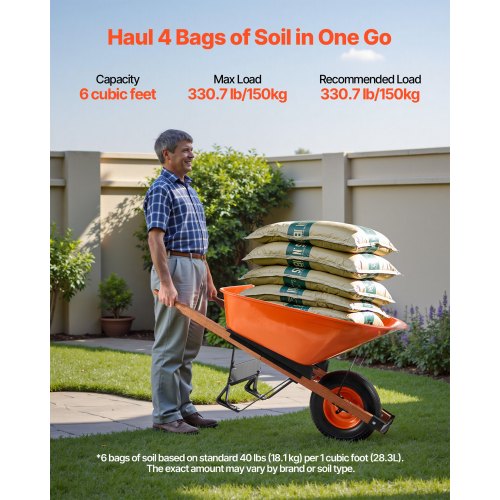
Clay soil is dense and heavy. Pick a wheelbarrow with a high load capacity to carry more soil at once. This saves time and effort.
Check the weight limit of the wheelbarrow. A strong frame and load bed are important for heavy loads.
- Look for wheelbarrows with at least 300 pounds capacity
- Higher capacity means fewer trips
- Strong construction supports heavy clay soil
Frame Material
Choose a frame made from rust-resistant metal. Steel frames are tough and last long. Aluminum frames are lighter but still strong.
A durable frame handles the weight and rough use on clay soil without bending or breaking.
- Steel frames offer high durability
- Aluminum frames are lightweight and rust-resistant
- Check for powder coating to prevent rust
Handle Design
Look for handles that give a good grip and comfort. Wooden handles feel natural but need care. Plastic or rubber grips reduce slipping.
Long handles give more leverage to lift heavy clay soil. Wide spacing between handles helps balance the load better.
- Ergonomic grips reduce hand strain
- Long handles improve leverage
- Wide handle spacing increases control
Benefits Of Pneumatic Wheels
Pneumatic wheels are filled with air. They work well on clay soil. Their design helps you move heavy loads easily.
These wheels make your work less tiring. They improve safety and control on wet or sticky ground.
Improved Traction
Pneumatic wheels grip clay soil better than solid wheels. The air inside helps the tire shape to fit the ground.
- Soft clay allows the wheel to sink slightly for a firm hold
- Prevents slipping on wet or uneven surfaces
- Helps push or pull loads with less effort
Shock Absorption
The air cushion in pneumatic tires absorbs bumps and shocks. This protects your back and arms from strain.
| Feature | Benefit |
| Air-filled tire | Softens impact on rough clay soil |
| Flexible sidewalls | Reduces jolts during movement |
| Shock absorption | Increases comfort and safety |
Ease Of Maneuverability
Pneumatic wheels help you steer the wheelbarrow easily on clay. They roll smoothly over bumps and holes.
- Lightweight design lowers effort needed to push
- Better control on slopes and uneven ground
- Easy to turn and change directions
Choosing The Right Size
Choosing the right size wheelbarrow helps you work better in clay soil. Clay soil is heavy and sticky. A wheelbarrow that is too big can be hard to push. One that is too small may need many trips.
Think about the size carefully before buying. The right size balances capacity and ease of use. It also fits your storage space.
Balancing Capacity And Weight
Clay soil is heavier than other soil types. This makes the wheelbarrow feel heavy when full. Choose a size that you can easily handle.
- Smaller wheelbarrows hold less soil but are easier to push.
- Larger wheelbarrows carry more soil but can be heavy to control.
- A medium size is often best for balance and comfort.
- Consider your strength and how much soil you need to move.
Considering Storage Space
Wheelbarrows need room for storage. A large wheelbarrow takes more space. Make sure you have enough area to keep it safe and dry.
| Wheelbarrow Size | Storage Space Needed |
| Small | 1.5 ft x 3 ft |
| Medium | 2 ft x 4 ft |
| Large | 3 ft x 5 ft |
Credit: www.vevor.ca
Durability And Maintenance
Choosing the right wheelbarrow for clay soil means focusing on durability and ease of maintenance. Clay soil can be heavy and sticky, so the wheelbarrow must handle tough conditions without breaking down. Regular care helps extend the life of your wheelbarrow.
Materials and design both play key roles in how long the wheelbarrow lasts. Rust resistance and simple cleaning features reduce the time and effort needed to keep it working well.
Rust-resistant Materials
Wheelbarrows made from rust-resistant materials last longer in wet and muddy clay soil. Steel with a powder coat finish and aluminum are common choices. These materials stop moisture from damaging the frame and tray.
- Powder-coated steel resists scratches and rust
- Aluminum is lightweight and does not rust
- Plastic trays do not corrode but may crack under heavy loads
- Check for sealed joints to prevent water from entering
Easy To Clean Designs
Clay soil sticks easily and can clog your wheelbarrow. Look for designs that make cleaning fast and simple. Smooth surfaces and fewer corners help remove dirt quickly.
| Feature | Benefit |
| Smooth tray surface | Prevents clay from sticking |
| Removable tray | Makes deep cleaning easier |
| Single wheel design | Better maneuverability in tight spaces |
| Drainage holes | Allows water to escape, reducing mud buildup |
Additional Tips For Clay Soil
Clay soil is heavy and sticky. It can make moving loads hard with a wheelbarrow.
Choosing the right wheelbarrow helps you work better on clay soil. Here are some tips.
Using Wide Tires
Wide tires spread the weight over a larger area. This stops the wheelbarrow from sinking into the clay.
Look for tires that are thick and wide. They roll easier on soft, sticky soil.
- Wide tires reduce pressure on the ground
- They help avoid getting stuck in mud
- Large tires improve balance and control
Managing Heavy Loads
Clay soil adds weight to your load because it holds water. Keep your loads smaller to move easier.
Unload often to avoid too much weight. This lowers the chance of tipping or straining yourself.
- Carry smaller loads for better control
- Take breaks to avoid fatigue
- Use strong gloves to protect your hands
Adjusting Wheelbarrow Balance
Balance is key when pushing on clay soil. Put heavy items close to the wheel to ease pushing.
Check the wheelbarrow’s handles and adjust your grip to keep steady control.
- Place heavy loads near the wheel
- Hold handles firmly but relaxed
- Push smoothly to avoid sudden shifts
Credit: www.vevor.ca
Frequently Asked Questions
What Type Of Wheelbarrow Is Best For Clay Soil?
A steel wheelbarrow with a wide, pneumatic tire works best for clay soil. It offers durability and better traction on sticky surfaces. This combination helps in easy maneuvering and prevents sinking in soft, wet clay.
How Important Is Tire Size For Clay Soil Wheelbarrows?
Larger tires distribute weight better on clay soil. They reduce sinking and provide smoother movement. Pneumatic tires with at least 14 inches diameter are ideal for handling heavy loads in sticky clay.
Should I Choose A Single Or Dual Wheel Wheelbarrow?
Dual wheel wheelbarrows provide more stability on uneven clay soil. They prevent tipping and make balancing heavy loads easier. Single wheels offer better maneuverability but less stability in sticky, uneven conditions.
What Wheelbarrow Material Resists Rust In Clay Soil?
Steel frames with rust-resistant coatings are best for clay soils. They withstand moisture and mud exposure. Avoid untreated metals as clay soil retains water, causing faster rust and damage.
Conclusion
Choosing the right wheelbarrow makes working with clay soil easier. Focus on a strong frame and a wide, sturdy tire. A good wheelbarrow helps you move heavy, sticky soil without trouble. Think about comfort and balance to save energy. The right tool makes your garden work faster and less tiring.
Keep these tips in mind for better results next time you work outside. Simple choices lead to big differences in your gardening experience.
