
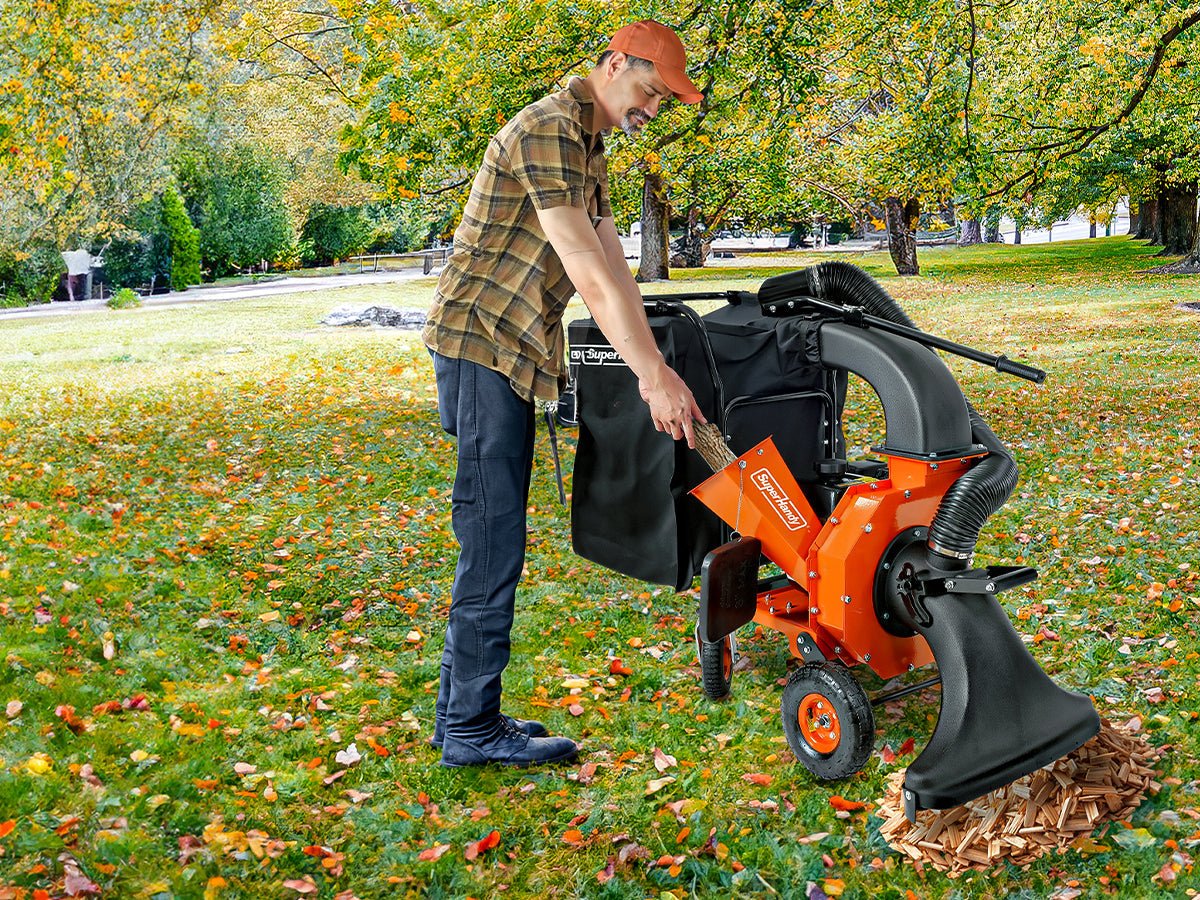
Are you tired of dealing with piles of dry leaves cluttering your yard every fall? You might be wondering if a leaf vacuum can not only clean up those leaves but also turn them into useful mulch.
Imagine saving time, reducing waste, and nourishing your garden all at once. You’ll discover how a leaf vacuum works with dry leaves and whether it’s the right tool to transform your yard cleanup into a smart gardening solution. Keep reading to find out how you can make your leaves work for you!
Leaf Vacuum Mulch Basics
Leaf vacuums help clean yards by picking up dry leaves. They collect leaves faster than raking. Some models also mulch the leaves to reduce their size.
Mulching turns leaves into small pieces. These pieces can be used as mulch for gardens or compost. This process saves time and reduces waste.
How Leaf Vacuums Work
Leaf vacuums use a strong motor to create suction. This suction pulls dry leaves into the machine. Inside, a blade or shredder cuts the leaves into mulch.
- The vacuum tube collects leaves from the ground.
- Leaves pass through a shredding blade or impeller.
- Shredded leaves are stored in a bag or container.
- The mulch can be emptied for use in gardens or compost piles.
Types Of Leaf Vacuum Mulchers
There are different types of leaf vacuum mulchers. They vary by power source and design. Choosing the right type depends on yard size and leaf amount.
| Type | Power Source | Best For |
| Electric Leaf Vacuum | Electricity | Small to medium yards |
| Gas-Powered Vacuum | Gasoline | Large yards and heavy leaves |
| Backpack Leaf Vacuum | Electric or Gas | Hard to reach areas |
| Handheld Leaf Vacuum | Electric | Light yard work |
Mulching Dry Leaves Effectively
Mulching dry leaves is a smart way to use fallen foliage in your garden. It helps improve soil health and keeps your plants safe.
Using a leaf vacuum can speed up the mulching process. It chops leaves into small pieces that break down faster.
Benefits Of Mulching Dry Leaves
Mulching dry leaves adds many benefits to your garden and lawn. It returns nutrients to the soil and keeps moisture in.
- Improves soil texture and fertility
- Reduces need for chemical fertilizers
- Keeps soil moist during dry periods
- Suppresses weed growth naturally
- Provides habitat for beneficial insects
- Reduces yard waste and saves disposal costs
Techniques For Best Results
To mulch dry leaves well, you need the right tools and methods. A leaf vacuum with mulching function works best.
| Technique | Description |
| Shredding | Use a leaf vacuum to chop leaves into small pieces. |
| Layering | Spread shredded leaves in thin layers around plants. |
| Mixing | Mix leaves with grass clippings or compost for balance. |
| Watering | Lightly water mulch to help it settle and start breaking down. |
| Timing | Mulch in autumn or early winter before heavy snow. |
Choosing The Right Leaf Vacuum
Leaf vacuums help clean dry leaves quickly. Picking the right one makes the job easier.
Consider how much space you have and the amount of leaves. This helps find the best tool.
Key Features To Look For
Check the power of the vacuum motor. Strong motors work better on big piles of leaves.
Look at the vacuum’s capacity. Bigger bags mean fewer stops to empty leaves.
- Weight: Light models are easier to carry
- Noise level: Quieter machines cause less disturbance
- Mulching ability: Some vacuums shred leaves into small pieces
- Ease of use: Comfortable handles and controls help during work
Comparing Popular Models
Different leaf vacuums have unique features. Compare them to match your needs.
| Model | Power Source | Bag Size | Weight | Mulching |
|---|---|---|---|---|
| Model A | Electric | 12 gallons | 8 lbs | Yes |
| Model B | Gas | 15 gallons | 12 lbs | No |
| Model C | Battery | 10 gallons | 7 lbs | Yes |
Choose electric or battery models for quiet work. Gas models offer more power but are heavier.

Credit: www.the-sun.com
Common Challenges And Solutions
Using a leaf vacuum to mulch dry leaves can save time and effort. Still, some challenges come with this task.
Knowing how to handle these problems helps keep your leaf vacuum working well and makes mulching easier.
Handling Clogged Vacuums
Leaf vacuums can clog when dry leaves get stuck inside the chute or bag. This stops the vacuum from working properly.
To clear clogs, turn off the machine and unplug it first. Then, remove the bag or empty the collection area.
- Check for large sticks or wet leaves causing blockages
- Use a stick or tool to gently push leaves through the chute
- Clean the vacuum parts regularly to avoid build-up
Dealing With Wet Or Damp Leaves
Wet or damp leaves are harder to vacuum and mulch. They can stick together and clog the machine.
Try to wait for dry weather before using the leaf vacuum. If leaves are damp, spread them out to dry first.
- Use a rake to break up wet clumps before vacuuming
- Avoid overfilling the vacuum bag with wet leaves
- Clean the vacuum parts after use to prevent mold and rust
Maintenance Tips For Longevity
Leaf vacuums help keep your yard clean by mulching dry leaves. Proper maintenance ensures they last longer and work efficiently.
Regular care is important for the performance of your leaf vacuum. Follow these tips to extend its life.
Cleaning And Storage
Keep your leaf vacuum clean to prevent clogging and damage. Dirt and debris can affect its efficiency.
Store your vacuum in a dry place. Moisture can cause rust and motor issues.
- Empty the bag after each use
- Wipe down the exterior
- Check for trapped leaves
- Store in a cool, dry area
Blade And Motor Care
The blade and motor are vital parts of your leaf vacuum. Keep them in good condition for efficient operation.
Inspect the blades regularly for sharpness and wear. A sharp blade mulches leaves better.
- Sharpen or replace dull blades
- Remove debris from motor vents
- Lubricate moving parts
- Check power cord for damage
Credit: www.craftsman.com
Alternative Leaf Cleanup Methods
Cleaning up fallen leaves is important for a neat yard. There are several ways to do this besides just raking.
Some methods save time and help recycle leaves into useful mulch or compost.
Raking Vs Vacuuming
Raking is the traditional way to gather leaves. It is quiet and does not use fuel or electricity.
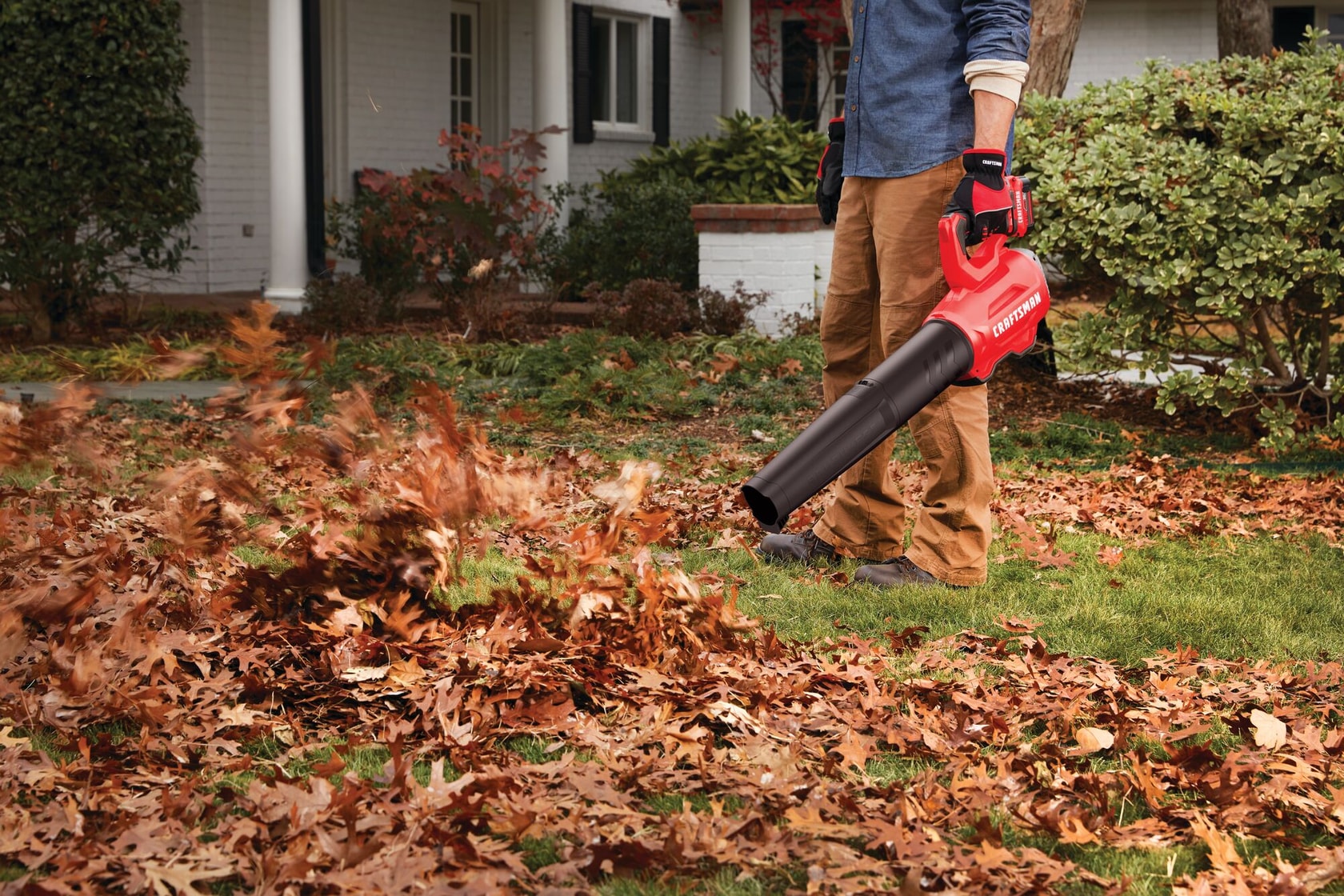
Leaf vacuuming uses a machine to suck or blow leaves into a bag. It is faster but can be noisy.
- Raking is low cost and good for small areas.
- Vacuuming works well for large yards and wet leaves.
- Raking requires more physical effort than vacuuming.
- Vacuuming may mulch leaves as it collects them.
Composting Mulched Leaves
Mulched leaves break down faster and make good compost material. Compost adds nutrients to the soil.
Mix mulched leaves with green yard waste for better compost. Keep the pile moist and turn it often.
- Mulched leaves improve soil structure.
- Compost reduces waste sent to landfills.
- Use compost in gardens and flower beds.
- Leaves alone may take longer to decompose.

Credit: superhandyus.com
Frequently Asked Questions
Can Leaf Vacuums Effectively Mulch Dry Leaves?
Yes, leaf vacuums can mulch dry leaves efficiently. They shred leaves into smaller pieces, making disposal easier and faster.
What Types Of Leaf Vacuums Mulch Dry Leaves Best?
Leaf vacuums with mulching or shredding features work best. Electric and gas-powered models typically offer strong mulching capabilities.
Does Mulching Dry Leaves Help Garden Soil?
Mulching dry leaves improves soil health by adding organic matter. It enhances moisture retention and nutrient content in the soil.
Can Mulched Dry Leaves Be Used As Compost Material?
Yes, mulched dry leaves break down faster in compost. They provide carbon, balancing nitrogen-rich materials for effective composting.
Conclusion
Leaf vacuum mulching works well for dry leaves. It breaks leaves into small pieces fast. These pieces help your garden soil stay healthy. Mulching saves time and reduces waste. It also helps keep your yard clean. Using a leaf vacuum mulch is simple and effective.
Dry leaves turn into useful mulch quickly. This method is a smart choice for yard care. Try it to make leaf cleanup easier and better.
