
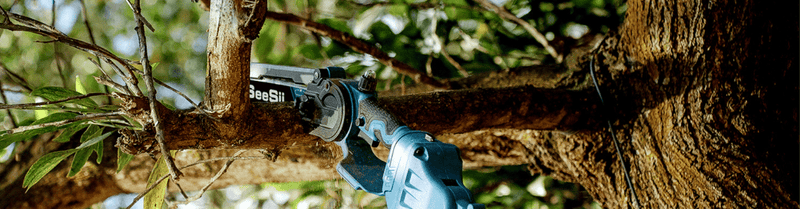
Are you struggling to reach those tall branches that block sunlight or clutter your yard? Trimming high branches can feel risky and frustrating without the right tools and know-how.
But what if you could safely and easily shape your trees from the ground? With a pole saw, you have the power to prune those hard-to-reach limbs without climbing or ladders. You’ll discover simple, step-by-step tips to use your pole saw confidently and effectively.
Keep reading to learn how to make your trees healthier and your yard look great—without the hassle or danger.
Credit: www.vevor.com
Choosing The Right Pole Saw
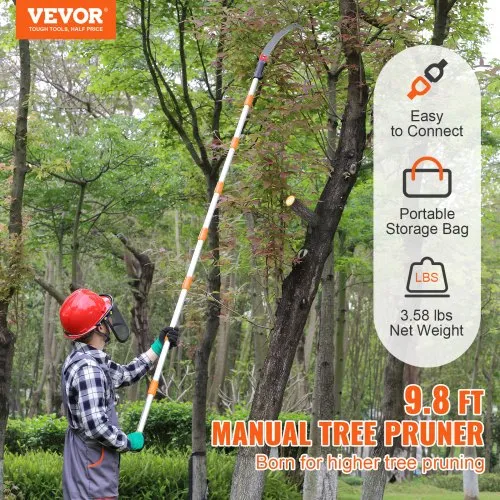
Trimming tall branches can be tricky without the right tools. A pole saw helps you reach high branches safely. Picking the right pole saw makes the work easier and safer.
There are different types of pole saws. Knowing the differences helps you select the best one for your needs.
Manual Vs. Powered Pole Saws
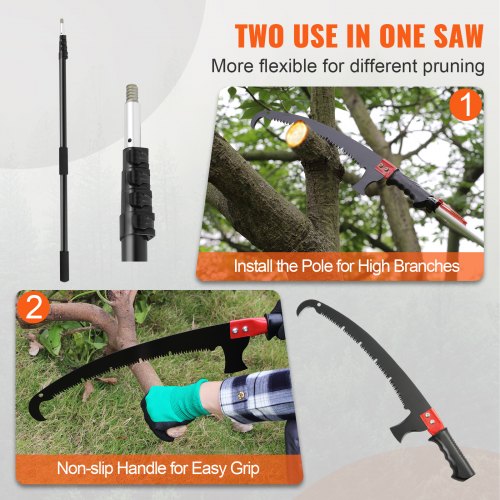
Manual pole saws need you to pull a rope or use a hand saw on a pole. They are quiet and light but need more effort. Powered pole saws use gas or electricity to cut. They are faster and easier for thick branches.
- Manual pole saws are cheaper and need no fuel or charging
- Powered pole saws cut faster and with less effort
- Manual saws are best for small jobs or thin branches
- Powered saws handle bigger jobs and thicker branches
Blade Types And Lengths
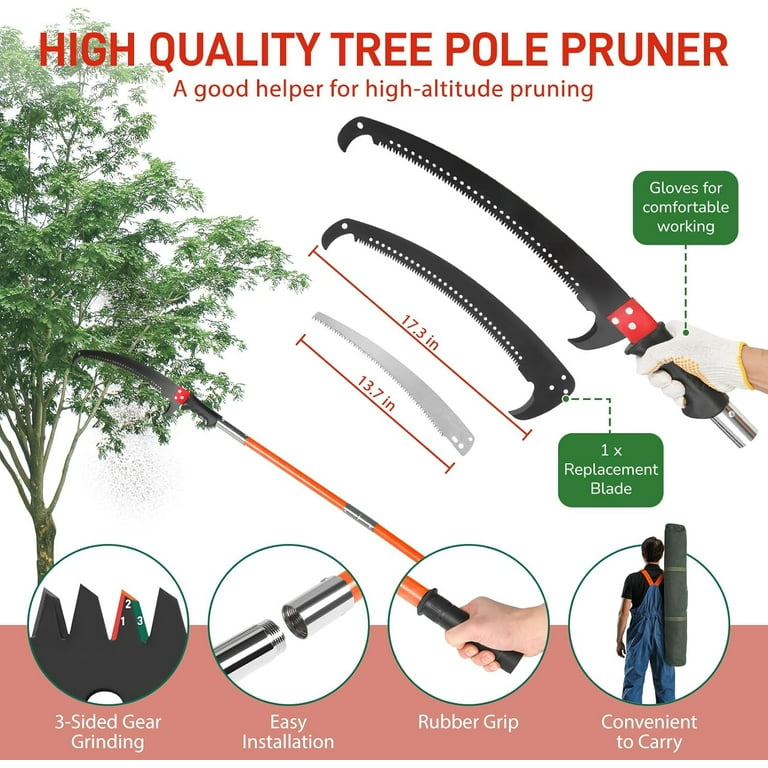
Blade type affects how well the saw cuts. Most pole saws have chainsaw blades or hand saw blades. Blade length affects reach and cutting power. Longer blades reach higher but are heavier.
- Chainsaw blades cut fast and work well on thick branches
- Hand saw blades are quieter and good for small branches
- Blade lengths range from 6 to 12 inches
- Choose blade length based on branch size and height
Weight And Maneuverability
Weight affects how long you can work without getting tired. A lighter pole saw is easier to handle but may cut slower. Maneuverability helps you reach branches at odd angles safely.
- Light pole saws reduce arm and shoulder strain
- Balanced weight improves control and safety
- Extendable poles help reach high branches
- Consider your strength and the job size
Credit: www.vevor.com
Preparing For The Job
Trimming tall branches with a pole saw needs careful preparation. Safety and planning reduce risks and improve results.
Before starting, check your surroundings, weather, and safety gear. Each step helps you work safely and effectively.
Inspecting The Area
Look around the tree and its branches. Make sure no people, pets, or objects are near the cutting zone.
- Clear the ground of tools, toys, and debris
- Identify power lines or obstacles near branches
- Plan your standing spot for good balance
- Check for weak or dead branches that could fall
Checking Weather Conditions
Safe cutting depends on good weather. Avoid windy, rainy, or icy days to prevent accidents.
| Weather | Safe to Cut? |
| Clear skies | Yes |
| Light wind (below 10 mph) | Yes |
| Strong wind (above 10 mph) | No |
| Rain or wet conditions | No |
| Snow or ice | No |
Gathering Safety Gear
Wear the right safety gear to protect yourself from cuts and falling debris.
- Helmet with face shield or safety goggles
- Sturdy gloves for grip and hand protection
- Long sleeves and pants to cover skin
- Non-slip boots for stable footing
- Hearing protection if using a powered pole saw
Safety Precautions
Trimming tall branches with a pole saw can be risky. Safety is very important to avoid injuries.
Follow these safety tips to protect yourself and work better.
Wearing Protective Equipment
Always wear safety gear before using a pole saw. It protects you from cuts and falling debris.
Use a helmet, safety glasses, gloves, and sturdy shoes. Long sleeves and pants add extra protection.
- Helmet to protect your head
- Safety glasses to shield your eyes
- Gloves for a good grip and hand safety
- Sturdy shoes to protect your feet
- Long sleeves and pants to protect your skin
Ensuring Stable Footing
Stand on flat, firm ground when trimming branches. Avoid slippery or uneven surfaces.
Keep your balance by planting your feet shoulder-width apart. Do not overreach with the pole saw.
- Check the ground for rocks or holes
- Wear shoes with good traction
- Keep your body steady and balanced
- Move your feet if needed to stay safe
Avoiding Electrical Hazards
Stay far from power lines when using a pole saw. Electricity can cause serious injury or death.
Look up and around before cutting branches. Always keep the saw and pole away from wires.
- Identify power lines near the tree
- Keep at least 10 feet distance from wires
- Do not touch wires with the pole saw
- Call the utility company if branches are close to power lines
Trimming Techniques
Trimming tall branches with a pole saw needs careful methods. Using the right techniques keeps you safe and protects the tree.
This guide covers how to position the pole saw, make clean cuts, and manage branch weight effectively.
Positioning The Pole Saw
Hold the pole saw with both hands for steady control. Stand firm with your feet apart to keep balance. Always place the saw above or at branch level to cut safely.
- Extend the pole slowly to reach the branch.
- Avoid overreaching to keep your balance.
- Keep the saw blade facing the cut area.
- Watch the branch position before cutting.
- Move the pole saw smoothly without jerking.
Making Clean Cuts
Make smooth cuts to help the tree heal faster. Use the sharp part of the blade. Cut at a slight angle to let water run off the branch.
| Cut Type | Purpose | Tip |
| Top Cut | Prevents bark tearing | Cut 1/3 through branch |
| Bottom Cut | Removes weight | Cut just outside top cut |
| Final Cut | Removes branch stub | Cut close to trunk |
Managing Branch Weight
Heavy branches can fall suddenly. Control their fall by cutting in the right order and holding the branch when possible.
Tips for managing branch weight:
- Make an undercut first to avoid bark ripping.
- Cut from the bottom up for large branches.
- Use a helper to guide the branch fall safely.
- Cut large branches in smaller sections.
- Be ready to move away quickly if the branch falls unexpectedly.
Handling Common Challenges
Trimming tall branches with a pole saw can be tricky. You may face tough branches, tight spaces, and saw kickback.
Knowing how to handle these challenges helps you work safely and get the job done well.
Dealing With Thick Branches
Thick branches are harder to cut with a pole saw. They need more power and careful cutting to avoid damage.
Cut the branch in sections if it is too thick. This reduces strain on the saw and prevents binding.
- Start cutting from the bottom side to avoid bark tearing
- Make shallow cuts first, then cut deeper
- Use a saw with a strong motor and sharp chain
Working In Tight Spaces
Tight spaces limit your pole saw movement. This makes trimming branches harder and less safe.
Plan your cuts carefully and adjust the pole angle to reach the branch easily. Move slowly to keep control.
- Use an extendable pole to reach difficult spots
- Clear nearby obstacles before cutting
- Wear protective gear to avoid scratches or injuries
Preventing Saw Kickback
Saw kickback happens when the saw blade suddenly jerks back. It can cause serious injury if not controlled.
Keep a firm grip and stay alert while cutting. Avoid cutting with the tip of the saw to reduce kickback risk.
- Hold the saw with both hands firmly
- Do not let the saw tip touch the wood
- Keep your body balanced and stable
- Use a saw with a kickback guard if possible
Post-trimming Care
After trimming tall branches with a pole saw, it’s important to follow proper post-trimming care. This ensures your tools and trees remain in good condition.
In this guide, we’ll cover how to maintain your pole saw and manage the trimmed branches effectively.
Cleaning And Storing The Pole Saw
Keeping your pole saw clean is vital for its longevity. After use, wipe down the blade and handle with a damp cloth to remove sap and debris.
Disposing Of Cut Branches
Proper disposal of cut branches keeps your yard tidy and safe. Consider the following methods for disposing of branches:
- Compost smaller branches to enrich soil
- Bundle larger branches for yard waste pickup
- Use as firewood if appropriate
Inspecting Trees For Damage
After trimming, check your trees for any signs of damage. Look for split bark or hanging limbs that might need attention.
| Damage Sign | Action Required |
| Split Bark | Seal with tree wound dressing |
| Hanging Limbs | Trim or support as necessary |
| Weak Branches | Consider additional trimming |
Credit: www.walmart.com
Frequently Asked Questions
What Safety Gear Is Needed For Using A Pole Saw?
Wear safety goggles, gloves, a hard hat, and sturdy shoes. These protect you from falling branches and debris. Always check your equipment before use to avoid accidents.
How Do You Choose The Right Pole Saw Length?
Select a pole saw with a length that reaches your tallest branches safely. Typically, 10 to 14 feet is ideal for most trees. Avoid overextending to maintain control and safety.
When Is The Best Time To Trim Tall Branches?
Trim tall branches during late winter or early spring. This timing minimizes tree stress and avoids bird nesting seasons. Proper timing also encourages healthy new growth.
How Can I Prevent Damage To Trees While Trimming?
Make clean cuts at branch collars without tearing bark. Use sharp blades and avoid cutting too close to the trunk. Proper cuts help trees heal faster and prevent disease.
Conclusion
Trimming tall branches with a pole saw is safer and easier with the right steps. Always check your tools before starting. Keep your balance and cut slowly to avoid accidents. Take your time and trim branches in small sections. Proper care helps your trees grow healthy and strong.
Practice often to gain confidence and skill. Enjoy a neat yard without risking your safety.
