
Are you looking to get the most out of your fruit trees? Pruning is the secret to healthier trees and bigger, juicier harvests.
But if you’re unsure where to start or worried about making mistakes, you’re not alone. You’ll discover simple, effective tips that anyone can use to prune fruit trees like a pro. By the end, you’ll feel confident and ready to boost your garden’s productivity.
Let’s dive in and unlock the full potential of your fruit trees!
Why Prune Fruit Trees
Pruning fruit trees is important for their health and fruit production. Cutting branches helps the tree grow stronger and produce better fruit.
Regular pruning keeps the tree balanced and easy to manage. It removes dead or crowded branches that can harm the tree.
Benefits For Tree Health
Pruning removes dead, damaged, or diseased branches. This stops problems from spreading to healthy parts of the tree.
Good airflow and sunlight reach the inside of the tree after pruning. This lowers the risk of pests and diseases.
- Removes weak or broken branches
- Improves air circulation
- Reduces disease risk
- Helps the tree heal faster
Improving Fruit Quality
Pruning helps the tree focus its energy on fewer fruits. This makes the fruits bigger and tastier.
Removing extra branches lets sunlight reach all fruits. Sunlight is key for fruit color and sweetness.
- Increases fruit size
- Improves fruit taste
- Enhances fruit color
- Prevents fruit crowding
Enhancing Growth And Shape
Pruning guides the tree to grow in a good shape. This makes it easier to harvest the fruit.
It also helps the tree grow strong branches that can hold heavy fruit. This reduces branch breakage.
- Shapes the tree for better growth
- Strengthens main branches
- Makes harvesting easier
- Prevents overcrowding of branches
Best Time To Prune
Pruning fruit trees at the right time helps them grow healthy. It also improves fruit quality and yield.
Knowing when to prune depends on the season and the tree’s growth stage. This guide explains the best times to prune your fruit trees.
Seasonal Considerations
Each season affects pruning differently. Winter pruning is common for many fruit trees. It helps shape the tree and remove dead wood.
- Winter:Best for dormant trees. Prune before new growth starts.
- Spring:Light pruning after buds open to improve air flow.
- Summer:Remove water sprouts and crowded branches.
- Fall:Avoid heavy pruning to prevent damage from cold.
Signs To Start Pruning
Look for clear signs to know when to prune. These signs help you avoid harming the tree.
| Sign | Description | Best Action |
| Leaf Drop | Tree loses leaves and goes dormant. | Start pruning to shape and clean the tree. |
| Swollen Buds | Buds begin to swell before new growth. | Finish pruning to avoid cutting new shoots. |
| Dead or Damaged Branches | Branches show cracks, decay, or no leaves. | Remove these anytime to keep tree healthy. |
Essential Tools For Pruning
Pruning fruit trees needs the right tools to keep them healthy. Using proper tools makes cutting easier and cleaner.
Good tools help you shape trees and remove dead or crowded branches safely.
Choosing The Right Tools
Select tools that fit the size and type of your tree branches. Sharp blades make smooth cuts that heal faster.
- Hand pruners for small branches under ¾ inch thick
- Loppers for medium branches up to 1½ inches
- Pruning saws for branches over 1½ inches
- Gloves to protect your hands from thorns and rough bark
- Safety glasses to shield your eyes from debris
Maintenance And Safety Tips
| Maintenance | Safety |
| Clean blades after each use to prevent rust and disease | Wear gloves to avoid cuts and scratches |
| Sharpen tools regularly for clean cuts | Use safety glasses to protect your eyes |
| Oil moving parts to keep tools working smoothly | Keep tools out of reach of children |
| Store tools in a dry place to avoid damage | Check tools before use to ensure they are not broken |
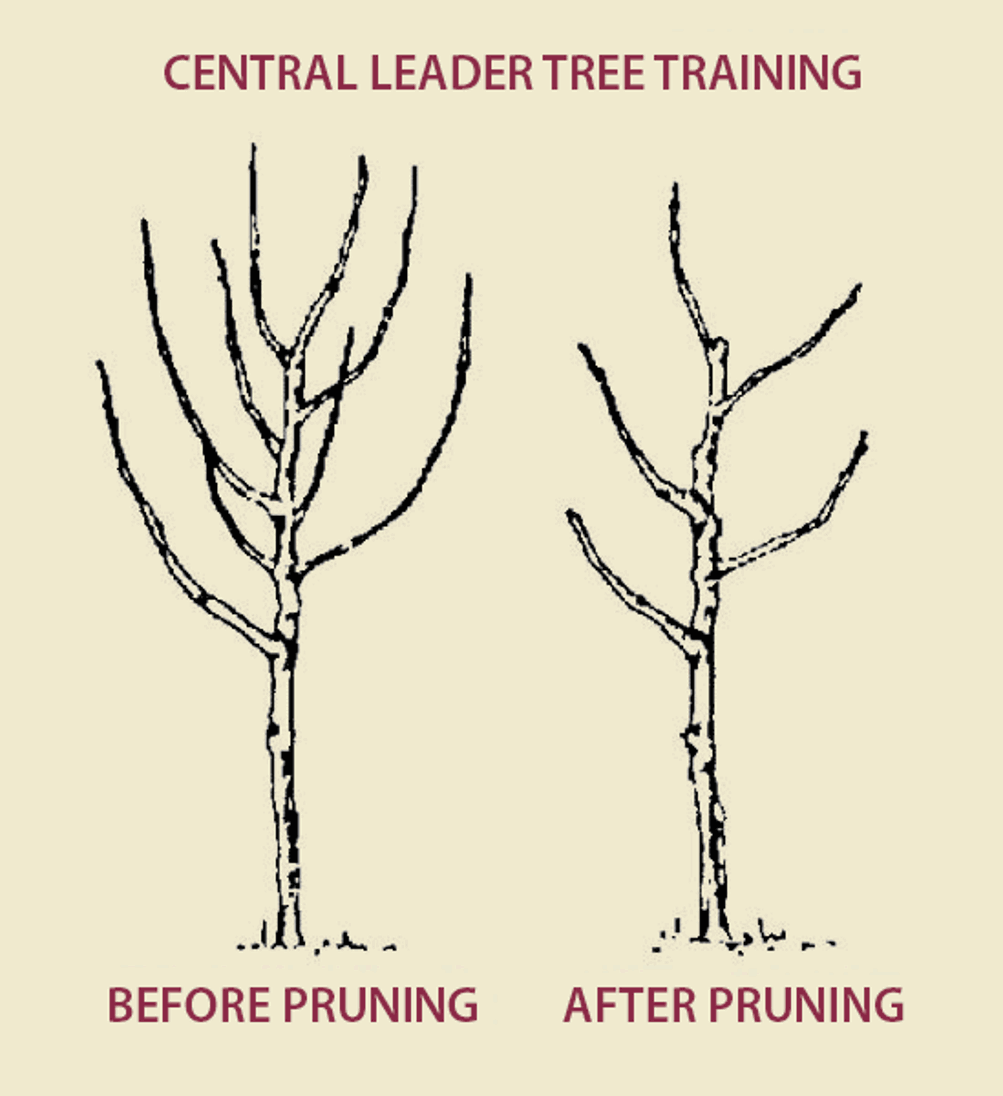
Credit: www.starkbros.com
Basic Pruning Techniques
Pruning fruit trees helps keep them healthy and productive. It improves air flow and sunlight inside the tree.
Good pruning uses different cuts to shape the tree and remove unwanted parts. Learn three basic pruning techniques.
Thinning Cuts
Thinning cuts remove whole branches at their base. These cuts open the tree canopy for better light and air flow.
Use thinning cuts to reduce crowding and avoid weak branches rubbing together. They keep the tree strong.
- Cut branches back to their point of origin
- Remove smaller branches that cross or crowd
- Keep the tree shape open and balanced
Heading Cuts
Heading cuts shorten branches by cutting back to a bud or side branch. This encourages new growth near the cut.
Use heading cuts to control tree size and shape. They help create strong scaffolding branches for fruit.
- Cut just above a healthy bud facing outward
- Make clean cuts to avoid damage
- Avoid cutting too close to the bud
Removing Dead Or Diseased Wood
Remove dead or diseased wood to keep the tree healthy. These branches can spread disease and pests.
Cut dead wood back to healthy tissue. Dispose of diseased wood away from the tree to stop infection.
- Look for dry, brittle, or discolored branches
- Cut back to where wood looks healthy and firm
- Use clean, sharp tools to prevent spreading disease
Pruning Different Fruit Trees
Pruning fruit trees helps them grow healthy and produce better fruit. Each type of tree needs different pruning methods. Understanding these differences keeps your trees strong.
Learn how to prune apple and pear trees, stone fruits like peach and cherry, and citrus trees. Follow simple tips for each type to get good results.
Apple And Pear Trees
Apple and pear trees need pruning to remove old wood and shape the tree. Cut back branches that cross or grow inward. This helps sunlight reach the fruit.
- Prune in late winter or early spring before buds open.
- Remove dead or diseased branches first.
- Keep the center open for light and air.
- Shorten last year’s growth by one-third.
- Use clean, sharp tools for cuts.
Stone Fruits Like Peach And Cherry
Stone fruit trees need careful pruning to prevent disease and improve fruit size. These trees bear fruit on new wood, so prune to encourage new growth.
| Pruning Tip | Details |
| Timing | Late winter or right after harvest |
| Type of Cut | Thin out branches to allow air flow |
| Remove | Weak, dead, or crowded branches |
| Encourage | Open center shape for sunlight |
| Tools | Use sharp pruners to avoid damage |
Citrus Trees
Citrus trees need light pruning to keep their shape and remove damaged branches. Avoid heavy pruning because it can reduce fruit production.
Tips for pruning citrus trees:
- Prune after the last frost in early spring.
- Remove suckers growing from the base.
- Cut out dead or crossing branches.
- Keep the canopy open but not too thin.
- Do not remove more than 20% of the tree at once.
Credit: www.groworganic.com
Common Mistakes To Avoid
Pruning fruit trees is important for their growth and fruit production. Many people make mistakes that can harm the tree.
Knowing common errors helps ensure your trees remain healthy and productive.
Over-pruning
Over-pruning removes too many branches from the tree. This weakens the tree and reduces fruit production.
Only remove dead or damaged branches. Keep healthy branches intact to support growth.
- Check the tree’s overall shape before pruning
- Remove no more than 20% of the tree’s branches
- Focus on maintaining a balanced structure
Incorrect Cuts
Incorrect cuts can leave the tree vulnerable to disease. Always make clean cuts at the branch collar.
Use sharp tools to avoid tearing the bark. This keeps the tree healthy and strong.
- Use pruners or saws for precise cuts
- Avoid cutting too close to the trunk
- Angle cuts to prevent water pooling
Ignoring Tree Health Signs
Ignoring signs of poor tree health can lead to problems. Look for signs like discolored leaves or weak branches.
Regularly check your trees for any issues. Address them before pruning to support recovery.
- Monitor trees for unusual growth patterns
- Check for pests and diseases regularly
- Ensure proper watering and soil conditions
Post-pruning Care
After pruning fruit trees, taking care of them is crucial. Proper care ensures healthy growth and bountiful harvests. Let’s explore essential post-pruning tasks.
These tasks help protect the tree and promote recovery. Pay attention to watering, fertilizing, and pest protection.
Watering And Fertilizing
Watering and fertilizing are key to a tree’s health. They provide necessary nutrients for recovery and growth.
- Water the trees deeply once a week.
- Ensure soil is moist but not waterlogged.
- Use a balanced fertilizer to boost growth.
Protecting Cuts From Pests
Fresh cuts on trees can attract pests. Protecting them is vital to prevent diseases.
Apply a tree wound dressing on large cuts to seal them.
Check regularly for signs of pest infestation.
Use natural pest repellents to deter harmful insects.

Credit: www.givinggrove.org
Frequently Asked Questions
When Is The Best Time For Pruning Fruit Trees?
The best time to prune fruit trees is late winter or early spring. This timing avoids frost damage and promotes healthy growth before the growing season begins. Avoid pruning during active blooming to protect flowers and future fruit production.
How Often Should I Prune My Fruit Trees?
Prune fruit trees annually to maintain shape and health. Regular pruning removes dead or diseased wood and encourages better air circulation. Consistent care improves fruit size and quality by redirecting the tree’s energy.
What Tools Are Needed For Pruning Fruit Trees?
Essential pruning tools include sharp bypass pruners, loppers, and a pruning saw. Clean, sharp tools make precise cuts, reducing tree damage and disease risk. Always disinfect tools before use to prevent spreading infections.
How Do I Prevent Disease When Pruning Fruit Trees?
To prevent disease, prune during dry weather and sterilize tools between cuts. Remove all diseased or dead branches promptly. Applying a fungicide after pruning can protect open wounds from infection.
Conclusion
Pruning fruit trees helps them grow strong and healthy. It improves air flow and sunlight inside the branches. This leads to better fruit quality and size. Regular pruning stops diseases and pests from spreading. Use sharp tools and cut at the right spots.
Start pruning when the tree is young and keep up every year. Careful trimming saves your tree and makes harvesting easier. Simple steps bring big benefits to your garden. Keep your trees happy with good pruning habits. Your fruit trees will thank you with tasty fruit.
