
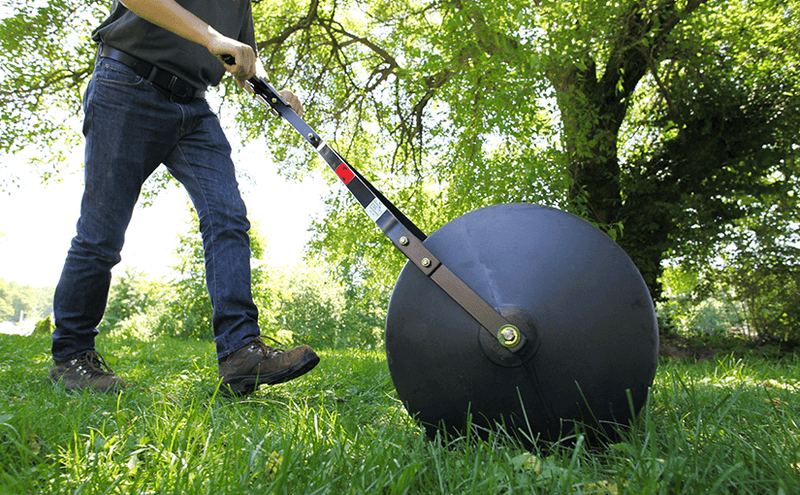
Are you struggling to get your soil just right for planting or landscaping? Choosing between a lawn roller and tamping soil can make a big difference in your results.
But which tool is best for your project? Understanding how each works and when to use them can save you time, effort, and frustration. Keep reading to discover the key differences and find out which option will help you achieve a smooth, healthy lawn or garden.
Your soil—and your plants—will thank you.
Credit: www.aosom.com
Lawn Roller Basics
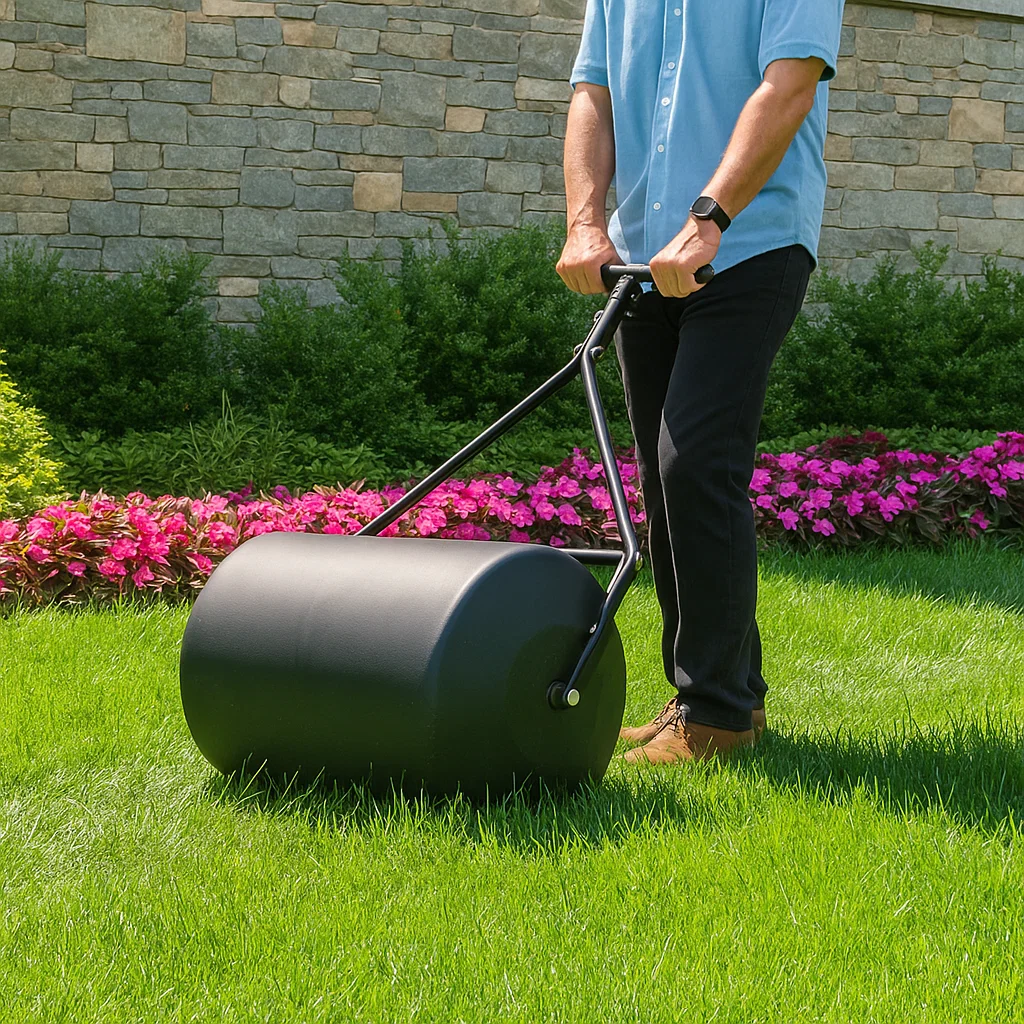
A lawn roller helps smooth the ground and press seeds or soil. It creates a flat surface for your lawn to grow evenly.
This tool is useful for both new lawns and maintenance of existing grass areas.
Purpose And Function
Lawn rollers press down soil to remove bumps and help seeds make good contact with the ground. This improves seed germination and lawn appearance.
- Flatten uneven soil
- Press grass seed into soil
- Help soil settle after planting
- Compact soil after winter frost
Types Of Lawn Rollers
There are several types of lawn rollers to choose from. Each type has different features for specific tasks.
| Type | Description |
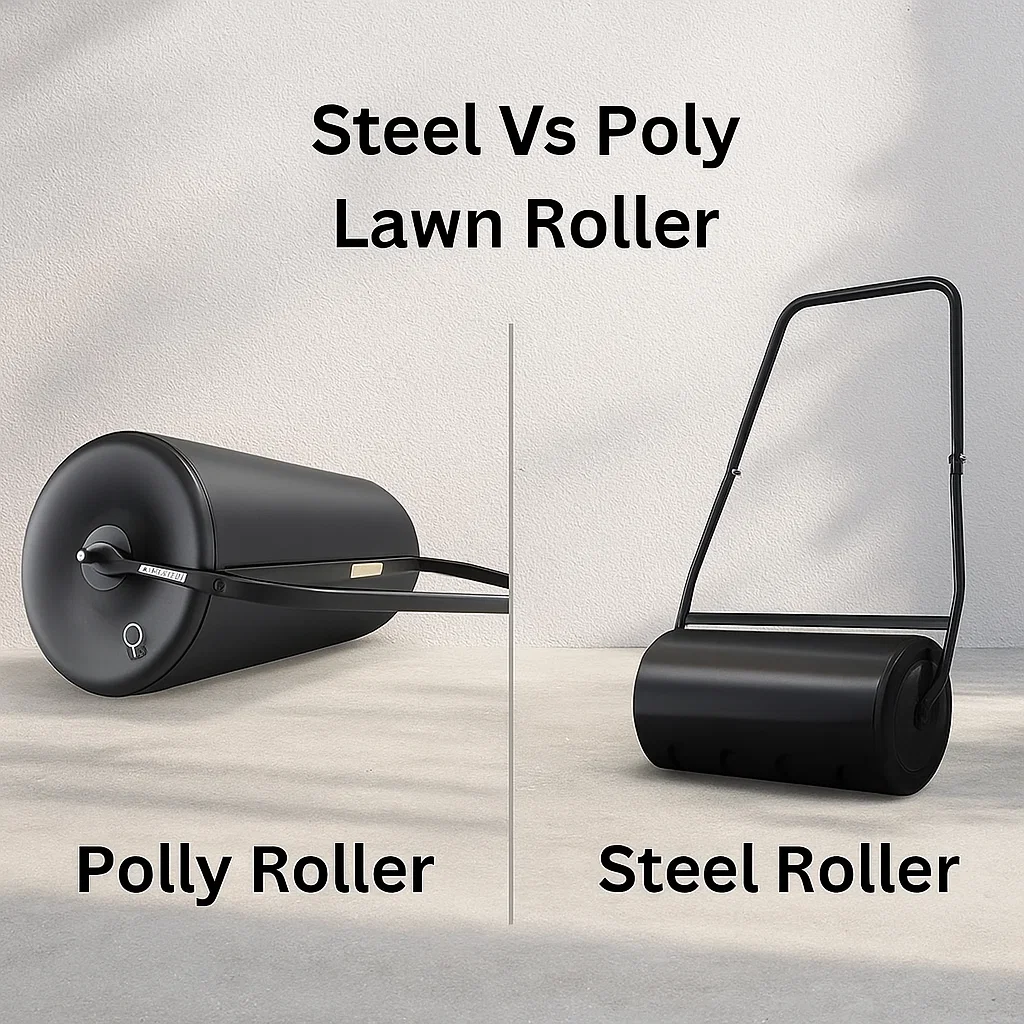
| Water-Filled Roller | Hollow roller filled with water for weight control. |
| Steel Roller | Solid steel roller, very heavy and durable. |
| Manual Roller | Pushed by hand, best for small lawns. |
| Tow-Behind Roller | Attached to a lawn tractor for large areas. |
When To Use A Lawn Roller
Use a lawn roller in these situations to improve your lawn’s surface and growth.
- After spreading grass seed to press seeds into soil
- To smooth soil after filling holes or leveling ground
- After winter to flatten frost heaves
- Before mowing for an even cutting surface
Tamping Soil Essentials
Tamping soil is a key step in preparing land for planting or construction. It helps compact the soil for better stability and growth.
This process differs from using a lawn roller, which mainly smooths the surface. Understanding tamping is important for good soil work.
What Is Soil Tamping
Soil tamping means pressing soil down to remove air pockets. This makes the soil dense and firm.
Tamping improves soil support for plants and structures. It also helps water reach roots better.
Tools For Tamping
Many tools can help with soil tamping. Choose the right one for your project size and soil type.
- Hand tamper: A flat heavy plate with a handle, for small jobs
- Plate compactor: A machine with a vibrating plate, for medium jobs
- Jumping jack tamper: A small, powerful rammer for tight spaces
- Mechanical roller: Used for large areas but less effective for deep tamping
Best Times For Soil Tamping
Tamp soil when it is slightly moist, not too wet or dry. This helps achieve good compaction.
Avoid tamping right after heavy rain. Early morning or late afternoon is a good time for outdoor work.
- Soil moisture should be damp but not muddy
- Tamp before planting or laying foundations
- Work during cool parts of the day to avoid soil drying out
Comparing Lawn Rolling And Soil Tamping
Lawn rolling and soil tamping are common ways to press down soil. Both help create a firm surface but work differently.
This guide compares their effects on soil compaction, seed growth, and soil types.
Impact On Soil Compaction
Lawn rolling gently compresses the soil surface. It smooths bumps without packing soil too hard.
Soil tamping presses soil more firmly. It reduces air pockets deep in the soil.
- Lawn rolling has light compaction effect
- Soil tamping causes heavier compaction
- Too much tamping can harm soil structure
Effect On Seed Germination
Lawn rolling helps seeds contact soil gently. This helps seeds absorb water and sprout.
Soil tamping can press seeds too deep. This may block air and slow sprouting.
- Rolling supports good seed-to-soil contact
- Tamping may reduce oxygen near seeds
- Light pressure improves germination
Suitability For Different Soil Types
Lawn rollers work well on sandy and loamy soils. They smooth the surface without causing damage.
Soil tampers suit clay soils best. They break clumps and pack soil to avoid air gaps.
| Soil Type | Lawn Rolling | Soil Tamping |
|---|---|---|
| Sandy Soil | Good for surface smoothing | May cause over compaction |
| Loamy Soil | Ideal for gentle compaction | Use with care |
| Clay Soil | Less effective | Best for breaking clumps |
Step-by-step Yard Preparation
Preparing your yard is important before planting grass or plants. Good preparation helps your yard look even and healthy.
Using the right tools, like a lawn roller or tamping soil tool, makes the job easier. Each tool has a special way to use it.
Preparing The Soil
Start by clearing your yard of rocks, sticks, and old grass. This makes the soil ready for work.
Loosen the soil using a rake or tiller. Loose soil helps roots grow better and water soak in well.
- Remove debris and weeds
- Break up hard soil clumps
- Level the soil surface
Using A Lawn Roller Correctly
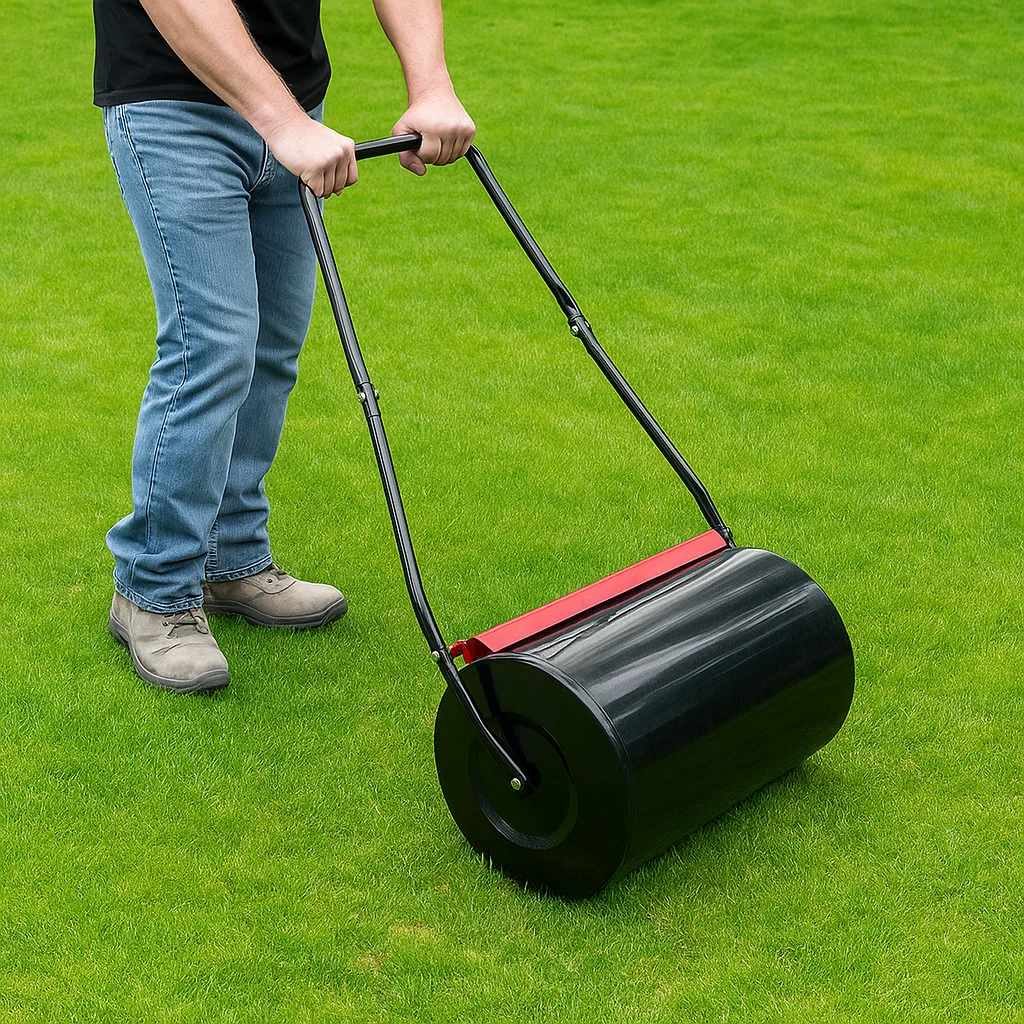
A lawn roller helps press the soil down evenly. It makes the surface smooth and flat.
Fill the roller with water or sand for weight. Roll slowly over the soil in straight lines to avoid bumps.
- Fill the roller to add weight
- Roll in one direction first
- Then roll at a right angle
- Avoid rolling too much on wet soil
Proper Soil Tamping Techniques
Tamping compacts the soil using a heavy tool or plate. It removes air pockets and firms the ground.
Use short, even taps across the yard. Do not press too hard to avoid damaging soil structure.
- Use a hand tamper or mechanical tamper
- Tap in overlapping sections
- Check soil firmness by walking on it
- Stop if soil becomes too hard
Common Mistakes To Avoid
Using a lawn roller or tamping soil tool can help prepare your yard. But many people make errors that harm the soil. Avoid these mistakes to get good results.
Choosing the right method and tool is important. You also need to watch soil conditions to avoid damage.
Overcompacting Soil
Pressing the soil too much stops air and water from reaching roots. This hurts grass and plants. Lawn rollers can cause this if used too often or with too much weight.
Tamping tools can also compact soil too hard if pressed deeply. Avoid using heavy pressure or rolling repeatedly on the same spot.
- Limit roller passes to one or two
- Use lighter rollers for soft soil
- Do not tamp deeply in one area
Ignoring Soil Moisture Levels
Soil that is too dry or too wet does not compact well. Dry soil breaks apart, while wet soil becomes muddy and clumps. Both cause uneven surfaces and poor root growth.
Check soil moisture before using a roller or tamper. The soil should feel damp but not soggy. This helps tools work better and protects soil health.
- Test soil by squeezing a handful
- Stop if water drips from soil
- Wait to roll if soil is hard and dry
Using The Wrong Equipment
Lawn rollers and tampers serve different purposes. Using the wrong tool can damage soil or waste effort. Rollers flatten lawns and seedbeds gently. Tampers compact soil deeply in small areas.
Choose the right equipment based on your soil and project size. Heavy rollers are good for large areas. Hand tampers work for small spots like flower beds.
- Use lawn rollers for large, flat areas
- Use tampers for small, hard-to-reach spots
- Avoid heavy tools on soft soil
Credit: www.aosom.com
Maintaining A Healthy Lawn Post-prep
Keeping your lawn healthy after preparation is important. It requires consistent care and attention. This ensures the grass remains lush and green.
Understanding the best practices for watering, fertilization, and aeration helps. These methods support lawn health and appearance.
Watering Practices
Watering your lawn properly is essential. It helps maintain its green color and overall health. Water early in the morning for the best results.
- Water deeply but less often
- Use a sprinkler system for even coverage
- Avoid watering in the heat of the day
Fertilization Tips
Fertilizing your lawn provides the necessary nutrients. This encourages growth and prevents weeds. Choose the right type of fertilizer for your grass.
| Fertilizer Type | Application Time |
| Granular | Spring and Fall |
| Liquid | Every 4-6 weeks |
| Organic | Spring |
Aeration And Its Role
Aeration allows air, water, and nutrients to reach the roots. It relieves soil compaction and promotes healthy grass growth.
Credit: www.aosom.com
Frequently Asked Questions
What Is The Main Difference Between Lawn Rollers And Tamping Soil?
Lawn rollers flatten the soil surface, creating smooth lawns. Tamping soil compacts deeper layers, improving soil stability. Rollers focus on appearance, while tampers enhance soil structure and support plant roots.
When Should I Use A Lawn Roller Instead Of Tamping Soil?
Use a lawn roller after seeding or sod installation to smooth the surface. Tamping is best for compacting soil in garden beds or construction before planting or building.
Can A Lawn Roller Compact Soil As Effectively As Tamping?
No, lawn rollers only compress the topsoil gently. Tamping applies more force, compacting soil layers deeply for better stability and support.
Is Tamping Soil Better For Garden Beds Than Lawn Rolling?
Yes, tamping strengthens garden beds by compacting soil layers. Lawn rolling mainly smooths surfaces but doesn’t compact soil deeply enough for strong plant support.
Conclusion
Choosing between a lawn roller and tamping soil depends on your project needs. Lawn rollers smooth the surface and press seeds gently. Tamping soil compacts the ground more firmly for strong foundations. Both tools help prepare soil but serve different purposes.
Think about soil type and final result before deciding. Using the right tool saves time and effort. Healthy lawns and stable ground start with proper soil work. Simple steps lead to better gardening and landscaping results.

