
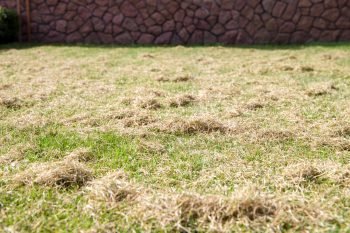
Are you wondering whether you should aerate your lawn before dethatching? If you want a lush, green yard that stands out, understanding the right order of lawn care steps is key.
Doing things in the wrong order can waste your time and leave your grass struggling. You’ll discover the simple truth about aeration and dethatching—and learn the best way to make your lawn thrive. Keep reading to find out how to give your grass the care it truly needs.

Credit: www.jclandscapingllc.com
Benefits Of Aeration
Aeration helps your lawn by letting air, water, and nutrients reach the roots. It creates small holes in the soil to improve growth.
This process is important before dethatching because it prepares the soil. Aeration makes your lawn healthier and stronger.
Improving Soil Health
Aeration allows the soil to breathe. This helps beneficial microorganisms live and grow in the soil.
Healthy soil supports strong grass roots and keeps your lawn green. It also helps break down thatch naturally.
Enhancing Nutrient Absorption
Aeration makes it easier for nutrients to reach grass roots. The holes let fertilizer and water soak deep into the soil.
When nutrients reach roots better, grass grows thicker and stays healthy longer. Aeration helps your lawn get the food it needs.
Reducing Soil Compaction
Soil can get hard and compacted from foot traffic and mowing. Aeration loosens the soil and breaks up hard spots.
Loose soil lets roots grow deeper. It also improves water drainage and air flow to the roots.
- Prevents water runoff
- Reduces puddles on the lawn
- Helps roots absorb oxygen
Credit: www.lawnsite.com
Role Of Dethatching
Dethatching removes the layer of dead grass and roots on your lawn. This layer is called thatch. It can stop water, air, and nutrients from reaching the soil.
Knowing the role of dethatching helps you keep your lawn healthy and green. It works well with aeration but has a different purpose.
Removing Excess Thatch
Thatch builds up over time from dead grass and roots. Too much thatch makes the lawn look unhealthy and weak. Dethatching cuts away this thick layer to help the lawn grow better.
Promoting Air And Water Flow
Thatch blocks air and water from reaching the soil. Dethatching opens the lawn surface. This helps air and water move down to the roots. It keeps the soil moist and full of oxygen.
- Improves soil breathing
- Allows water to soak in better
- Helps roots grow stronger
- Prevents soil from becoming hard
Preventing Disease
| Disease | Cause | How Dethatching Helps |
|---|---|---|
| Fungal Growth | Excess moisture in thick thatch | Removes wet areas where fungi grow |
| Root Rot | Poor air flow and water drainage | Improves air and water flow to roots |
| Insect Damage | Thatch hiding pests | Exposes pests to predators and treatment |
Timing Lawn Aeration
Aeration helps your lawn breathe by making small holes in the soil. This lets water, air, and nutrients reach the roots better. Knowing when to aerate is important for a healthy lawn.
Many gardeners wonder if they should aerate before dethatching. It is best to aerate when the soil is moist but not wet. This timing helps the aerator work well and reduces stress on the grass.
Best Seasons For Aeration
The best time to aerate depends on the type of grass you have. Aerate when your grass is growing fast. This helps it recover quickly after aeration.
- Spring is good for cool-season grasses like bluegrass and fescue.
- Fall works well for cool-season grasses too, especially after dethatching.
- Late spring or early summer is best for warm-season grasses like Bermuda and zoysia.
- Avoid aerating during very hot or dry periods to prevent damage.
Signs Your Lawn Needs Aeration
Your lawn shows clear signs when it needs aeration. Look for these symptoms to decide the right time to aerate.
- The soil feels hard and compact when you walk on it.
- Water pools or runs off instead of soaking in.
- Grass looks thin or patchy in some areas.
- Grass roots grow shallow and weak.
- There is a thick layer of thatch more than half an inch deep.
When To Dethatch
Dethatching removes the layer of dead grass and roots on your lawn. This helps your lawn breathe and absorb water better. Knowing when to dethatch is important for a healthy yard.
Timing dethatching correctly avoids damage and helps your grass grow strong. You should check your lawn regularly for thatch buildup and consider weather conditions before starting.
Identifying Thatch Problems
Thatch is a layer of dead grass, roots, and debris between the soil and grass blades. A thin layer can protect your lawn, but too much causes problems. You can spot thatch issues by looking closely at your lawn.
If the thatch layer is more than half an inch thick, it blocks water and nutrients. This makes the grass weak and dry. You might also see patches of dead grass or moss growing.
- Grass feels spongy when you walk on it
- Water pools on the surface after rain
- Grass looks thin or yellow in spots
- Weeds and moss grow easily
Ideal Weather Conditions
Dethatch your lawn during mild weather. Avoid very hot or very cold days. The best time is when grass grows fast and can recover quickly.
Spring or early fall are good times for dethatching. The soil should be moist but not wet. This makes it easier to remove thatch and helps grass heal.
- Choose a calm day with no strong wind
- Work when temperatures are between 60°F and 75°F
- Water the lawn a day before dethatching
- Avoid dethatching before heavy rain
Aerate Before Dethatch?
Aerating and dethatching are two important lawn care steps. They help keep your grass healthy and green. But should you aerate before dethatching? This question matters for the best results.
Both aerating and dethatching improve soil and grass health. Knowing the right order can save time and effort.
Advantages Of Aerating First
Aerating before dethatching can make the dethatching process easier. Aeration creates holes in the soil. These holes help break up thatch layers and loosen debris.
It also allows air, water, and nutrients to reach grass roots. This helps the lawn recover faster after dethatching.
- Improves soil drainage and reduces compaction
- Makes dethatching more effective
- Promotes quicker lawn recovery
- Helps roots absorb nutrients better
Potential Downsides
Aerating first can sometimes disturb the soil too much. This may cause more debris to stick to the lawn surface. If you aerate too deeply, it can damage young grass roots.
Also, aerating takes time and effort. Doing it before dethatching means more work in one session. This might stress the lawn if not done carefully.
- Possible damage to young grass roots
- More debris on lawn surface
- Extra labor in one day
- Risk of stressing the grass
Expert Recommendations
Experts often suggest aerating before dethatching for thick, compacted lawns. This helps open the soil and makes dethatching easier. For thin or new grass, dethatching first may be better.
Check your lawn condition before deciding. If soil is hard or thatch is thick, aerate first. If thatch is light, start with dethatching. Always water the lawn a day before aerating.
- For compact soil, aerate before dethatching
- For thin grass, dethatch first
- Water lawn one day before aerating
- Choose order based on lawn health

Credit: www.reddit.com
Step-by-step Lawn Care Routine
Caring for your lawn involves several important steps. Aerating and dethatching are key tasks to maintain healthy grass.
Follow this guide to learn when and how to aerate and dethatch your lawn.
Preparing Your Lawn
Preparation is crucial before you start aerating or dethatching. This ensures the best results for your lawn.
Begin by mowing the grass to a shorter length. Remove any debris or obstacles.
- Check the soil moisture; it should be slightly damp.
- Ensure tools are clean and in good condition.
- Plan to aerate when the grass is actively growing.
Aeration Process
Aeration helps the roots get more air, water, and nutrients. This process involves creating small holes in the soil.
Use an aerator tool, either manual or powered. It will pull out small plugs of soil.
- Go over the lawn in different directions for even coverage.
- Leave the soil plugs on the lawn to break down naturally.
- Aerate during the growing season for best results.
Dethatching Process
Dethatching removes the layer of dead grass and roots. This layer can block water and nutrients.
Use a dethatching rake or machine for this task. It pulls up the thatch layer from the lawn.
- Work in sections to manage the removed thatch.
- Collect and dispose of the debris after dethatching.
- Dethatch when the soil is moist but not wet.
Post-care Tips
After aerating and dethatching, it’s important to care for your lawn properly. This helps the grass recover and grow stronger.
Water the lawn deeply after these processes. This encourages root growth.
- Apply a suitable lawn fertilizer to nourish the grass.
- Overseed if necessary to fill in any bare patches.
- Keep the lawn clear of debris for optimal growth.
Tools And Equipment
Aerating and dethatching your lawn requires specific tools. Choosing the right equipment is crucial for effective lawn care.
Proper tools ensure your lawn gets the necessary care. This guide helps you understand the different options available.
Aerators Types
Aerators help improve soil health by creating holes in the ground. This allows air, water, and nutrients to reach the roots.
- Manual aerators: Use foot pressure to create holes.
- Spike aerators: Push spikes into the soil.
- Plug aerators: Remove small soil cores for better aeration.
Dethatchers Options
Dethatching removes the layer of dead grass and roots. It helps your lawn absorb nutrients better.
- Manual dethatchers: Use a rake to pull up thatch.
- Electric dethatchers: Use power to remove thicker layers.
- Gas dethatchers: Suitable for large lawns with heavy thatch.
Maintenance And Safety
Maintaining your tools ensures they last longer and work efficiently. Always prioritize safety when using these tools.
- Clean tools after each use to prevent rust.
- Check for wear and tear regularly.
- Store tools in a dry place to avoid damage.
- Wear gloves and goggles for protection.
Common Lawn Care Mistakes
Lawn care requires careful steps to keep grass healthy. Mistakes can hurt your lawn instead of helping it.
Aerating and dethatching are two common lawn tasks. Doing them wrong can cause damage.
Over-aerating Or Dethatching
Doing aeration or dethatching too often weakens grass roots. The lawn needs time to recover after each treatment.
Too much aerating can break roots and cause bare patches. Over-dethatching removes healthy grass layers along with thatch.
- Aerate only once or twice a year
- Dethatch only if thatch is thicker than half an inch
- Watch your lawn’s health before repeating the process
Ignoring Soil Conditions
Soil type and health affect how aeration and dethatching work. Ignoring soil can make treatments less useful.
Clay soils need aeration more than sandy soils. Testing soil pH and nutrients helps decide if dethatching is needed.
- Check soil moisture before aerating
- Test soil to know its pH and nutrient levels
- Adjust lawn care based on soil test results
Wrong Timing
Aerating or dethatching at the wrong time can stress grass. This reduces growth and increases disease risk.
Do aeration and dethatching during active grass growth. Avoid doing these in very hot, dry, or cold seasons.
- Best time to aerate is early spring or fall
- Dethatch when grass starts growing fast
- Never aerate or dethatch during drought or extreme heat
Frequently Asked Questions
Should I Aerate My Lawn Before Dethatching?
Yes, aerating before dethatching helps loosen soil and improves dethatching effectiveness. It allows better airflow and nutrient penetration.
What Are The Benefits Of Aerating Before Dethatching?
Aerating before dethatching improves root growth, soil drainage, and nutrient absorption. It prepares the lawn for healthier grass and reduces soil compaction.
Can I Dethatch Without Aerating First?
You can dethatch without aerating, but it’s less effective. Aerating first enhances dethatching results and promotes a healthier lawn.
How Long Should I Wait After Aerating To Dethatch?
Wait 1 to 2 days after aerating before dethatching. This ensures soil loosened by aeration is ready for dethatching.
Conclusion
Aerating before dethatching helps your lawn breathe better. It allows water and nutrients to reach the roots. This makes dethatching easier and more effective. Both steps improve grass health and growth. Choose the right time for each task. Keep your lawn clean and healthy all year.
Simple care brings great results. Try aerating first, then dethatch for a greener lawn. Your grass will thank you.

