
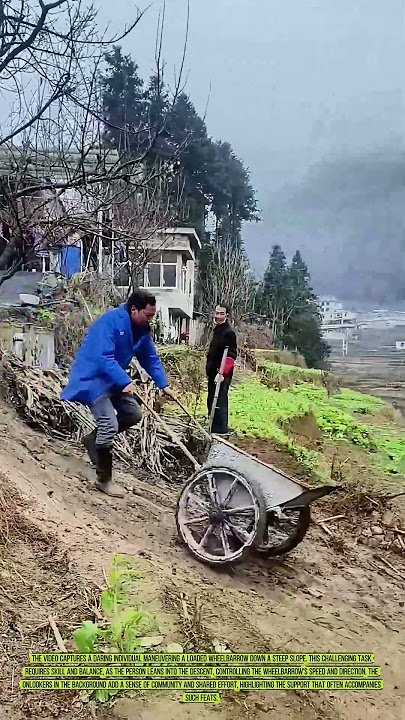
Have you ever wondered if your wheelbarrow can handle steep slopes without tipping over or making your work harder? Using a wheelbarrow on uneven ground can be tricky, and the last thing you want is to struggle or risk injury.
You’ll discover practical tips and expert advice to help you use your wheelbarrow safely and efficiently on slopes. Keep reading to learn how to make your tasks easier, save time, and avoid common mistakes that many people don’t realize. Your next project on a hillside could be much smoother than you think!
Wheelbarrows On Slopes
Using a wheelbarrow on a slope can be tricky. Slopes change how you balance and move loads. This makes it harder to work safely and efficiently.
Choosing the right wheelbarrow and knowing the challenges helps you handle sloped terrain better.
Challenges Of Sloped Terrain
Slopes create several problems for wheelbarrow users. The angle affects balance and control. Moving heavy loads uphill takes more effort. Going downhill risks tipping over or losing control.
- Harder to keep balance and avoid tipping
- More force needed to push upward
- Greater risk of wheelbarrow slipping downhill
- Uneven ground can cause sudden shifts
- Increased fatigue from steady control
Types Of Wheelbarrows Suitable For Slopes
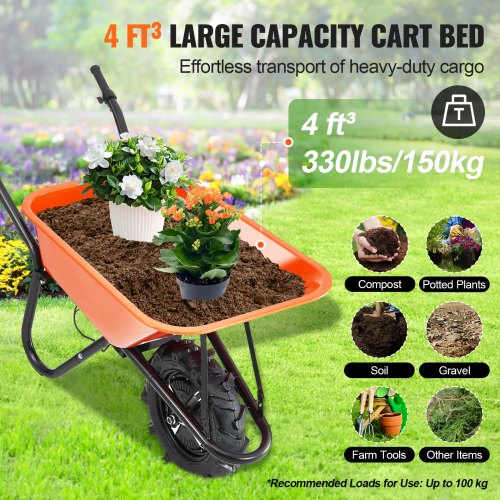
Some wheelbarrows work better on slopes than others. Features like wheel type and frame design matter. Choose a wheelbarrow that offers stability and control on uneven ground.
| Type | Wheel | Best Use | Advantages on Slopes |
| Single Wheel | One large wheel | General use | Easier to steer but less stable |
| Two Wheels | Two smaller wheels | Heavy loads on gentle slopes | More balance but harder to turn |
| Flat-Free Wheel | Solid or foam-filled | Rough or rocky slopes | No flats, steady grip |
| Trencher Wheelbarrow | Wide, rugged wheel | Steep or soft slopes | Better traction and stability |

Credit: us.amazon.com
Safety Precautions
Using a wheelbarrow on slopes requires care to avoid accidents. Slopes can make the wheelbarrow unstable and hard to control.
Following safety steps helps prevent falls and injuries. It also protects the person using the wheelbarrow and others nearby.
Proper Loading Techniques
Keep the load balanced and not too heavy. Put the heaviest items at the bottom and close to the wheel.
- Do not overload the wheelbarrow beyond your strength.
- Distribute weight evenly on both sides.
- Place bulky items carefully to avoid shifts during movement.
- Secure loose materials to prevent falling.
Maintaining Balance And Control
Keep a firm grip on the handles and walk slowly. Watch your path for obstacles and uneven ground.
| Tip | Reason |
|---|---|
| Use both hands | Improves control on slopes |
| Lean slightly uphill | Keeps balance and prevents tipping |
| Take short steps | Reduces risk of slipping |
| Stop if unstable | Prevents accidents |
Protective Gear Recommendations
Wear gear to protect yourself from falls and debris. Safety equipment reduces injury risks.
- Sturdy gloves to improve grip and protect hands
- Non-slip boots to prevent slipping on slopes
- Long pants and sleeves to protect skin from scrapes
- Helmet if working on steep or rocky slopes
Handling Techniques
Using a wheelbarrow on slopes requires special care to keep control and avoid accidents. Good handling techniques make moving materials safer and easier.
Understanding how to push, pull, and steer your wheelbarrow on hills helps prevent spills and injuries.
Pushing Vs Pulling On Slopes
Pushing a wheelbarrow uphill gives you better control. It uses your body weight to help move the load forward.
Pulling a wheelbarrow downhill is safer because you can slow it down easily. Pushing downhill can cause the wheelbarrow to run away from you.
- Push uphill for more strength and balance
- Pull downhill to control speed and direction
- Avoid pulling uphill or pushing downhill on steep slopes
Navigating Uphill And Downhill
When going uphill, lean forward slightly and keep your back straight. This helps keep the wheelbarrow steady.
Going downhill, lean back and lower your body. This position helps you control the wheelbarrow and stop it if needed.
- Keep the load balanced to avoid tipping
- Move slowly and watch your footing
- Use your legs to support the wheelbarrow’s weight
Turning And Maneuvering Safely
Turn slowly on slopes to keep the wheelbarrow from tipping. Use wide turns to stay balanced.
Keep a firm grip on the handles and watch for obstacles. Stop if you feel unstable or the wheelbarrow is hard to control.
- Make wide, slow turns on slopes
- Hold handles tightly for steady control
- Clear path before moving to avoid accidents
Credit: www.abc.net.au
Equipment Enhancements
Using a wheelbarrow on slopes can be tricky and unsafe without the right equipment. Enhancements help improve control and safety when working on uneven ground.
This guide covers key improvements to help your wheelbarrow work better on slopes and rough terrain.
Wheel Types For Better Traction
Choosing the right wheel type increases traction and stability on slopes. Pneumatic tires absorb shocks and grip better on soft or uneven surfaces. Solid rubber wheels need less maintenance but may slip on loose soil.
- Pneumatic tires provide cushioning and grip.
- Solid rubber wheels resist punctures and wear.
- Wide wheels reduce sinking in soft ground.
- Tread patterns improve traction on loose soil.
Brake Systems And Their Benefits
Brakes help control wheelbarrow speed and prevent accidents on slopes. They give the user better control when moving heavy loads downhill.
| Brake Type | Key Benefits |
| Hand-operated lever | Easy to apply and release quickly |
| Foot pedal | Keeps hands free for balance |
| Drum brake | Strong braking force for steep slopes |
Using Stabilizers And Supports
Stabilizers help keep the wheelbarrow steady on sloped surfaces. They reduce the risk of tipping over and make it easier to load and unload materials.
- Attach side supports to prevent sideways tipping.
- Use adjustable legs to level the wheelbarrow on uneven ground.
- Install wide base stabilizers for extra balance.
Common Mistakes To Avoid
Using a wheelbarrow on slopes can be tricky and unsafe if done wrong. Many people make simple errors that lead to accidents or damage.
Knowing what to avoid helps you work safely and keep the wheelbarrow in good shape for longer.
Overloading On Inclines
Putting too much weight in the wheelbarrow on a slope causes loss of control. It makes pushing harder and increases the risk of tipping over.
- Keep the load light and balanced.
- Do not fill the wheelbarrow beyond half its capacity on slopes.
- Distribute weight evenly to keep stability.
- Make multiple trips if needed instead of overloading.
Ignoring Ground Conditions
Slopes can have loose soil, rocks, or mud that affect wheelbarrow handling. Ignoring these conditions leads to slipping or getting stuck.
| Ground Type | Risk Level | Tip |
| Loose gravel | High | Move slowly and test path |
| Wet mud | Medium | Use wide tires or tracks |
| Dry dirt | Low | Check for hidden rocks |
Poor Posture And Grip
Bad posture and weak grip cause fatigue and reduce control. This increases chances of accidents on slopes.
- Stand straight with knees bent slightly.
- Keep your back straight to avoid strain.
- Hold handles firmly with both hands.
- Walk slowly and watch your footing.
Maintenance Tips For Safety
Using a wheelbarrow on slopes requires careful attention to safety. Regular maintenance keeps your wheelbarrow in top condition, ensuring safe usage.
Learn how to inspect, lubricate, and store your wheelbarrow properly. These tips will help you maintain safety while using it on slopes.
Regular Inspection Of Tires And Frame
Check the tires and frame often. Look for signs of wear or damage. Ensure the tires are inflated to the right pressure.
Inspect the frame for any cracks or rust. A sturdy frame is essential for safety on slopes.
- Check tire pressure weekly
- Examine frame for cracks monthly
- Address rust spots immediately
Lubrication And Repairs
Lubricate moving parts regularly to keep them working smoothly. This prevents unexpected breakdowns.
Repair any damage promptly. Delaying repairs can lead to larger problems and safety risks.
- Lubricate once a month
- Use oil suitable for metal parts
- Fix small issues before they worsen
Storage Recommendations
Store your wheelbarrow in a dry place. Moisture can cause rust and damage the frame.
Keep it off the ground to prevent tire deformation. Proper storage extends the life of your wheelbarrow.
- Store in a shed or garage
- Elevate to avoid tire flattening
- Cover to protect from weather
Credit: www.vevor.com
Frequently Asked Questions
Can Wheelbarrows Be Safely Used On Steep Slopes?
Wheelbarrows can be used on slopes, but safety depends on slope steepness and load weight. Use wheelbarrows with a good grip and avoid overloading. Always maintain control to prevent tipping or accidents on steep inclines.
What Type Of Wheelbarrow Works Best On Slopes?
Wheelbarrows with pneumatic tires or wider wheels work best on slopes. They provide better traction and stability, reducing the risk of slipping. Choose lightweight models for easier handling uphill and downhill.
How To Prevent Wheelbarrow Tipping On Slopes?
Distribute the load evenly and keep it low to maintain balance. Move slowly and avoid sudden turns on slopes. Use both hands firmly on handles for better control.
Are There Alternatives To Wheelbarrows For Steep Slopes?
Yes, alternatives like garden carts with multiple wheels or motorized wheelbarrows offer better stability on slopes. They reduce physical strain and improve safety when transporting heavy loads uphill or downhill.
Conclusion
Using a wheelbarrow on slopes needs care and attention. Choose a wheelbarrow with good balance and strong wheels. Always push slowly and keep a firm grip. Avoid heavy loads that make it hard to control. Practice on small slopes before trying steeper ones.
Safety matters most to prevent accidents and injuries. With the right steps, a wheelbarrow can help on hills too. It saves time and effort when done carefully. Remember, slow and steady wins the task on slopes.

