
Is your lawn looking dull, patchy, or struggling to grow? You might be dealing with thatch—a layer of dead grass and roots that can choke your lawn’s health.
Knowing exactly when to dethatch your lawn can make all the difference between a tired yard and a lush, green paradise. You’ll discover the signs to watch for and the best time to take action. Keep reading to learn how dethatching can breathe new life into your lawn and make your outdoor space the envy of the neighborhood.
Signs Your Lawn Needs Dethatching
Dethatching helps keep your lawn healthy and green. It removes the layer of dead grass and roots on top of the soil.
Knowing when to dethatch saves your lawn from damage. Look for these signs to decide if it is time to dethatch.
Visible Thatch Layer
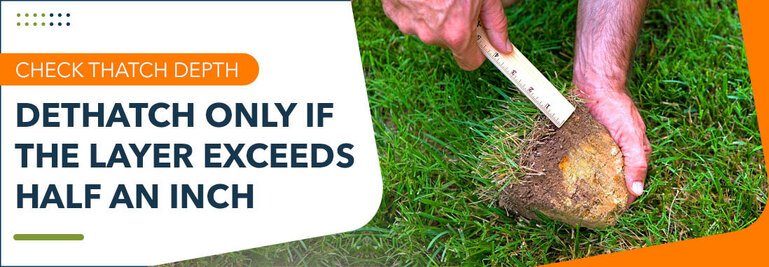
Check your lawn for a thick layer of thatch. Thatch looks like a spongy, brown mat between grass and soil.
If the layer is more than half an inch thick, it blocks air and water from reaching roots. This means you should dethatch soon.
Poor Grass Growth
Grass that grows thin or patchy may need dethatching. Thatch stops grass roots from spreading properly.
If your lawn looks weak or bare in spots, removing thatch can help new grass grow strong and full.
Water Drainage Issues
Water that pools on the lawn or takes a long time to soak in shows a thatch problem. Thatch stops water from reaching soil.
When water drains poorly, grass roots do not get enough moisture. Dethatching fixes this by clearing the layer blocking water.
Increased Pest Problems
Thatch creates a hiding place for pests like insects and fungi. If you see more bugs or dead grass, check for thatch.
Removing thatch lowers pest problems and helps your lawn stay healthy and green.

Credit: www.youtube.com
Best Time To Dethatch
Dethatching is important to keep your lawn healthy. It removes dead grass and debris.
Knowing the right time to dethatch helps your lawn grow strong and green.
Seasonal Considerations
Season affects when dethatching should be done. The grass needs time to recover.
Choose a time when your lawn is growing fast. This helps it heal quickly.
Cool-season Grass Timing
Cool-season grasses grow best in spring and fall. Dethatch during these times.
Spring dethatching helps remove winter debris. Fall dethatching prepares grass for winter.
- Best months: Early April to June
- Or early September to November
- Avoid dethatching in summer heat
Warm-season Grass Timing
Warm-season grasses grow in summer. Dethatch in late spring or early summer.
This timing helps the grass recover during its peak growth period.
- Best months: Late April to early July
- Avoid dethatching in cooler months
- Do not dethatch during dormancy
Tools For Dethatching
Dethatching helps remove dead grass and debris from your lawn. Using the right tools makes this job easier and more effective.
There are different tools you can use depending on your lawn size and effort you want to spend. Choose the one that fits your needs best.
Manual Rakes
Manual rakes are simple tools with sharp blades or tines. They pull out thatch by hand and work well on small lawns.
These rakes require physical effort but give you control over the dethatching depth. They also cost less than power tools.
- Best for small or medium lawns
- Easy to use and maintain
- Good for light to moderate thatch
- Requires more physical work
Power Dethatchers
Power dethatchers use a motor to pull up thatch quickly. They are suited for larger lawns or heavy thatch layers.
These machines save time and reduce physical effort. Some models have adjustable blades to control dethatching depth.
- Good for large lawns and thick thatch
- Less physical effort needed
- Can be gas or electric powered
- Requires more maintenance
Renting Vs Buying
Deciding to rent or buy dethatching tools depends on how often you need them. Renting is cheaper if you dethatch once a year.
Buying makes sense if you care for a large lawn or dethatch regularly. It saves rental costs over time.
- Rent for occasional use or small jobs
- Buy for frequent use and large lawns
- Renting offers access to different tool types
- Buying needs storage and maintenance space
Step-by-step Dethatching Process
Dethatching your lawn removes dead grass and roots. It helps air, water, and nutrients reach the soil.
Follow these steps to dethatch your lawn safely and effectively. Proper care improves grass health and growth.
Preparing The Lawn
Start by mowing your lawn slightly shorter than usual. This makes dethatching easier and more effective.
- Remove any debris like sticks, leaves, or stones.
- Water the lawn lightly a day before dethatching to soften the soil.
- Mark areas with sprinkler heads or shallow roots to avoid damage.
Dethatching Techniques
Choose the right tool based on your lawn size and thatch thickness. Manual rakes work for small lawns.
| Tool | Best For | Notes |
| Manual Thatch Rake | Small lawns | Labor-intensive but precise |
| Power Rake | Medium to large lawns | Requires careful handling |
| Lawn Scarifier | Large lawns or heavy thatch | Removes thick thatch well |
Work in rows, moving the tool back and forth across the lawn. Collect the loosened thatch using a rake or lawn vacuum.
Post-dethatching Care
After dethatching, your lawn needs care to recover quickly. Follow these tips:
- Rake up all dead material to prevent disease.
- Water the lawn deeply but avoid overwatering.
- Apply fertilizer to support new growth.
- Consider overseeding bare spots to fill in thin areas.
Benefits Of Regular Dethatching
Dethatching is the process of removing dead grass and debris from your lawn. Doing it regularly helps your lawn stay healthy and green.
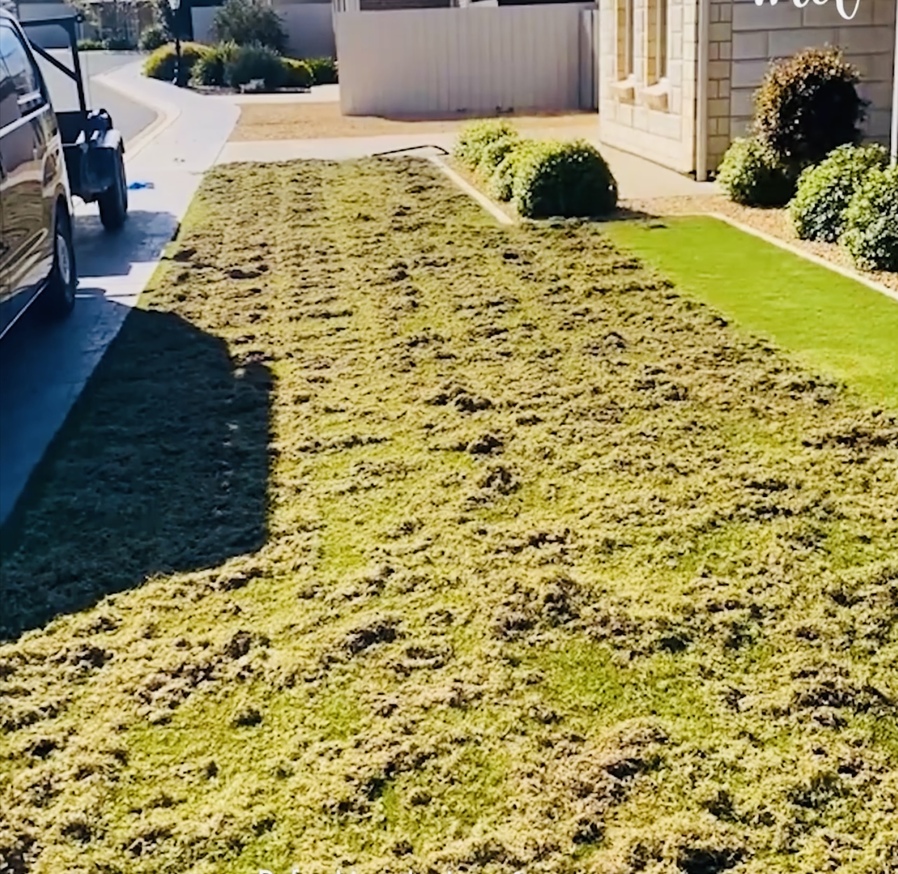
Thatch can block important nutrients, air, and water from reaching the soil. Removing it lets your lawn grow stronger.
Improved Nutrient Absorption
Thatch creates a barrier between the soil and grass roots. This stops nutrients from reaching the roots.
Removing thatch allows fertilizers and nutrients to soak into the soil. Your grass gets the food it needs to grow well.
- Better fertilizer use
- Healthier grass blades
- Stronger root system
Better Air Circulation
Grass needs air to breathe just like people do. Thatch blocks air from reaching the roots.
Dethatching opens up the lawn surface. This lets air flow freely to the roots, helping them stay healthy.
- Prevents root suffocation
- Reduces lawn diseases
- Boosts soil life activity
Enhanced Water Penetration
Thatch stops water from soaking into the soil. Instead, water runs off the lawn surface.
Removing thatch helps water reach the roots where it is needed most. This keeps the lawn moist and healthy.
- Reduces water waste
- Improves drought resistance
- Supports deep root growth
Credit: www.yourgreenpal.com
Common Mistakes To Avoid
Dethatching your lawn is essential for healthy grass. Mistakes during dethatching can harm your lawn. Here are common mistakes to avoid.
Understanding when and how to dethatch is crucial for lawn care. Learn the common pitfalls below.
Dethatching Too Often
Dethatching too often can stress your lawn. Grass needs time to recover between sessions. Excessive dethatching weakens the roots.
Stick to a schedule based on your grass type. Overdoing it leads to more harm than good.
- Most lawns need dethatching once a year
- Check your lawn’s thatch layer before deciding
- Monitor grass health and adjust as needed
Ignoring Lawn Type
Different grass types have different needs. Some lawns rarely need dethatching. Others may need it more often.
Know your lawn’s grass type to avoid unnecessary work. Research its specific dethatching requirements.
| Grass Type | Dethatching Frequency |
| Bermudagrass | Once a year |
| Kentucky Bluegrass | Every 2-3 years |
| St. Augustine | Rarely needs dethatching |
Poor Timing
Timing is key for effective dethatching. Avoid dethatching during extreme weather. Hot, dry conditions can stress your lawn.
Plan to dethatch during the growing season. This helps grass recover quickly and efficiently.
- Best time is late spring or early fall
- Avoid during drought or heat waves
- Check local weather forecasts before starting

Credit: www.familyhandyman.com
Frequently Asked Questions
When Is The Best Time To Dethatch A Lawn?
The best time to dethatch your lawn is during its active growth period. For cool-season grasses, dethatch in early spring or fall. For warm-season grasses, late spring to early summer works well. This timing helps the lawn recover quickly and stay healthy.
How Do I Know If My Lawn Needs Dethatching?
If your lawn has a thick layer of thatch over 0. 5 inches, it needs dethatching. Signs include spongy feel underfoot, poor water absorption, and patchy growth. Regular inspection helps maintain lawn health and prevents damage caused by excessive thatch buildup.
Can Dethatching Damage My Lawn?
Dethatching can damage your lawn if done too aggressively or at the wrong time. Use proper tools and dethatch during active growth periods. Avoid dethatching during drought or extreme heat to prevent stress and promote quick recovery.
How Often Should I Dethatch My Lawn?
Most lawns require dethatching every 2 to 3 years. Over-dethatching can harm grass roots, so avoid frequent dethatching. Monitor your lawn’s thatch layer annually and dethatch only when necessary to maintain optimal lawn health.
Conclusion
Dethatching helps keep your lawn healthy and green. It removes dead grass and lets water reach roots. The best time to dethatch depends on your grass type. Usually, early spring or early fall works well. Avoid dethatching in very hot or dry weather.
Regular care after dethatching helps your lawn grow strong. Watch your lawn closely to know when it needs dethatching again. Healthy lawns need attention but not too much work. Simple steps make a big difference in lawn care.

