
Are you struggling to get the perfect spray from your hose end sprayer? Adjusting the nozzle correctly can make all the difference in how evenly and efficiently your garden or lawn gets watered or treated.
If your spray is too weak, too strong, or uneven, you might be wasting water and product. But don’t worry—this guide will walk you through simple steps to adjust your nozzle like a pro. Keep reading, and you’ll learn how to save time, protect your plants, and get the results you want every time you use your sprayer.

Credit: amconservation.com
Types Of Hose End Sprayers
Hose end sprayers help you apply liquids like fertilizers and pesticides. They attach to your garden hose and spray evenly.
There are different types of hose end sprayers. Each type works in a unique way to fit your gardening needs.
Dial-type Sprayers
Dial-type sprayers let you choose the spray strength by turning a dial. You can control how much liquid mixes with water.
- Easy to adjust the mix ratio
- Good for precise spraying
- Usually made with clear markings on the dial
Trigger Sprayers
Trigger sprayers spray liquid only when you squeeze the trigger. They give you control over the spray amount.
| Feature | Benefit |
|---|---|
| Trigger control | Sprays only when needed |
| Easy to use | Good for small areas |
| Simple design | Less chance of leaks |
Tank Sprayers
Tank sprayers have a built-in container to hold the liquid. They connect to the hose and spray as you open the nozzle.
Tank sprayers often have these parts:
- A tank to store the solution
- A hose connector
- An adjustable nozzle for spray patterns
- A valve to control flow

Credit: www.youtube.com
Tools Needed For Adjustment
Adjusting the nozzle on a hose end sprayer requires some basic tools. These tools help make sure the adjustment is accurate and safe. Having the right items ready saves time and effort.
This guide covers the main tools needed and the safety gear you should use. Follow these recommendations to adjust your sprayer nozzle correctly.
Basic Tools List
- Adjustable wrench for loosening and tightening parts
- Flathead screwdriver to turn adjustment screws
- Needle-nose pliers to grip small pieces
- Clean cloth to wipe dirt and debris
- Small brush for cleaning nozzle openings
These tools help you make precise adjustments and keep the sprayer in good condition. Keep them close while working on the nozzle.
Safety Gear
| Safety Item | Purpose |
|---|---|
| Gloves | Protect hands from chemicals and sharp edges |
| Safety goggles | Protect eyes from sprays and splashes |
| Long sleeves | Prevent skin contact with sprays |
| Mask | Avoid inhaling fumes or mist |
Always wear the correct safety gear before adjusting the nozzle. This reduces the risk of injury or exposure to harmful substances.
Locating The Nozzle
Finding the nozzle on a hose end sprayer is easy once you know where to look. The nozzle controls how the liquid sprays out.
Knowing the nozzle’s position helps you adjust the spray pattern and flow for better results.
Nozzle Positioning
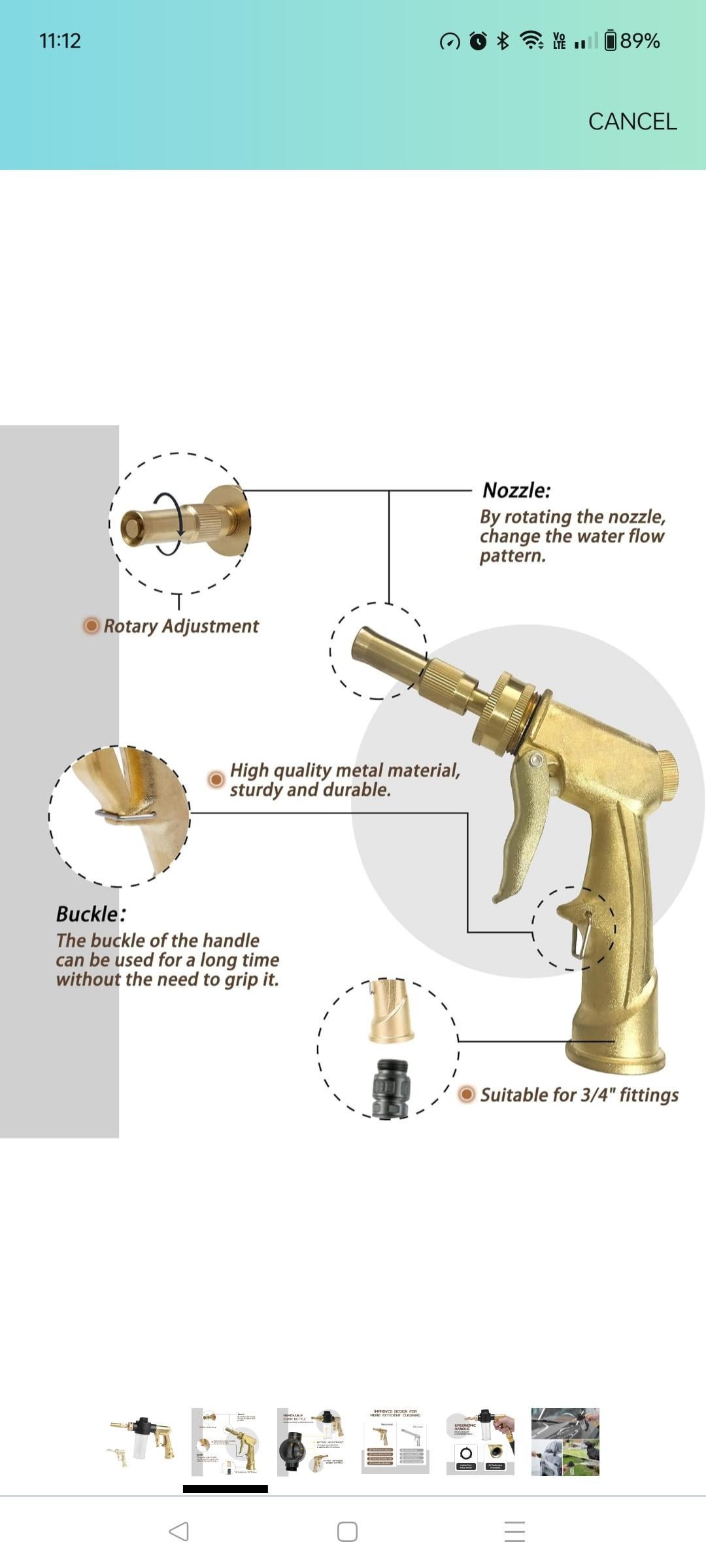
The nozzle sits at the very end of the hose end sprayer. It is the small part where the liquid comes out. You can twist or turn the nozzle to change how the spray spreads.
- Look at the tip of the sprayer’s wand or tube.
- The nozzle is often a small round or flat piece.
- Some nozzles have markings or numbers to show spray settings.
- Check if the nozzle can rotate or be removed for cleaning or adjustment.
Identifying Adjustment Points
Adjustment points let you change how the nozzle sprays. These are usually near the nozzle or on the sprayer body.
| Adjustment Point | Function |
| Nozzle Tip | Changes spray pattern from mist to stream |
| Flow Control Knob | Adjusts the amount of liquid sprayed |
| Trigger Lock | Allows continuous spraying without holding trigger |
Step-by-step Nozzle Adjustment
Adjusting the nozzle on your hose end sprayer helps control the spray pattern and flow. Proper adjustment improves coverage and reduces waste.
This guide shows you how to loosen, set, and tighten the nozzle correctly for the best results.
Loosening The Nozzle
Start by loosening the nozzle to allow easy adjustment. Turn the nozzle counterclockwise. Do not force it to avoid damage.
Loosening helps you change the spray pattern and flow smoothly.
Setting Spray Patterns
Choose the spray pattern that fits your task. Most nozzles offer multiple patterns like mist, jet, or shower.
- Mist: Fine spray for delicate plants
- Jet: Strong stream for hard-to-reach areas
- Shower: Wide coverage for general watering
- Flat: Even spray for larger surfaces
Tightening The Nozzle
After setting the pattern, tighten the nozzle by turning it clockwise. This secures the setting and prevents leaks.
| Action | Purpose |
| Loosen nozzle | Allow adjustment of spray pattern |
| Set spray pattern | Choose proper spray for task |
| Tighten nozzle | Secure setting and prevent leaks |
Testing The Spray
Testing the spray is important to get the best results from your hose end sprayer. It helps you see how well the nozzle covers the area.
By checking the spray pattern, you can make sure the liquid spreads evenly and adjusts as needed.
Checking Coverage
Start by spraying a small test area on the ground or a flat surface. Look closely at how the spray lands.
Check if the spray covers the area evenly without leaving dry spots or heavy patches.
- Spray from the recommended distance
- Observe the spread of droplets
- Look for gaps or uneven areas
- Note if the spray is too strong or weak
Adjusting For Consistency
If the spray is uneven, adjust the nozzle to change the spray pattern. Turn the nozzle clockwise or counterclockwise.
Keep testing until the spray is smooth and consistent across the area you want to cover.
- Twist the nozzle to widen or narrow the spray
- Test spray each time after adjusting
- Make small changes for best results
- Use consistent pressure on the hose
Common Issues And Fixes
Hose end sprayers are useful for gardening and lawn care. Adjusting the nozzle ensures proper spray patterns. Let’s explore common problems and their solutions.
Fixing these issues can improve your sprayer’s performance and longevity. Addressing them promptly saves time and effort.
Clogged Nozzle
Clogs are common and can disrupt spray patterns. Regular cleaning helps maintain efficiency.
- Detach the nozzle and rinse it with water.
- Use a small brush to remove debris.
- Soak in vinegar to dissolve stubborn residues.
Leaks And Drips
Leaks can waste resources and reduce pressure. Inspect seals and connections to prevent them.
Check for cracks in the nozzle and hose. Replace faulty parts immediately to avoid drips.
Uneven Spray
An uneven spray can affect coverage and treatment. Adjust the nozzle to ensure a consistent pattern.
| Problem | Solution |
| Blocked holes | Clean with a pin |
| Incorrect setting | Adjust to desired spray |
| Worn-out nozzle | Replace with new |
Maintenance Tips For Longevity
Keeping your hose end sprayer in good shape is important. Proper care extends its life and improves performance.
Follow these simple maintenance tips to ensure your sprayer works well for a long time.
Regular Cleaning
Clean the nozzle after each use. This prevents clogs and keeps the spray even.
Use warm water to wash the nozzle. Check for any debris stuck inside.
- Remove the nozzle and rinse it under running water
- Use a small brush to clean the inside
- Inspect for any damage or cracks
Storage Best Practices
Store the hose end sprayer in a dry place. This prevents rust and damage.
Keep it out of direct sunlight. Sunlight can cause parts to wear out faster.
- Detach the sprayer from the hose before storage
- Hang it up to avoid pressure on the nozzle
- Ensure it’s fully dry before storing

Credit: www.amazon.com
Frequently Asked Questions
How Do I Adjust The Spray Pattern On A Hose End Sprayer?
To adjust the spray pattern, twist the nozzle tip clockwise or counterclockwise. This changes the spray from a fine mist to a direct stream, allowing precise control over application.
Why Is My Hose End Sprayer Nozzle Leaking?
A leaking nozzle often results from worn-out seals or improper attachment. Check for cracks, clean the nozzle, and ensure it is tightly secured to stop leaks.
How Can I Increase The Spray Distance Of My Sprayer?
Increase spray distance by adjusting the nozzle to a narrower pattern. This focuses the spray and allows it to reach farther areas effectively.
What Maintenance Is Needed For A Hose End Sprayer Nozzle?
Regularly clean the nozzle to prevent clogs, inspect seals for wear, and store it in a dry place. Proper care extends nozzle life and ensures consistent spraying.
Conclusion
Adjusting the nozzle on your hose end sprayer helps control spray patterns. It ensures even coverage and saves product waste. Small changes can make a big difference in your gardening or cleaning tasks. Keep checking the spray while you adjust for the best results.
Proper nozzle settings make your work easier and more efficient. Practice a few times to get comfortable with the process. A well-set nozzle helps you finish tasks faster and cleaner. Simple steps lead to better results every time.

